
Iran’s June 8 missile attacks on northern Israel heralded the first direct exchange of fire between both countries since a cease-fire began in April. U.S. military helicopter collided with an Iranian drone near the Strait of Hormuz, and the United States struck Iran in retaliation. Iran followed that up with missile attack on Bahrain, Kuwait and Jordan.

The leaders of South Korea and the EU expressed "grave concern" over North Korea's nuclear and ballistic missile programs. They also condemned its "illegal military cooperation" with Russia over the war against Ukraine. The statement was issued after a summit between ROK President Lee Jae Myung, European Commission President Ursula von der Leyen and European Council President António Costa in Brussels.
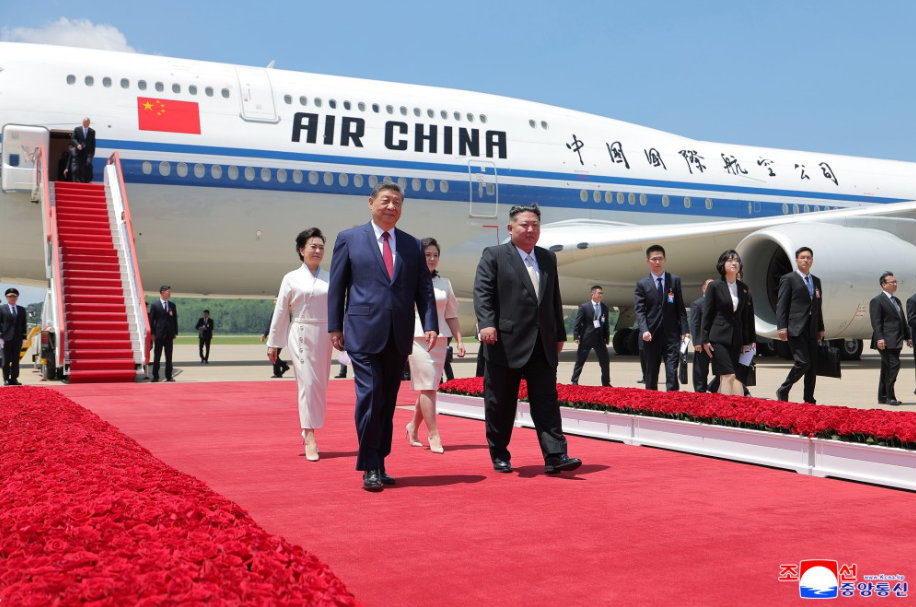
Xi Jinping visited North Korea on June 8-9. It was Xi's first overseas trip this year. The readout of the summit focused on the political, economic and cultural aspects. North Korea’s coverage of the visit focused on restoring and advancing bilateral ties.
IAEA's board demands Iran to cooperate with the agency, provide complete information about its stockpile of near weapons-grade nuclear material and grant inspectors access to Iranian nuclear sites. The resolution was put forward by France, the United Kingdom, Germany and the United States. Iran's ambassador to the IAEA denounces the resolution.

Two Russian drones flew into Romanian airspace on May 29 and hit a residential building in Galați. The incident is the latest in a growing series of Russian military incursions on NATO territory since the invasion of Ukraine. The Kremlin has spent years operating below the threshold of conventional conflict and has relied on sabotage, cyber operations, disinformation campaigns, disruption of democracy, border probes, airspace violations, and covert activity. NATO needs to develop a more decisive, unified, and coherent framework for response.

In recent weeks, U.S. allies have experienced two seismic shifts. Donald Trump is considering holding up a $14 billion arms sales package to Taiwan of vital defense articles that Congress had already authorized. The Trump administration is also planning to reduce the number of American assets assigned to Europe. European and Asian allies have different reactions to Washington’s policies.

There are concerns that the threat is evolving faster than the missile defense system. Military planning must evolve beyond interception centric models. Modern warfare is no longer about stronger shields, but smarter weapons designed to bypass them. States should shift their defense policy from solely relying on interception to effectively absorbing damage.
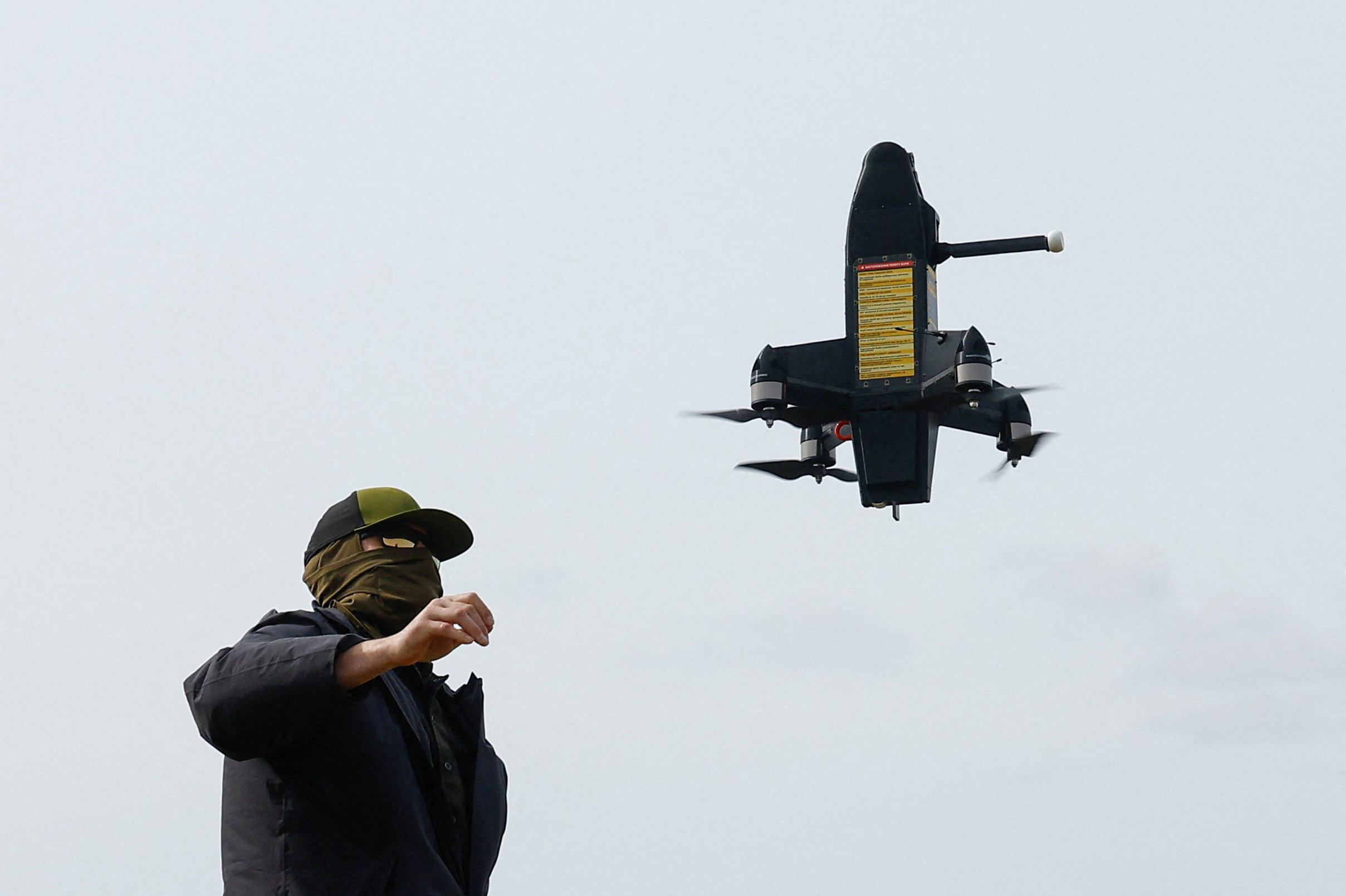
Wars in Ukraine and Iran have unleashed a new gold rush in global defense spending. President Trump's record $1.5 trillion defense budget request includes nearly $75 billion for drone and counter-drone technologies. Germany approved a roughly $124 billion core defense budget in 2027 with nearly $12 billion dedicated to drones. Ukraine is on pace to build 7 million drones in 2026 alone with a $65 billion defense budget. Ukraine's defense industrial base has grown 50-fold to an annual production capacity of $50 billion since Russia's invasion.
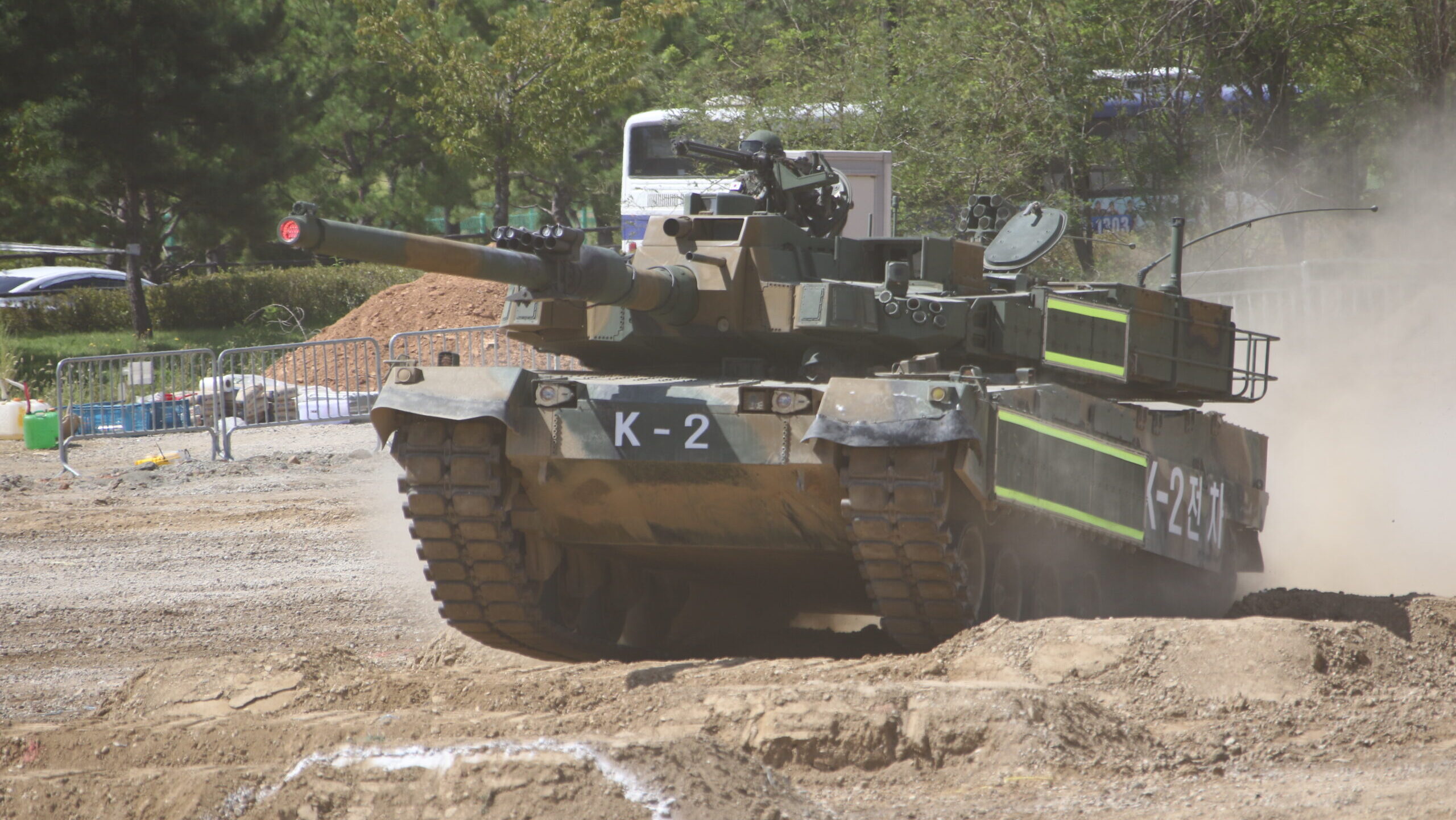
Poland's military representative to NATO says European nations face a Catch-22 when it comes to buying American weapons. The US is putting pressure on European capitals to invest heavily in defense, but the delivery timelines prove too long and too uncertain. Europe is looking for alternative solutions that are more affordable and arrive more quickly. The Trump administration is overhauling its Foreign Military Sales and Foreign Military Financing processes.