Wilbur-Ellis Company agreed to pay EPA $630,737 for violations of the Toxic Substances Control Act (TSCA) at its facilities in California and Washington. EPA claims the company violated TSCA by manufacturing a new, unreported chemical substance on at least 29 different occasions and producing more than 25,000 pounds of three additional chemicals at its San Joaquin and Rio Linda facilities.

GKN Aerospace in Garden Grove, California, stored methyl methacrylate in a tank that nearly exploded over the Memorial Day weekend. Gov. Gavin Newsom declared a state of emergency, and multiple agencies are investigating what happened. Four of the 14 facilities that stored the toxic chemical in California in 2024 stored amounts similar to or greater than the amount that nearly caused a disaster near the GKN Aerospace facility.
ProPublica looks at the rise of raw milk despite the health risks linked to its consumption in the U.S. Mark McAfee converted his dairy to raw milk and established a nonprofit to promote its benefits. In Ghana, marine biologist Issah Seidu launched a grassroots campaign to save the endangered guitarfish.

Wellness industry was worth about $2 billion in 2025, according to a McKinsey & Company study. Wellness industry and farmers work together to source ingredients for everything from cosmetics to protein powder. Artificial intelligence is changing the way they do so. Precision agriculture uses AI to analyze satellite imagery, sensors and weather data to optimize irrigation and fertilization.
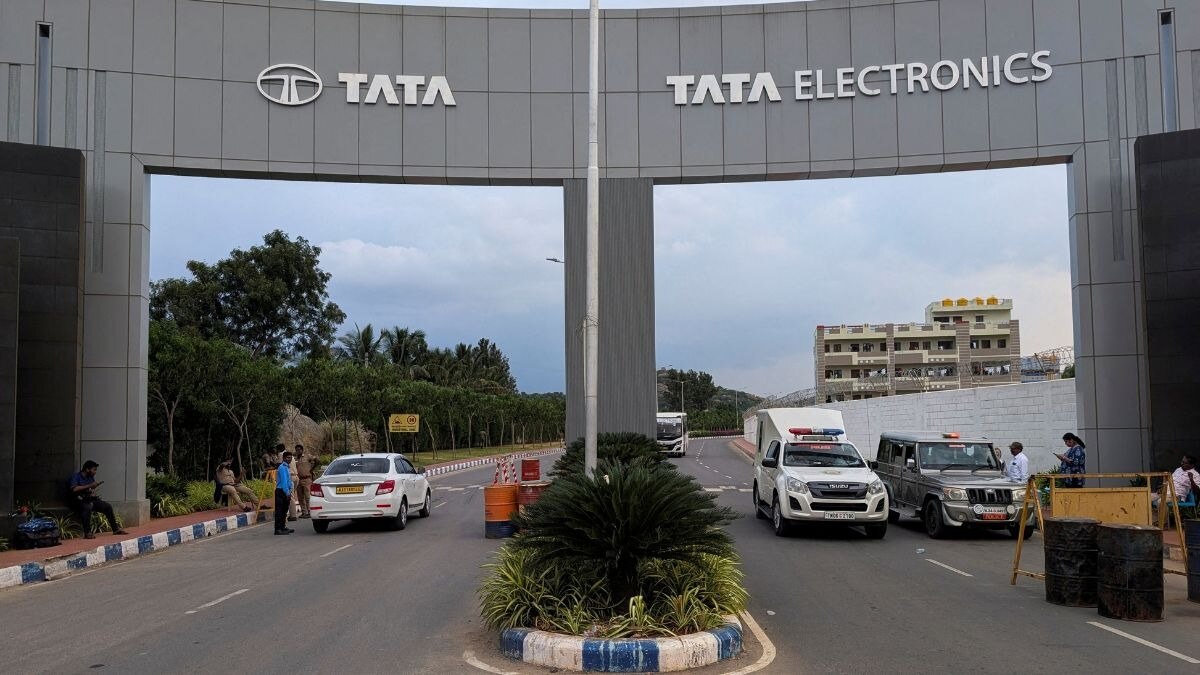
Tamil Nadu Pollution Control Board claims that wastewater from a Tata components factory supplying Apple’s iPhone has contaminated groundwater used by nearby farms. The factory is in Hosur, Tamil Nadu, and makes back panels and other components for iPhones. The board warned of a forced shutdown unless the company gives a satisfactory explanation. Tata says it commissioned an independent analysis through an accredited laboratory and it was in full compliance with all regulatory norms.
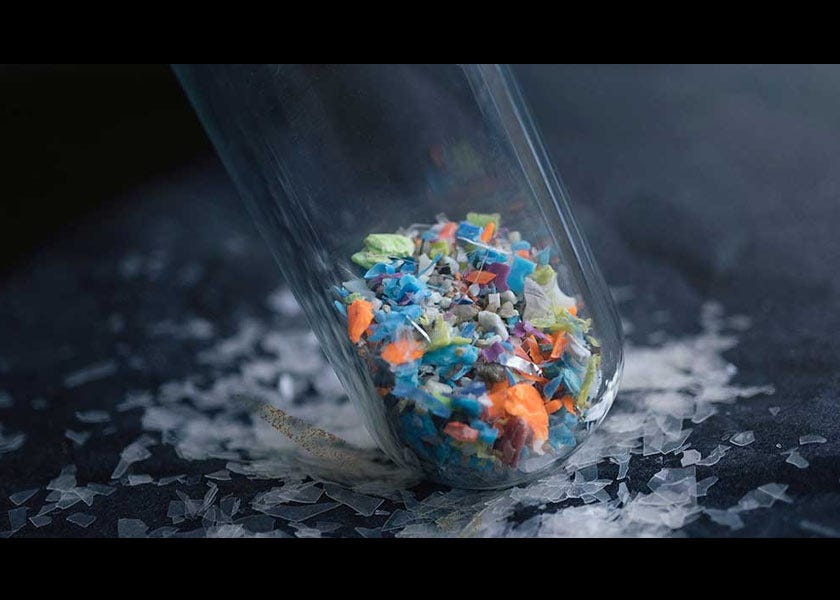
Plastics are cheap and durable, but they break down into microplastics that may harm the environment and have been linked to potential health effects. Global plastic production exploded from 2 million tons in 1950 to over 450 million tons by 2018. Without strict limits, it could triple by 2060, worsening pollution worldwide. Greener materials, recycling incentives, and binding treaties are crucial to stopping the flow of plastic waste and protecting future generations.

Consumer Reports sent 21 hair dyes and two temporary hair chalk products to a third-party lab for testing. Dichloromethane, a probable human carcinogen, was found in all of the products tested. Revlon stands by the safety of its products.

The type of food that increases hyperactivity, anxiety, fearfulness, and aggression in preschool children is the one that increases food that causes hyperactivity in children. It increases anxiety and fearfulness. It also increases aggression and hyperactivity. It makes children more aggressive and hyperactive.
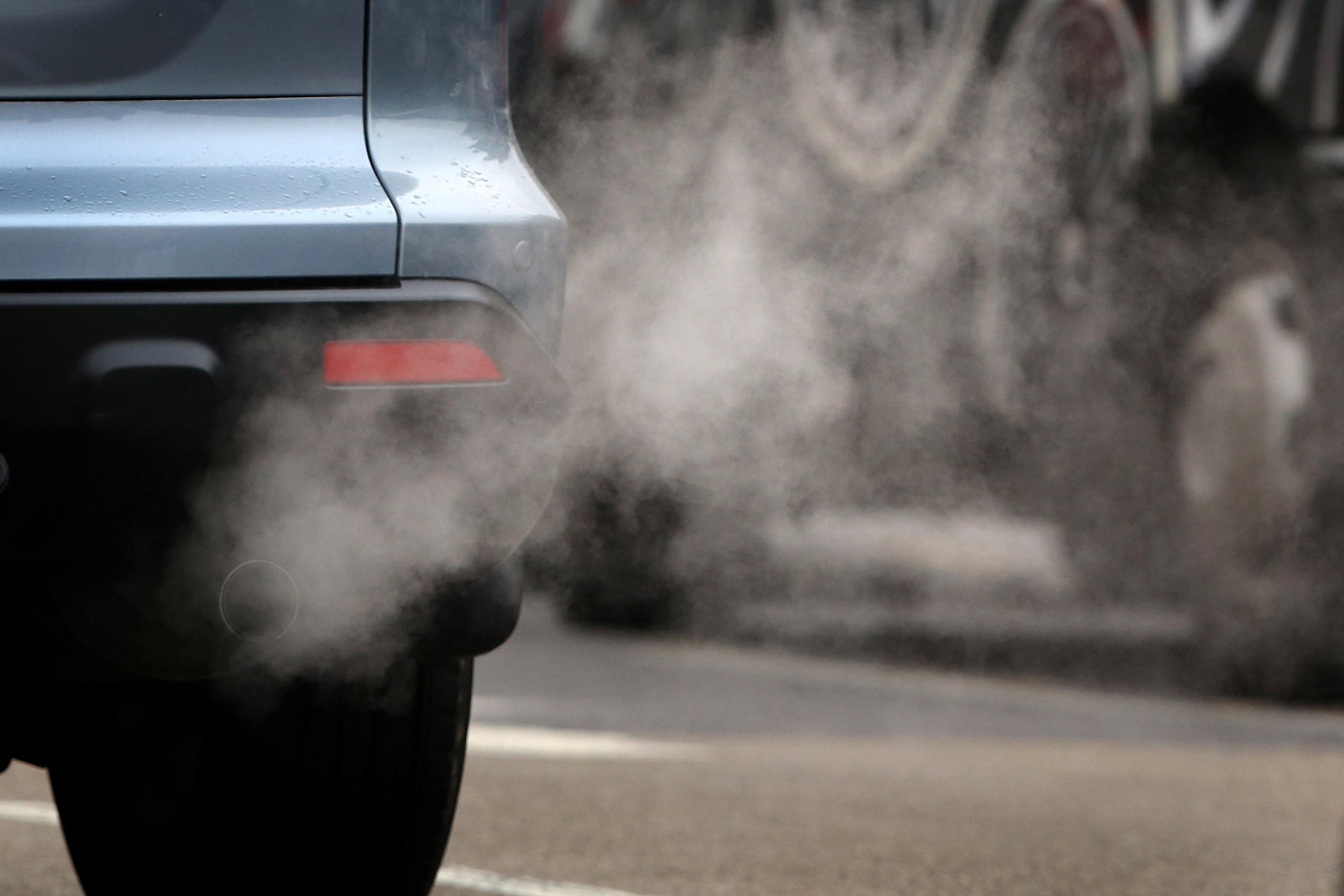
A new paper suggests that 15 percent of human-driven global warming has come from indirect emissions. Carbon monoxide and non-methane volatile organic compounds are the major players in the study. The authors think there's now enough information to act on the issue. However, integrating the indirect emissions into policy will be an uphill battle.
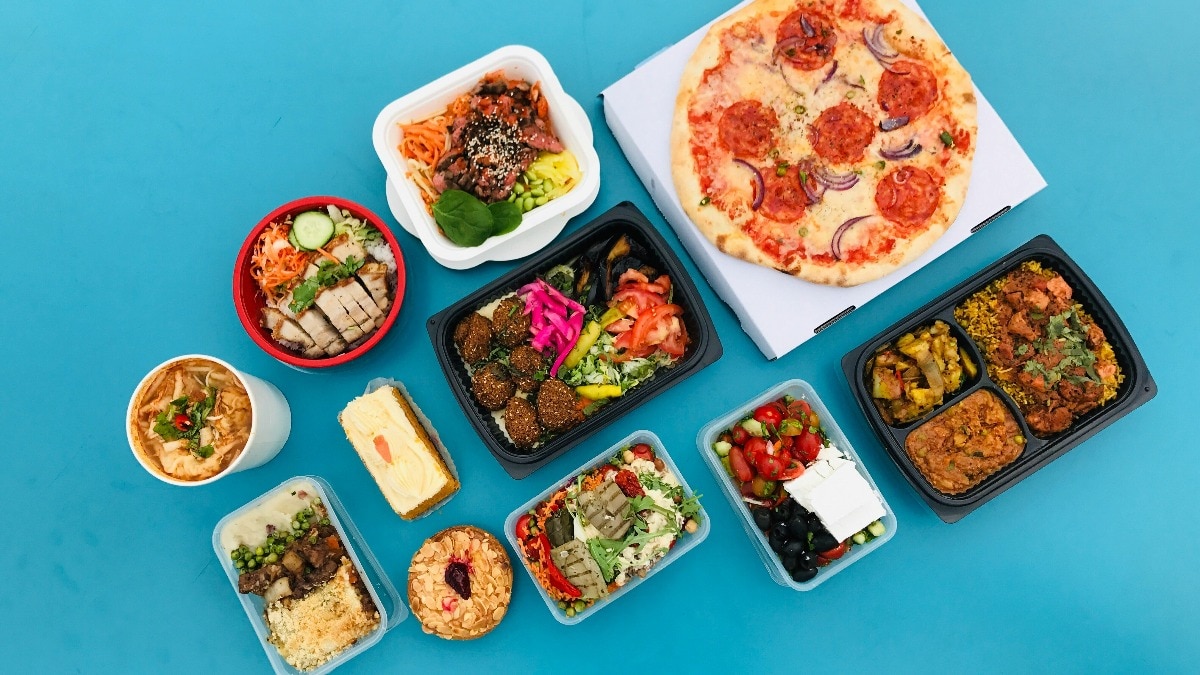
When global food giants enter the Indian market, they have to change their recipes and ingredient lists to keep prices down. The most common shift involves fats and sweeteners. Food Safety and Standards Authority of India places a heavier emphasis on food safety and contamination. Indian cuisine is defined by multi-layered spice profiles, a sharp contrast to the more muted flavors favored in the West. Not every global staple can be adapted to Indian palate.