
Thomas Ricker is a deputy editor and Verge co-founder with a passion for human-centric cities, e-bikes, and life as a digital nomad. The Stepback is a weekly newsletter breaking down one essential story from the tech world. It arrives in subscribers’ inboxes at 8 AM ET.
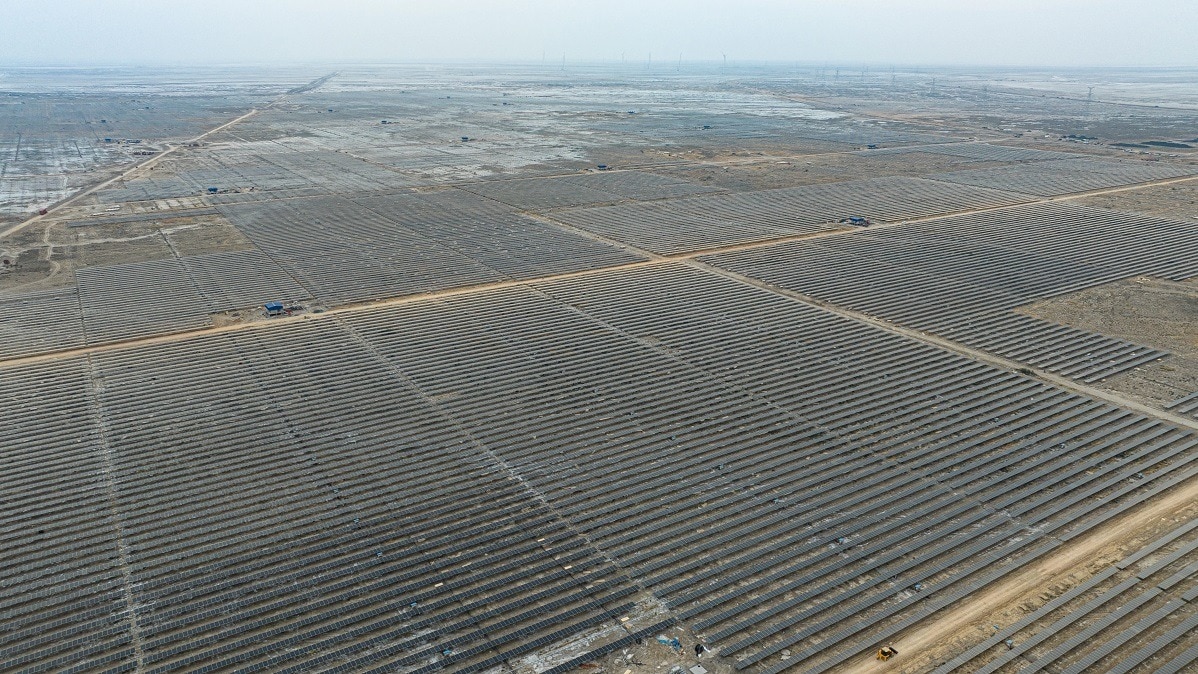
Khavda renewable energy project spans 726 sq km of saline marshland in the Thar desert, 50 km from the India-Pakistan border. It is the world's largest renewable energy plant and features India's largest 5.2 MW wind turbine technology. It also houses the largest battery storage setup outside China.

Shell Plc is preparing to launch a sale of its offshore wind farms in the oil major's latest move away from renewable energy to focus on its higher-returning fossil fuel business. The company has tapped advisers from Rothschild & Co. and PJT Partners Inc. to lead the sale, which could fetch over $1 billion. The process could kick off as soon as the end of this year, with a sale likely to take place in 2027.
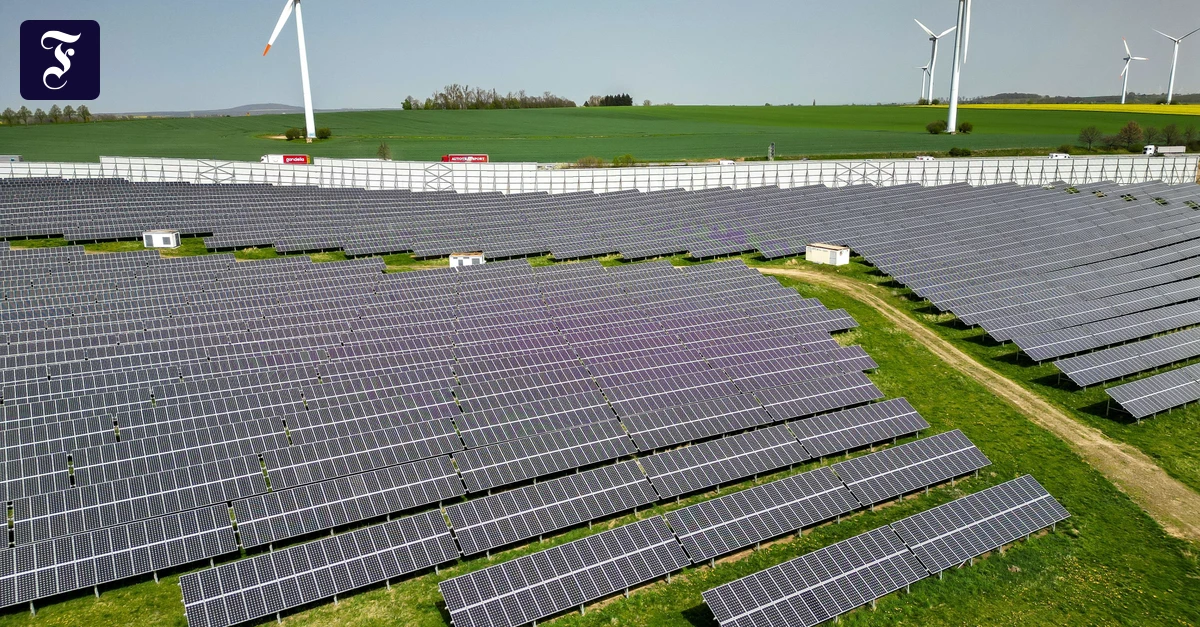
Negative electricity prices on the stock exchange is a sign of the state of the power grid and it's not uncommon. dpa has a report on negative electricity prices. dpa's evaluation now shows that negative prices are not uncommon, as an evaluation shows.
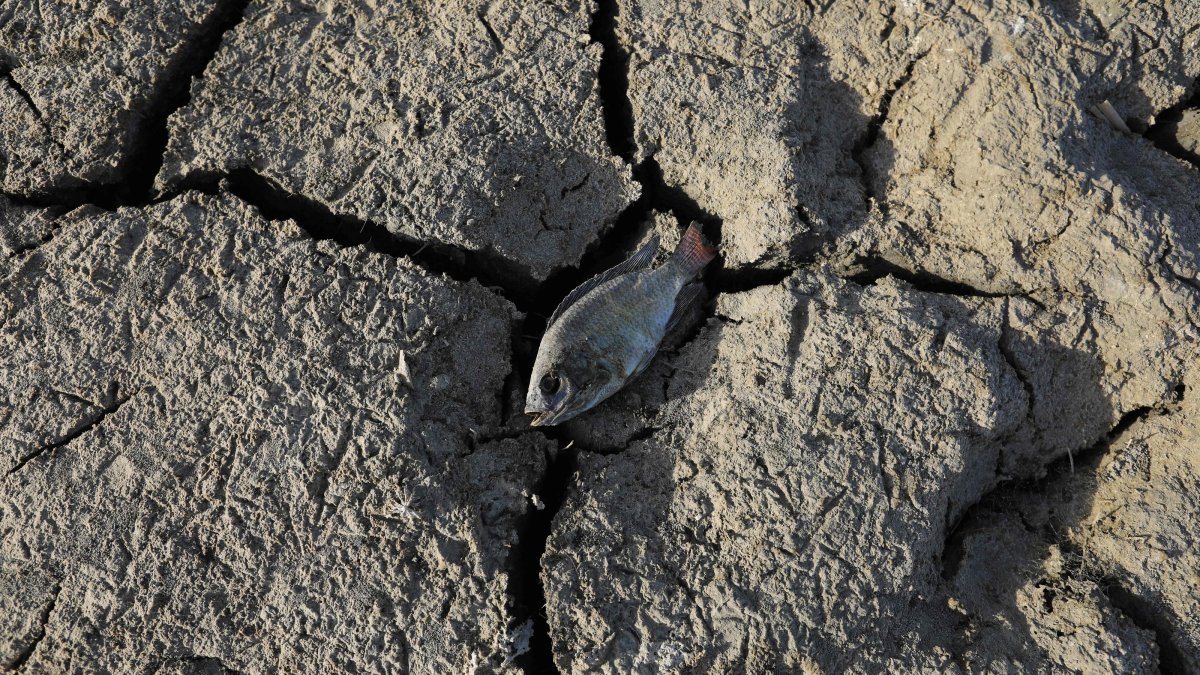
In 2015, countries agreed to limit global warming to "well below" 2 degrees Celsius (35.6 degrees Fahrenheit) above pre-industrial levels and to pursue efforts to curb temperature rises to 1.5 degrees Celsius to prevent the worst droughts, heatwaves, floods, sea level rises and wildlife collapses driven by climate change. In 2025, global sea level rise reached a new record of 23 cm (9 inches) rise since 1901.
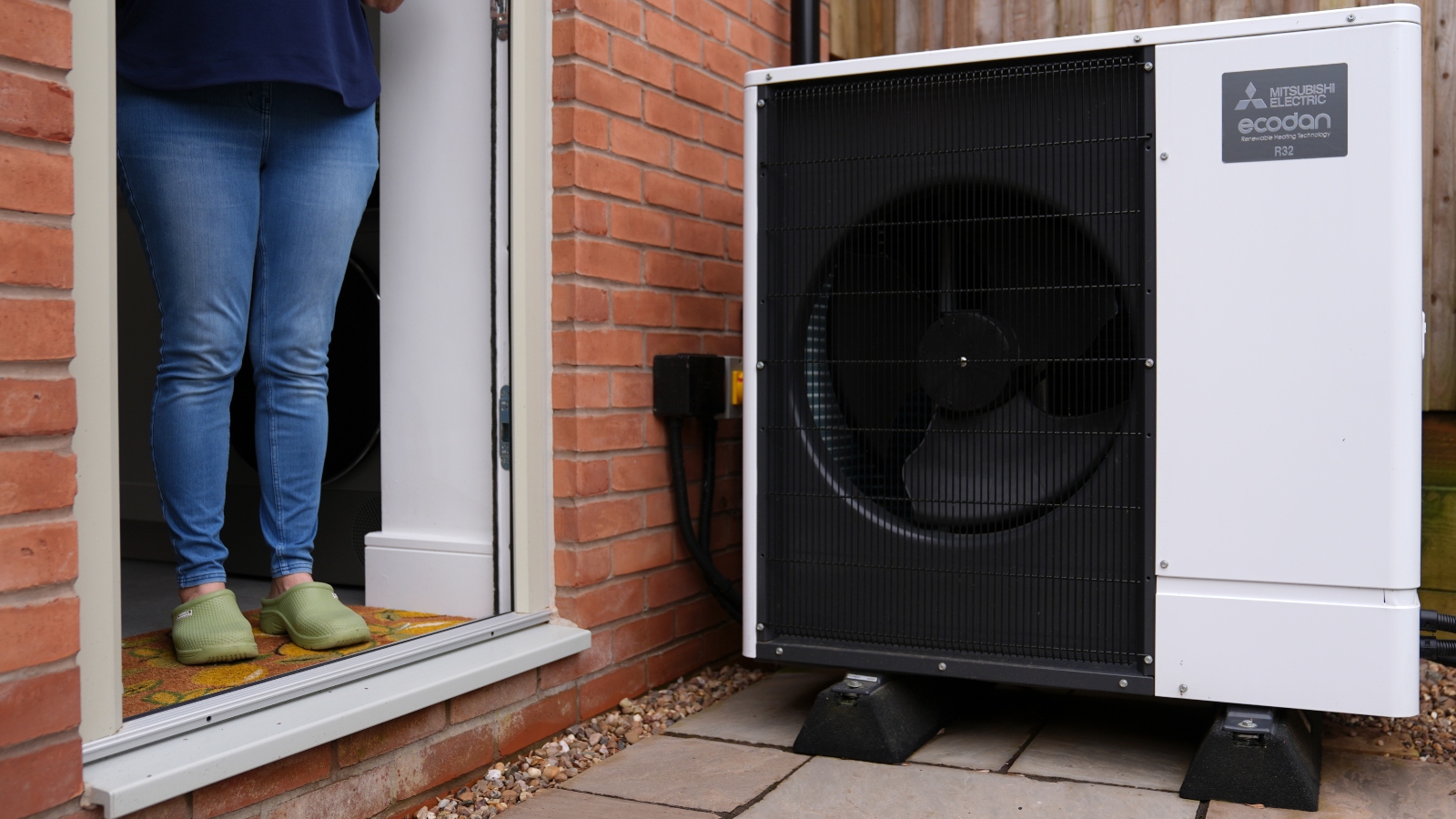
Marie Tai bought a ductless minisplit heat pump for $20,000. It saved her about $1,300 on her energy bills last year. The bulk-buy approach is taking off as the Trump administration demolishes electrification incentives for home heat pumps.
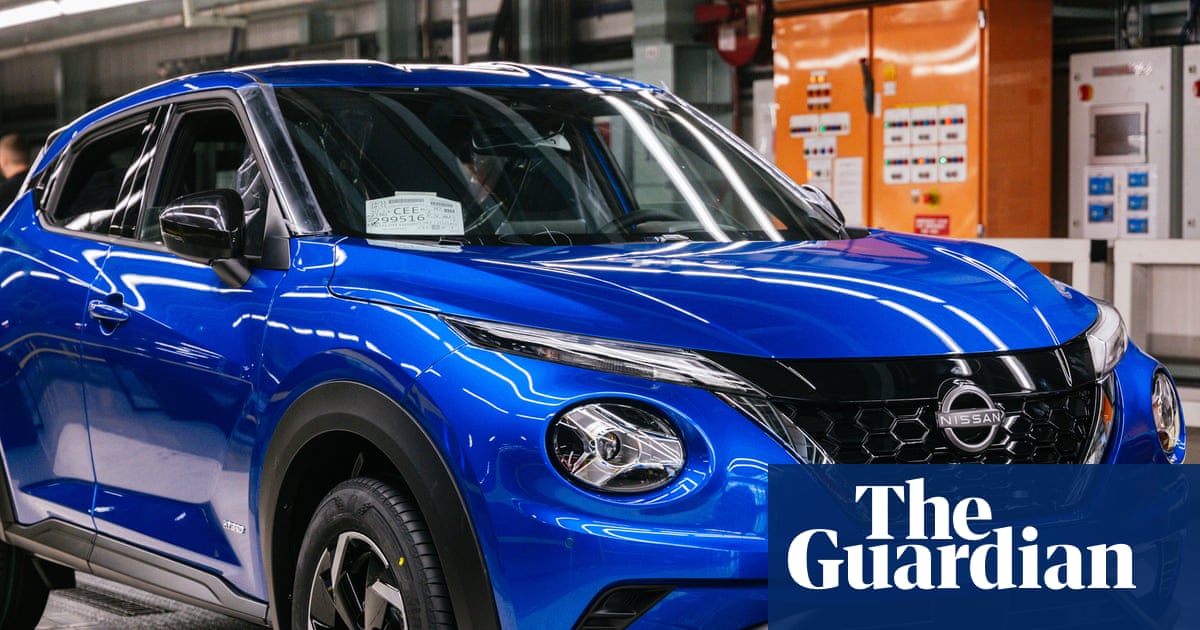
The government is preparing to consult on less ambitious targets for the transition to fully battery-powered electric cars over the rest of the decade. It is softening the mandate for pure electric cars from 80% of all sales by 2030 to 50%. The 2030 ban on the sale of new purely petrol or diesel cars would still apply. The government’s 2035 deadline for phasing out new hybrid cars is understood to remain in place.

France has emerged as a significant actor in the Eastern Mediterranean. France’s policy has evolved into a multi-layered strategy involving diplomacy, military, and security. Since the major gas and the recent developments between 2024 and 2026, France's approach rests on three pillars: support for French corporate activity, especially through TotalEnergies, a military and a security, and a more pragmatic approach.