No Toxics in Food Packaging Act seeks to ban certain chemicals from food packaging and food processing materials. The bill is sponsored by Sen. Richard Blumenthal, D-Conn., and U.S. Reps. Jan Schakowsky and Rosa DeLauro. It does not seek to preempt states' toxics regulations.

Involuntary product recalls are considered to be safeguards against potential lawsuits and sticky legal situations. Involuntary recalls are usually forced, and a regulatory body, such as the USDA, would launch an investigation into the outbreak. The Epidemic Intelligence Service (EIS) will visit the locations where the cases are happening and hand out questionnaires to the affected patients.

By accepting optional cookies, you consent to the processing of your personal data. Some third parties are outside of the European Economic Area, with varying standards of data protection. See the privacy policy for more information on the use of personal data on the site.

On May 22, 2026, EPA extended the reporting deadline for a rule under Section 8(d) of the Toxic Substances Control Act (TSCA) requiring manufacturers of 16 chemicals to report data from unpublished health and safety studies to EPA. The U.S. Court of Appeals for the Ninth Circuit vacated the district court’s September 2024 decision in TSCA Fluoride Case and remanded it for further consideration.
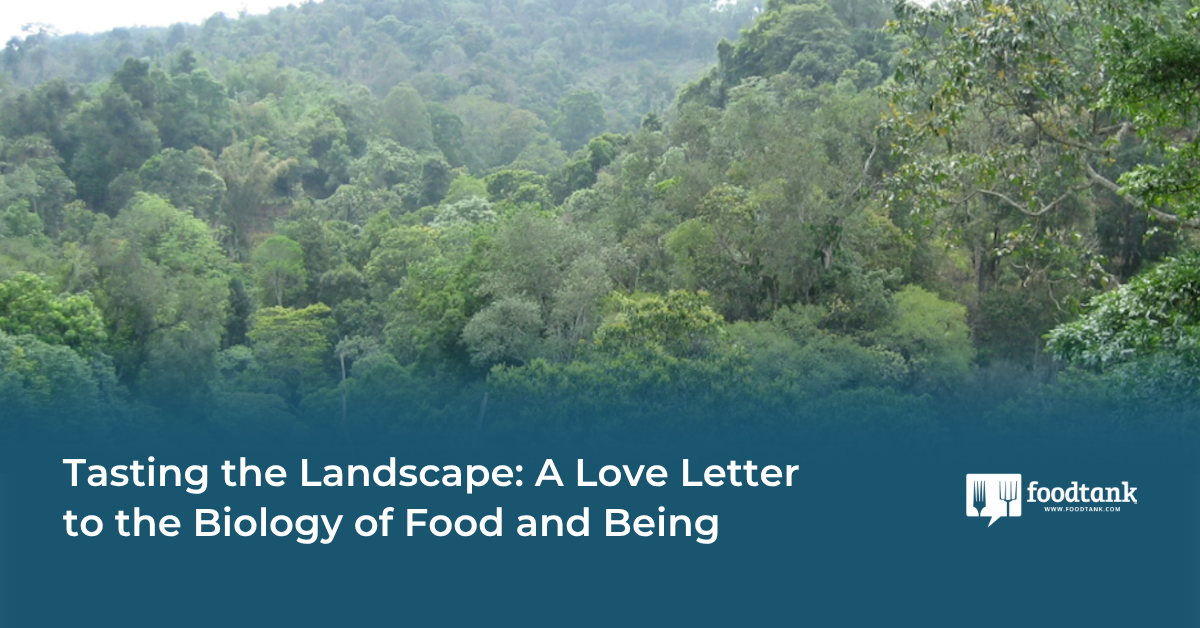
In montane regenerative agroforests of southwestern Yunnan, tea trees grow not in rows, but in relationship. Food revealed itself as ecological and biological exposure, a living translation of biodiversity, climate, soil, microbes, and culture into the molecules that shape flavor, nourishment, memory, and human health.
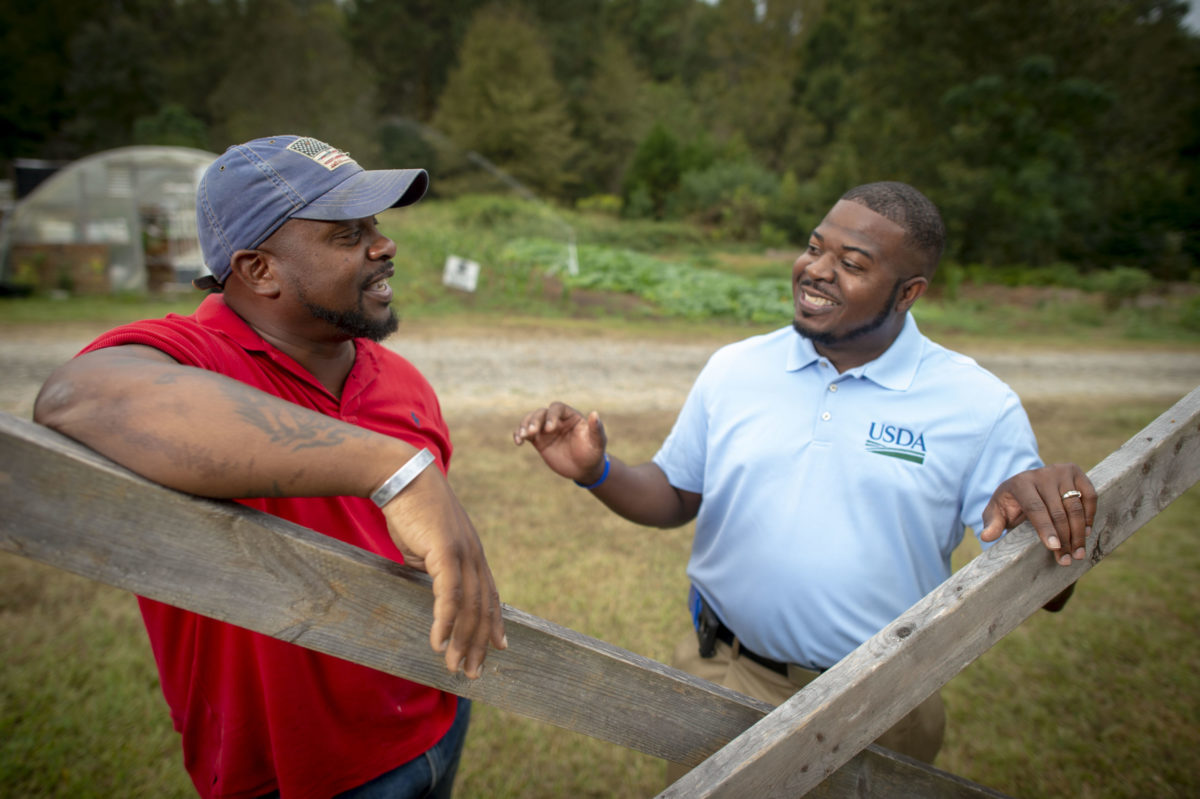
USDA reduced the number of front-line staff at the US Farm Service Agency (FSA) by 8% in 2025. Over one-third of FSA local offices experienced a net loss of staff by the end of 2025, with 42 offices ending the year with no FSA County employees. Cuts to FSA County staff were USDA's largest termination of community presence in over a decade.

Göran P. and his wife's daughter Marlene died in Istanbul's Sultan Abdulhamid Hospital. Marlene came to Istanbul as an exchange student in 2024 with the Erasmus program. Less than two months later, on November 3, 2024, she died of poisoning by a banned pesticide. The circumstances of her death are depressingly similar to another case: the death of the Hamburg Böcek family of four, who were poisoned by the same insecticide in their Istanbul hotel room a year later, in November 2025. In the Bøcek case, eleven people were arrested and six are currently on trial; the proceedings began five months after the crime. In

Since the 1950s, global production of plastic has doubled every 20 years. The world produces 500 million tons of plastic annually. Less than one-tenth of this is recycled. The U.S. generates over 48 million tons annually, and 86% is sent to landfills. The rest enters the environment, where it breaks down into microplastics. Microplastics are found in the air, water, soil, food and living organisms, including humans. They can accumulate in human blood, the brain and reproductive systems.
Nara Organics has recalled all of its Whole Milk Organic Powdered Infant Formula. There is a multistate outbreak of three confirmed or suspected infant botulism illnesses from three states: California, Pennsylvania, and Washington. All of the affected formula was manufactured in Europe. Consumers should stop using the recalled formula immediately.
,regionOfInterest=(1025,768)&hash=34a11d41ee26376c7867444577e684d02d00add02101b7d972f4ee74fe61eb8c)
Farmers in the French Crau Plain have too much hay in their barns. Demand is falling and farmers are stuck with it. The price of Crau hay has fallen from 250 to 150 euros per ton in two years. Potato farmers in the north of France are also complaining about a too good harvest. Christian Simoens gives away 80 to 100 tons of potatoes.