
By signing the ECI ‘Food is a Human Right for All’ you can demand that European institutions give you the right to participate in decision-making processes and help build food systems that reflect Europe’s claimed values. Agroecology is an integrated paradigm that guides collective choices, from farming practices to public policies. It aims to restore some ecological functions that have been compromised by intensive agriculture, improve soil structure and fertility, protect water resources and preserve biodiversity.

This is a segment from the first session of a class taught in the Summer of 2026 for the Maurin Academy on Creation, Food and Agriculture. Patrons at the $5 monthly level receive everything we do, including this class, recorded, and $10 or above get all our content recorded and live.

Pregnant women are exposed to as many as 45 chemicals, according to a new study. This exposure is linked to increased risk of pre-term birth and low birth weight. The research involved more than 5,000 pairs of mothers and babies born between 2000 and 2021 in the United States.

US Forest Service plans to spray herbicides in national forest property near Lake Tahoe. The project is aimed at restoration of areas damaged by the 2021 Caldor fire. The herbicides would not be sprayed from the air, but from backpack sprayers to try to minimize damage to "non-target" native plants. Locals are concerned about the risk of pesticides getting into streams and water bodies.
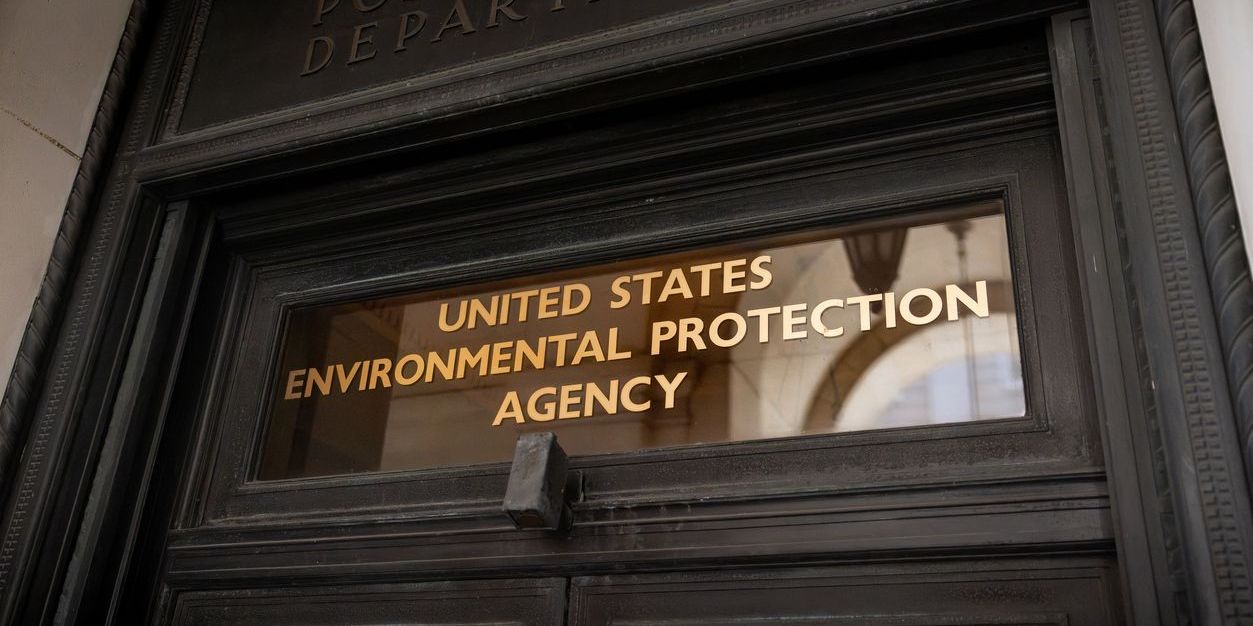
On June 12, 2026, EPA released its draft risk evaluation for 4,4′-(1-methylethylidene)bis[2, 6-dibromophenol] (TBBPA) under the Toxic Substances Control Act (TSCA). TBBPA is a crystalline solid used as an additive and a flame retardant. It is found in drinking water, ground water, ambient air, indoor air, fish, human breast milk, and dust and soil. The draft did not find unreasonable risk to consumers or the general population. Comments are due on or before August 17, 20 26.

Sarah covers how industries like food and tobacco affect Americans’ bodies and minds. Her interests include ultra-processed foods, smoke-free tobacco, and wellness trends like perimenopause products and peptides. Confidential tips can be sent on Signal at sarahlizchar.47.

Pure Earth Opportunity Fund supports strategic, short-term projects that advance understanding of lead poisoning prevention, interventions, and policies in low- and middle-income countries. The fund received over 190 applications from organizations around the world and selected eight to make up its inaugural 2026 cohort, each receiving a 12-month grant.
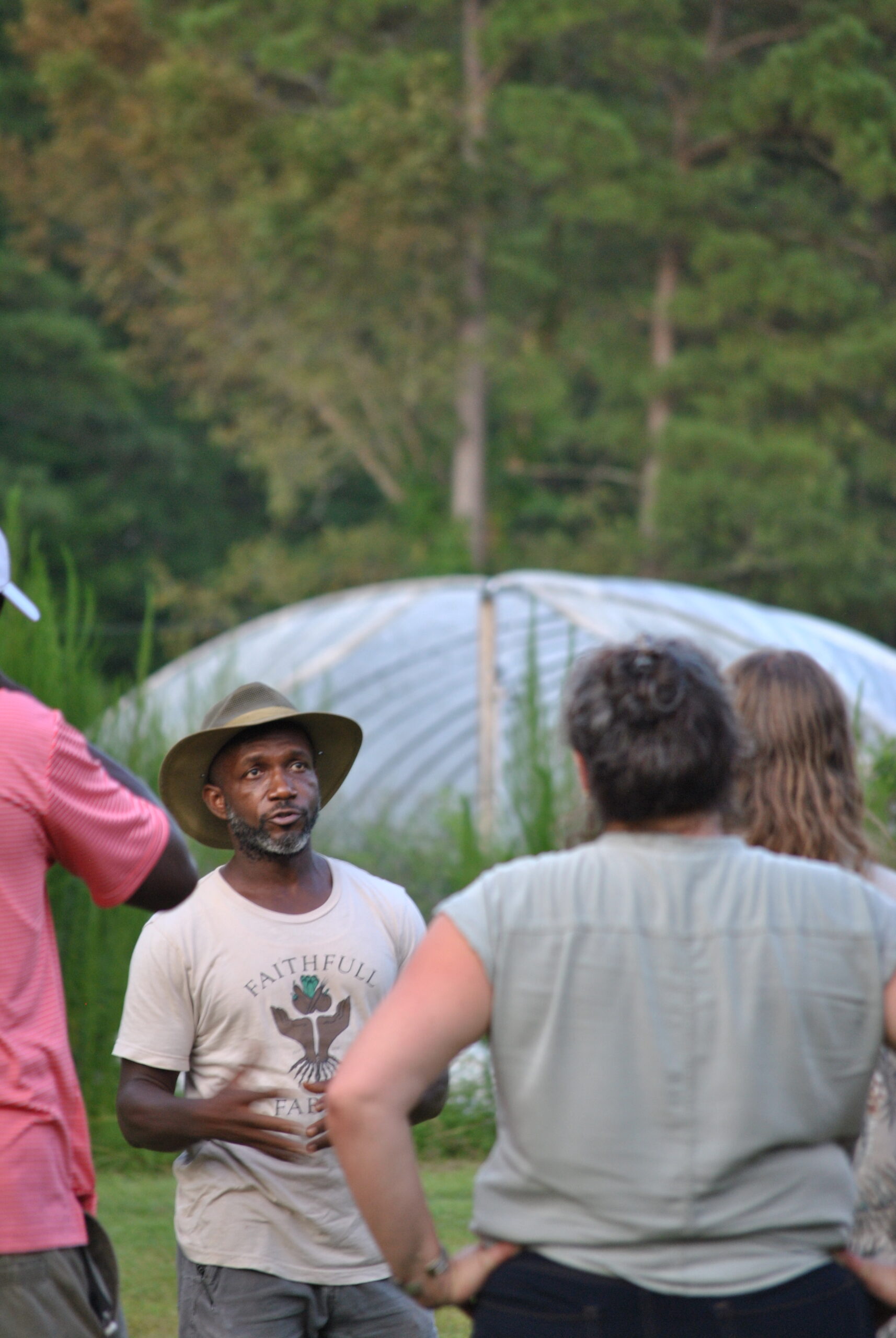
The House recently passed its Farm, Food, and National Security Act of 2026. The National Sustainable Agriculture Coalition (NSAC) opposed the House farm bill as it offered only scattered policy improvements without the resources to fuel them. NSAC surveyed its member organizations to hear farmers’ opinions, with responses ranging from small urban growers to large row crop operations. Farmers in Iowa and Illinois cited reduced funds for Natural Resources Conservation Service (NRCS) programs.
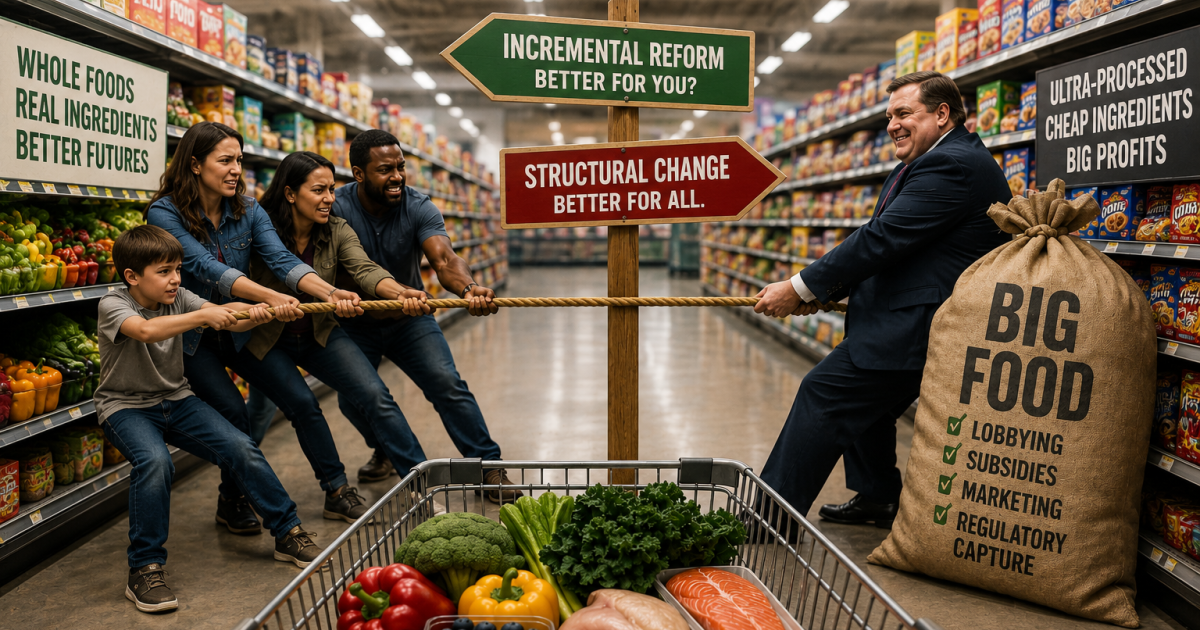
Make America Healthy Again (MAHA) is frustrated with Secretary Kennedy's limited regulatory achievements. MAHA is skeptical about incremental reform of the food system. Food industry spent $1.15 billion on lobbying in the U.S. between 1998 and 2020. Food companies sell "better-for-you" products like Lunchables.
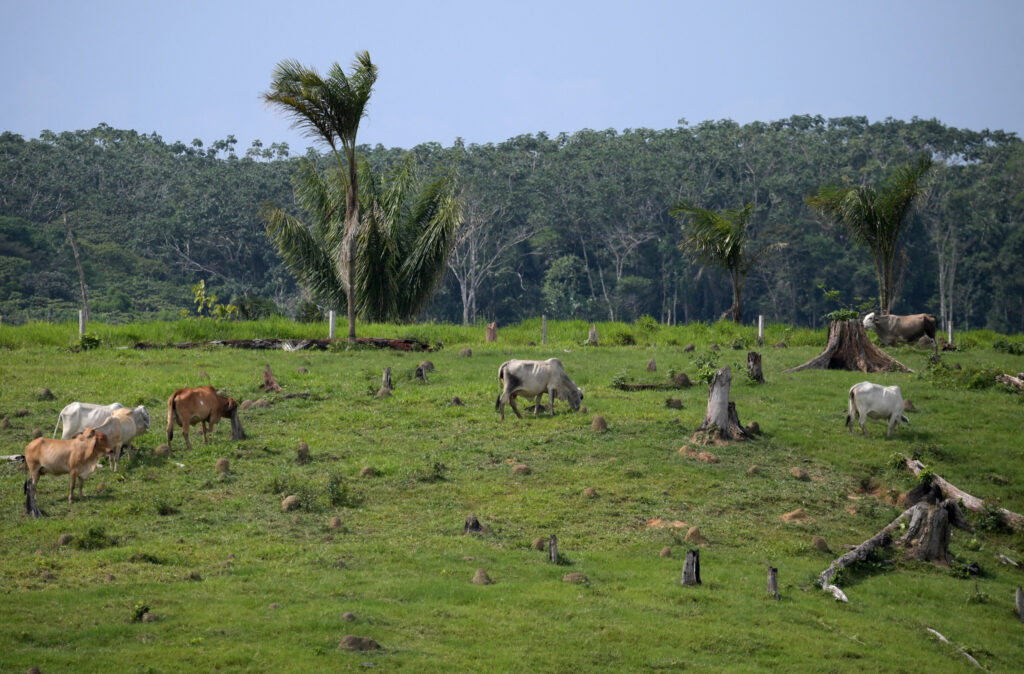
Colombia this month enacted a law to stop deforestation connected to cattle ranching. Livestock production is a leading driver of tree loss in the Amazon rainforest. The law will require that cattle are tracked from their origins all the way to the supermarket. The measure comes as commodity-exporting countries face increasing scrutiny of products tied to deforestation.