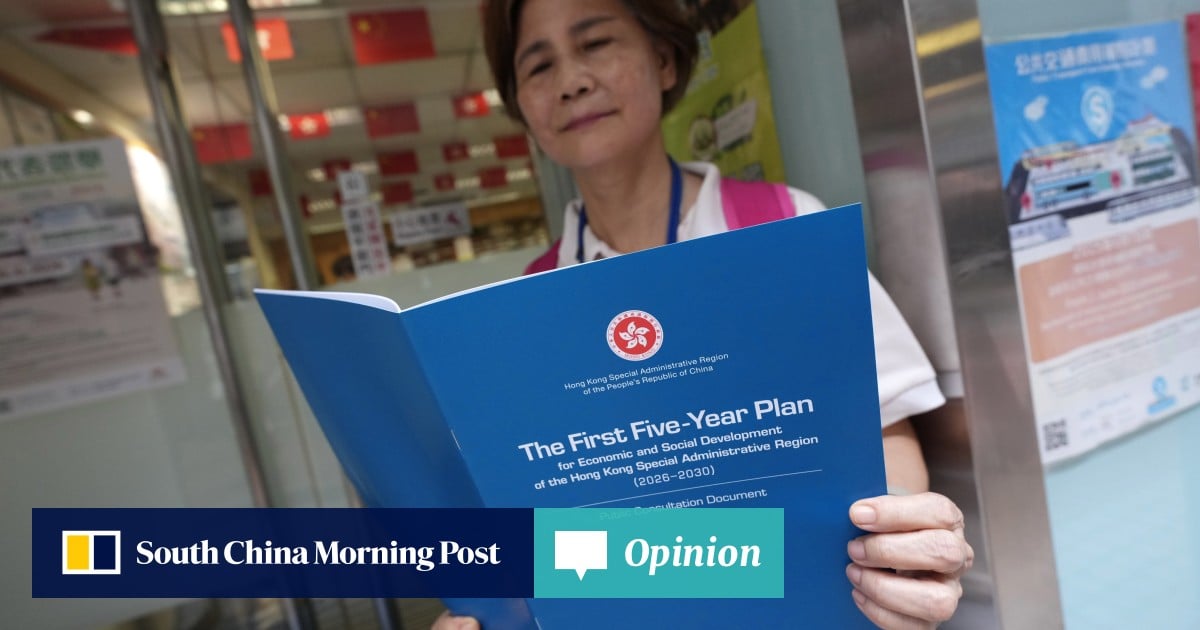
China's five-year plan focuses on high-quality development with moderate but stable growth, technological self-reliance and industrial upgrading, economic rebalancing towards domestic consumption, expansion of smart grids and new energy systems, securing critical supply chains, managing geopolitical volatility and institutionalising long-term national security. The plan is advancing towards the nation's second centenary goal of building a modern socialist country that is prosperous, strong, democratic, culturally advanced and harmonious by 2049.
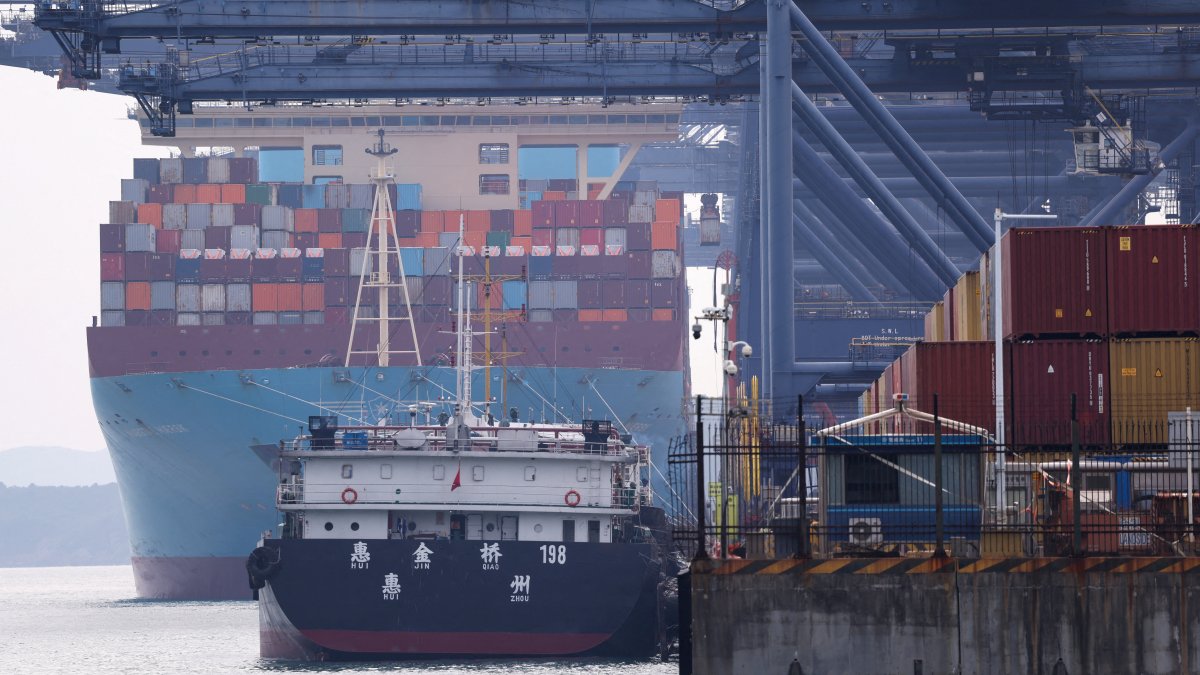
The European Union is considering a fundamental change to its trade policy with China amid a widening trade deficit, rising dependence on strategic sectors and pressure from China’s state-sponsored production model on European industry. The EU's imports from China reached 559.4 billion euros ($695.3 billion) in 2025, while its exports totaled $231.5 billion, marking a record high trade deficit of $417 billion. China's dominance in global trade will be among the topics discussed at the EU leaders' summit in Brussels on Thursday and Friday.

Ursula von der Leyen called for coordinated action among advanced economies to address growing global economic imbalances driven in part by China’s state-led growth model. The EU has already taken steps to counter what it views as unfair competition. European policy analysts estimate that hundreds of product categories are facing pressure from Chinese overcapacity.
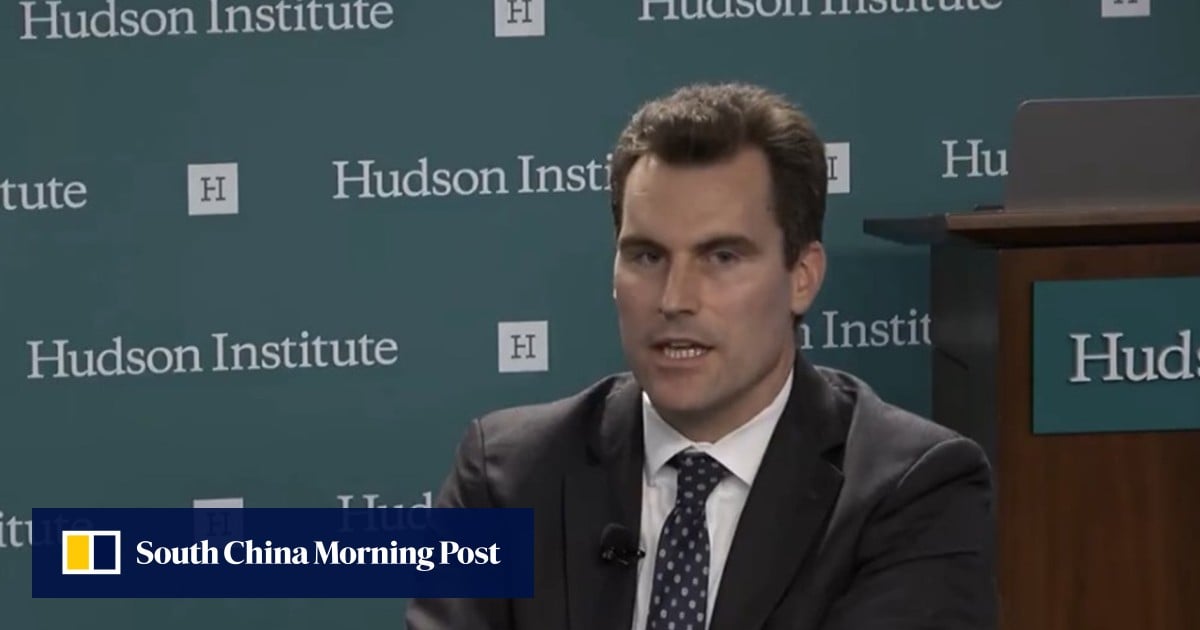
William Kimmitt, the US under secretary of commerce for international trade, criticised China for unfair trade practices. He also criticised the United States for being asleep at the wheel for far too long. Kimmitt was speaking at the Hudson Institute, a Washington-based non-profit conservative think tank.

Shoutro Chatterjee is Assistant Professor of International Economics at the Johns Hopkins University School of Advanced International Studies. Arvind Subramanian is a Senior Fellow at the Peterson Institute for International Economics and served as Chief Economic Adviser to the Government of India from 2014 to 2018. He is a co-author of A Sixth of Humanity: Independent India’s Development Odyssey.

$1.2 billion was spent by the State Department and USAID on programs to counter Chinese influence around the world. The Government Accountability Office found that the interagency working group overseeing the project failed to rely on key stakeholders or regional experts and didn't assess if the programs were effective. The program was cut off in February 2025 under the Trump administration's revamping of all foreign aid.
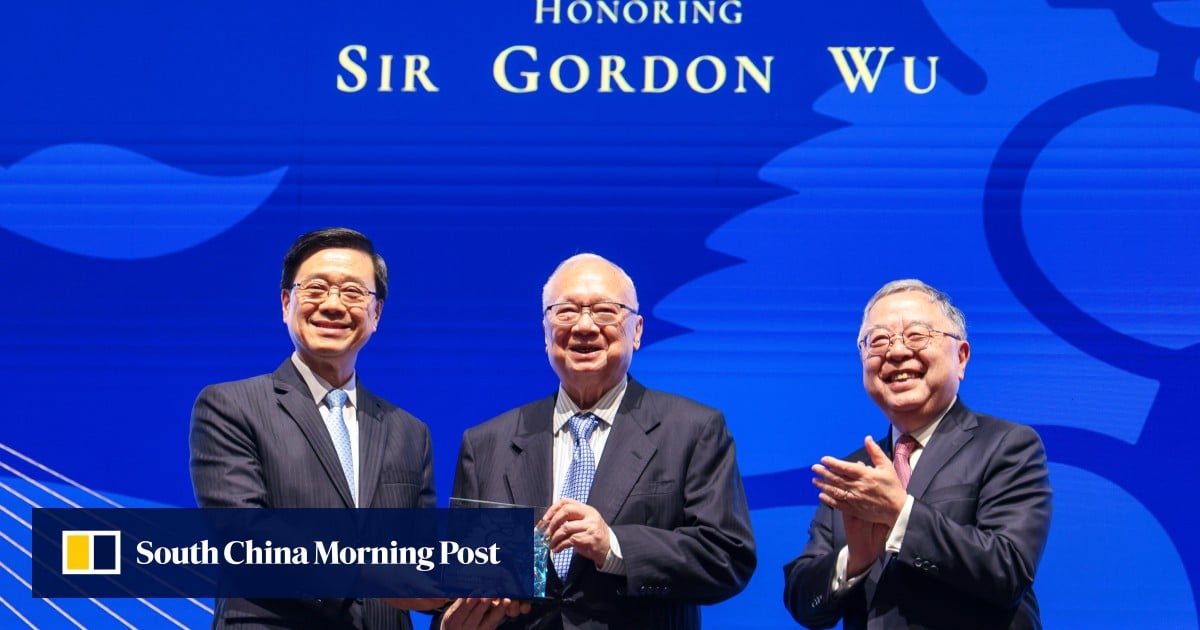
Gordon Wu received the Game Changer Award from the Asia Society for his contributions to the country's development. The 90-year-old founder and chairman of Hopewell Holdings has been betting on China since its opening up in 1978 and is optimistic about the future of the country.
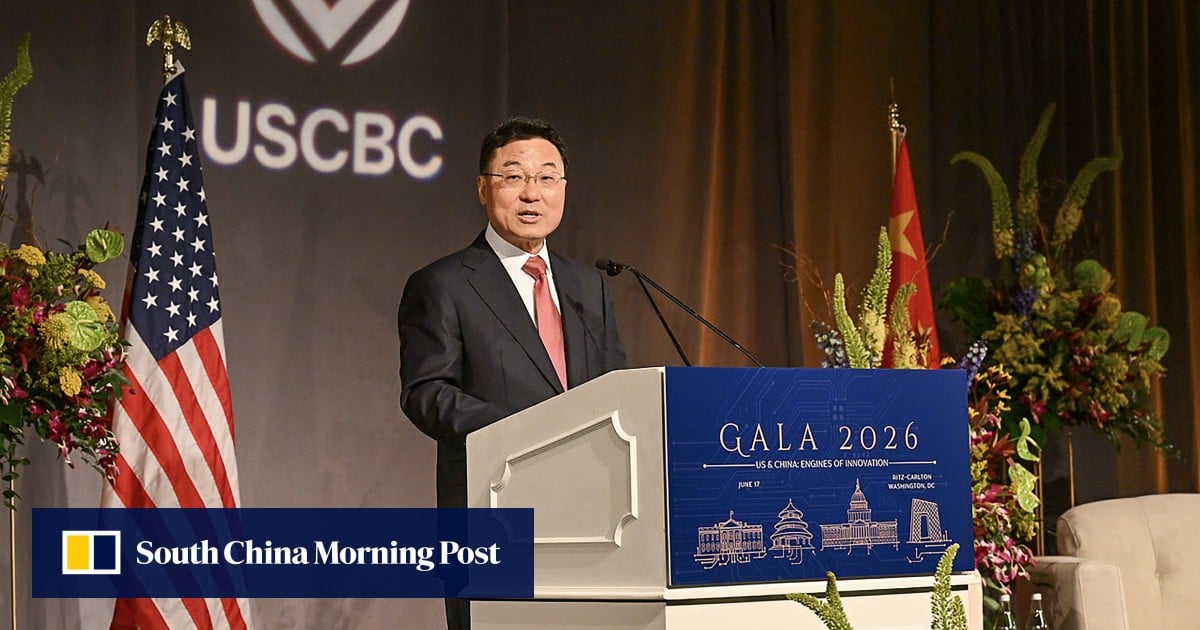
Last week, the US Department of Homeland Security announced a public comment process, calling for a change of direction on the scope and scale of the U.S. Scandalized the view of “many friends from American businesses” that the far-from-big enough is not enough.
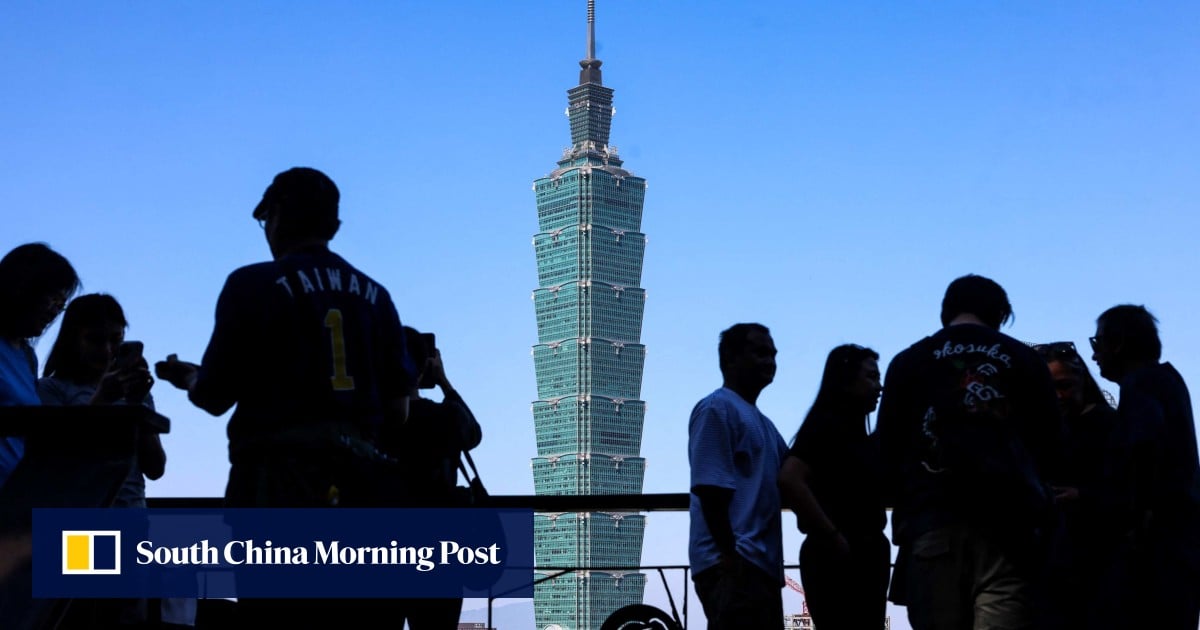
Taiwanese value showing goodwill to the mainland more than deepening cooperation with the United States. The Institute for National Defence and Security Research polled 1,127 Taiwanese residents from May 28 to 31. There are clear differences in views across party supporters, the survey shows.
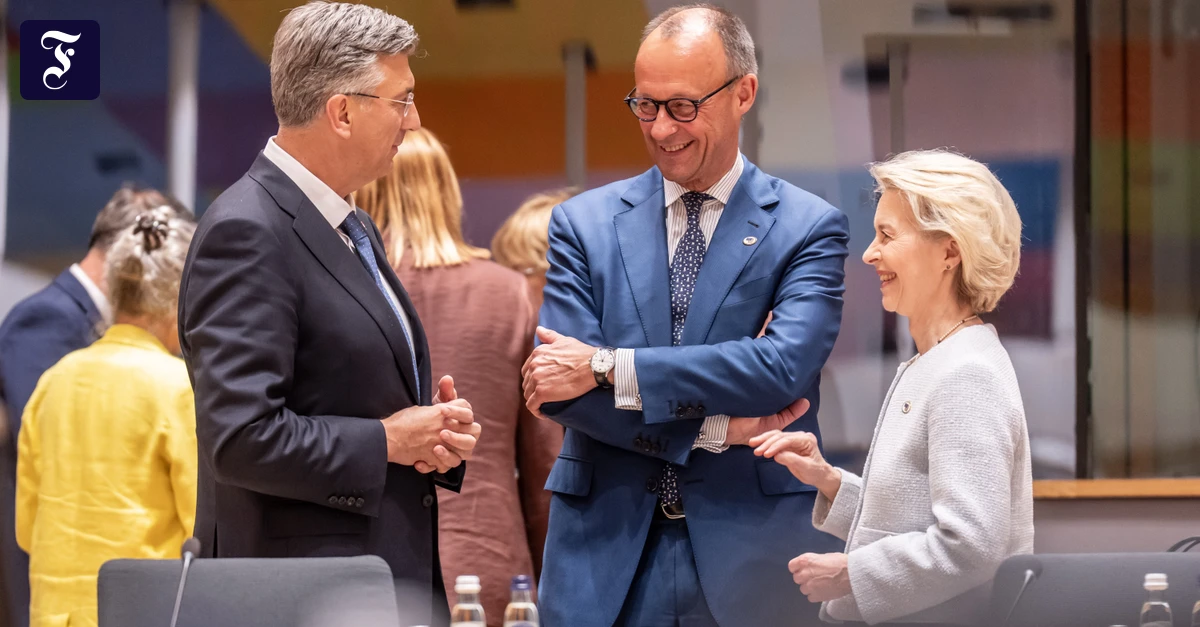
The EU's relationship with China is no longer sustainable. The trade deficit could rise to 500 billion euros in 2027. EU Council President António Costa has put the issue of "China" at the top of the agenda for the June summit. France, Belgium, Poland, the Netherlands, Sweden, Denmark and Lithuania are pushing for a tough course towards China.