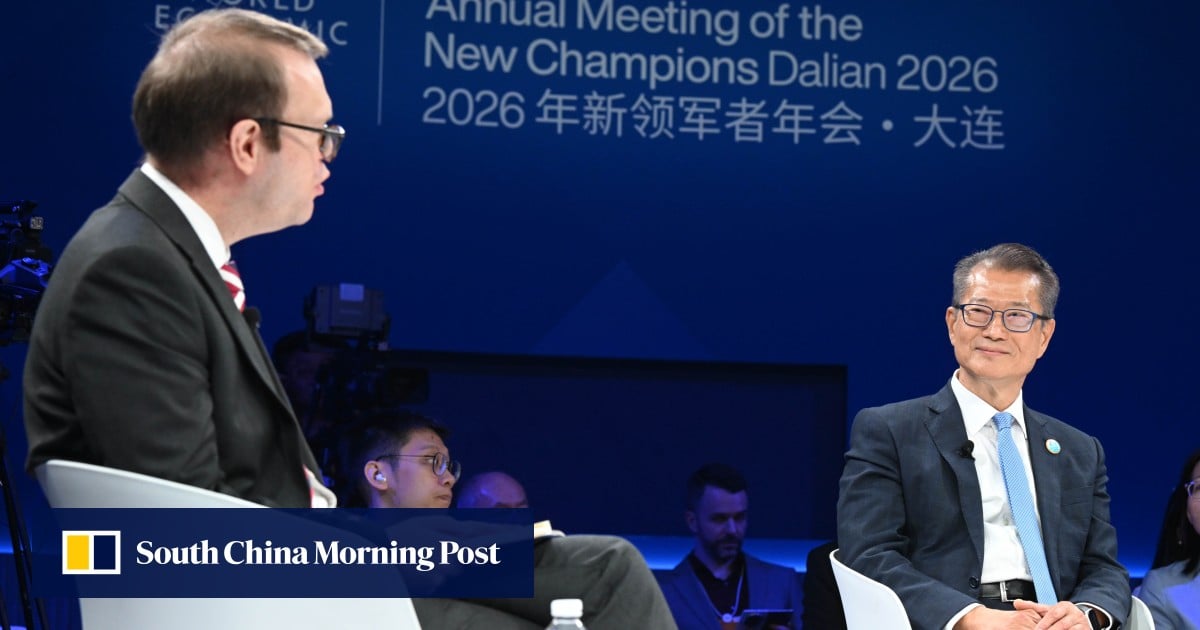
Hong Kong is uniquely positioned to add value to Beijing’s “China Opportunity 2.0” narrative. Financial Secretary Paul Chan Mo-po also identified the Northern Metropolis megaproject as a destination that would empower mainland firms to commercialise their research outcomes and deepen technological development.
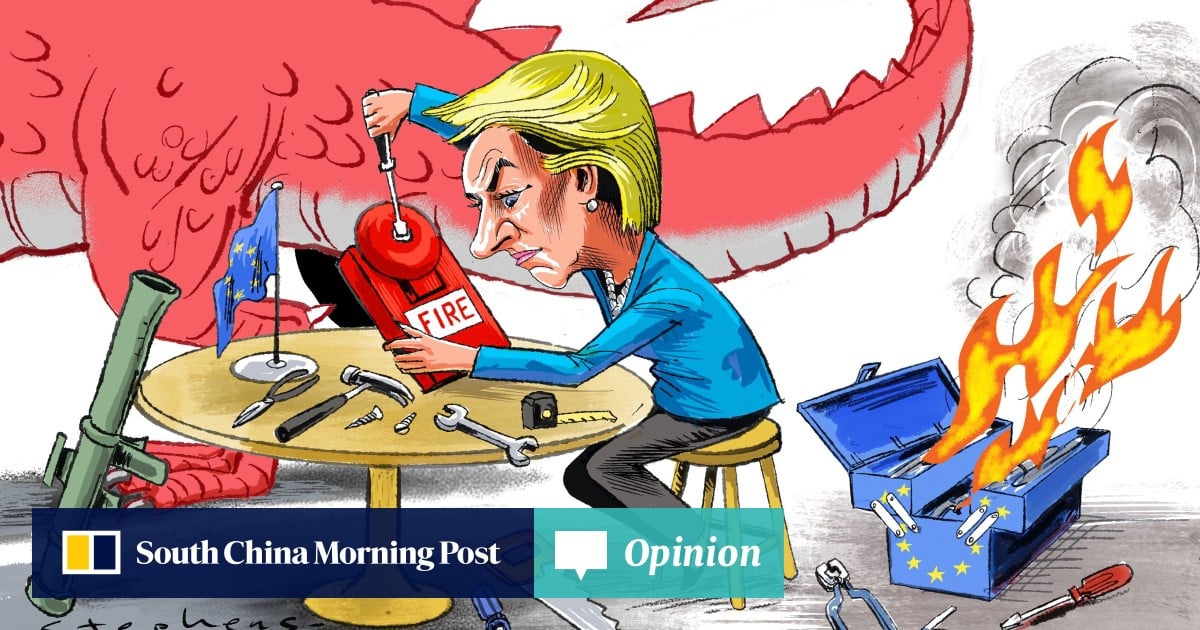
Brussels is looking for a China solution to Europe's malaise. The EU designated China a ‘systemic rival’ in 2019, in the same framework that called it a partner and competitor. Brussels has spent years investigating whether Chinese companies benefited from state support and little time examining how they became efficient.
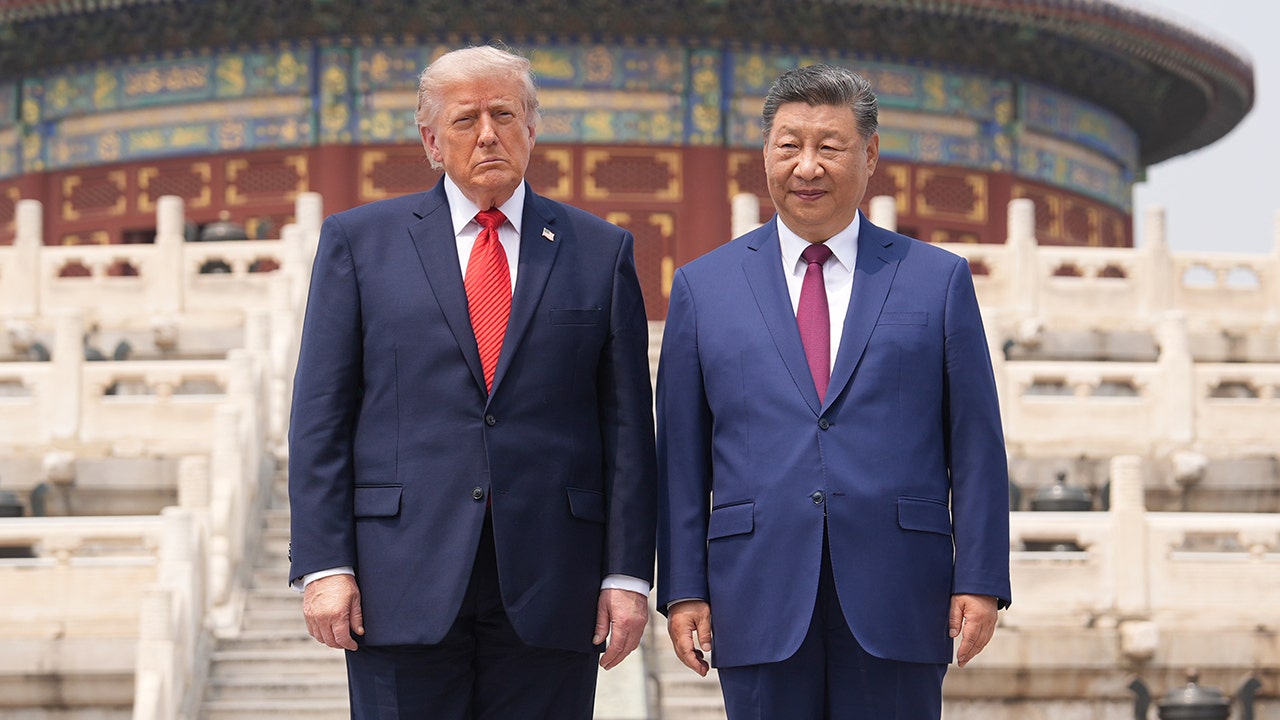
93% of Americans over 65 are concerned about China's ability to spy on the United States, compared with 62% of those ages 18 to 29. Younger Americans are also less likely than seniors to express concern about the use of force against Taiwan, technology theft, purchases of U.S. land, and China's role in the flow of fentanyl into the US. The findings come as Washington and Beijing are trying to stabilize their relationship after years of escalating tensions.
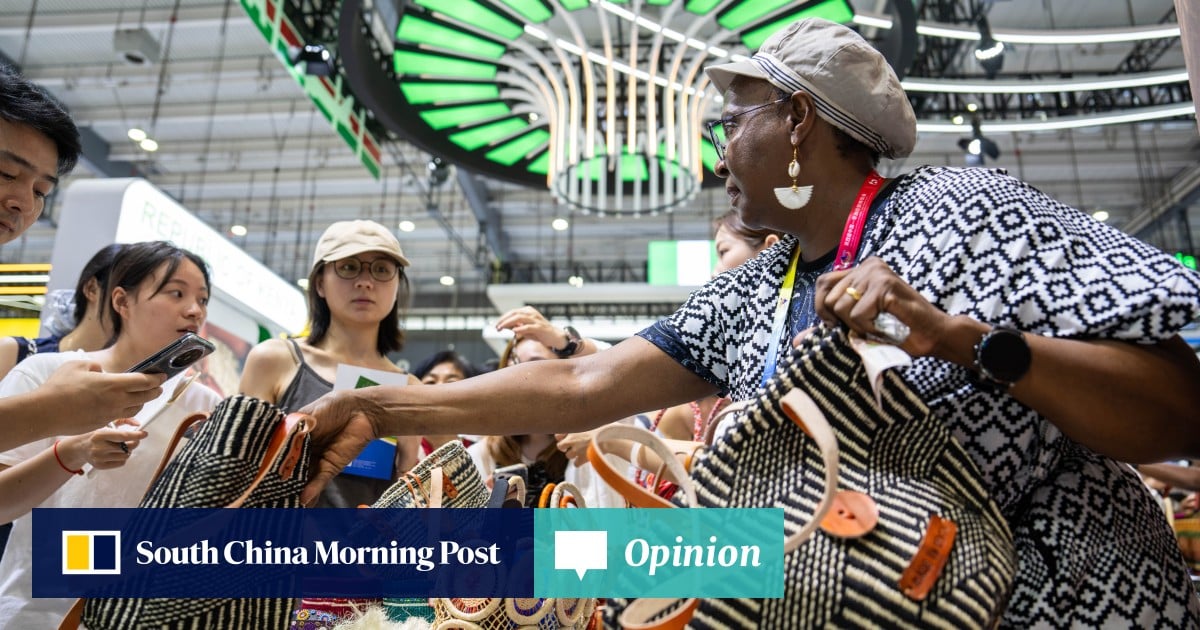
Beijing extended zero-tariff access to most of Africa's economies last month. China-Africa trade reached US$348 billion in 2025. China has removed tariffs on imports from 53 African countries. African exporters are beginning to think about Beijing less as a distant buyer and more as a market that could reshape their margins.

The Law on Promoting Ethnic Unity and Progress was passed in March and takes effect next month. It aims to counter Western ideological influence and provide a statutory mandate for assimilating minority groups. The main weapon of the law is psychological and political pressure. Some analysts argue that applying the law will be difficult because it is too broad and vague.

Hong Kong is investing heavily in artificial intelligence (AI) development, but it's not catching up in the global AI race. In the U.S., tech behemoths are outspending one another to recruit top AI talent and build the most powerful models. Goldman Sachs estimates US$800 billion will be invested in AI by the end of the year.

The U.S. military failed to adapt to modern warfare. The American way of war is unsustainable in not just cost but also in capability. The adversary fails to comprehend the changing objective laws of modern informationized and increasingly intelligentized warfare and the realities of modern defense-industrial supply chains.

The U.S. Trade Representative launched a Section 301 investigation into forced labor in March 2026. Thailand, Vietnam, and the Philippines have not established import prohibition systems. Malaysia and Cambodia have. Malaysia committed to introduce such a system within two years of its 2025 reciprocal trade agreement with the U.,S. entering into force. Cambodia made a similar commitment alongside enhanced labor law enforcement. Thailand and Vietnam remain at the framework agreement stage, leaving room for further negotiation.

Dow Jones Industrial Average gained 0.60% last week. S&P 500 declined 1.95%, Nasdaq Composite fell 4.60%. The primary focus this week will be the June employment report, manufacturing activity, labor market data, and remarks from Federal Reserve Chair Kevin Warsh.
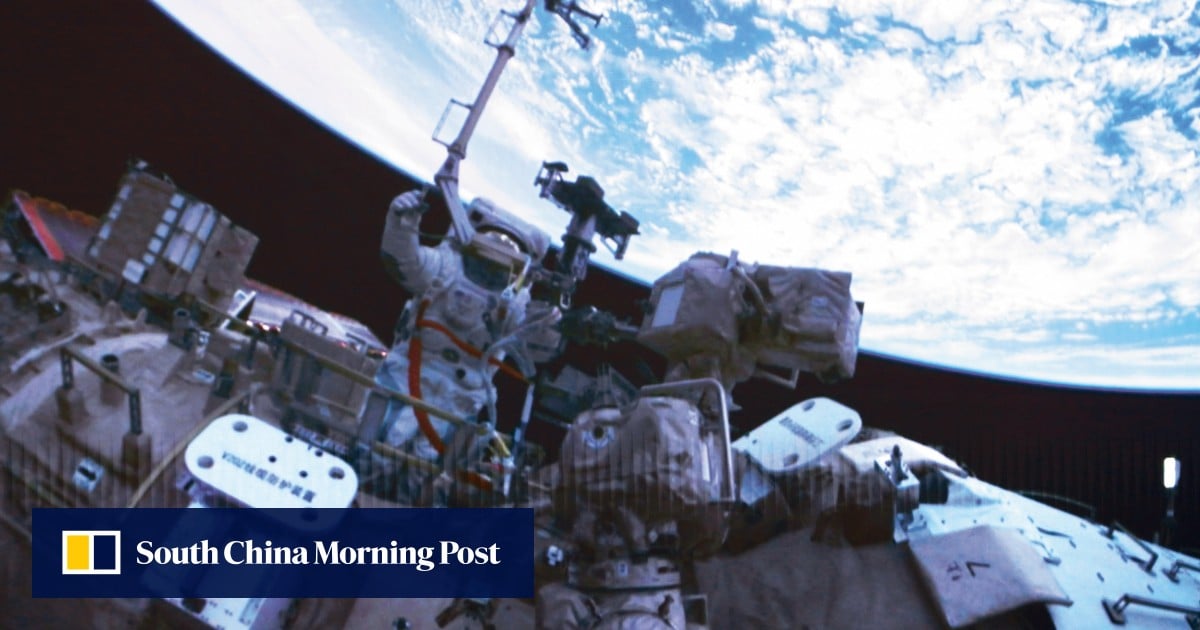
Report from Information Technology and Innovation Foundation says China has already surpassed Russia as America's main competitor in space. It predicts the global space economy could exceed US$1 trillion within the next decade. China has leapfrogged the United States in GPS-style navigation, spy-in-the-sky reconnaissance and the ability to knock satellites out of orbit, according to the report.