
Supreme Court rejected state court claims that conflict with federal statutes. John Durnell brought a "failure-to-warn suit" against Monsanto for failing to include a cancer warning on Roundup’s label, which he claims caused his non-Hodgkin lymphoma (NHL). The case concerns the Federal Insecticide, Fungicide, and Rodenticide Act (FIFRA). FIFRA requires that all pesticides be registered with the EPA and the EPA must approve the pesticide's label. After the EPA approves the label, manufacturers are legally required to use it as is.

The Supreme Court ruled in favor of Bayer, which owns Monsanto. The decision may overturn thousands of pending cases of people suing Bayer in the belief that the herbicide glyphosate (Roundup) caused them to develop non-Hodgkin’s lymphoma. The EPA relied on evidence developed by Monsanto. President Trump's executive order on regenerative agriculture is about biofuel production.
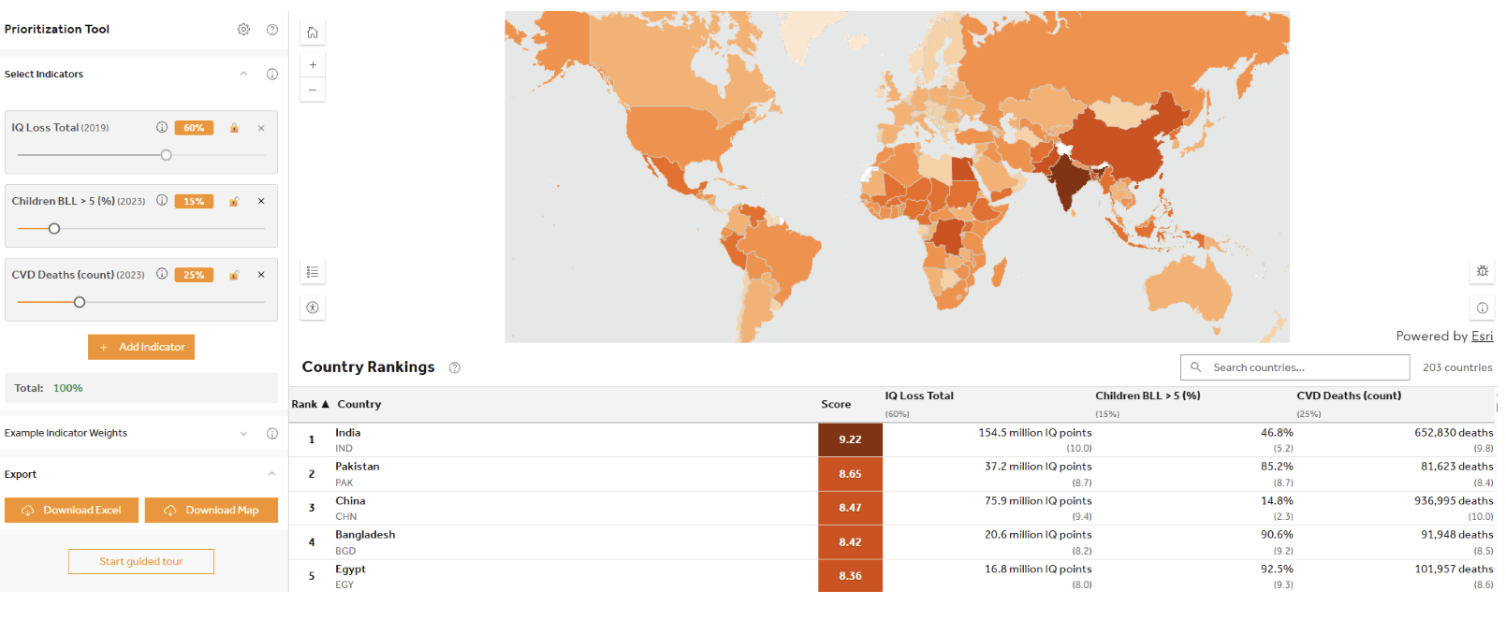
Pure Earth has developed a herramienta de priorización de exposición de plomo. It is estimated that the exposito al plomo causa la muerte de 3.5 millones de personas cada año. The Partnership for a Lead-Free Future has fijado a meta de eliminar the intoxicación by plomo para 2040.

There is "no safe amount" of processed meat to eat, according to nutrition experts. People who eat as little as one hot dog a day have an 11% greater risk of type 2 diabetes and a 7% increased risk of colorectal cancer than those who don't eat any processed meat at all. Drinking the equivalent of about a 12-ounce soda per day increases the risk of ischemic heart disease by 2%.
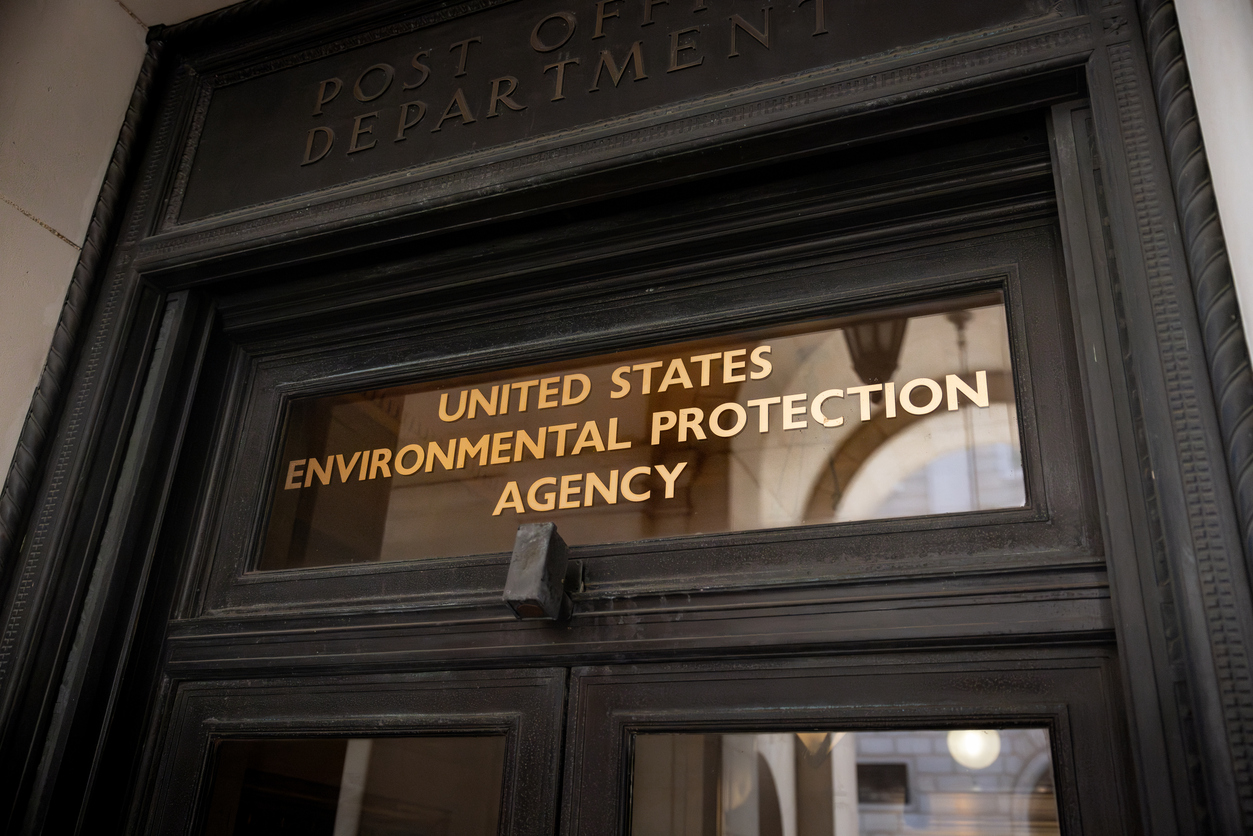
EPA is advancing its review of five chemicals under the Toxic Substances Control Act (TSCA). The chemicals are 1,1,2-trichloroethane, 4,4′-(1-methylethylidene)bis[2,6-dibromophenol] (TBBPA), 1,2,dichloropropane, ethylene dibromide, and trans -1, 2-dichlinoethylene. The underlying science has been sent to the Science Advisory Committee on Chemicals (SACC) for peer review and opening it for public comment.

It's been nearly eight years since Congress reauthorized the farm bill. The bill touches nearly every aspect of agricultural production in the US. It puts billions toward conservation programs, nutrition assistance, rural development, crop insurance, and climate-smart practices. The Senate agricultural committee released a draft of its farm bill that excluded a law known as the Save Our Bacon Act. The act would override state and local laws like California’s Prop 12, which bans the sale of pork, chicken, and veal products that come from farms using the most extreme forms of animal confinement.

There are at least 114 oil field wastewater injection wells in Oklahoma that are located within a half-mile of public water supply wells despite the state rule. The Frontier and ProPublica mapped every injection well in the state to determine how close they are to public water wells. Enid officials are appealing to the same agency that approved the Flying Monkey well to revoke the permit that allows the well to inject wastewater. The city is also asking for stronger protections against pollution from injection.

El Niño is expected to strengthen into a strong or very strong climate driver later this year. The last El Niño in 2023–24 threatened rice supplies. India and China grow more than half of the world's supply of rice. It's a very thirsty crop that needs regular irrigation.
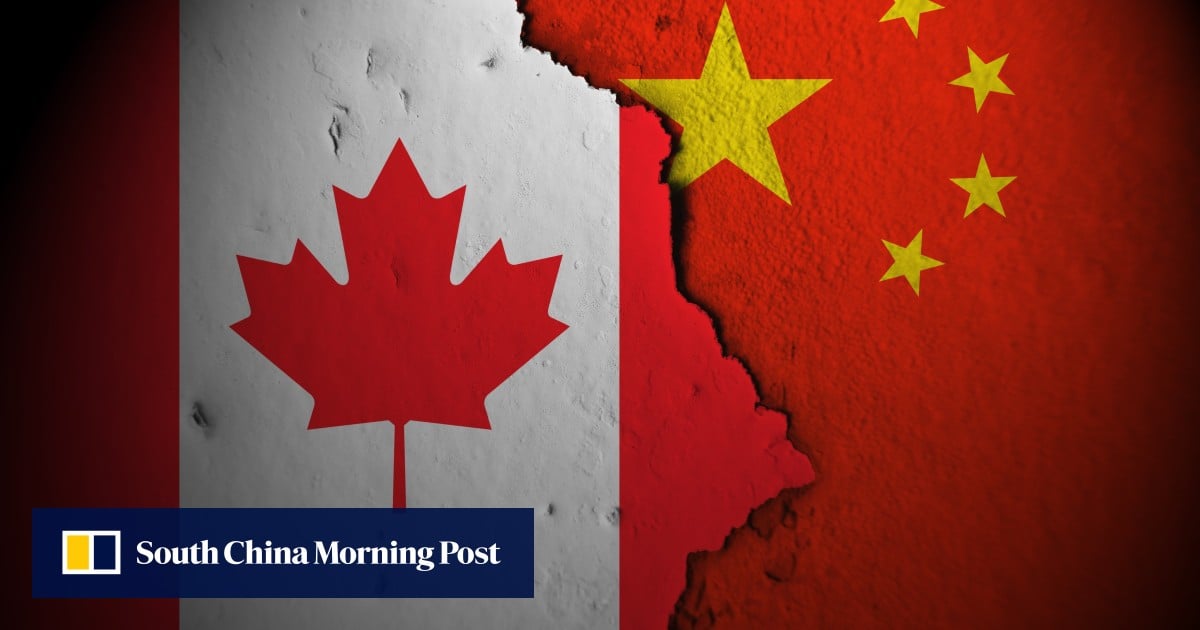
Beijing has found that pea-starch products imported from Canada were dumped in China. The decision follows Ottawa's anti-dumping investigation into Chinese-made steel racks. Importers bringing pea starch from Canada must post cash deposits equivalent to 73.5% of the goods’ customs-assessed value starting on Wednesday.
In the US, 60% of households cook directly with electricity, the rest rely on cheap natural gas delivered via pipeline. In India, most dwellings used kerosene for indoor cooking in the 1990s, but now they use liquefied petroleum gas (LPG). LPG’s affordability and logistical advantages drove rapid market-share gains across much of the country. US shale revolution led to a historic explosion of NGL production, and some 8 million barrels per day (bpd) of the stuff will be brought to the surface in America alone.