
Supreme Court ruled 7-2 in favor of Monsanto v. Durnell, making it harder for farmers who developed cancer after years of exposure to toxic agrochemicals to sue the companies that made them. The ruling lands amid a major awakening over toxins in the food system. The Trump administration sided with the chemical industry in this case.
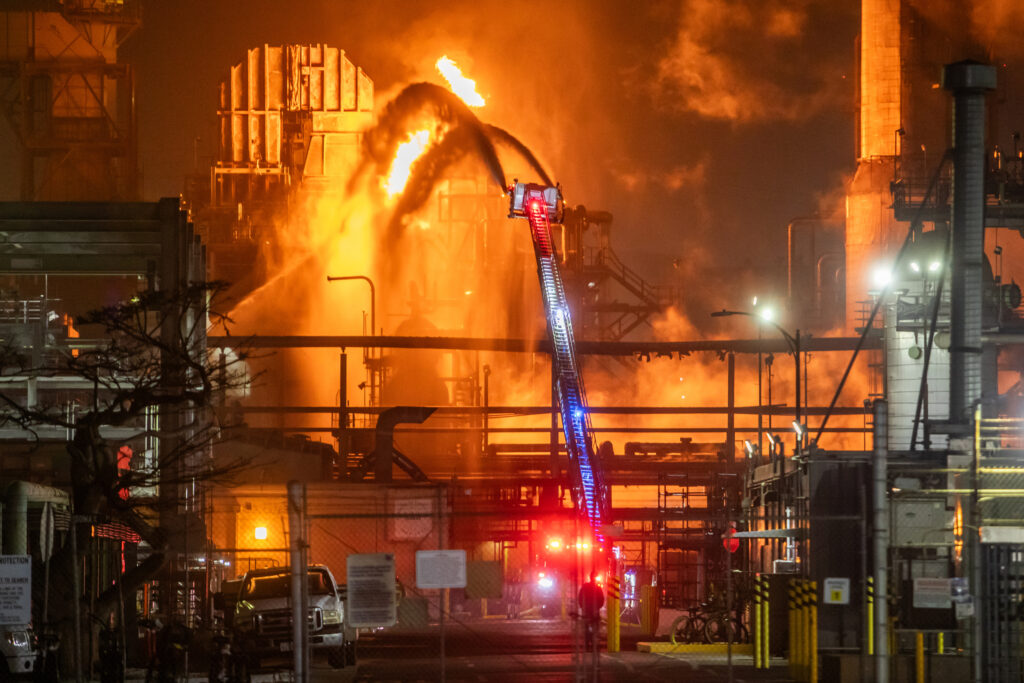
The number of accidents involving releases of dangerous chemicals rose by 57 percent between 2021 and 2025, according to an analysis released Monday by Public Employees for Environmental Responsibility. Ronald Koopman conducted experiments with hydrofluoric acid in the 1980s that warned about the potential of deadly accidents at facilities that use the hazardous materials. The EPA refused to consider PEER's petition to ban hydrogen fluoride.

The terms “synthetic” and “ultra-processed” are widely used as warning labels and marketing strategies. Biology cares about composition, calories, sugar and fiber, not the production method. The body responds to molecules and nutrients, not origin stories or factory steps.
Take this week's quiz to see how well you remember what you read on Mercola.com last week. Follow Dr. Joseph Mercola on Twitter and Facebook for the latest health-related news. Dr. Mercola encourages you to make your own health care decisions based upon your research and in partnership with a qualified health care professional.

Alice Waters has helped define a movement that connects food to culture, education, and ecology. Her work has always transcended the walls of her restaurant Chez Panisse. Today, as climate urgency intensifies, Waters is focusing on what she believes is the most powerful lever for change: schools.

New Jersey's postconsumer recycled content (PCR) mandate is the broadest and most complicated one. Cost and capital are influential for brands' PCR decisions. Ahold Delhaize's own-brand portfolio is roughly 80-90% food and its entire portfolio is food.
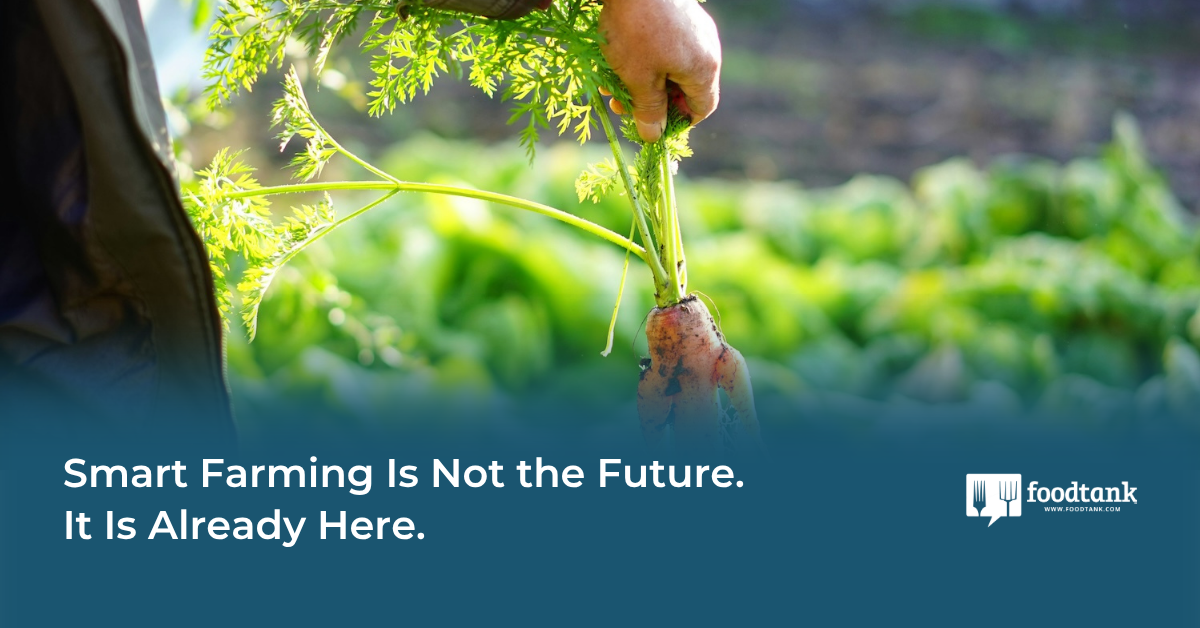
Farmers today are producing food under increasing pressures. Smart farming uses data, digital tools, and precision technologies to make better decisions, use fewer inputs, and get more from every hectare. FAO is hosting a conference on smart farming in Rome from July 1 to 3.

Sarah covers how industries like food and tobacco affect Americans’ bodies and minds. Her interests include ultra-processed foods, smoke-free tobacco, and wellness trends like perimenopause products and peptides. Confidential tips can be sent on Signal at sarahlizchar.47.
Cal-Maine Foods, Versova and Hickman’s Egg Ranch will pay $3.3 million and 53 million eggs to the states. The money will be donated to food banks and nonprofits. The Justice Department and 17 states accused the companies of colluding to inflate the daily price quotations for eggs between June 2022 and March 2025.

Flint Hills Resources’ Pine Bend Refinery is Minnesota’s biggest petroleum refinery and the single largest human-made source of greenhouse gas emissions. Rosemount complex is also the primary supplier of jet fuel to Minneapolis-St. Paul International Airport. In July, Rosemount will commission the United States’ biggest sustainable aviation fuel blending facility outside California. The new unit will mix biofuel derived from crops, animal byproducts and used cooking oil with jet fuel distilled from petroleum.
Supreme Court ruled 7-2 in favor of Monsanto v. Durnell, making it harder for farmers who developed cancer after years of exposure to toxic agrochemicals to sue the companies that made them. The ruling lands amid a major awakening over toxins in the food system. The Trump administration sided with the chemical industry in this case.
The number of accidents involving releases of dangerous chemicals rose by 57 percent between 2021 and 2025, according to an analysis released Monday by Public Employees for Environmental Responsibility. Ronald Koopman conducted experiments with hydrofluoric acid in the 1980s that warned about the potential of deadly accidents at facilities that use the hazardous materials. The EPA refused to consider PEER's petition to ban hydrogen fluoride.
The terms “synthetic” and “ultra-processed” are widely used as warning labels and marketing strategies. Biology cares about composition, calories, sugar and fiber, not the production method. The body responds to molecules and nutrients, not origin stories or factory steps.
Take this week's quiz to see how well you remember what you read on Mercola.com last week. Follow Dr. Joseph Mercola on Twitter and Facebook for the latest health-related news. Dr. Mercola encourages you to make your own health care decisions based upon your research and in partnership with a qualified health care professional.
Alice Waters has helped define a movement that connects food to culture, education, and ecology. Her work has always transcended the walls of her restaurant Chez Panisse. Today, as climate urgency intensifies, Waters is focusing on what she believes is the most powerful lever for change: schools.
New Jersey's postconsumer recycled content (PCR) mandate is the broadest and most complicated one. Cost and capital are influential for brands' PCR decisions. Ahold Delhaize's own-brand portfolio is roughly 80-90% food and its entire portfolio is food.
Farmers today are producing food under increasing pressures. Smart farming uses data, digital tools, and precision technologies to make better decisions, use fewer inputs, and get more from every hectare. FAO is hosting a conference on smart farming in Rome from July 1 to 3.
Sarah covers how industries like food and tobacco affect Americans’ bodies and minds. Her interests include ultra-processed foods, smoke-free tobacco, and wellness trends like perimenopause products and peptides. Confidential tips can be sent on Signal at sarahlizchar.47.
Cal-Maine Foods, Versova and Hickman’s Egg Ranch will pay $3.3 million and 53 million eggs to the states. The money will be donated to food banks and nonprofits. The Justice Department and 17 states accused the companies of colluding to inflate the daily price quotations for eggs between June 2022 and March 2025.
Flint Hills Resources’ Pine Bend Refinery is Minnesota’s biggest petroleum refinery and the single largest human-made source of greenhouse gas emissions. Rosemount complex is also the primary supplier of jet fuel to Minneapolis-St. Paul International Airport. In July, Rosemount will commission the United States’ biggest sustainable aviation fuel blending facility outside California. The new unit will mix biofuel derived from crops, animal byproducts and used cooking oil with jet fuel distilled from petroleum.