
Xi gave a speech at a grand ceremony in Beijing’s Great Hall of the People. He called for military modernisation and urged the PLA to achieve its goals for the centenary, which lands on August 1, 2027. He also called for deeper cross-strait exchanges, cooperation and integrated development.
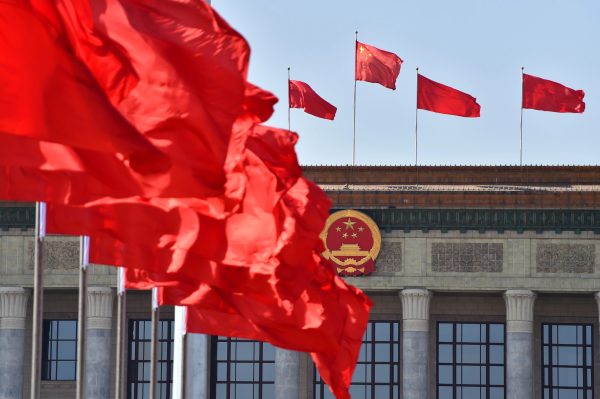
China is trying to convince the world that it is open for business. Xi Jinping has told world leaders that China will continue to promote high-quality development and expand high-standard opening-up in the next five years. Xi met with members of a high-level business delegation from the U.S. on the occasion of a state visit to China by President Donald Trump. China has issued new laws and decrees that impact the degree to which Chinese citizens are obligated to act as informants to the government. New laws would dampen the enthusiasm of foreign companies to invest in China.

Miles Yu is warning that academic exchanges between the United States and China have become one-sided. He argues that the Chinese Communist Party (CCP) is exploiting the openness of American universities while denying freedoms and reciprocity to U.S. scholars. Yu also criticizes what he describes as a growing tendency among some China analysts to interpret nearly every deterioration in relations through the lens of American responsibility.
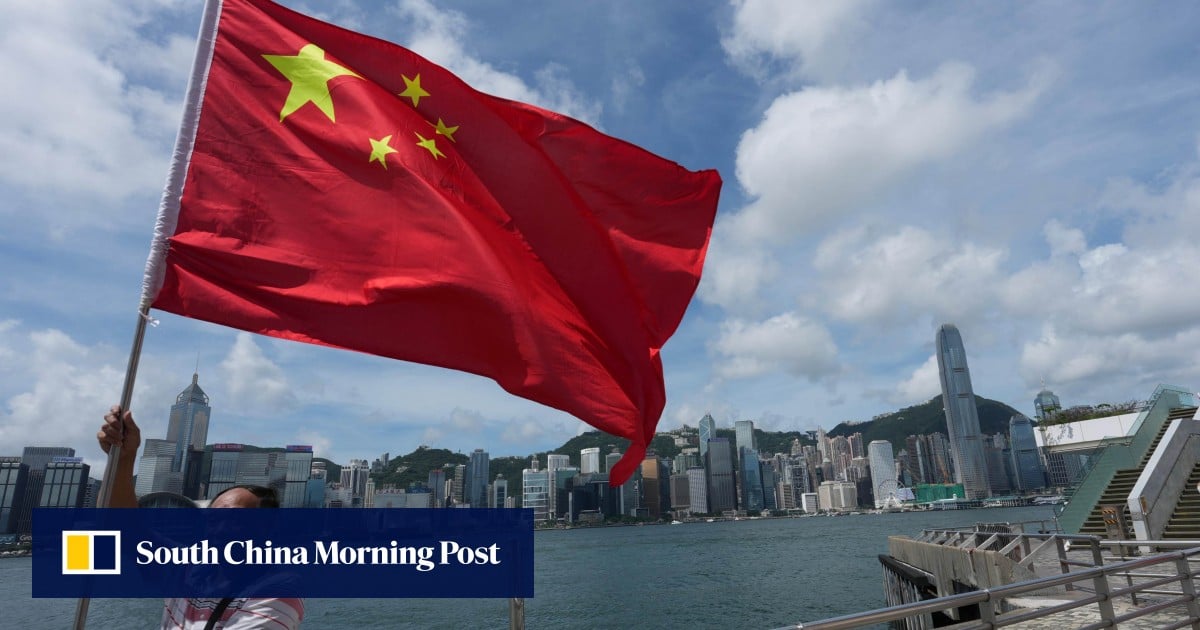
John Lee Ka-chiu is celebrating the 29th anniversary of the return of Hong Kong to Chinese rule and the 105th year of the founding of the Communist Party. He also set priorities for the final year of his five-year term. He wants to strengthen the city’s competitiveness by cementing its status as an international financial, trade and shipping centre, while developing it into a global hub for innovation and technology.
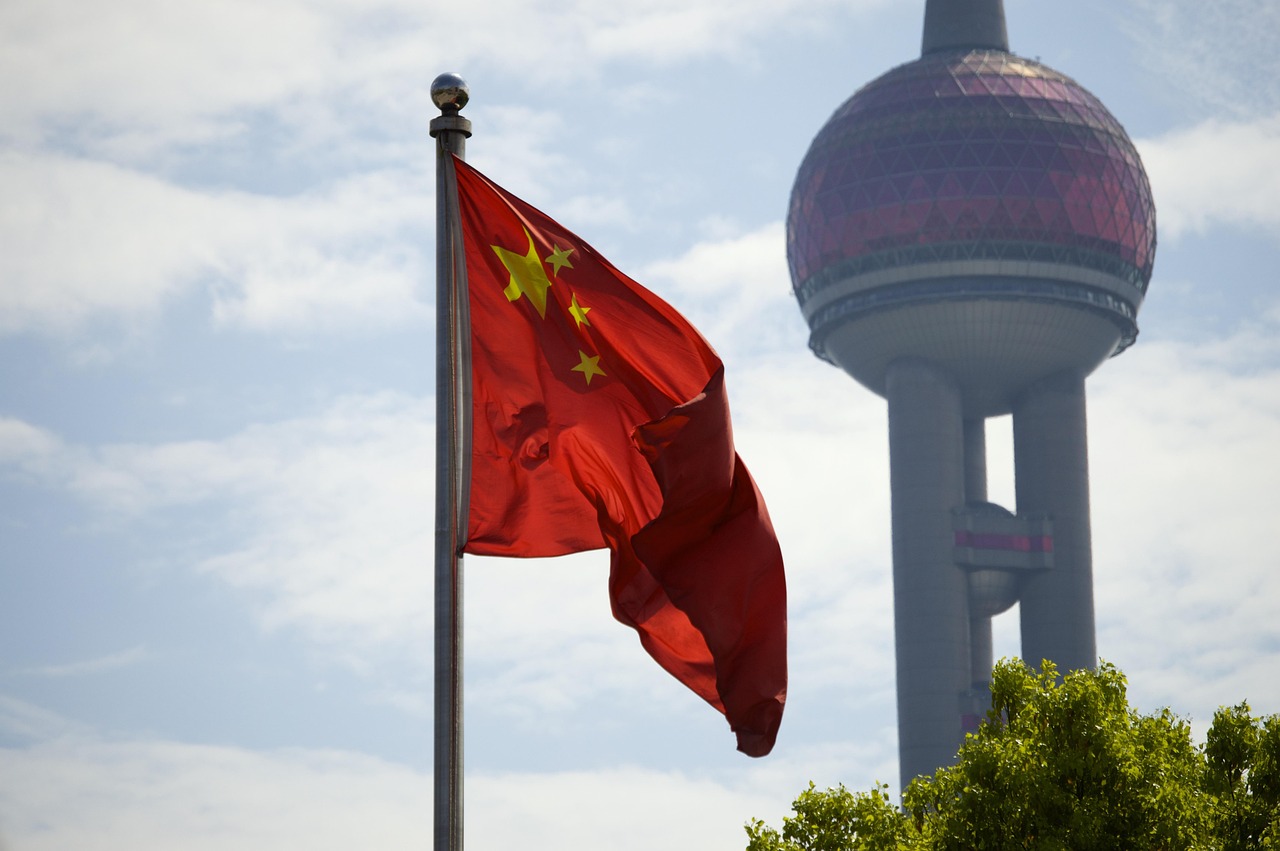
Beijing intensifies its scrutiny of investments overseas with broad "national security" regulations taking effect from Wednesday. Beijing sees fields such as artificial intelligence, computer chips and green technology as economically and strategically vital. Some investors worry they will restrict the ability of China’s tech ecosystem to access global markets.
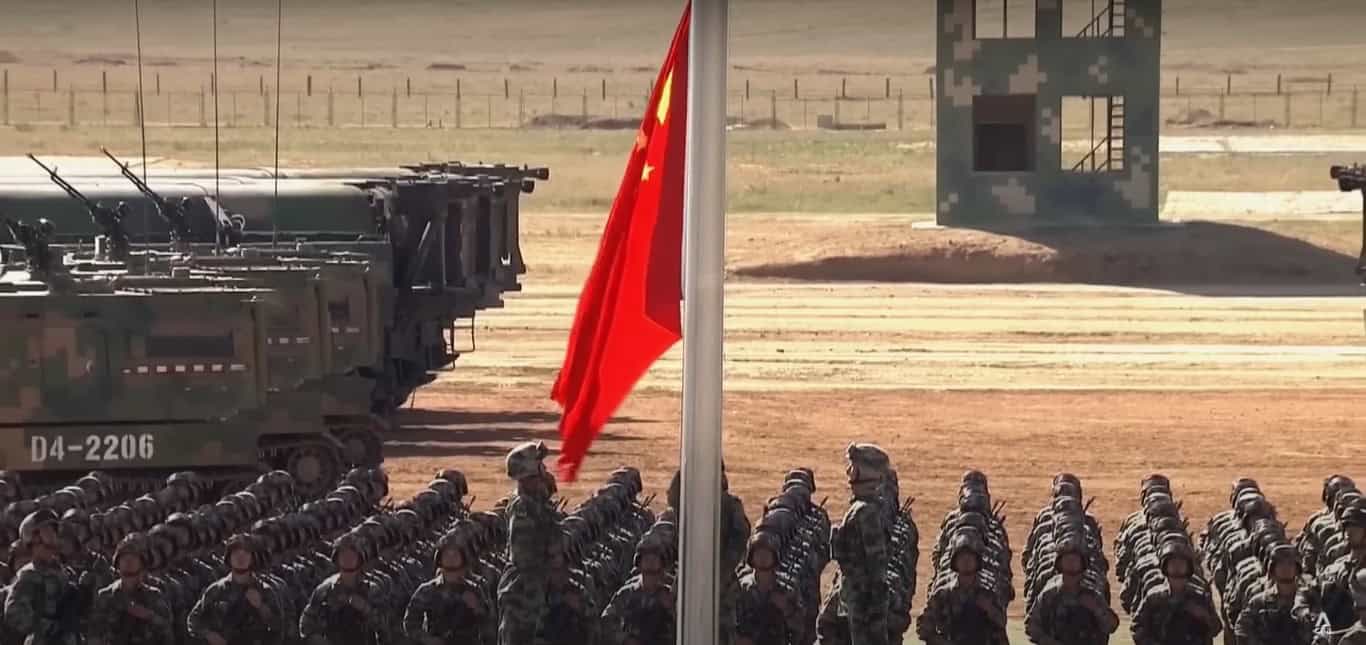
Chinese President Xi Jinping vows to strengthen and modernise the military and stamp out corruption within the ruling Communist Party. Analysts have questioned the ability of China's armed forces to fight effectively since Xi's sweeping anti-graft campaign gutted its top ranks. Xi also reiterated his commitment to see China gain control of Taiwan.

We use cookies to tailor your experience and present relevant ads. By clicking “”, you agree that cookies can be placed per our Privacy Policy and that they can be tailored to suit your needs. . .
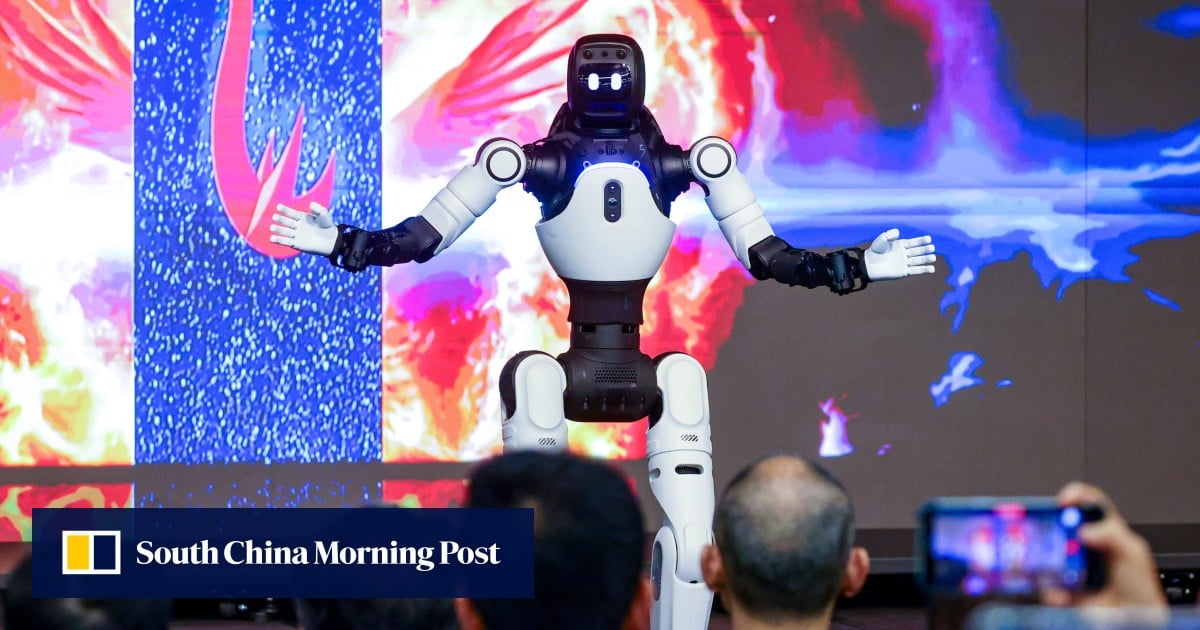
Hong Kong marks the 29th anniversary of its return to Chinese rule on July 1. The city is preparing for a paradigm shift by developing proprietary large language models (LLMs), launching artificial intelligence (AI) projects for public use, and rolling out a HK$50 million (US$6.37 million) universal education programme.
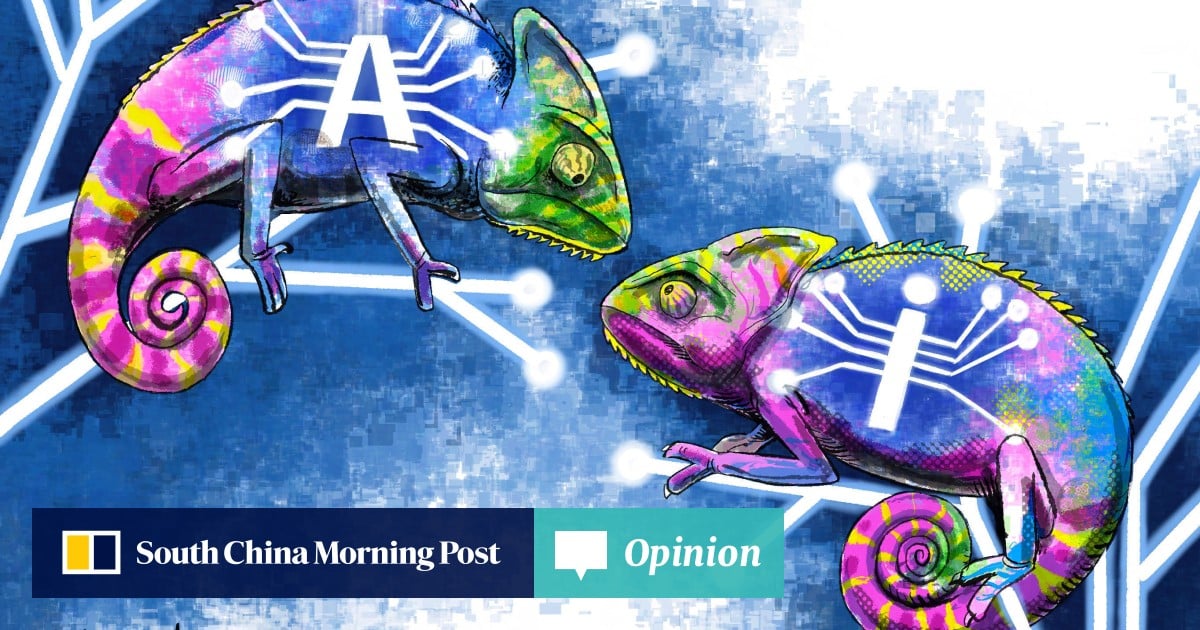
Technology has changed the nature of geopolitical competition. The decisive advantage belongs to those that learn, innovate and adapt more effectively than their competitors. This is how the strategic competition between the United States and China should be understood. Great powers don't necessarily lose their position because of a stronger rival. They weaken due to domestic institutions struggling to adapt.
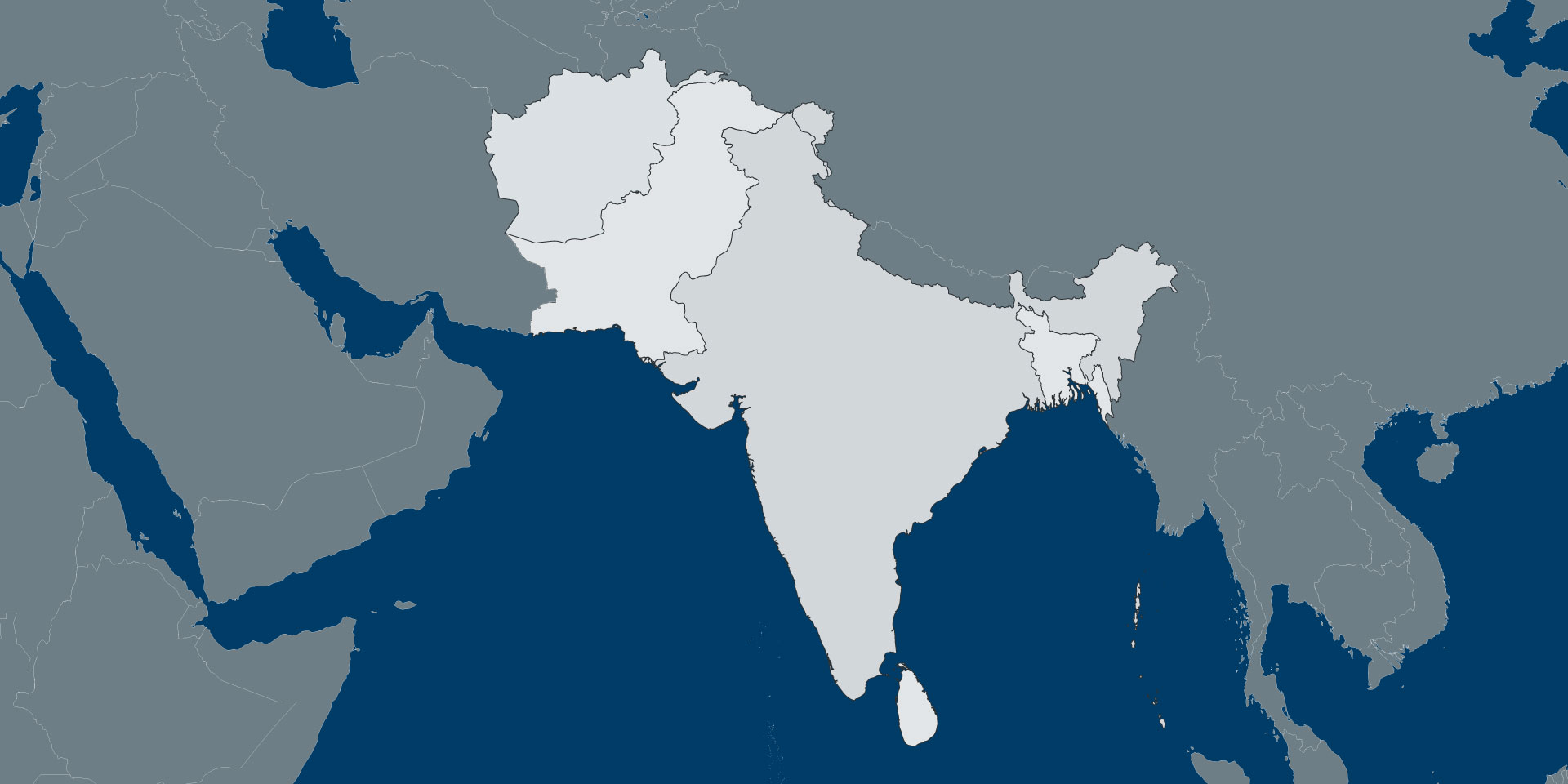
Geopolitical Futures is a free newsletter with weekly analysis from New York Times bestselling author George Friedman and a global team of analysts. It includes special offers and reports on Turkey, Iran, and the future of the Middle East. Sign up now to receive the special report on Turkey and Iran.
Xi gave a speech at a grand ceremony in Beijing’s Great Hall of the People. He called for military modernisation and urged the PLA to achieve its goals for the centenary, which lands on August 1, 2027. He also called for deeper cross-strait exchanges, cooperation and integrated development.
China is trying to convince the world that it is open for business. Xi Jinping has told world leaders that China will continue to promote high-quality development and expand high-standard opening-up in the next five years. Xi met with members of a high-level business delegation from the U.S. on the occasion of a state visit to China by President Donald Trump. China has issued new laws and decrees that impact the degree to which Chinese citizens are obligated to act as informants to the government. New laws would dampen the enthusiasm of foreign companies to invest in China.
Miles Yu is warning that academic exchanges between the United States and China have become one-sided. He argues that the Chinese Communist Party (CCP) is exploiting the openness of American universities while denying freedoms and reciprocity to U.S. scholars. Yu also criticizes what he describes as a growing tendency among some China analysts to interpret nearly every deterioration in relations through the lens of American responsibility.
John Lee Ka-chiu is celebrating the 29th anniversary of the return of Hong Kong to Chinese rule and the 105th year of the founding of the Communist Party. He also set priorities for the final year of his five-year term. He wants to strengthen the city’s competitiveness by cementing its status as an international financial, trade and shipping centre, while developing it into a global hub for innovation and technology.
Beijing intensifies its scrutiny of investments overseas with broad "national security" regulations taking effect from Wednesday. Beijing sees fields such as artificial intelligence, computer chips and green technology as economically and strategically vital. Some investors worry they will restrict the ability of China’s tech ecosystem to access global markets.
Chinese President Xi Jinping vows to strengthen and modernise the military and stamp out corruption within the ruling Communist Party. Analysts have questioned the ability of China's armed forces to fight effectively since Xi's sweeping anti-graft campaign gutted its top ranks. Xi also reiterated his commitment to see China gain control of Taiwan.
We use cookies to tailor your experience and present relevant ads. By clicking “”, you agree that cookies can be placed per our Privacy Policy and that they can be tailored to suit your needs. . .
Hong Kong marks the 29th anniversary of its return to Chinese rule on July 1. The city is preparing for a paradigm shift by developing proprietary large language models (LLMs), launching artificial intelligence (AI) projects for public use, and rolling out a HK$50 million (US$6.37 million) universal education programme.
Technology has changed the nature of geopolitical competition. The decisive advantage belongs to those that learn, innovate and adapt more effectively than their competitors. This is how the strategic competition between the United States and China should be understood. Great powers don't necessarily lose their position because of a stronger rival. They weaken due to domestic institutions struggling to adapt.
Geopolitical Futures is a free newsletter with weekly analysis from New York Times bestselling author George Friedman and a global team of analysts. It includes special offers and reports on Turkey, Iran, and the future of the Middle East. Sign up now to receive the special report on Turkey and Iran.