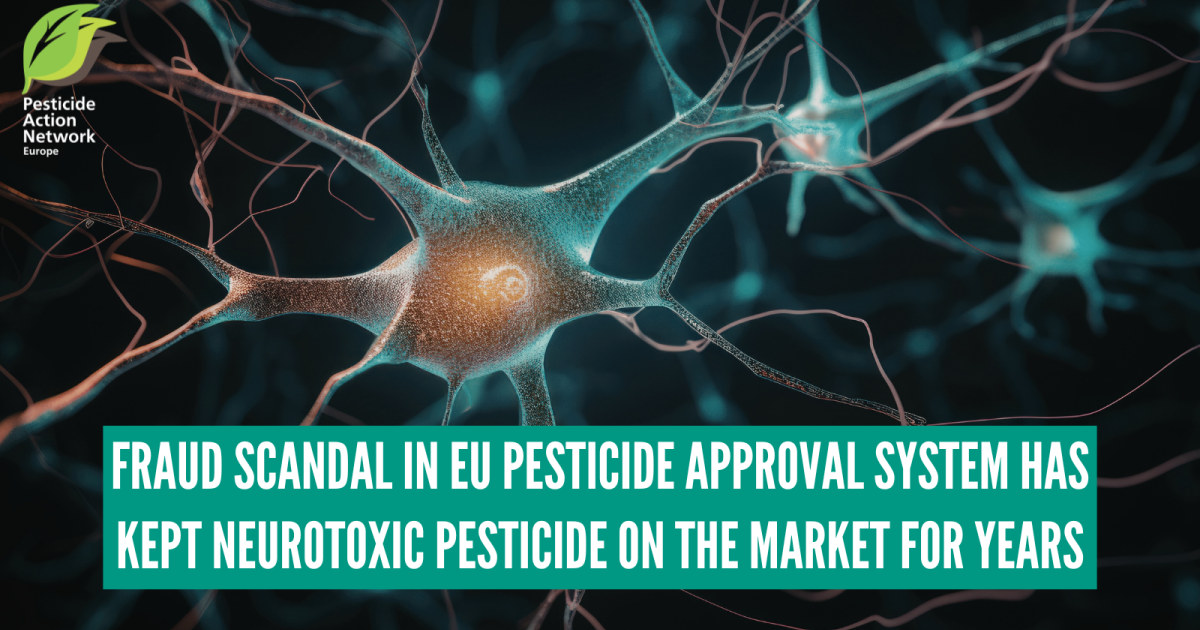
The fungicide fluazinam can harm brain development, but the evidence was effectively hidden from regulators for more than a decade. The study was never submitted by the manufacturer, ISK Biosciences Europe, during the 2009 EU renewal process. It raises questions about a regulatory system that relies heavily on industry-funded studies and their own conclusions.
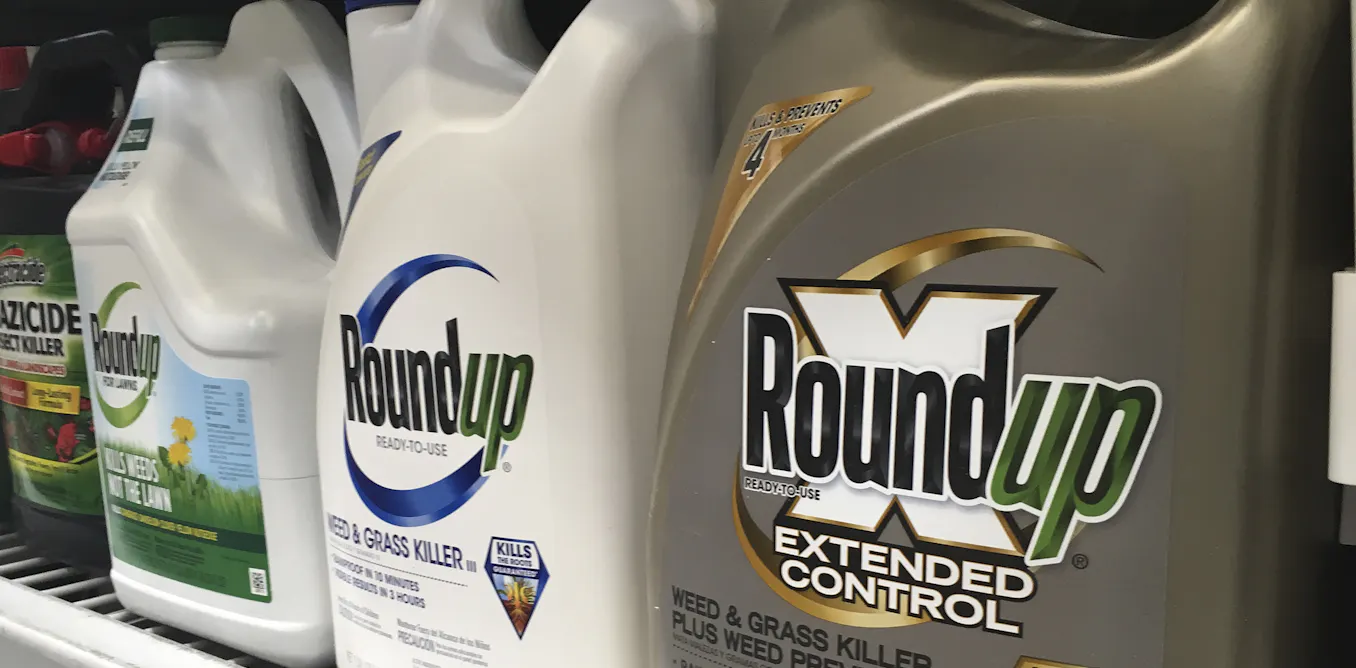
The Supreme Court ruled on June 25, 2026 that states cannot hold a pesticide manufacturer liable in court for failing to warn consumers about cancer risks. The EPA has allowed glyphosate-based weed killers to remain on the market without a cancer warning on their labels. Several U.S. lawsuits have used the 2015 report to win legal cases claiming that Monsanto failed to warn them of the chemical's dangers.
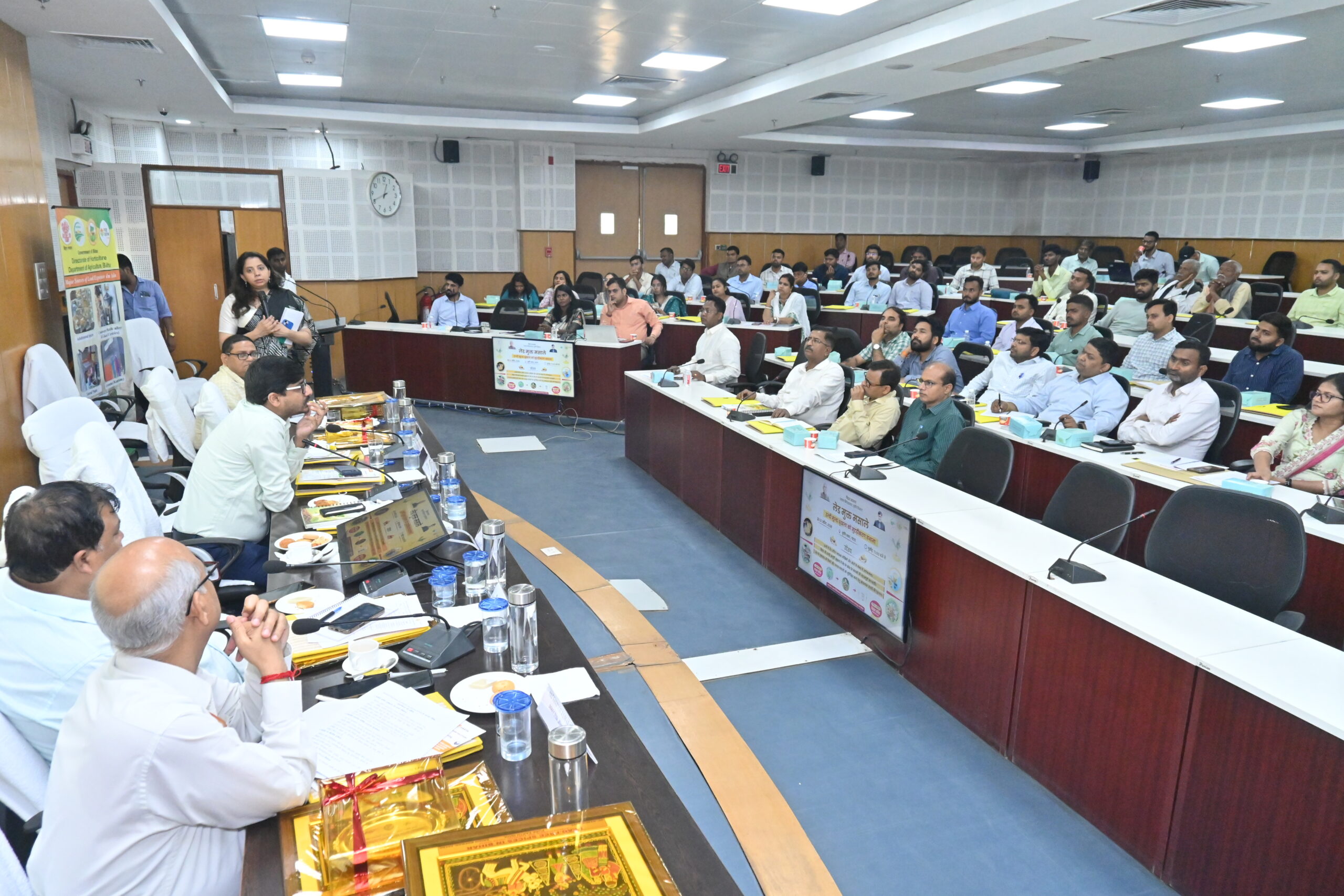
Bihar recorded the highest average blood lead level in India in 2022 CSIR–NITI Aayog report — 10.42 µg/dL. 90% of children under 5 years and 80% of pregnant women tested recorded high levels of lead in their blood. Over 50% of turmeric samples tested exceeded regulatory limits. Turmeric showed the highest contamination, with some samples exceeding permissible limits by 400 times.
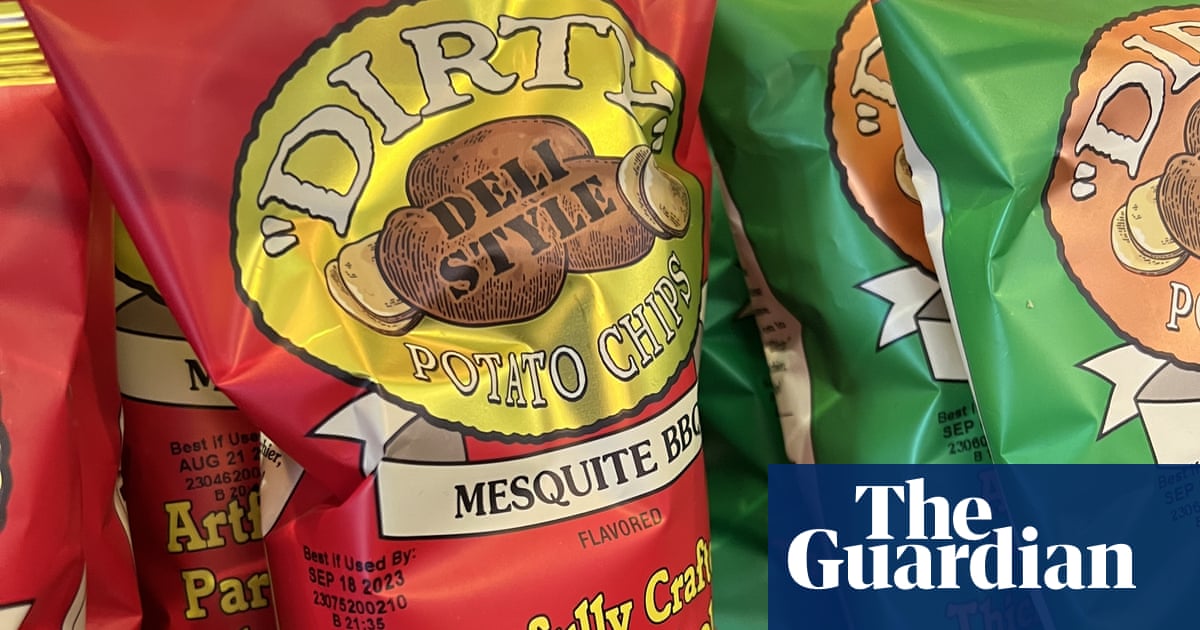
Utz issued a voluntary recall of its Zapp’s and Dirty potato chips in May, citing the possible presence of salmonella in dry milk powder from a third party used to make a seasoning ingredient. An estimated 650,000 bags of chips with best by dates ranging from 27 July to 31 August were affected. The FDA upgraded the recall to the most serious level.
Bill Marler is an accomplished personal injury and products liability attorney. He began litigating foodborne illness cases in 1993. He represented Brianne Kiner, the most seriously injured survivor of the Jack in the Box E. coli O157:H7 outbreak.
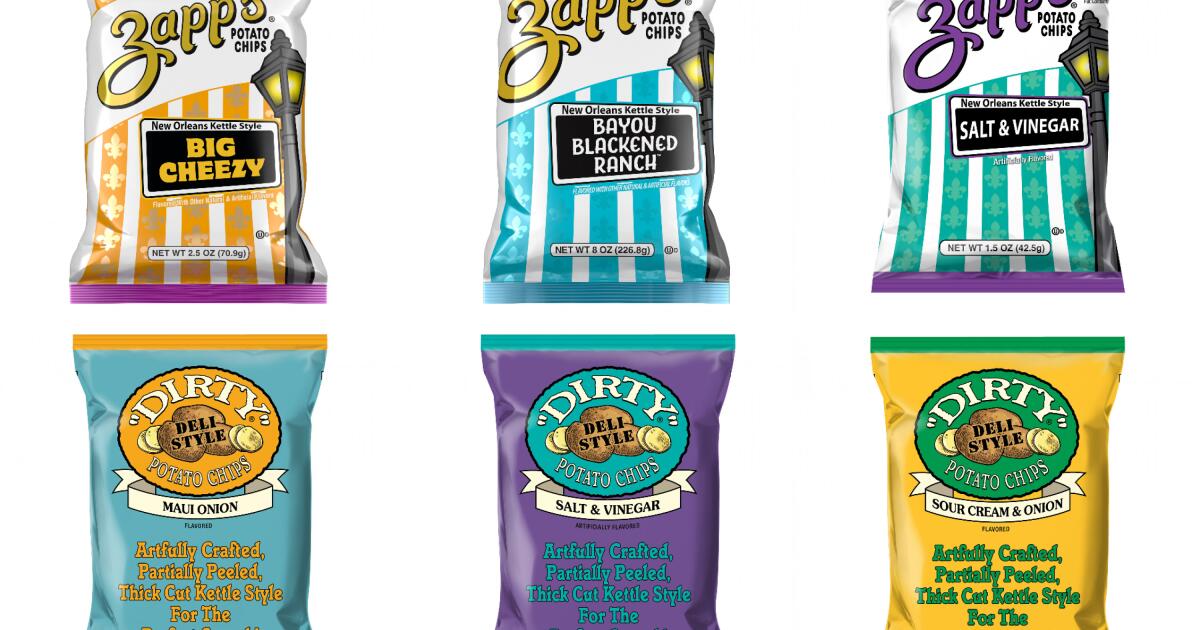
The FDA has classified the recall of certain types of Zapp’s and Dirty brand potato chips as Class I. The chips are produced by Utz Quality Foods, LLC, which on April 28 issued a recall over salmonella concerns. More than 680,000 bags are included in the recall.
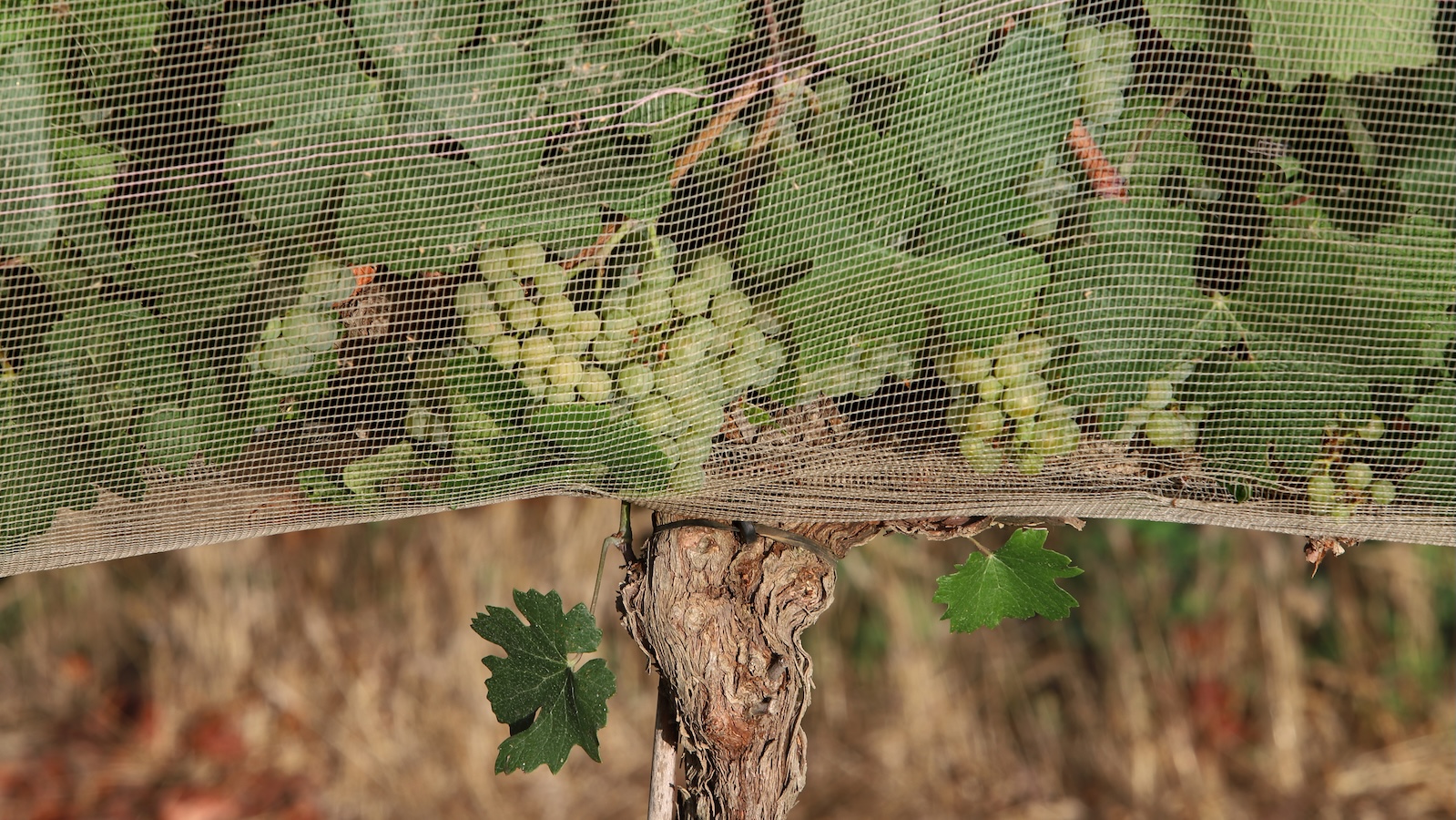
Cornell University study looks at three climate adaptation strategies for winegrowers to adapt to warmer temperatures. The study found that consumers are willing to pay a premium for climate-resilient wines when these changes are communicated to shoppers. However, only two of the three strategies might be immediately obvious to consumers.
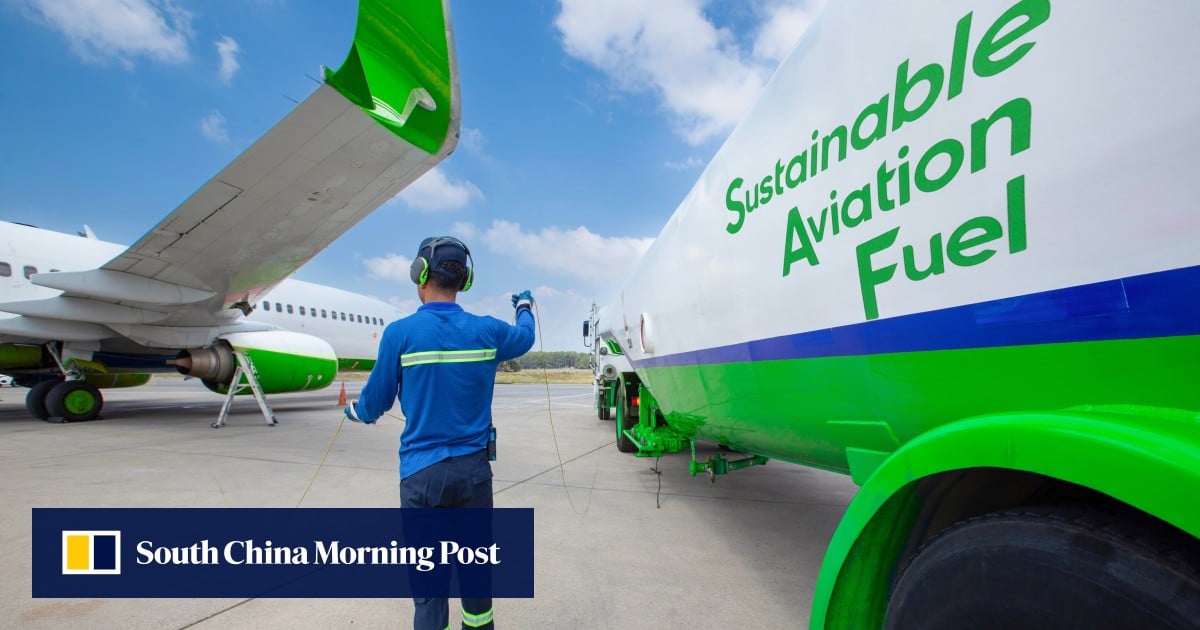
Every year farmers in India burn millions of tonnes of crop residue. Crop residue could be used as a feedstock for sustainable aviation fuel (SAF) for airlines around the world. India has some of the world’s cheapest solar power and a national drive to develop green hydrogen.

Proposed changes to federal rules governing grants and cooperative agreements threaten to destabilize an already fragile agricultural sector. Since January 2025, farmers, agricultural organizations, and the communities they serve have experienced unprecedented instability in long-standing federal partnerships with the US Department of Agriculture. This post provides context and background on the issue, analyzes key concerns with the proposed rule, and offers resources for stakeholders.
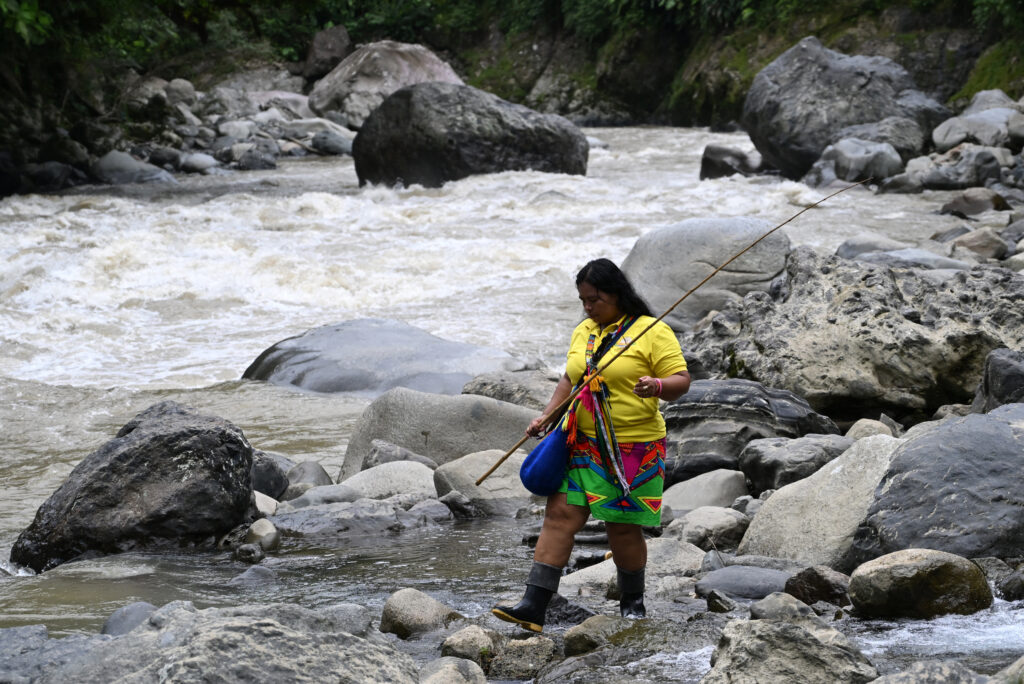
In Colombia and Bangladesh, courts recognized rivers as legal persons, but the waterways remain polluted and under threat. Legal systems are still designed to treat nature as an object for humans to use and profit from, according to Stockholm Environment Institute report. Implementation of the rulings has been slow due to lack of funding, bureaucratic delays and poor coordination.
The fungicide fluazinam can harm brain development, but the evidence was effectively hidden from regulators for more than a decade. The study was never submitted by the manufacturer, ISK Biosciences Europe, during the 2009 EU renewal process. It raises questions about a regulatory system that relies heavily on industry-funded studies and their own conclusions.
The Supreme Court ruled on June 25, 2026 that states cannot hold a pesticide manufacturer liable in court for failing to warn consumers about cancer risks. The EPA has allowed glyphosate-based weed killers to remain on the market without a cancer warning on their labels. Several U.S. lawsuits have used the 2015 report to win legal cases claiming that Monsanto failed to warn them of the chemical's dangers.
Bihar recorded the highest average blood lead level in India in 2022 CSIR–NITI Aayog report — 10.42 µg/dL. 90% of children under 5 years and 80% of pregnant women tested recorded high levels of lead in their blood. Over 50% of turmeric samples tested exceeded regulatory limits. Turmeric showed the highest contamination, with some samples exceeding permissible limits by 400 times.
Utz issued a voluntary recall of its Zapp’s and Dirty potato chips in May, citing the possible presence of salmonella in dry milk powder from a third party used to make a seasoning ingredient. An estimated 650,000 bags of chips with best by dates ranging from 27 July to 31 August were affected. The FDA upgraded the recall to the most serious level.
Bill Marler is an accomplished personal injury and products liability attorney. He began litigating foodborne illness cases in 1993. He represented Brianne Kiner, the most seriously injured survivor of the Jack in the Box E. coli O157:H7 outbreak.
The FDA has classified the recall of certain types of Zapp’s and Dirty brand potato chips as Class I. The chips are produced by Utz Quality Foods, LLC, which on April 28 issued a recall over salmonella concerns. More than 680,000 bags are included in the recall.
Cornell University study looks at three climate adaptation strategies for winegrowers to adapt to warmer temperatures. The study found that consumers are willing to pay a premium for climate-resilient wines when these changes are communicated to shoppers. However, only two of the three strategies might be immediately obvious to consumers.
Every year farmers in India burn millions of tonnes of crop residue. Crop residue could be used as a feedstock for sustainable aviation fuel (SAF) for airlines around the world. India has some of the world’s cheapest solar power and a national drive to develop green hydrogen.
Proposed changes to federal rules governing grants and cooperative agreements threaten to destabilize an already fragile agricultural sector. Since January 2025, farmers, agricultural organizations, and the communities they serve have experienced unprecedented instability in long-standing federal partnerships with the US Department of Agriculture. This post provides context and background on the issue, analyzes key concerns with the proposed rule, and offers resources for stakeholders.
In Colombia and Bangladesh, courts recognized rivers as legal persons, but the waterways remain polluted and under threat. Legal systems are still designed to treat nature as an object for humans to use and profit from, according to Stockholm Environment Institute report. Implementation of the rulings has been slow due to lack of funding, bureaucratic delays and poor coordination.