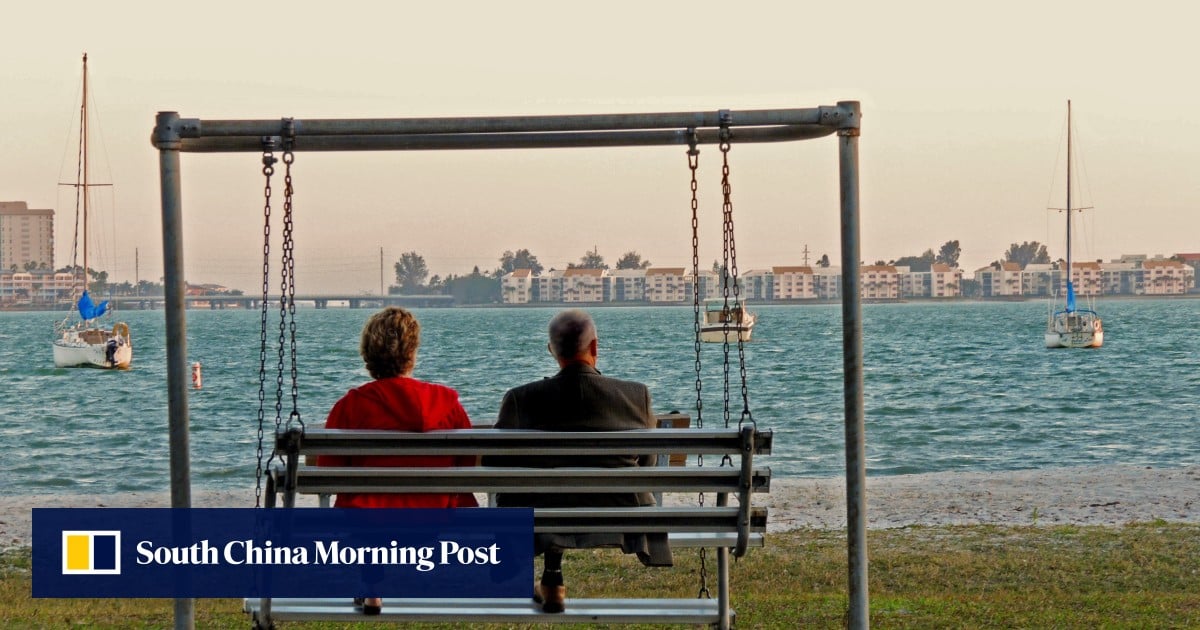
A generational gap over China is emerging in the United States. Younger Americans are less likely to see Beijing as a cause for concern than older Americans. There is bipartisan consensus on most concerns regarding China, from its role in the fentanyl crisis to human rights abuses, but domestic-facing worries top the list of concerns about China.
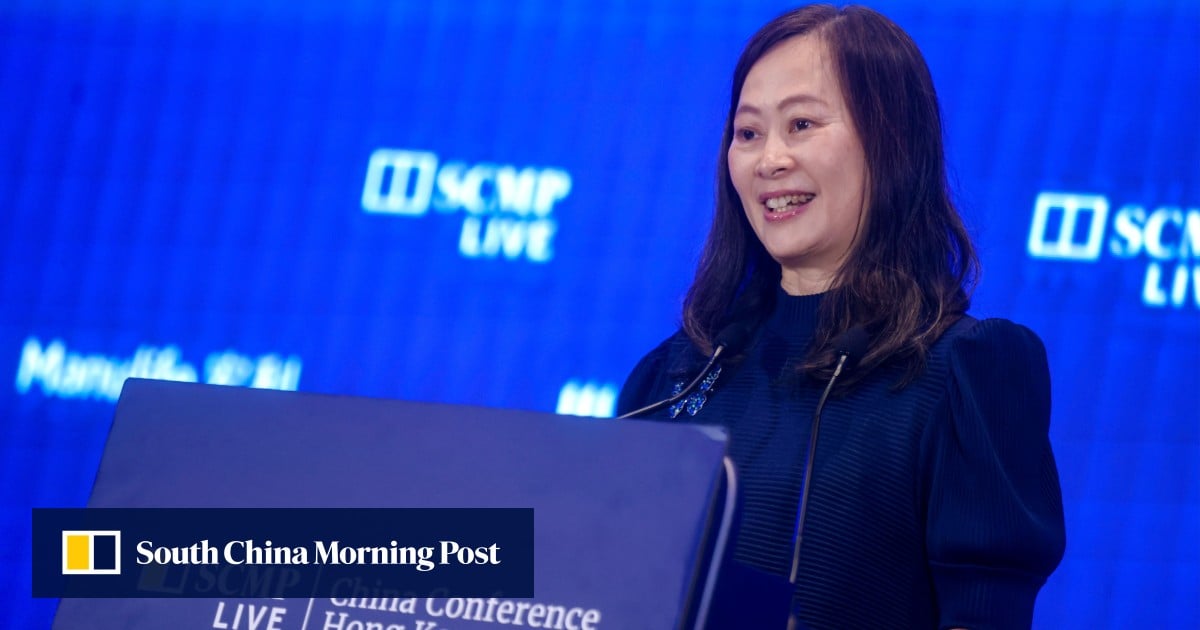
The South China Morning Post will host its China Conference in Astana in September. It follows a high-level Hong Kong delegation to Central Asia last month. It is the first such event organised by a local media outlet in the region. The global series convenes renowned experts and real insiders to explore China’s macro trends and emerging opportunities. It also serves as a platform for global business leaders, investors and innovators to better understand China's development trajectory.
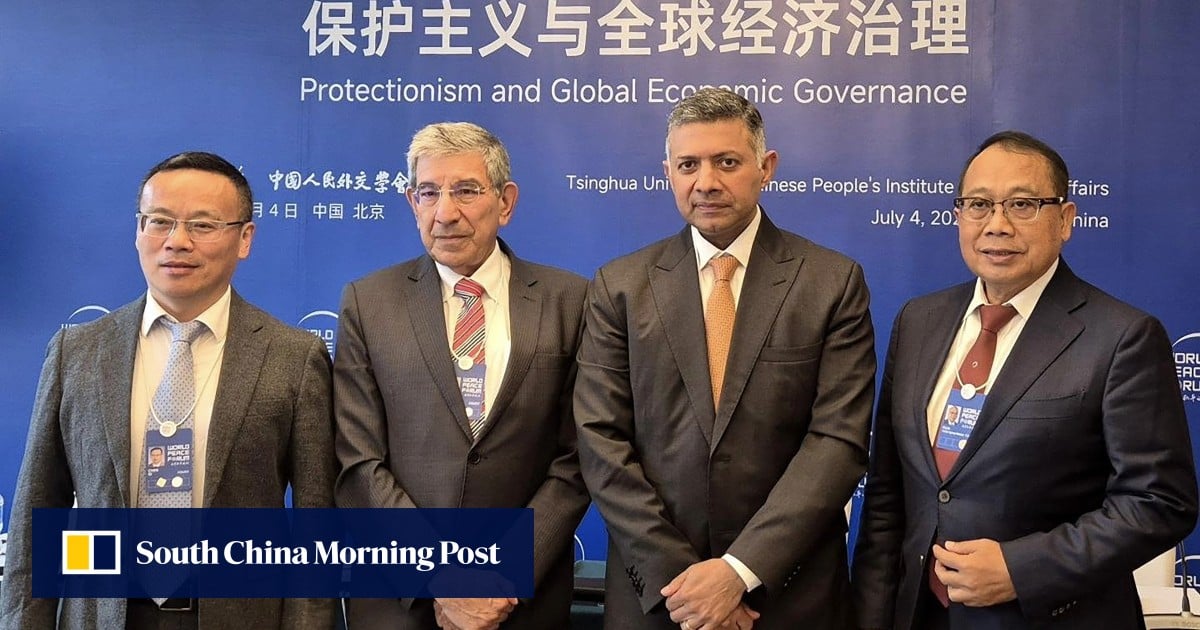
Vikram Doraiswami is the Indian ambassador to Beijing. He spoke at the World Peace Forum in Beijing on Saturday. He called for the creation of a new institutional architecture like the Asian Infrastructure Investment Bank (AIIB) to ease "security-first" economics. He also called for greater access for Indian products to China.
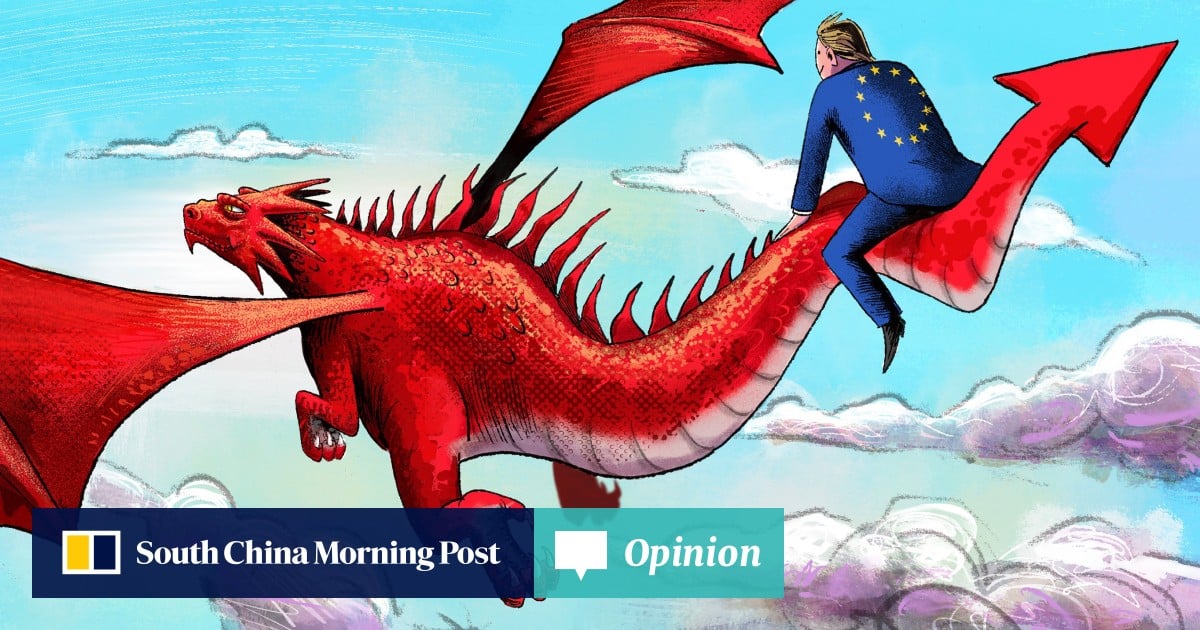
The European Commission has been signalling its intention to wage a trade war against China. European manufacturers of EVs, batteries, solar panels, steel and other industrial products face intense competition from Chinese companies. Europe has responded with anti-dumping and protectionist measures. In the 1970s and 1980s, Europe faced fierce competition from Japanese exports. European policymakers were concerned about the deindustrialisation of sectors such as automobiles, consumer electronics and machine tools. The current conflicts are more highly politicised. European leaders ignored the profound shifts in Sino-American relations and failed to truly understand US President Donald Trump. The EU missed a crucial point when Chinese President Xi Jinping backed the convergence of US and Chinese

John Lee Ka-chiu is speaking at the South China Morning Post’s China Conference 2026. He is promoting the first five-year blueprint of Hong Kong and the coming policy address. Artificial intelligence is a central plank of the blueprint. Since 2022, 124 “strategic enterprises” have established a presence in Hong Kong.

The blog of China defense is a forum where analysts and serious defense enthusiasts share findings on a rising military power in China. It is written by professional analysts and enthusiasts. It's written by a professional analyst and a serious defense enthusiast, who are interested in China's military power.
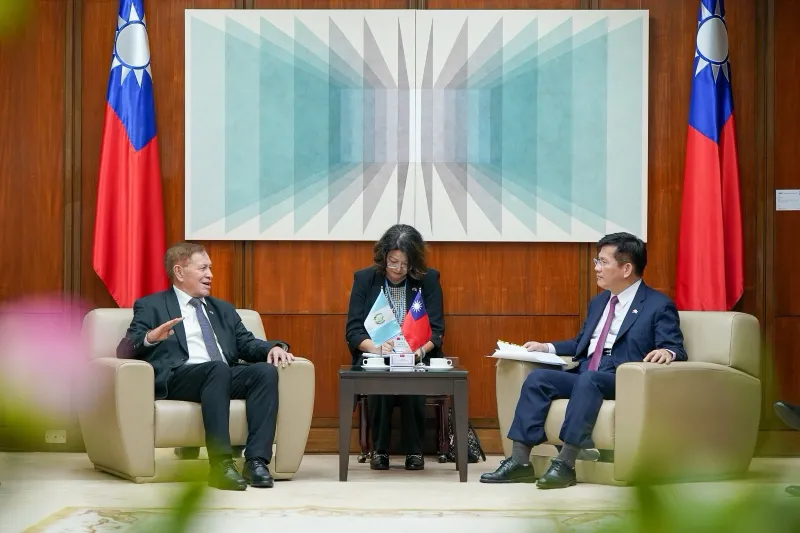
A cross-party delegation from the Congress of the Republic of Guatemala visited Taiwan from July 6-10. It was received by Deputy Foreign Minister Chen Ming-chi at Taiwan Taoyuan International Airport. The group was led by Luis Alberto Contreras Colíndres, president of the Congress. Guatemala has been an ally of Taiwan for 92 years.
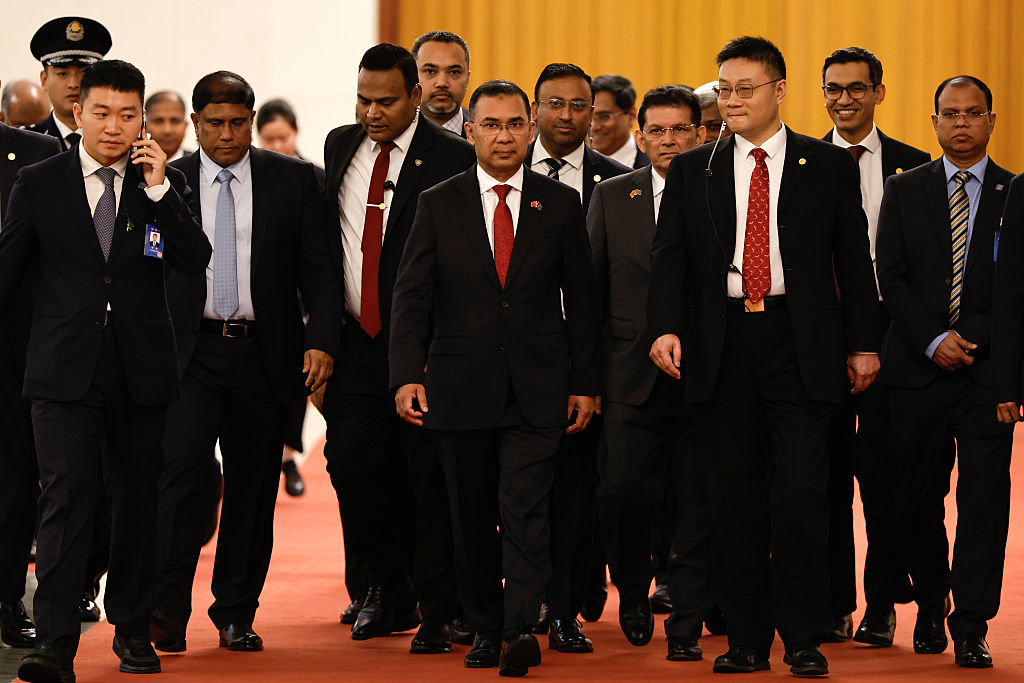
Bangladesh's Prime Minister Tarique Rahman met Chinese leader Xi Jinping on Tuesday, June 24, during a four-day visit to Beijing. They signed a series of agreements on river water management, flood mitigation, and cooperation in the green and digital economy. Rahman also reaffirmed Bangladesh's support for the CCP's one-China policy and Taiwan's independence.
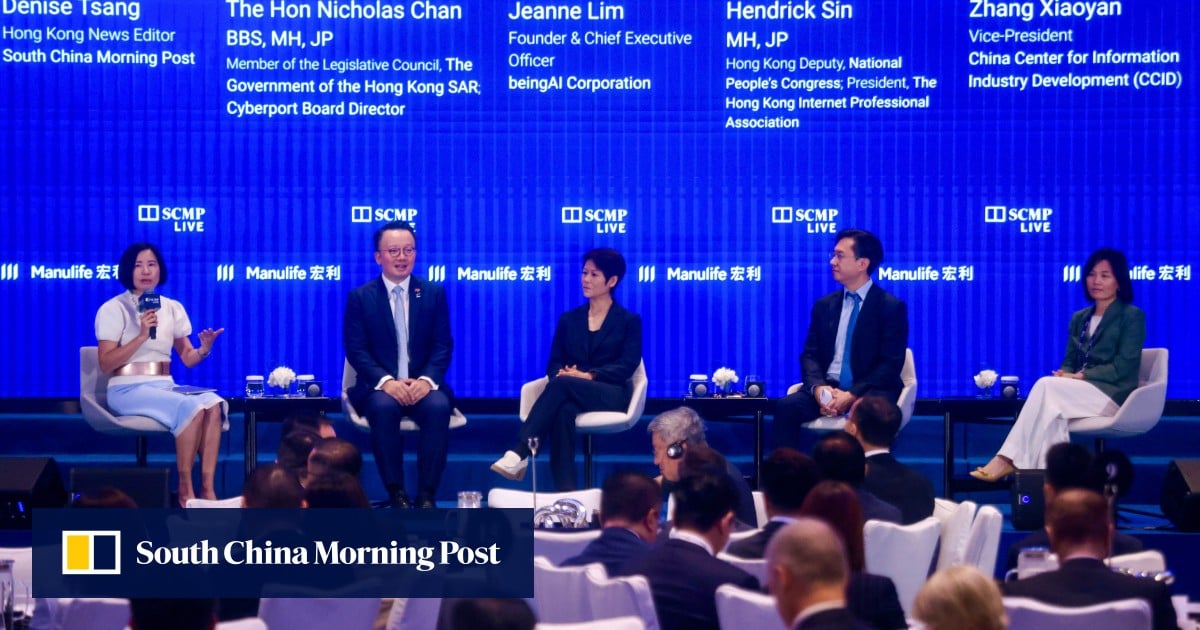
Industry leaders at SCMP’s China Conference discuss how Hong Kong could deliver on its AI aspirations and the city's readiness as a launch pad for mainland Chinese enterprises. Hong Kong should draft a five-year plan that includes an artificial intelligence focus that is not too broad and makes the most of its core strengths.
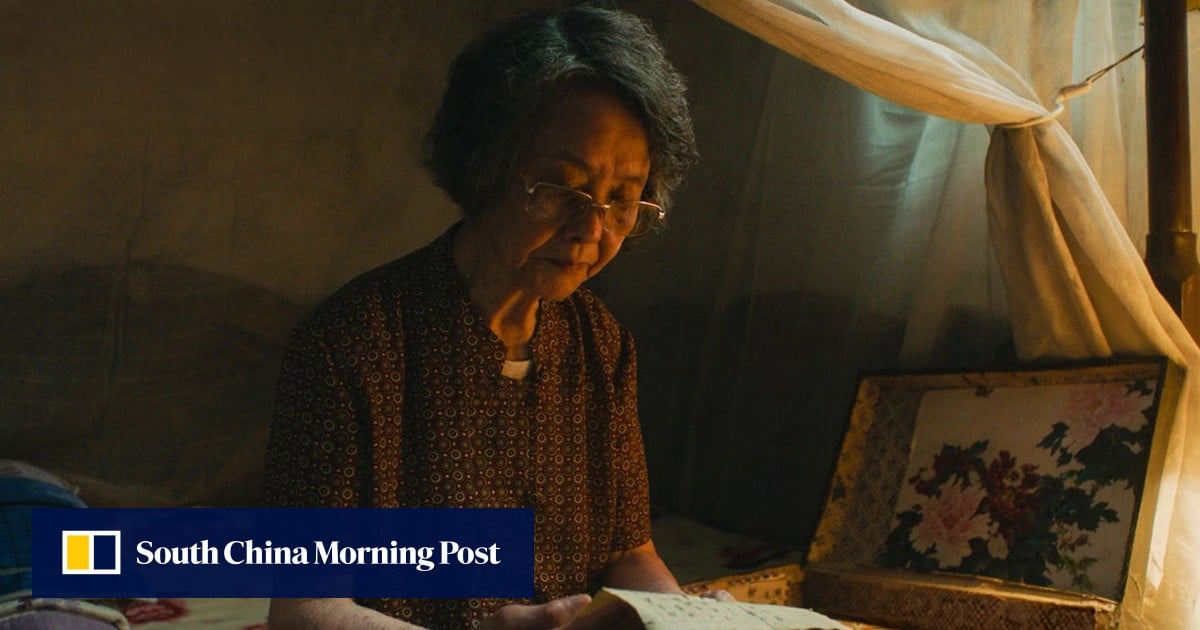
Beijing has invited 150 foreign diplomats and their families to a special screening of Dear You to help them understand China. Diplomats from 74 embassies, including Indonesia, Thailand, the United Arab Emirates and Peru, attended the event organised by the Chinese foreign ministry. The movie was shot in the Teochew dialect spoken in the Chaoshan region of Guangdong province and follows a man as he uncovers his family’s struggles over half a century through remittance letters sent from Thailand in the 1940s.
A generational gap over China is emerging in the United States. Younger Americans are less likely to see Beijing as a cause for concern than older Americans. There is bipartisan consensus on most concerns regarding China, from its role in the fentanyl crisis to human rights abuses, but domestic-facing worries top the list of concerns about China.
The South China Morning Post will host its China Conference in Astana in September. It follows a high-level Hong Kong delegation to Central Asia last month. It is the first such event organised by a local media outlet in the region. The global series convenes renowned experts and real insiders to explore China’s macro trends and emerging opportunities. It also serves as a platform for global business leaders, investors and innovators to better understand China's development trajectory.
Vikram Doraiswami is the Indian ambassador to Beijing. He spoke at the World Peace Forum in Beijing on Saturday. He called for the creation of a new institutional architecture like the Asian Infrastructure Investment Bank (AIIB) to ease "security-first" economics. He also called for greater access for Indian products to China.
The European Commission has been signalling its intention to wage a trade war against China. European manufacturers of EVs, batteries, solar panels, steel and other industrial products face intense competition from Chinese companies. Europe has responded with anti-dumping and protectionist measures. In the 1970s and 1980s, Europe faced fierce competition from Japanese exports. European policymakers were concerned about the deindustrialisation of sectors such as automobiles, consumer electronics and machine tools. The current conflicts are more highly politicised. European leaders ignored the profound shifts in Sino-American relations and failed to truly understand US President Donald Trump. The EU missed a crucial point when Chinese President Xi Jinping backed the convergence of US and Chinese
John Lee Ka-chiu is speaking at the South China Morning Post’s China Conference 2026. He is promoting the first five-year blueprint of Hong Kong and the coming policy address. Artificial intelligence is a central plank of the blueprint. Since 2022, 124 “strategic enterprises” have established a presence in Hong Kong.
The blog of China defense is a forum where analysts and serious defense enthusiasts share findings on a rising military power in China. It is written by professional analysts and enthusiasts. It's written by a professional analyst and a serious defense enthusiast, who are interested in China's military power.
A cross-party delegation from the Congress of the Republic of Guatemala visited Taiwan from July 6-10. It was received by Deputy Foreign Minister Chen Ming-chi at Taiwan Taoyuan International Airport. The group was led by Luis Alberto Contreras Colíndres, president of the Congress. Guatemala has been an ally of Taiwan for 92 years.
Bangladesh's Prime Minister Tarique Rahman met Chinese leader Xi Jinping on Tuesday, June 24, during a four-day visit to Beijing. They signed a series of agreements on river water management, flood mitigation, and cooperation in the green and digital economy. Rahman also reaffirmed Bangladesh's support for the CCP's one-China policy and Taiwan's independence.
Industry leaders at SCMP’s China Conference discuss how Hong Kong could deliver on its AI aspirations and the city's readiness as a launch pad for mainland Chinese enterprises. Hong Kong should draft a five-year plan that includes an artificial intelligence focus that is not too broad and makes the most of its core strengths.
Beijing has invited 150 foreign diplomats and their families to a special screening of Dear You to help them understand China. Diplomats from 74 embassies, including Indonesia, Thailand, the United Arab Emirates and Peru, attended the event organised by the Chinese foreign ministry. The movie was shot in the Teochew dialect spoken in the Chaoshan region of Guangdong province and follows a man as he uncovers his family’s struggles over half a century through remittance letters sent from Thailand in the 1940s.