
People with mental illnesses can be discriminated against by AI chatbots. Large language models (LLMs) often produce stigmatizing statements when provided with information about a person’s health. An estimated one-third of U.S. adults are now using chatbots for health advice.
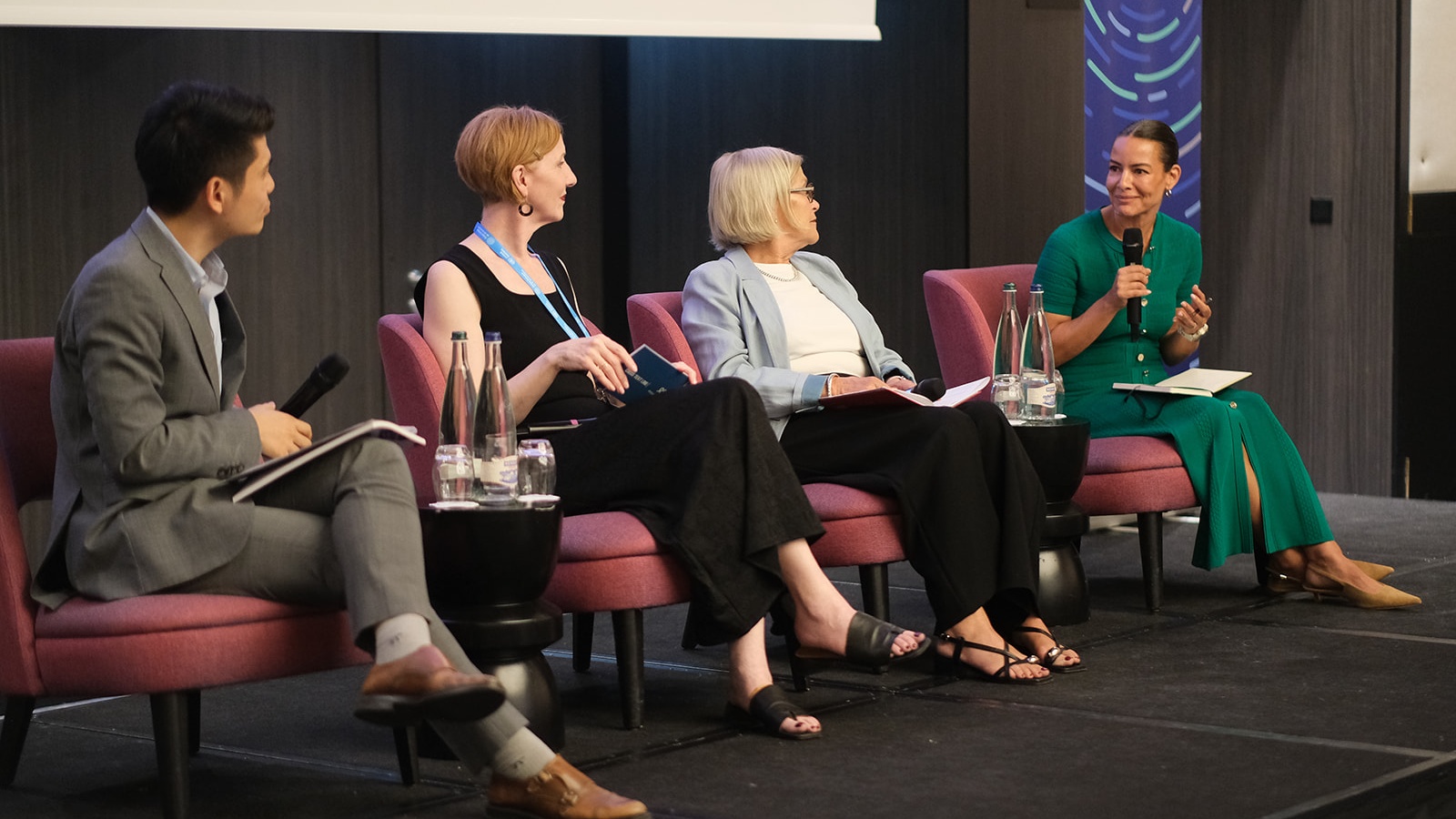
This week PAI convened its global community of partners in Geneva for the 2026 Partner Forum on AI. The forum discussed the impacts of AI today, who is accountable for it, and who gets a seat at the table as a result of AI's development. The Forum announced the Global AI Progress Hub and the Global Responsible AI: Measures of Progress Report.

In March, the federal government sent me daily texts about AI. He enrolled in an AI-literacy course from the Labor Department created to help workers succeed in the ChatGPT economy. Government efforts to shore up the labor market have been underwhelming. The Trump administration announced a goal last year to expand apprenticeship programs.
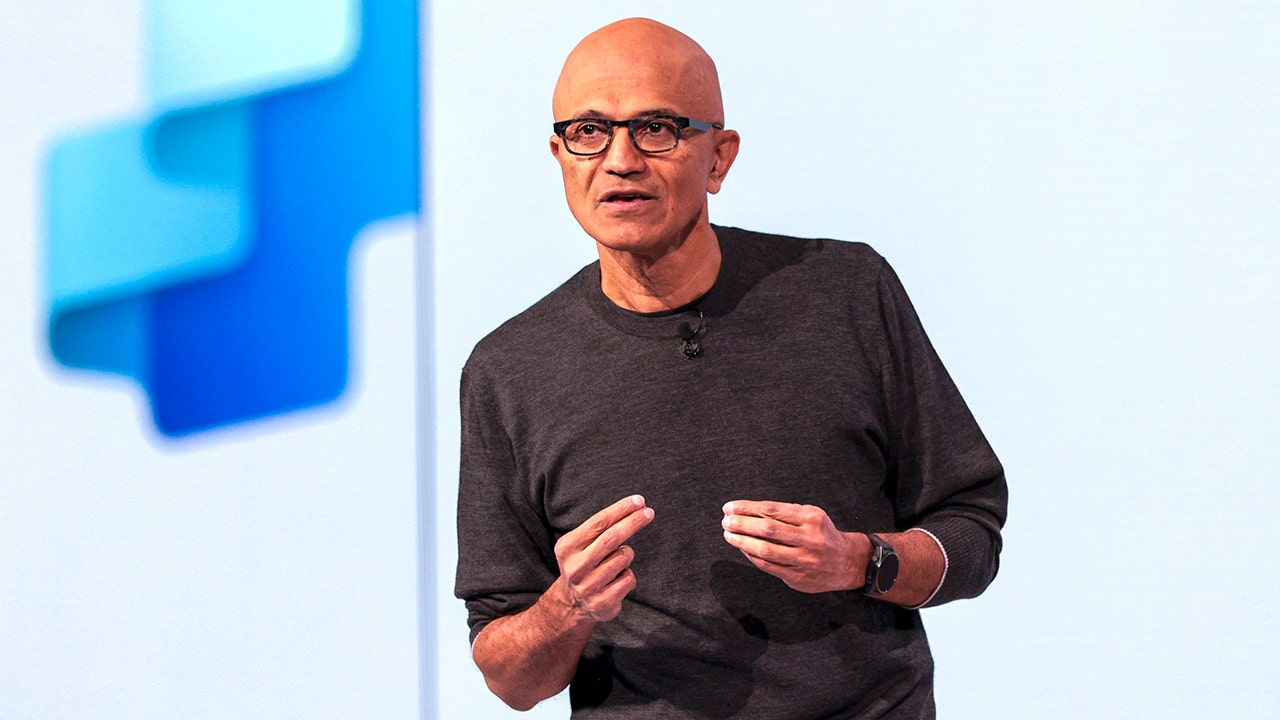
Microsoft will eliminate about 4,800 jobs as it restructures parts of the company. OpenAI unveils ChatGPT Work to automate workplace tasks. Taco Bell is expanding the use of artificial intelligence (AI) at drive-thrus and announced a new strategic partnership with an AI voice provider. Micron CEO Sanjay Mehrotra detailed the company’s new $250 billion U.S. investment. Oregon's utility regulator is implementing a new rule starting Wednesday that will raise the electricity bills of data centers and other large energy users.
Longview Philanthropy is funding a project to create an AI model panel that reviews AI evaluations for welfare concerns. The proposal will be ready July 15-16 and needs responses back by July 22. The deadline is July 24. The pilot is built as a multi-round validation study with pre-defined success criteria and a synthetic calibration round.

The House passed a bipartisan version of the KIDS Act on Monday in a 267-117 vote. President Trump issued an executive order in June that seeks to promote AI innovation and give companies the ability to harden their systems against national security threats. Lawmakers want to place guardrails on AI as part of a legislative package to protect kids online. Sen. Marsha Blackburn is negotiating with the White House to finalize legislative text of an AI preemption package.
OpenAI has released its flagship artificial intelligence technology, GPT-5.6 Sol. OpenAI and Google are selling their advanced AI models to Chinese tech giants blacklisted by the Pentagon. JPMorgan Chase & Co. has been testing whether a model can do something more ambitious than allocate money itself.
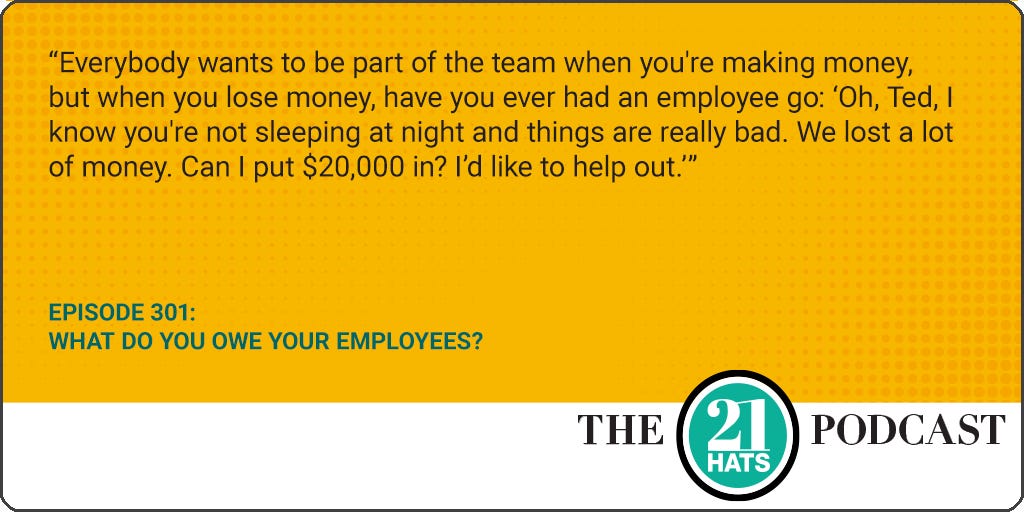
Alan Pentz is an AI consultant and business owner. He thinks small businesses are spending too little on AI. He explains why it took him four tries to hire the right marketing leader. He also explains why today's AI pricing is effectively subsidized for smaller businesses.
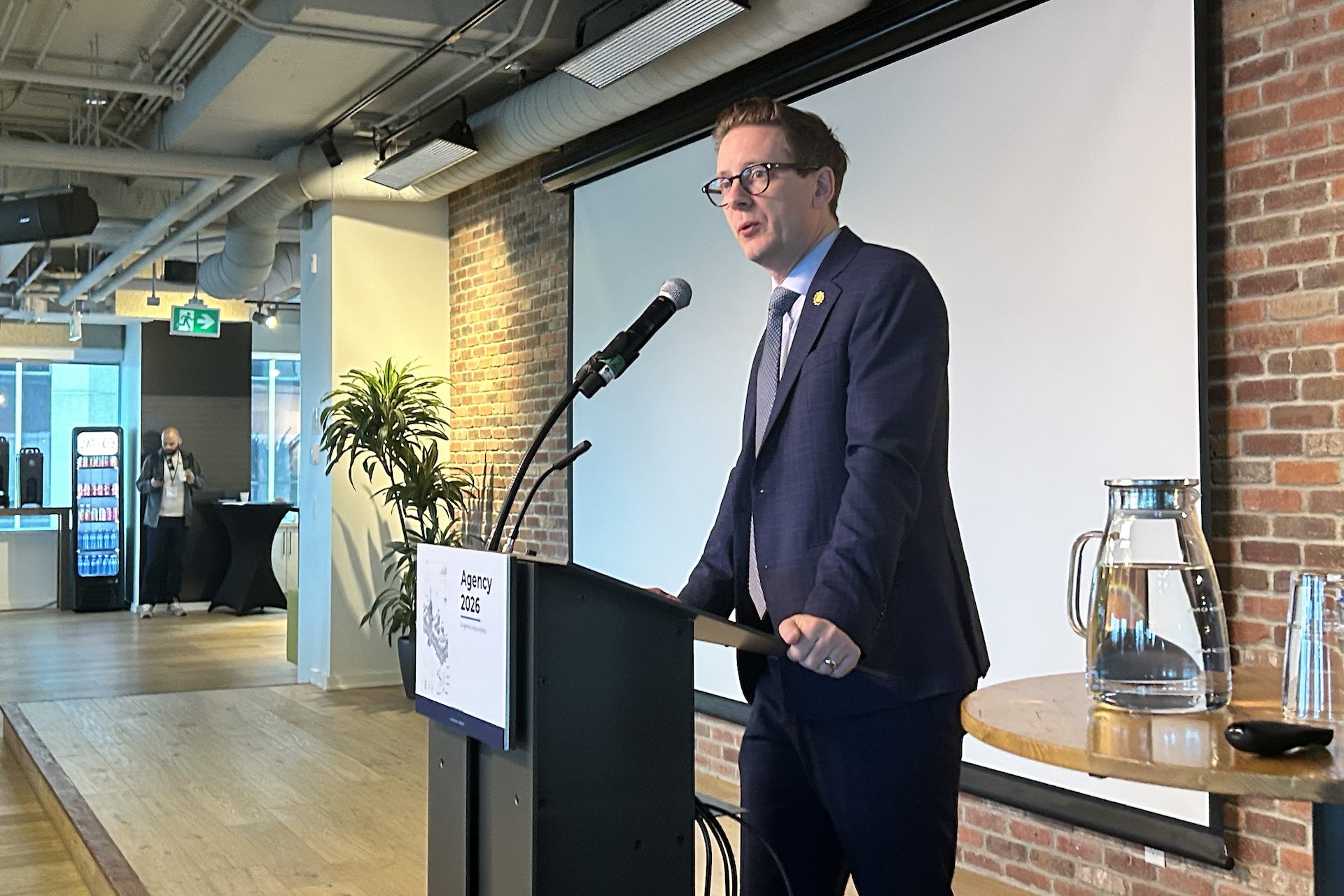
Alberta wants to be the source of the compute that will power AI adoption across Canada. It has built its own in-house AI tools on top of Anthropic’s models to review its technology systems and build new applications for departments and agencies. The province has open sourced the whole stack so that other public services and firms can do the same.
People with mental illnesses can be discriminated against by AI chatbots. Large language models (LLMs) often produce stigmatizing statements when provided with information about a person’s health. An estimated one-third of U.S. adults are now using chatbots for health advice.
This week PAI convened its global community of partners in Geneva for the 2026 Partner Forum on AI. The forum discussed the impacts of AI today, who is accountable for it, and who gets a seat at the table as a result of AI's development. The Forum announced the Global AI Progress Hub and the Global Responsible AI: Measures of Progress Report.
In March, the federal government sent me daily texts about AI. He enrolled in an AI-literacy course from the Labor Department created to help workers succeed in the ChatGPT economy. Government efforts to shore up the labor market have been underwhelming. The Trump administration announced a goal last year to expand apprenticeship programs.
Microsoft will eliminate about 4,800 jobs as it restructures parts of the company. OpenAI unveils ChatGPT Work to automate workplace tasks. Taco Bell is expanding the use of artificial intelligence (AI) at drive-thrus and announced a new strategic partnership with an AI voice provider. Micron CEO Sanjay Mehrotra detailed the company’s new $250 billion U.S. investment. Oregon's utility regulator is implementing a new rule starting Wednesday that will raise the electricity bills of data centers and other large energy users.
Longview Philanthropy is funding a project to create an AI model panel that reviews AI evaluations for welfare concerns. The proposal will be ready July 15-16 and needs responses back by July 22. The deadline is July 24. The pilot is built as a multi-round validation study with pre-defined success criteria and a synthetic calibration round.
The House passed a bipartisan version of the KIDS Act on Monday in a 267-117 vote. President Trump issued an executive order in June that seeks to promote AI innovation and give companies the ability to harden their systems against national security threats. Lawmakers want to place guardrails on AI as part of a legislative package to protect kids online. Sen. Marsha Blackburn is negotiating with the White House to finalize legislative text of an AI preemption package.
OpenAI has released its flagship artificial intelligence technology, GPT-5.6 Sol. OpenAI and Google are selling their advanced AI models to Chinese tech giants blacklisted by the Pentagon. JPMorgan Chase & Co. has been testing whether a model can do something more ambitious than allocate money itself.
Alan Pentz is an AI consultant and business owner. He thinks small businesses are spending too little on AI. He explains why it took him four tries to hire the right marketing leader. He also explains why today's AI pricing is effectively subsidized for smaller businesses.
Alberta wants to be the source of the compute that will power AI adoption across Canada. It has built its own in-house AI tools on top of Anthropic’s models to review its technology systems and build new applications for departments and agencies. The province has open sourced the whole stack so that other public services and firms can do the same.