
The field of lithium batteries is currently dominated by Chinese companies like BYD and CATL. If another company can crack the next generation of battery technology, it may still be able to take the lead. The battery industry already has a consensus on what that technology might be: solid-state batteries. Vincent Yang is the founder and CEO of ProLogium, a Taiwanese company that claims it will start mass-producing solid state batteries as soon as 2027. In February, it broke ground on a gigafactory in Dunkirk, France, after receiving a €1.5 billion local government grant. In May, Prologium announced a merger with TDAC, an American blank check company,
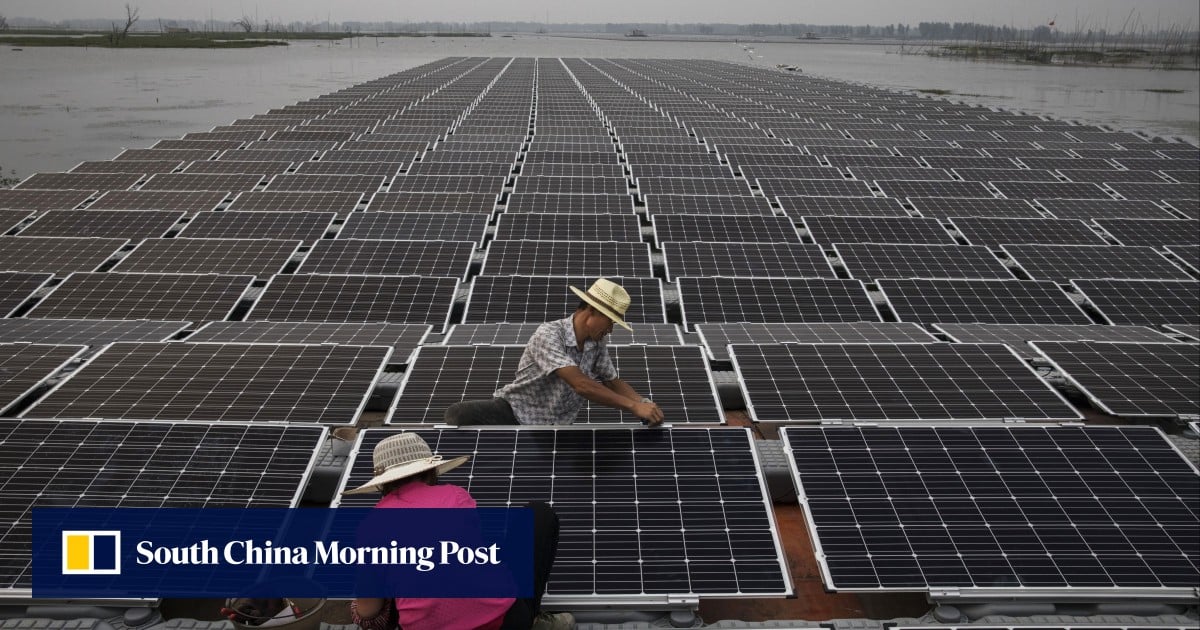
Beijing has released a five-year plan to peak carbon dioxide emissions by 2030. The timeline is aimed at attaining carbon neutrality by 2060. It was first pledged by President Xi Jinping in September 2020. Key metrics in the plan include lowering China’s CO2 emissions per unit of gross domestic product by 17% by 2030 and raising the share of non-fossil energy in total consumption to 25%.

Murat Kurum, COP31 president-designate, launched a target for 35% of the world’s final energy to come from electricity by 2035. The Hormuz crisis means there is an ‘urgent’ need for renewables and electrification. Brazil, Ethiopia, EU, UK and Canada have welcomed the target and it will be central to discussions at COP31.
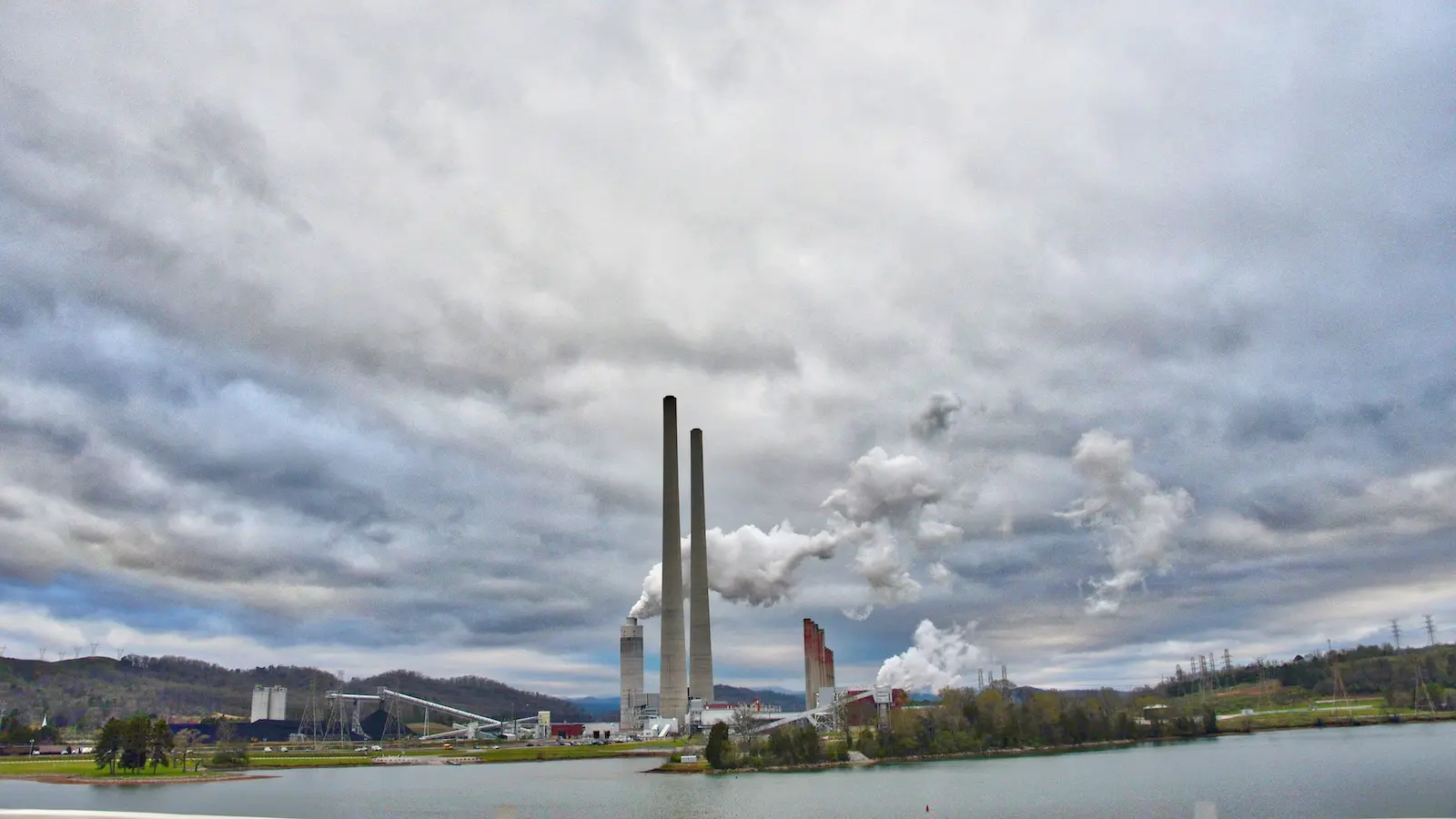
The Tennessee Valley Authority is revising its Integrated Resource Plan for the energy needs of the 7 states it serves through 2050. The new version of the IRP is more conservative than the previous one. It is based on three economic assumptions: a reduction of federal tax incentives for renewable energy, new utility-scale solar construction by 2027, and federal deregulation of nuclear, gas and coal power plants.
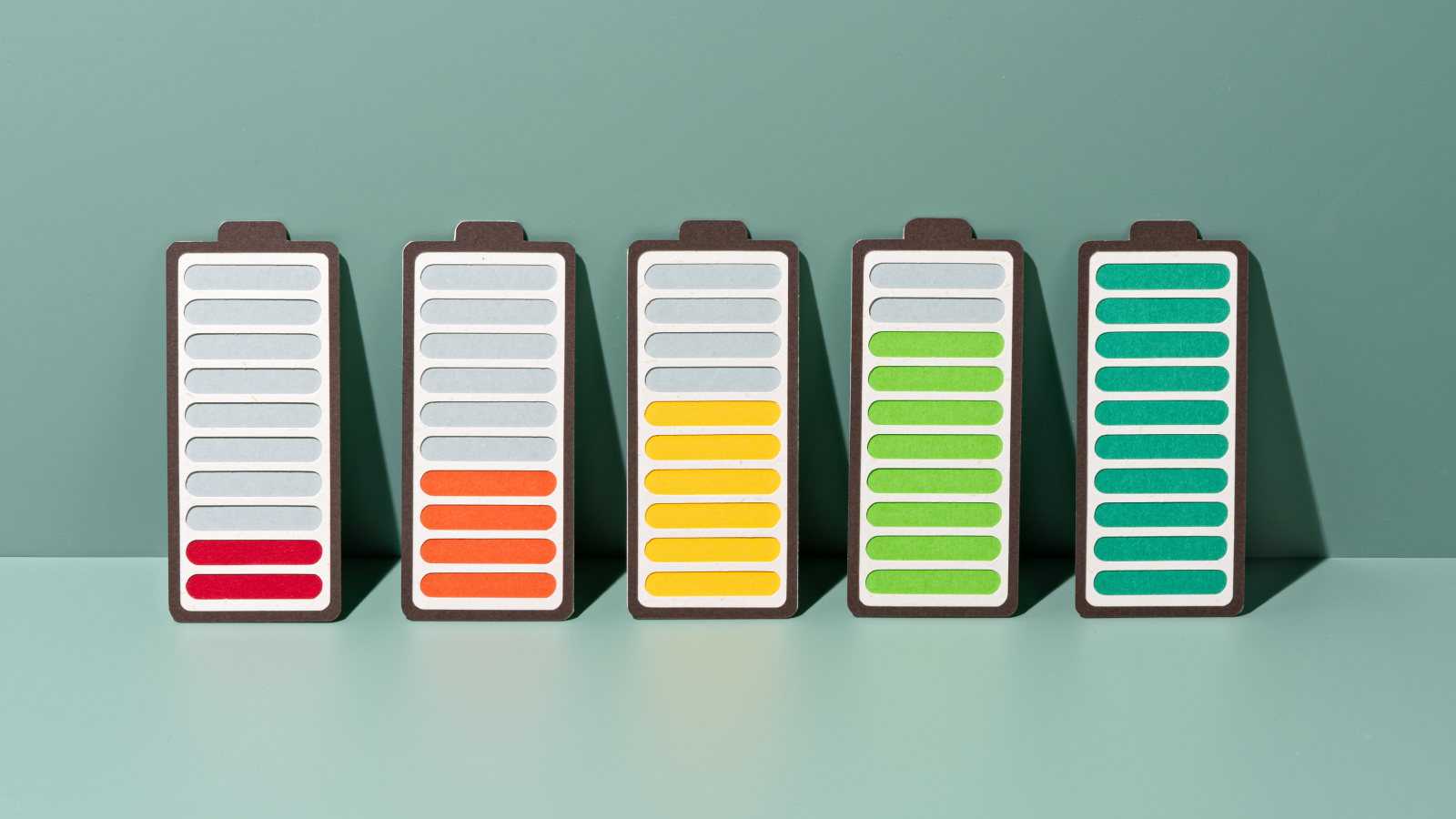
Researchers in China have developed a radical sodium metal battery (SMB) design that can fully charge in just four minutes and will retain its capacity for years of use. SMBs are a form of ultrafast-charging, stable batteries that could one day be a cheap alternative to today's lithium-ion (Li-ion) batteries. They use a metallic sodium anode rather than a graphite or hard carbon anode and they are lighter and lighter than Li-ion batteries.

There was a massive fire at a cold storage building in the Boyle Heights neighborhood on June 29. The owner of the facility, Lineage, asked the city to remove an emergency shutdown switch from the solar panels on the roof of the structure. The company did not receive any variances or exemptions as a result of its efforts. A recent white paper raised concerns that rapid shutdown devices may increase the risk of fires starting.
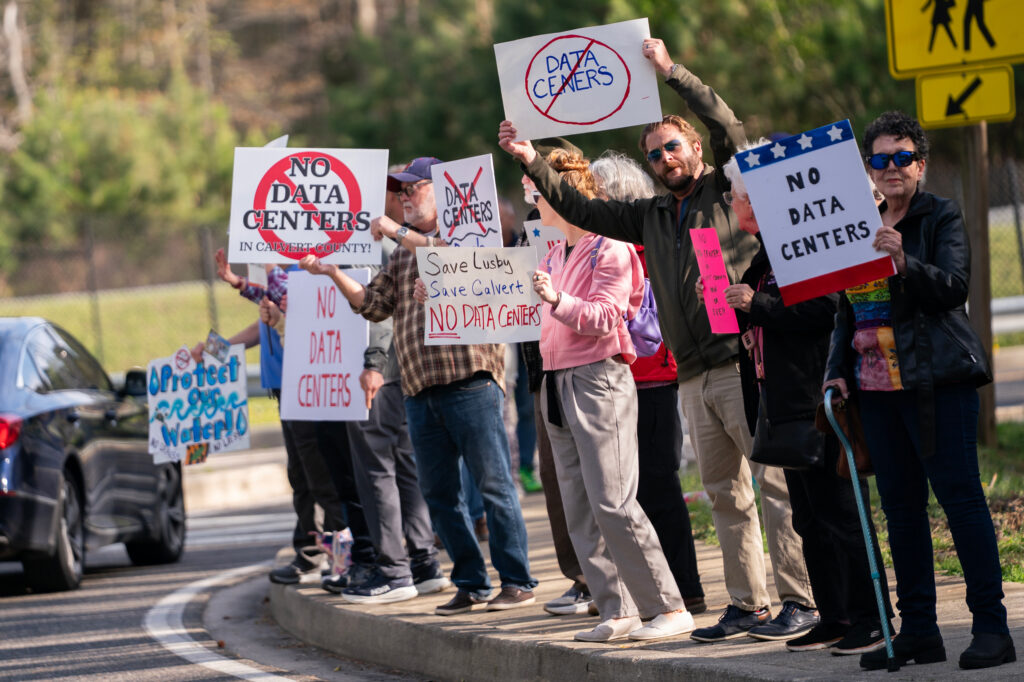
Prince George’s County adopted a two-year moratorium on development of the server farms. It is the longest such pause in the state. The power-hungry facilities have driven utility bills higher. There is a nationwide push to insulate ordinary ratepayers from the cost of the energy buildout needed to run them.
The field of lithium batteries is currently dominated by Chinese companies like BYD and CATL. If another company can crack the next generation of battery technology, it may still be able to take the lead. The battery industry already has a consensus on what that technology might be: solid-state batteries. Vincent Yang is the founder and CEO of ProLogium, a Taiwanese company that claims it will start mass-producing solid state batteries as soon as 2027. In February, it broke ground on a gigafactory in Dunkirk, France, after receiving a €1.5 billion local government grant. In May, Prologium announced a merger with TDAC, an American blank check company,
Beijing has released a five-year plan to peak carbon dioxide emissions by 2030. The timeline is aimed at attaining carbon neutrality by 2060. It was first pledged by President Xi Jinping in September 2020. Key metrics in the plan include lowering China’s CO2 emissions per unit of gross domestic product by 17% by 2030 and raising the share of non-fossil energy in total consumption to 25%.
Murat Kurum, COP31 president-designate, launched a target for 35% of the world’s final energy to come from electricity by 2035. The Hormuz crisis means there is an ‘urgent’ need for renewables and electrification. Brazil, Ethiopia, EU, UK and Canada have welcomed the target and it will be central to discussions at COP31.
The Tennessee Valley Authority is revising its Integrated Resource Plan for the energy needs of the 7 states it serves through 2050. The new version of the IRP is more conservative than the previous one. It is based on three economic assumptions: a reduction of federal tax incentives for renewable energy, new utility-scale solar construction by 2027, and federal deregulation of nuclear, gas and coal power plants.
Researchers in China have developed a radical sodium metal battery (SMB) design that can fully charge in just four minutes and will retain its capacity for years of use. SMBs are a form of ultrafast-charging, stable batteries that could one day be a cheap alternative to today's lithium-ion (Li-ion) batteries. They use a metallic sodium anode rather than a graphite or hard carbon anode and they are lighter and lighter than Li-ion batteries.
There was a massive fire at a cold storage building in the Boyle Heights neighborhood on June 29. The owner of the facility, Lineage, asked the city to remove an emergency shutdown switch from the solar panels on the roof of the structure. The company did not receive any variances or exemptions as a result of its efforts. A recent white paper raised concerns that rapid shutdown devices may increase the risk of fires starting.
Prince George’s County adopted a two-year moratorium on development of the server farms. It is the longest such pause in the state. The power-hungry facilities have driven utility bills higher. There is a nationwide push to insulate ordinary ratepayers from the cost of the energy buildout needed to run them.