
Bangladesh Nationalist Party (BNP) government completed its first 100 days in office on May 17. Many Bangladeshis expected stability, economic recovery, democratic renewal, and stronger international engagement. Instead, the country appears to be moving through a period of uncertainty, fear, declining confidence, and diplomatic drift. Awami League activities remain banned and a large number of Awami league leaders, activists, and supporters are reportedly in prison or facing cases. Law and order is also a major public concern. The economy offers little comfort, inflation continues to hurt ordinary families, businesses remain cautious, and investor confidence appears weak. Since taking office, the BNP government has, in the view of
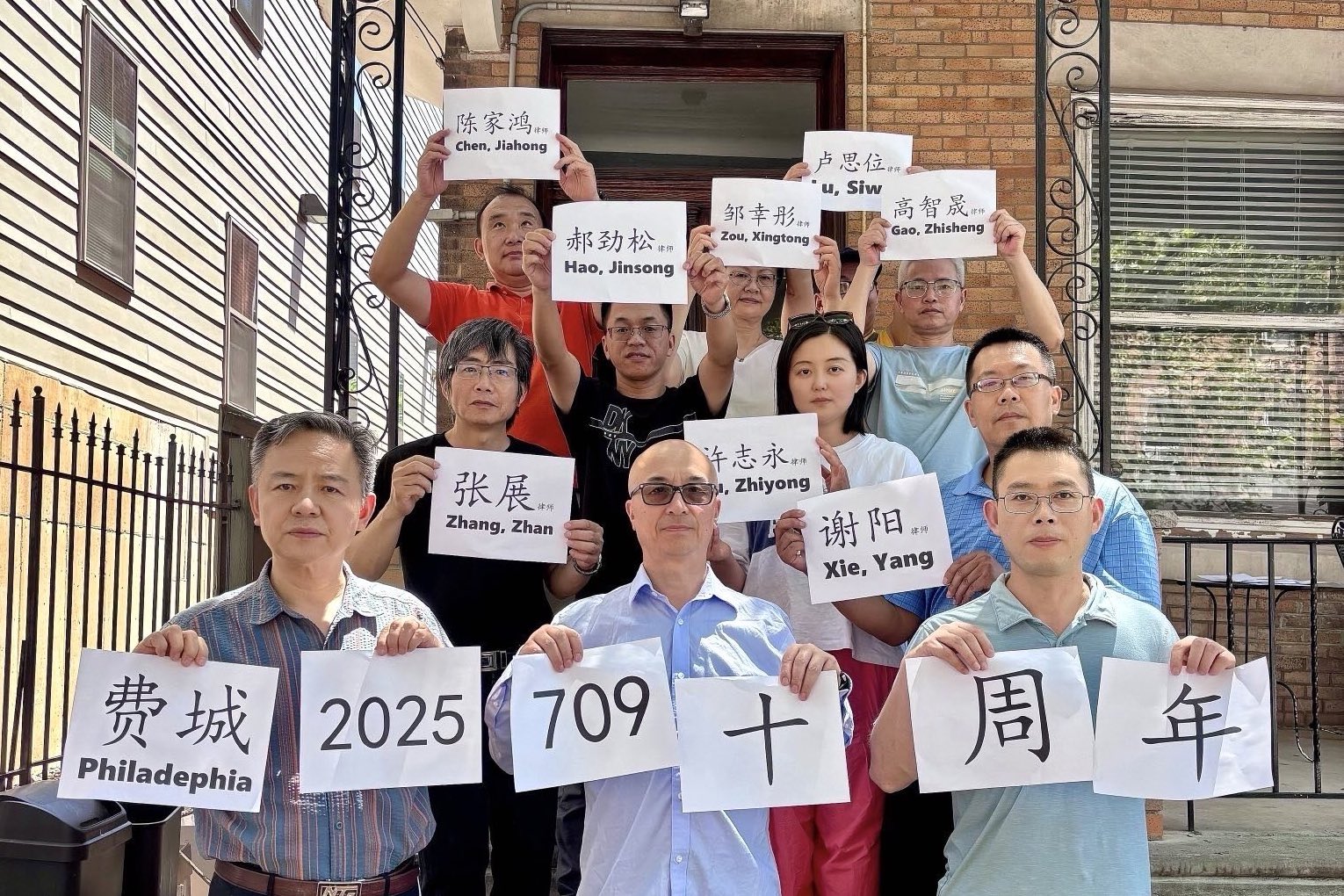
In July 2015, Chinese authorities launched a coordinated operation across more than 20 provinces, detaining, questioning, or otherwise restricting more than 300 lawyers and human rights advocates. The campaign has been cited by international human rights organizations as a defining moment for China’s legal profession. Now living in the United States, You Feiyu is a former Chinese human rights lawyer.

Weekly digital edition of SPIEGEL includes e-paper (PDF), digital archive and S+ newsletter. Free access to all S+ articles on SPIEGel.de and in the app (e-paper, digital archive, and newsletter). For more information, visit the website.

Trump's presence at the NATO summit in Turkiye signals a recalibration of the U.S. strategic calculations regarding the Islamic Republic of Iran and the “axis of resistance’. The new US strategy is based on generating simultaneous pressure within Iran, across its geopolitical periphery and throughout its network of regional connections. NATO is not just a military alliance, but a vehicle for the political, security and narrative alignment of Western allies against Iran.
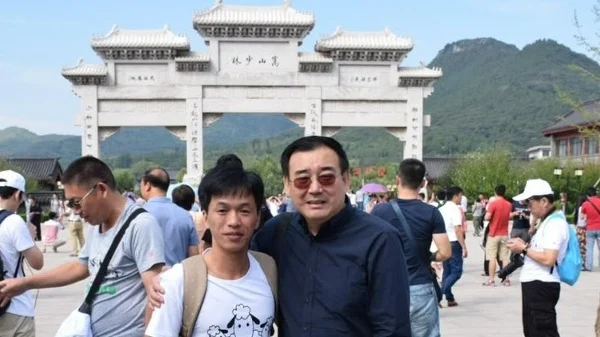
It's been 11 years since China's sweeping "709 Crackdown" that saw hundreds of human rights lawyers, legal advocates, and activists detained or questioned nationwide. Wu Shaoping is now living in the United States and working as the chairman of the "Overseas Chinese Human Rights Lawyers Association". He believes the crackdown fundamentally altered the environment for China's human rights lawyer. Wu believes that China will eventually move toward greater judicial independence.
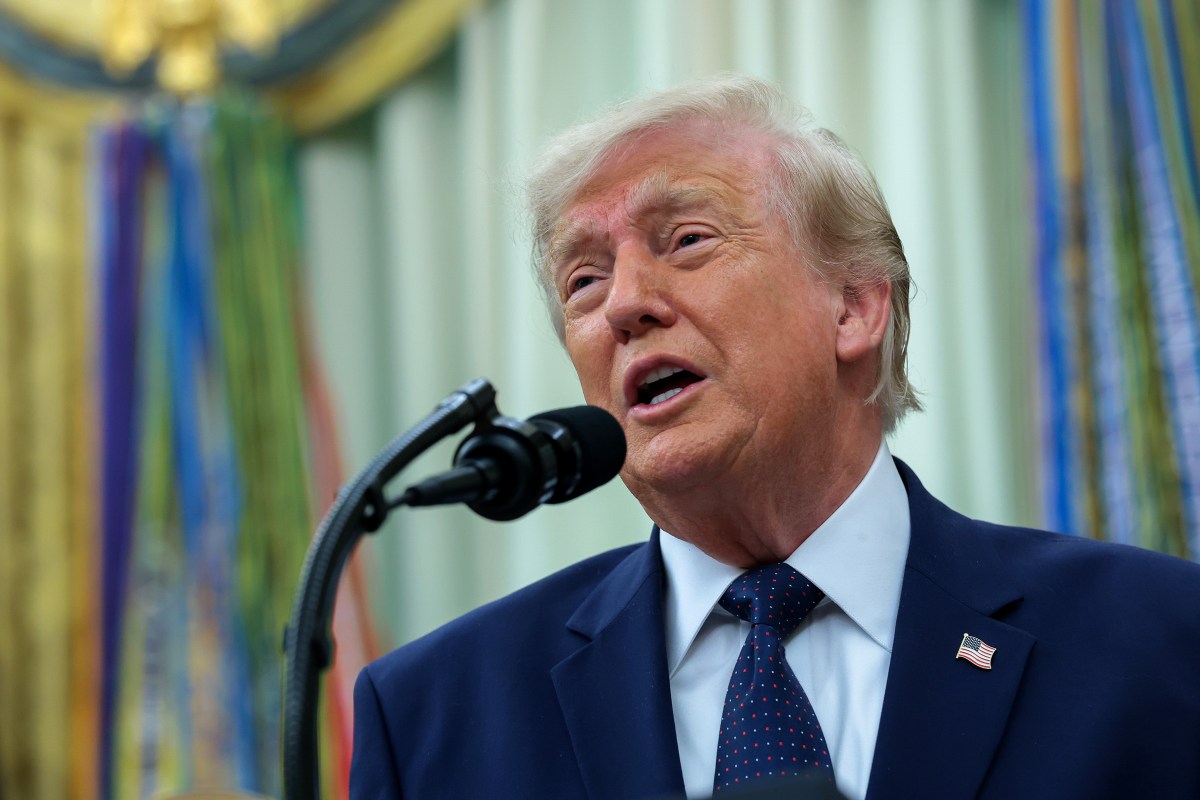
President Donald Trump dismissed the remaining commissioners of the U.S. Election Assistance Commission (EAC). Two Democratic commissioners were fired, while a Republican commissioner resigned, leaving all four seats vacant. The Supreme Court ruled in June that the president has greater control over removing officials from many independent federal agencies. Democratic lawmakers and election officials condemned the move, warning it could undermine confidence in the electoral process. Republicans defended the decision, saying the EAC did not address election security concerns.

There are rumors that Vladimir Putin is more vulnerable than ever because of the Ukraine war. The past three years have only seen a strengthening of Putin's security and intelligence services. Prigozhin's mutiny exposed important vulnerabilities within the Russian state. Russia's economy is not in shambles.

The World Cup is about to end and there is an unprecedented humanitarian and forensic crisis that will have to continue. There are almost 135,000 missing people in Mexico and the families are searching for their loved ones. Thelma Elena Pérez Álvarez is a teacher in digital communication, advertising and marketing at universities in Spain and Mexico.
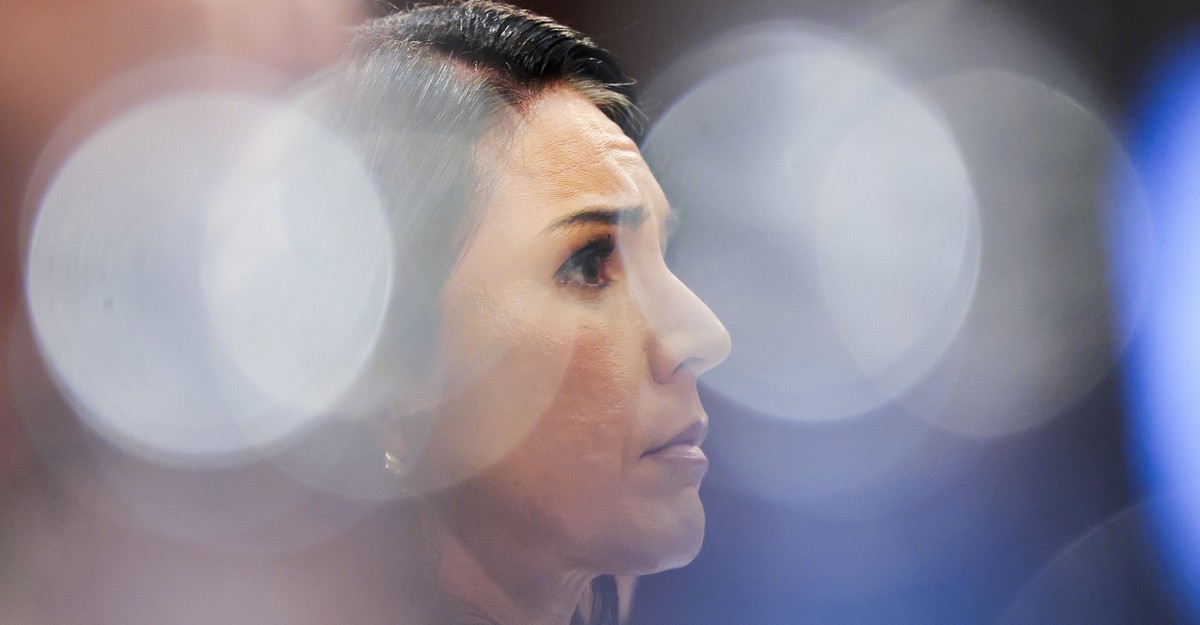
Since Donald Trump returned to office, CIA employees are concerned that the objectivity of analysis is being undermined by political influence. Most analysts objected to actions by then-Director of National Intelligence Tulsi Gabbard. She revoked the security clearances of more than three dozen current and former national-security officials without citing any evidence.
Bangladesh Nationalist Party (BNP) government completed its first 100 days in office on May 17. Many Bangladeshis expected stability, economic recovery, democratic renewal, and stronger international engagement. Instead, the country appears to be moving through a period of uncertainty, fear, declining confidence, and diplomatic drift. Awami League activities remain banned and a large number of Awami league leaders, activists, and supporters are reportedly in prison or facing cases. Law and order is also a major public concern. The economy offers little comfort, inflation continues to hurt ordinary families, businesses remain cautious, and investor confidence appears weak. Since taking office, the BNP government has, in the view of
In July 2015, Chinese authorities launched a coordinated operation across more than 20 provinces, detaining, questioning, or otherwise restricting more than 300 lawyers and human rights advocates. The campaign has been cited by international human rights organizations as a defining moment for China’s legal profession. Now living in the United States, You Feiyu is a former Chinese human rights lawyer.
Weekly digital edition of SPIEGEL includes e-paper (PDF), digital archive and S+ newsletter. Free access to all S+ articles on SPIEGel.de and in the app (e-paper, digital archive, and newsletter). For more information, visit the website.
Trump's presence at the NATO summit in Turkiye signals a recalibration of the U.S. strategic calculations regarding the Islamic Republic of Iran and the “axis of resistance’. The new US strategy is based on generating simultaneous pressure within Iran, across its geopolitical periphery and throughout its network of regional connections. NATO is not just a military alliance, but a vehicle for the political, security and narrative alignment of Western allies against Iran.
It's been 11 years since China's sweeping "709 Crackdown" that saw hundreds of human rights lawyers, legal advocates, and activists detained or questioned nationwide. Wu Shaoping is now living in the United States and working as the chairman of the "Overseas Chinese Human Rights Lawyers Association". He believes the crackdown fundamentally altered the environment for China's human rights lawyer. Wu believes that China will eventually move toward greater judicial independence.
President Donald Trump dismissed the remaining commissioners of the U.S. Election Assistance Commission (EAC). Two Democratic commissioners were fired, while a Republican commissioner resigned, leaving all four seats vacant. The Supreme Court ruled in June that the president has greater control over removing officials from many independent federal agencies. Democratic lawmakers and election officials condemned the move, warning it could undermine confidence in the electoral process. Republicans defended the decision, saying the EAC did not address election security concerns.
There are rumors that Vladimir Putin is more vulnerable than ever because of the Ukraine war. The past three years have only seen a strengthening of Putin's security and intelligence services. Prigozhin's mutiny exposed important vulnerabilities within the Russian state. Russia's economy is not in shambles.
The World Cup is about to end and there is an unprecedented humanitarian and forensic crisis that will have to continue. There are almost 135,000 missing people in Mexico and the families are searching for their loved ones. Thelma Elena Pérez Álvarez is a teacher in digital communication, advertising and marketing at universities in Spain and Mexico.
Since Donald Trump returned to office, CIA employees are concerned that the objectivity of analysis is being undermined by political influence. Most analysts objected to actions by then-Director of National Intelligence Tulsi Gabbard. She revoked the security clearances of more than three dozen current and former national-security officials without citing any evidence.