
Pavel Partha is an ethnobotanist and activist. He is the director of the Bangladesh Resource Center for Indigenous Knowledge. He has been conducting ethnobotanical research in Bangladesh for almost two decades. He believes development decisions should account for both ecological and social impacts. His grandmother taught him that all human beings are part of this planet.
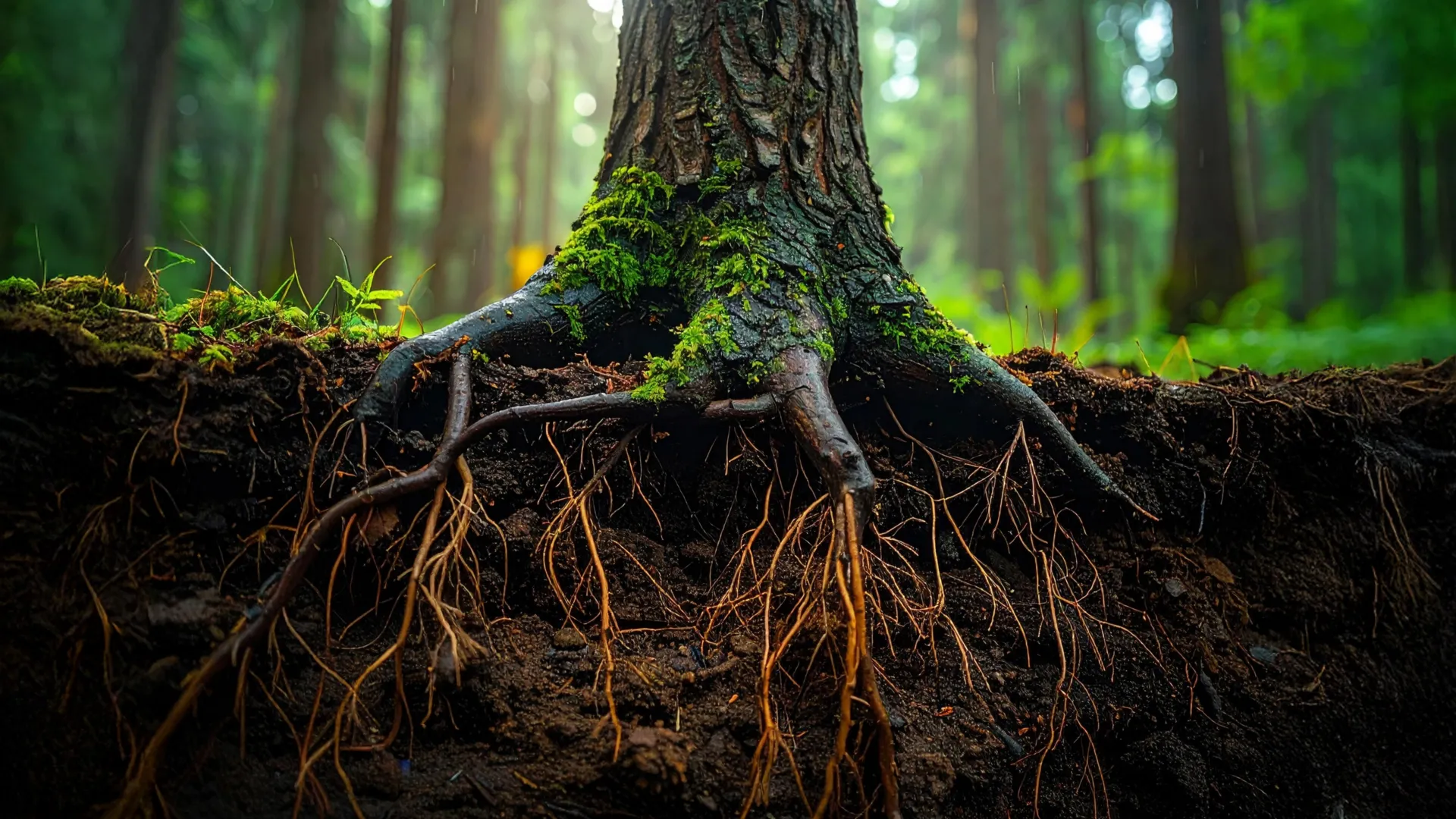
Jerry Melillo has spent 37 years studying heated plots in the Harvard Forest in central Massachusetts. During the fourth decade of warming, stable portions of soil organic matter, once believed to resist warming mediated decomposition, also began to break down. The finding suggests that forest soils may contribute more carbon to the atmosphere under continued warming than scientists previously expected.

Small-scale agriculture and logging account for 70% of direct forest loss in Batang Toru ecosystem in Indonesia. The study links the increase in deforestation to changing rural livelihoods, commercial banana farming, and widespread abuse of a legal community logging mechanism. The authors say protecting the endangered Tapanuli orangutan will require tackling both large-scale development projects and cumulative pressures from small-scale forest clearing.

Some of the most meaningful progress happens gradually. Positive News magazine wants to hear about the positive changes you’ve witnessed over time. Tell us what changed, how long it took, and why it has stayed with you in the form below. We will publish the favourite answers in the next issue of Positive News.
Bill Bonner from Youghal, Ireland is complaining about the heat wave. His grandson from Florida enjoyed swimming in freezing cold water in the ocean. The worst of the heat has passed in Paris, but it's still in the '90s there. People are getting into the 'heat wave' mentality.
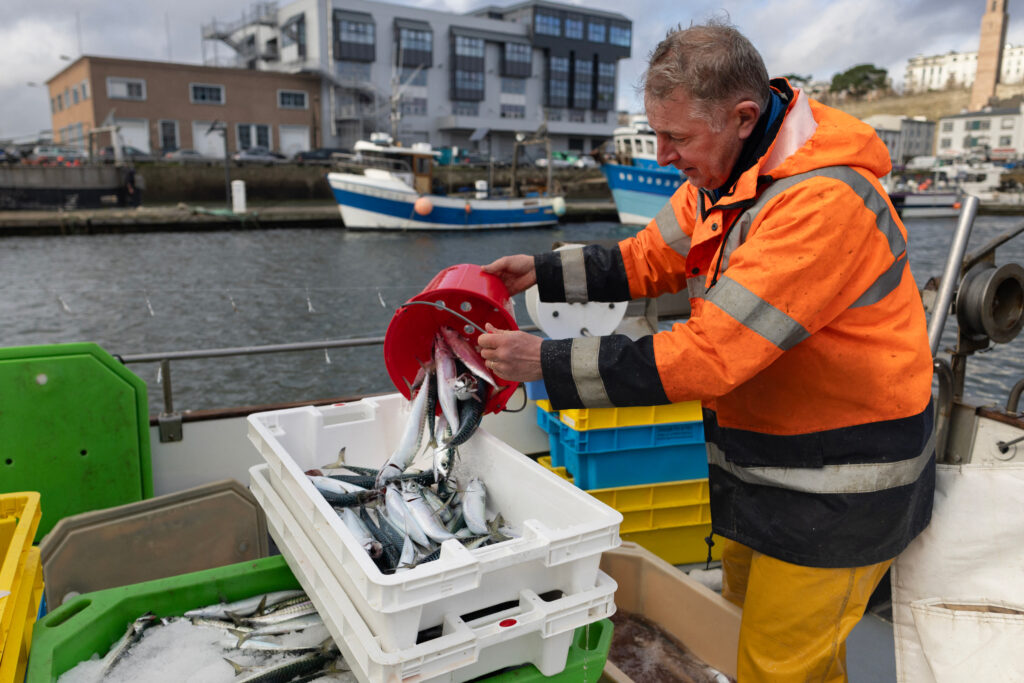
Norway, Denmark, Iceland, the United Kingdom, the European Union and Russia share the world’s largest and most lucrative Atlantic mackerel supply. The population has declined by over 10 million tons since 2014, driven by aggressive overfishing. The industry is valued at more than $1 billion annually.

By accepting optional cookies, you consent to the processing of your personal data. Some third parties are outside of the European Economic Area, with varying standards of data protection. See the privacy policy for more information on the use of personal data on the site.
Pavel Partha is an ethnobotanist and activist. He is the director of the Bangladesh Resource Center for Indigenous Knowledge. He has been conducting ethnobotanical research in Bangladesh for almost two decades. He believes development decisions should account for both ecological and social impacts. His grandmother taught him that all human beings are part of this planet.
Jerry Melillo has spent 37 years studying heated plots in the Harvard Forest in central Massachusetts. During the fourth decade of warming, stable portions of soil organic matter, once believed to resist warming mediated decomposition, also began to break down. The finding suggests that forest soils may contribute more carbon to the atmosphere under continued warming than scientists previously expected.
Small-scale agriculture and logging account for 70% of direct forest loss in Batang Toru ecosystem in Indonesia. The study links the increase in deforestation to changing rural livelihoods, commercial banana farming, and widespread abuse of a legal community logging mechanism. The authors say protecting the endangered Tapanuli orangutan will require tackling both large-scale development projects and cumulative pressures from small-scale forest clearing.
Some of the most meaningful progress happens gradually. Positive News magazine wants to hear about the positive changes you’ve witnessed over time. Tell us what changed, how long it took, and why it has stayed with you in the form below. We will publish the favourite answers in the next issue of Positive News.
Bill Bonner from Youghal, Ireland is complaining about the heat wave. His grandson from Florida enjoyed swimming in freezing cold water in the ocean. The worst of the heat has passed in Paris, but it's still in the '90s there. People are getting into the 'heat wave' mentality.
Norway, Denmark, Iceland, the United Kingdom, the European Union and Russia share the world’s largest and most lucrative Atlantic mackerel supply. The population has declined by over 10 million tons since 2014, driven by aggressive overfishing. The industry is valued at more than $1 billion annually.
By accepting optional cookies, you consent to the processing of your personal data. Some third parties are outside of the European Economic Area, with varying standards of data protection. See the privacy policy for more information on the use of personal data on the site.