
Weekly digital edition of SPIEGEL includes e-paper (PDF), digital archive and S+ newsletter. Free access to all S+ articles on SPIEGel.de and in the app (e-paper, digital archive, and newsletter). For more information, visit the website.
,regionOfInterest=(966,631)&hash=7de8253b07d9b5e4dfbf5f83ed07204b8bdd9b588574c263e1013bf295b22a70)
Munich issues a general decree on the use of drinking water on Tuesday. Munich's water supply is "extremely strained" because of the extreme heat wave and drought in Germany. A large part of Germany is affected by below-average soil moisture. The spring of 2026 was already significantly too dry, which further increased evaporation.
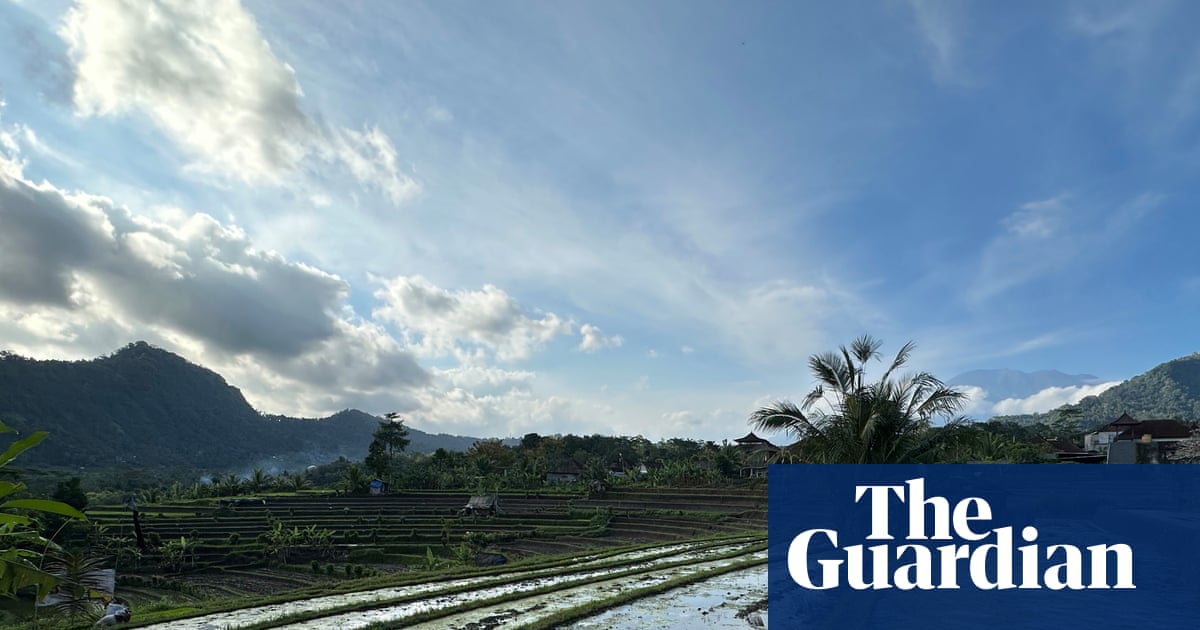
I Putu Partayasa, 52, is a farmer in Uluwatu, Bali. His field has water, but his neighbour's does not. Bali has lost more than 6,500 hectares of rice fields in the past 5 years, a decline of more than 9%. Bali recorded more than 16 million tourists in 2024, four times its population. Tourism consumes over 65% of Bali’s fresh water.

Kenya, Uganda, Somalia, Bangladesh, Pakistan and Afghanistan are at risk from a record-strength El Niño weather pattern. Aid groups are urging donors to fund preventive measures now rather than wait for disaster to strike. El Niño is a natural shift in Pacific Ocean temperatures that recurs every two to seven years. It can bring flooding, disease and drought to vulnerable communities.
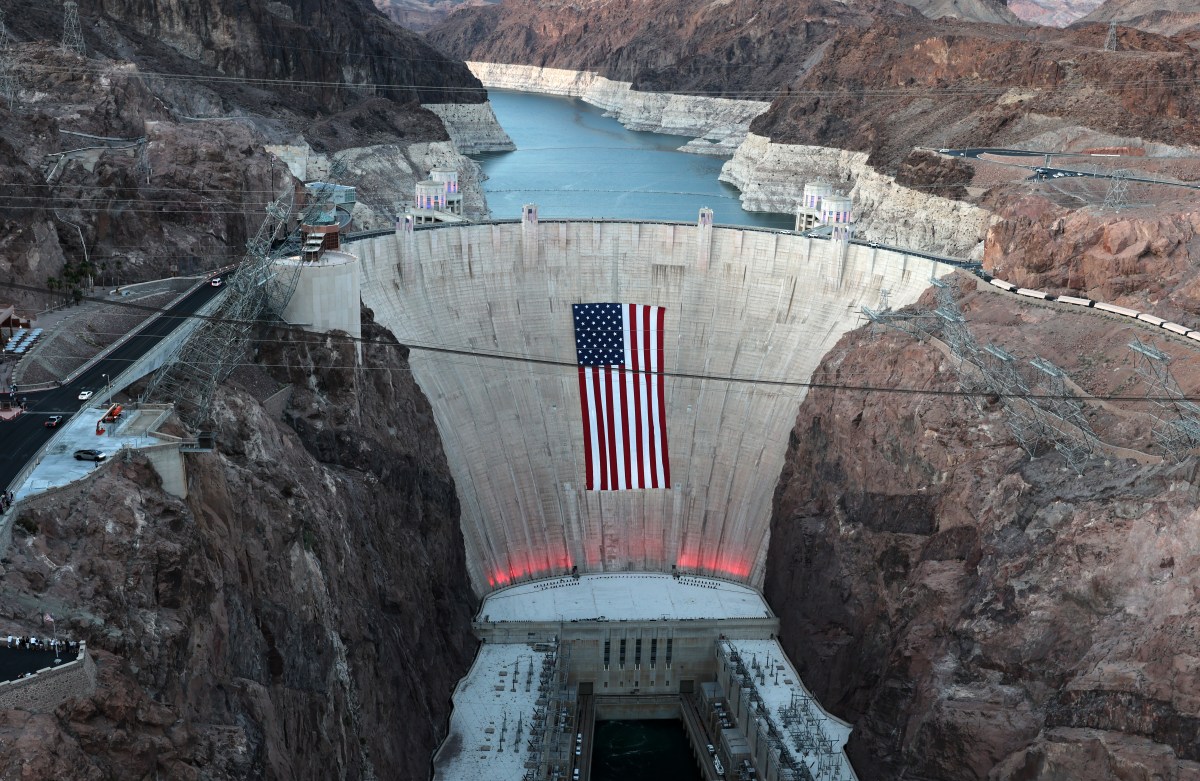
Lake Mead is only 27 percent full, while Lake Powell is 23 percent full. The reservoirs are under pressure after more than two decades of drought in the Colorado River Basin. The river irrigates millions of acres of farmland and provides water for tens of millions in the West. Arizona, California and Nevada proposed to conserve up to 1 million acre-feet of Colorado River water through 2028.
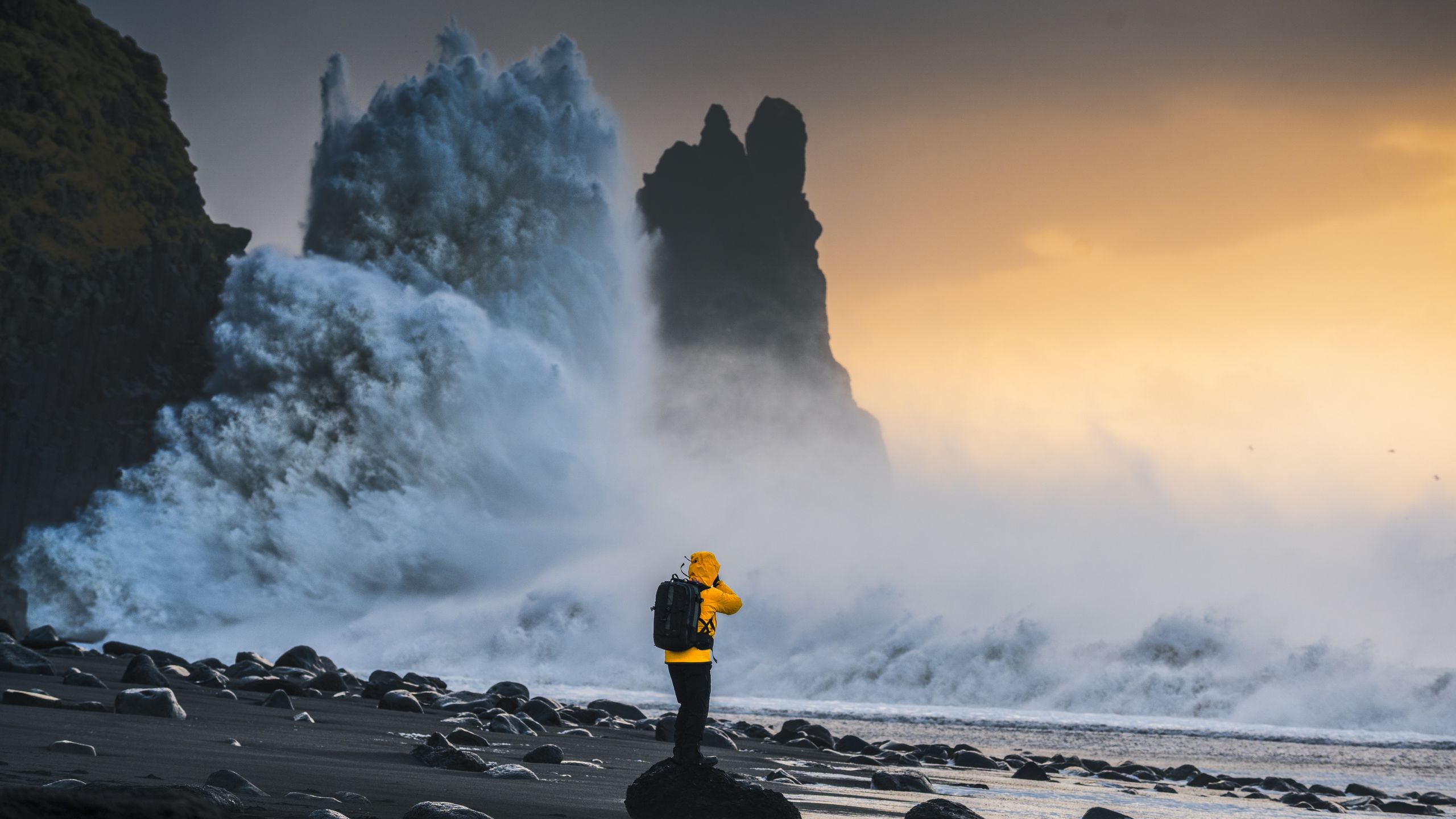
Sönke Dangendorf is a professor at Tulane University and the lead author of the Nature Climate Change study on sea level rise. The study found that human-driven climate change has quadrupled the frequency of coastal sea level extremes since 1900. The silver lining is that humans are the dominant forcing behind these changes.
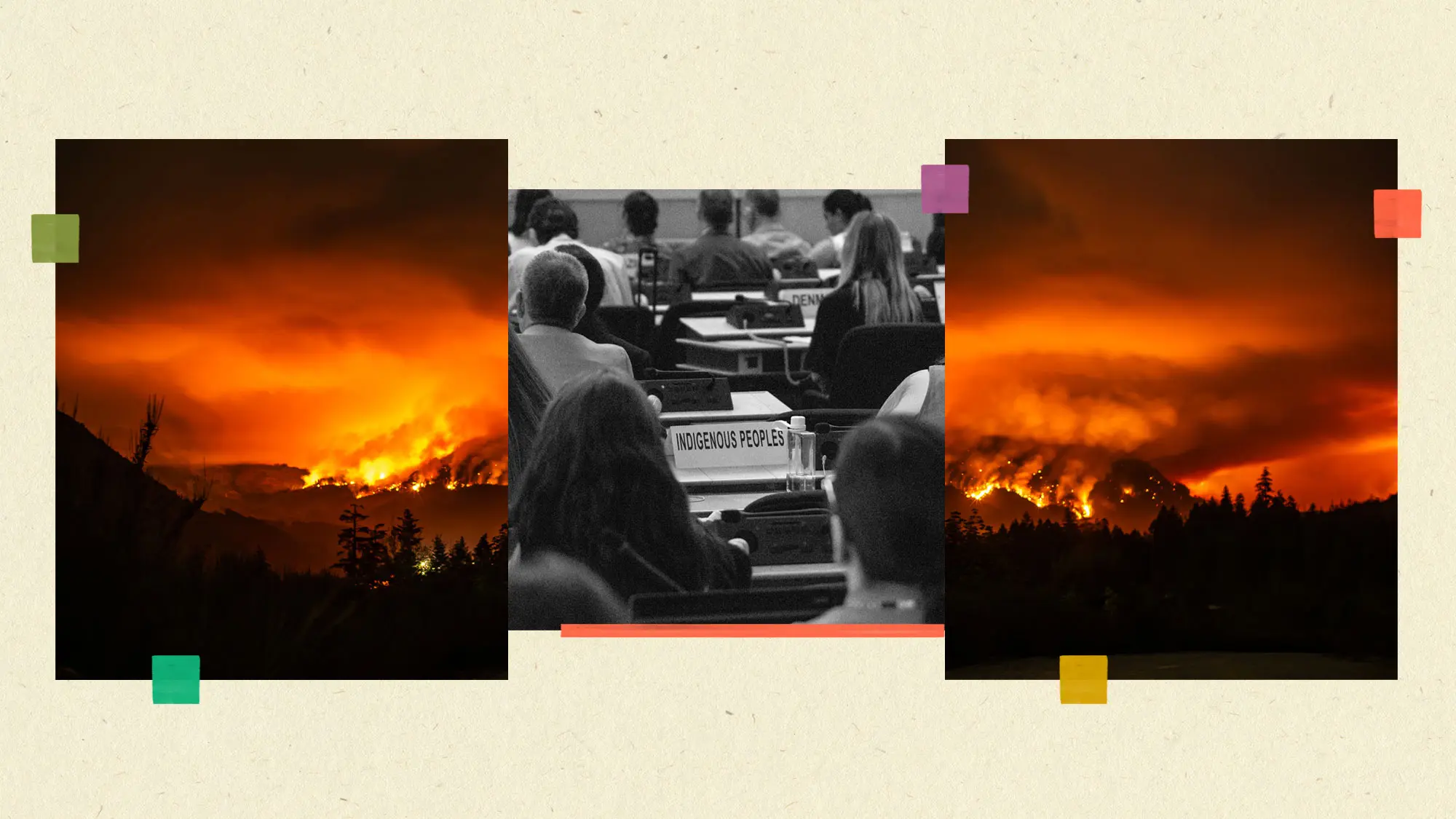
There was an out-of-control wildfire that threatened the remote Xeni Gwet’in First Nation in western Canada in April. Indigenous leaders complain about Canada's inadequate emergency communications with their communities. The United Nations Expert Mechanism on the Rights of Indigenous Peoples is meeting in Geneva this week. Delegates are urging local and national authorities to consult directly with them to better protect Indigenous lives and lands.
,regionOfInterest=(2865,1095)&hash=5a35c27b3576fe566443aba1f0e85f08cbeffb8c880f47f134e0b62b9ed991aa)
After heavy rain, a flash flood occurred in Rhineland-Palatinate on July 14th to 15th, 2021. 136 people died. Children from the Ahr Valley talk about how the flood shapes their lives to this day. For many children, the catastrophe was particularly noticeable in the months that followed.
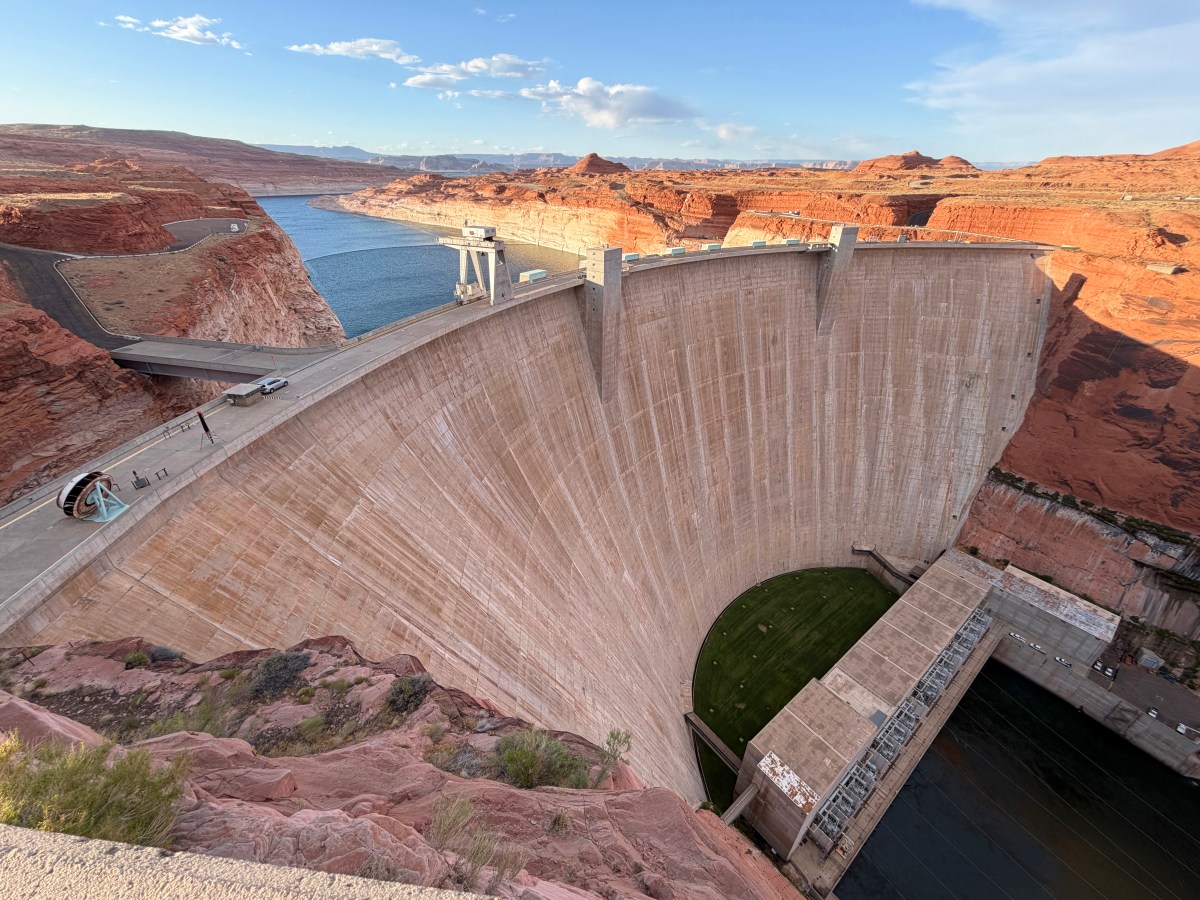
Lake Powell's surface measured at 3,524.3 feet above sea level on Sunday. Glen Canyon Dam's minimum power pool is 3,490 feet. Without major intervention, Lake Powell could fall below that level by August 2026. The drought-stricken Colorado River provides municipal water to about 40 million people, supports more than 8 billion kilowatt-hours of hydropower a year, and sustains 5.5 million acres of farmland. USBR's emergency plans to bolster Lake Powell may have knock-on effects for downstream Lake Mead.
Weekly digital edition of SPIEGEL includes e-paper (PDF), digital archive and S+ newsletter. Free access to all S+ articles on SPIEGel.de and in the app (e-paper, digital archive, and newsletter). For more information, visit the website.
Munich issues a general decree on the use of drinking water on Tuesday. Munich's water supply is "extremely strained" because of the extreme heat wave and drought in Germany. A large part of Germany is affected by below-average soil moisture. The spring of 2026 was already significantly too dry, which further increased evaporation.
I Putu Partayasa, 52, is a farmer in Uluwatu, Bali. His field has water, but his neighbour's does not. Bali has lost more than 6,500 hectares of rice fields in the past 5 years, a decline of more than 9%. Bali recorded more than 16 million tourists in 2024, four times its population. Tourism consumes over 65% of Bali’s fresh water.
Kenya, Uganda, Somalia, Bangladesh, Pakistan and Afghanistan are at risk from a record-strength El Niño weather pattern. Aid groups are urging donors to fund preventive measures now rather than wait for disaster to strike. El Niño is a natural shift in Pacific Ocean temperatures that recurs every two to seven years. It can bring flooding, disease and drought to vulnerable communities.
Lake Mead is only 27 percent full, while Lake Powell is 23 percent full. The reservoirs are under pressure after more than two decades of drought in the Colorado River Basin. The river irrigates millions of acres of farmland and provides water for tens of millions in the West. Arizona, California and Nevada proposed to conserve up to 1 million acre-feet of Colorado River water through 2028.
Sönke Dangendorf is a professor at Tulane University and the lead author of the Nature Climate Change study on sea level rise. The study found that human-driven climate change has quadrupled the frequency of coastal sea level extremes since 1900. The silver lining is that humans are the dominant forcing behind these changes.
There was an out-of-control wildfire that threatened the remote Xeni Gwet’in First Nation in western Canada in April. Indigenous leaders complain about Canada's inadequate emergency communications with their communities. The United Nations Expert Mechanism on the Rights of Indigenous Peoples is meeting in Geneva this week. Delegates are urging local and national authorities to consult directly with them to better protect Indigenous lives and lands.
After heavy rain, a flash flood occurred in Rhineland-Palatinate on July 14th to 15th, 2021. 136 people died. Children from the Ahr Valley talk about how the flood shapes their lives to this day. For many children, the catastrophe was particularly noticeable in the months that followed.
Lake Powell's surface measured at 3,524.3 feet above sea level on Sunday. Glen Canyon Dam's minimum power pool is 3,490 feet. Without major intervention, Lake Powell could fall below that level by August 2026. The drought-stricken Colorado River provides municipal water to about 40 million people, supports more than 8 billion kilowatt-hours of hydropower a year, and sustains 5.5 million acres of farmland. USBR's emergency plans to bolster Lake Powell may have knock-on effects for downstream Lake Mead.