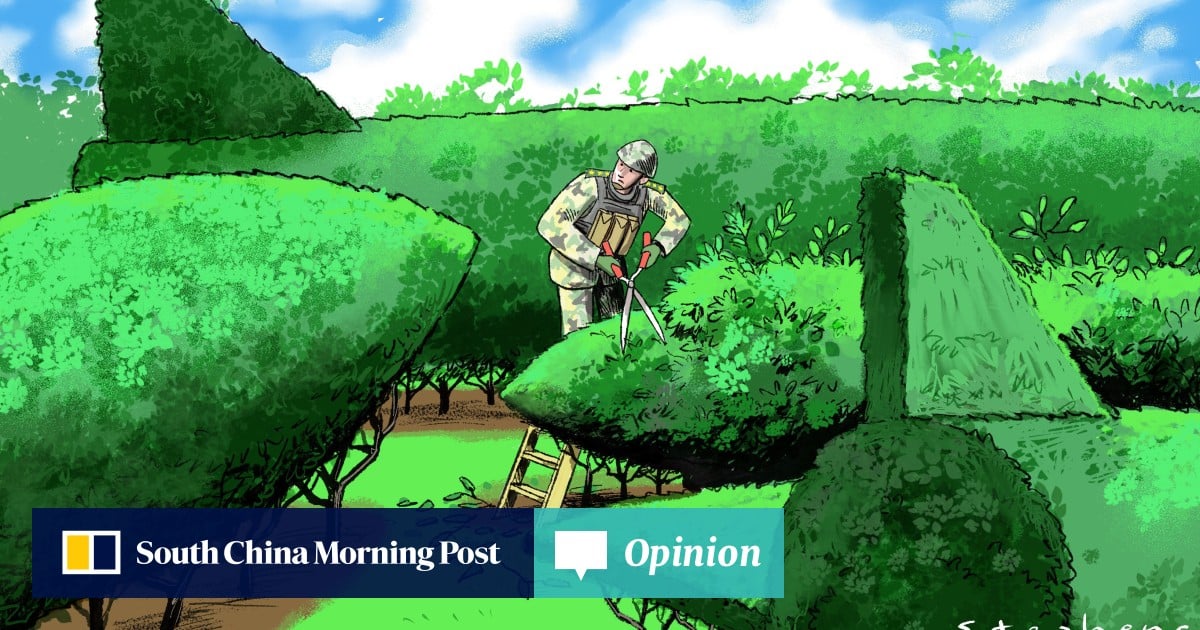
On July 6, a Chinese strategic nuclear submarine fired a missile into a designated area of the Pacific. Australia, Japan, the United States and Pacific nations raised concerns about the lack of notification and the politics of nuclear-free zones. The test was read through several lenses: evidence of Beijing’s maturing second-strike capability, a challenge to US allies and partners, and a signal to states already reassessing nuclear weapons policy.
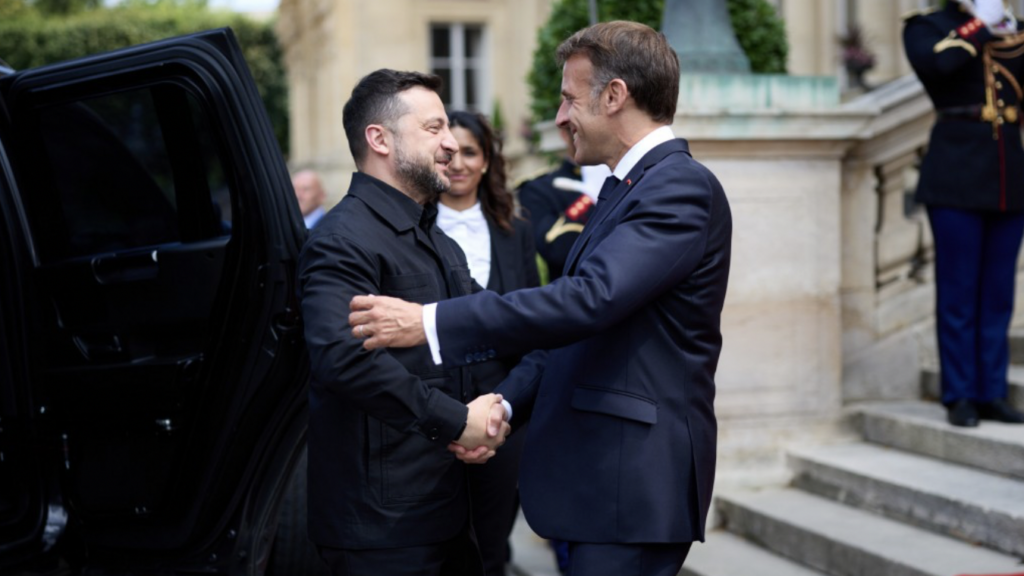
Nine European countries have partnered with Ukraine to create a new anti-ballistic coalition. The United Kingdom, Spain, Norway, Sweden, Italy, the Netherlands, Denmark, France and Germany officially joined the project. Ukraine's president called Russia's ability to deploy ballistic missiles at scale "its last major advantage" in the war.
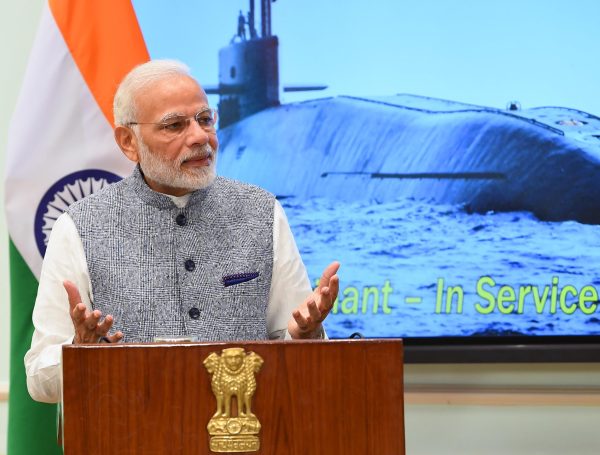
India's nuclear-powered ballistic missile submarine (SSBNB) program has come a long way since the commissioning of INS Arihant in 2016. India has three operational SSBNs, with a fourth, INS Arisudan, set to join the fleet in 2027. The bastion strategy, pioneered by the Soviet Navy, advocates deploying the SSBN fleet within a heavily defended maritime zone near one’s shores. The CASD strategy, associated with the U.S., UK and France, requires maintaining at least one fully armed SSBN on deterrent patrol round the clock.

Michael Kimmage is Director of the Kennan Institute and author of Collisions: The Origins of the War in Ukraine and the New Global Instability. Hanna Notte is Director at the James Martin Center for Nonproliferation Studies. She is the author of We Shall Outlast Them: Putin’s Global Campaign to Defeat the West.

In his 2027 budget request, Donald Trump wants to spend $1.5 trillion on defense. This is the biggest surge in U.S. defense spending since the Korean War. It's the biggest increase since the Cold War, when the U. S. spent less than 3.5 percent of GDP on defense, which is a 70-year low. The priority is modernizing the nuclear deterrent, building the Golden Dome missile defense system, expanding shipbuilding and replenishing depleted munitions stockpiles.
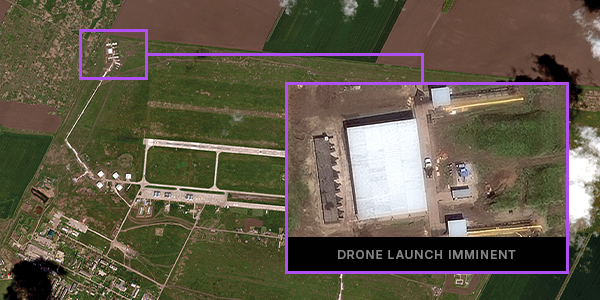
Europe's security requirements demand a shift from asset-centric to system-centric thinking. Space-based intelligence is moving from a specialized capability to a core element of national resilience. Vantor provides the foundation, platform, and AI-powered tools needed to build and operate sovereign intelligence systems.

The New York Times reported that Russia has turned Japan into a "den of spies" and a key source of weapons components. The report cited Ukrainian government estimates that 90% of Russian missiles and drones contain Japanese components. It alleged that Russia’s operations in Japan were being run by a Russian intelligence operative working under cover at the Tokyo office of Russian airline Aeroflot.
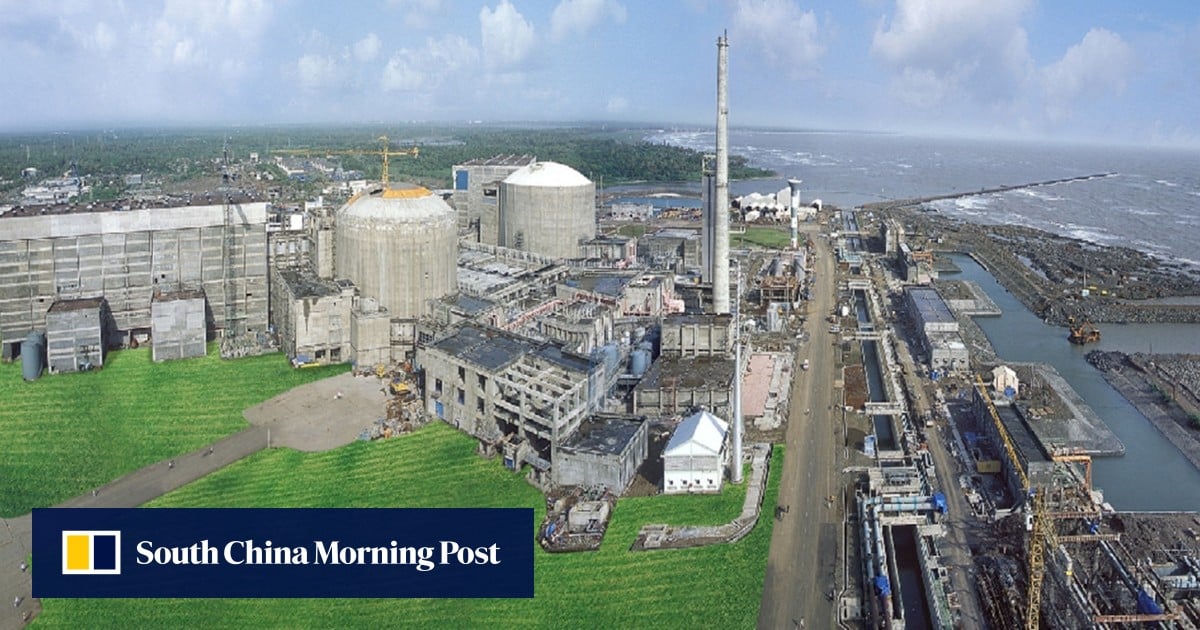
Australia will sell uranium to India. The deal was signed last week during Indian PM Narendra Modi's visit. India is not a signatory to the Nuclear Non-Proliferation Treaty. The agreement will help India shore up fuel security for its planned nuclear expansion. It also signals deeper strategic trust between the two countries.
On July 6, a Chinese strategic nuclear submarine fired a missile into a designated area of the Pacific. Australia, Japan, the United States and Pacific nations raised concerns about the lack of notification and the politics of nuclear-free zones. The test was read through several lenses: evidence of Beijing’s maturing second-strike capability, a challenge to US allies and partners, and a signal to states already reassessing nuclear weapons policy.
Nine European countries have partnered with Ukraine to create a new anti-ballistic coalition. The United Kingdom, Spain, Norway, Sweden, Italy, the Netherlands, Denmark, France and Germany officially joined the project. Ukraine's president called Russia's ability to deploy ballistic missiles at scale "its last major advantage" in the war.
India's nuclear-powered ballistic missile submarine (SSBNB) program has come a long way since the commissioning of INS Arihant in 2016. India has three operational SSBNs, with a fourth, INS Arisudan, set to join the fleet in 2027. The bastion strategy, pioneered by the Soviet Navy, advocates deploying the SSBN fleet within a heavily defended maritime zone near one’s shores. The CASD strategy, associated with the U.S., UK and France, requires maintaining at least one fully armed SSBN on deterrent patrol round the clock.
Michael Kimmage is Director of the Kennan Institute and author of Collisions: The Origins of the War in Ukraine and the New Global Instability. Hanna Notte is Director at the James Martin Center for Nonproliferation Studies. She is the author of We Shall Outlast Them: Putin’s Global Campaign to Defeat the West.
In his 2027 budget request, Donald Trump wants to spend $1.5 trillion on defense. This is the biggest surge in U.S. defense spending since the Korean War. It's the biggest increase since the Cold War, when the U. S. spent less than 3.5 percent of GDP on defense, which is a 70-year low. The priority is modernizing the nuclear deterrent, building the Golden Dome missile defense system, expanding shipbuilding and replenishing depleted munitions stockpiles.
Europe's security requirements demand a shift from asset-centric to system-centric thinking. Space-based intelligence is moving from a specialized capability to a core element of national resilience. Vantor provides the foundation, platform, and AI-powered tools needed to build and operate sovereign intelligence systems.
The New York Times reported that Russia has turned Japan into a "den of spies" and a key source of weapons components. The report cited Ukrainian government estimates that 90% of Russian missiles and drones contain Japanese components. It alleged that Russia’s operations in Japan were being run by a Russian intelligence operative working under cover at the Tokyo office of Russian airline Aeroflot.
Australia will sell uranium to India. The deal was signed last week during Indian PM Narendra Modi's visit. India is not a signatory to the Nuclear Non-Proliferation Treaty. The agreement will help India shore up fuel security for its planned nuclear expansion. It also signals deeper strategic trust between the two countries.