
China's economy grew at 4.3% in the second quarter, the slowest rate of expansion in more than three years. June exports jumped 27% from a year earlier, helping the world's second-largest economy record a trade surplus of $125.6bn in June, up from $105.4bn the previous month. However, job creation in China is lagging, which will put pressure on China's trading partners.

The economy grew 4.3 percent in the second quarter, Beijing said this week. It is significantly less than the 4.5 to 5 percent growth that Beijing has targeted for this year. David Daokui Li, a professor at Beijing's elite Tsinghua University, has taken a strong stance against the K-shaped development of the Chinese economy. He is perhaps the country's most public economist and active on China's social media.

Taiwan has spent the past decade strengthening its image as a democratic partner of the United States. Political leaders from both major parties portrayed Taiwan as a frontline democracy confronting authoritarian pressure from China. According to the Reagan Institute’s 2026 Summer Survey, younger Americans express lower levels of concern about China than older generations.
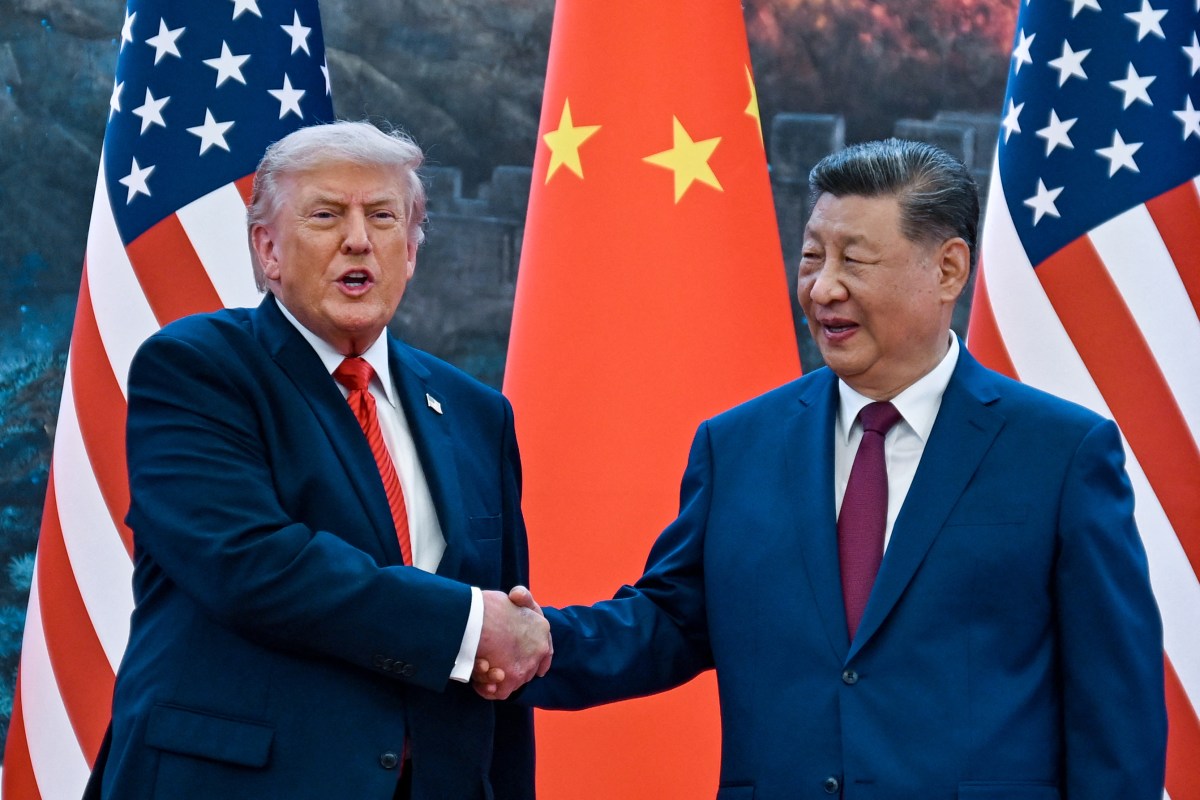
After a rocky period, the U.S.-China relationship has found its groove, according to Chinese officials and academics I met in Beijing. Trump has walked back his aggressive tariff policies and relaxed export controls on high-end AI semiconductors. He has also stopped arms shipments to Taiwan.
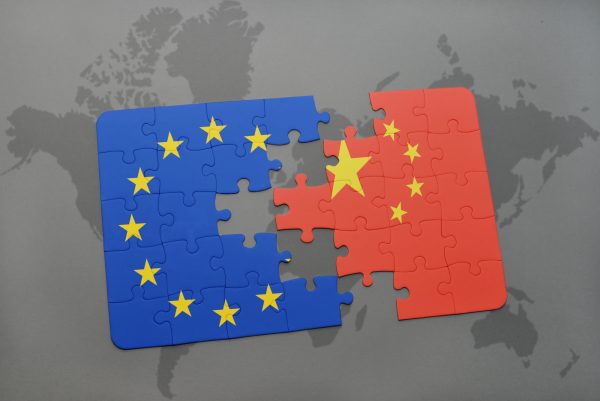
China's fragility is reinforcing political control at home and assertive posture abroad. China's weak domestic demand is pushing excess capacity abroad. Europe needs to diversify supply chains and export markets and work more closely with partners across the Global South. Europe should use market access, investment, and technological cooperation as bargaining power.
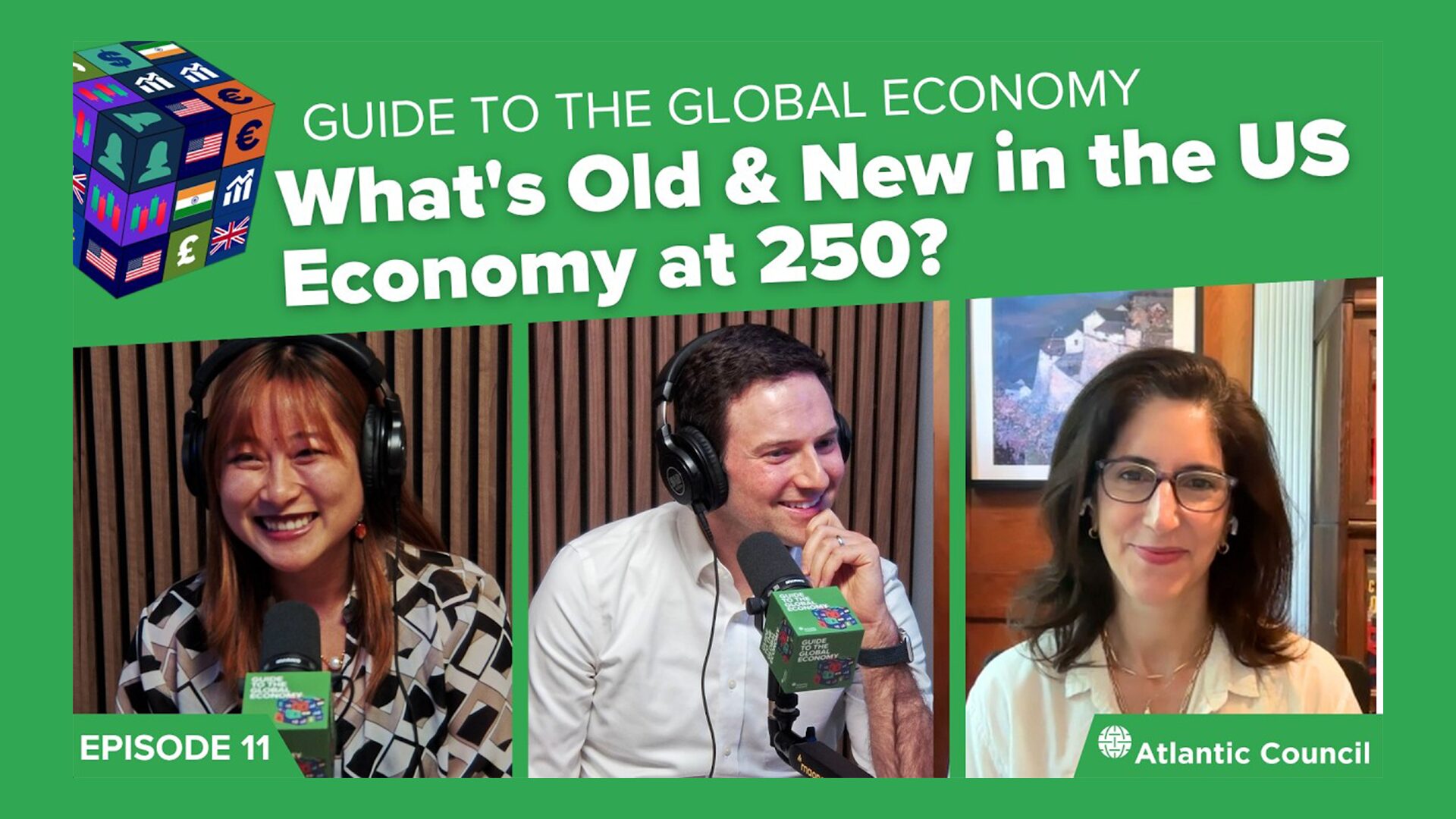
Guide to the Global Economy is your go-to podcast for navigating the intersection of global economics, finance, national security, and geopolitics. Rana Foroohar, global business columnist and associate editor at the Financial Times, joins Josh and Jessie for a tour de force through US economic history.

EU-China relations are being defined in two very different ways at the same time. Both sides want to stabilize and rebalance the relationship in order to prevent trade tensions from turning into a broader trade war. Strategically, the EU is moving toward a more explicit security framing of China in the context of the Russia-Ukraine war.
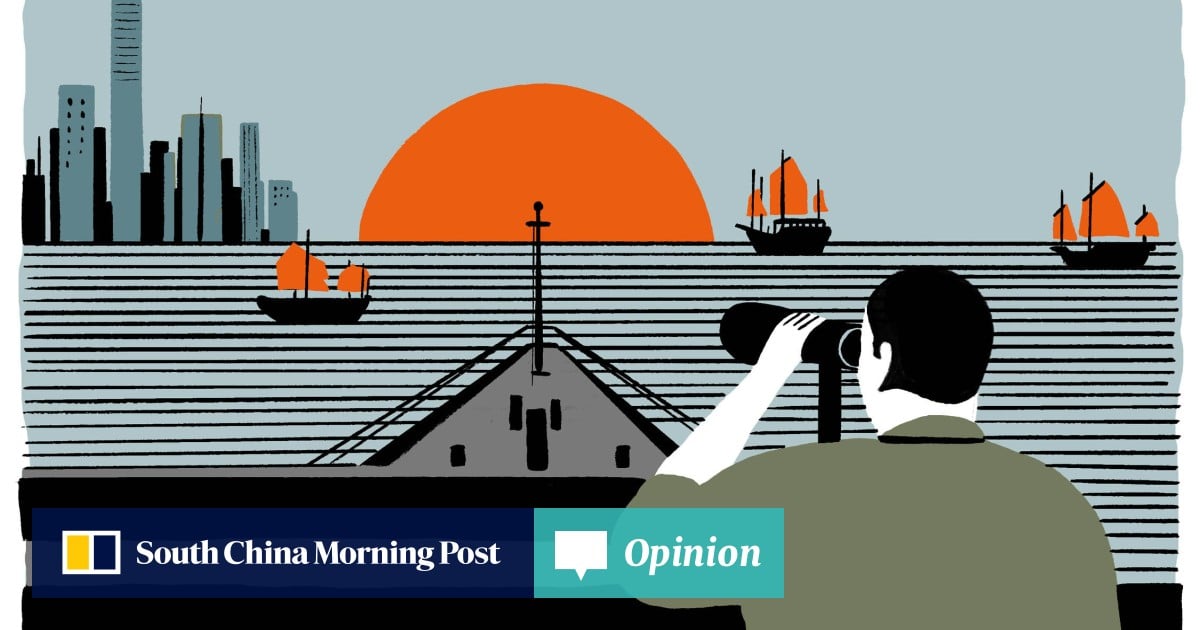
14,000 free tickets to visit the People's Liberation Army's naval vessels during their stopover in Hong Kong were claimed within minutes of being released. Families queued online for the opportunity to step aboard the ships. The scenes stood in contrast to those of July 1997 when the PLA Hong Kong Garrison was stationed following the handover.
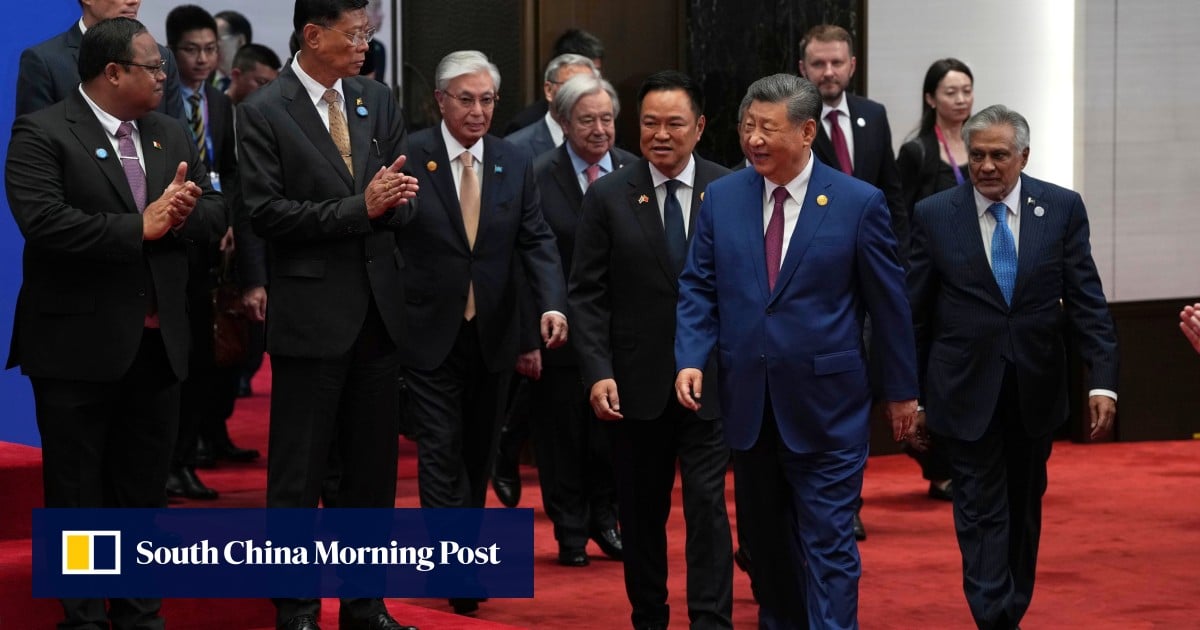
President Xi Jinping spoke at the opening ceremony of the 2026 World Artificial Intelligence Conference in Shanghai. It was his first in-person appearance at the event since its launch in 2018. It is viewed as a signal of Beijing's intention to lead global AI governance amid an intensifying US-China tech rivalry. Trump accused Beijing of orchestrating the “largest compromise of election data in history” in a prime-time address to the US.
China's economy grew at 4.3% in the second quarter, the slowest rate of expansion in more than three years. June exports jumped 27% from a year earlier, helping the world's second-largest economy record a trade surplus of $125.6bn in June, up from $105.4bn the previous month. However, job creation in China is lagging, which will put pressure on China's trading partners.
The economy grew 4.3 percent in the second quarter, Beijing said this week. It is significantly less than the 4.5 to 5 percent growth that Beijing has targeted for this year. David Daokui Li, a professor at Beijing's elite Tsinghua University, has taken a strong stance against the K-shaped development of the Chinese economy. He is perhaps the country's most public economist and active on China's social media.
Taiwan has spent the past decade strengthening its image as a democratic partner of the United States. Political leaders from both major parties portrayed Taiwan as a frontline democracy confronting authoritarian pressure from China. According to the Reagan Institute’s 2026 Summer Survey, younger Americans express lower levels of concern about China than older generations.
After a rocky period, the U.S.-China relationship has found its groove, according to Chinese officials and academics I met in Beijing. Trump has walked back his aggressive tariff policies and relaxed export controls on high-end AI semiconductors. He has also stopped arms shipments to Taiwan.
China's fragility is reinforcing political control at home and assertive posture abroad. China's weak domestic demand is pushing excess capacity abroad. Europe needs to diversify supply chains and export markets and work more closely with partners across the Global South. Europe should use market access, investment, and technological cooperation as bargaining power.
Guide to the Global Economy is your go-to podcast for navigating the intersection of global economics, finance, national security, and geopolitics. Rana Foroohar, global business columnist and associate editor at the Financial Times, joins Josh and Jessie for a tour de force through US economic history.
EU-China relations are being defined in two very different ways at the same time. Both sides want to stabilize and rebalance the relationship in order to prevent trade tensions from turning into a broader trade war. Strategically, the EU is moving toward a more explicit security framing of China in the context of the Russia-Ukraine war.
14,000 free tickets to visit the People's Liberation Army's naval vessels during their stopover in Hong Kong were claimed within minutes of being released. Families queued online for the opportunity to step aboard the ships. The scenes stood in contrast to those of July 1997 when the PLA Hong Kong Garrison was stationed following the handover.
President Xi Jinping spoke at the opening ceremony of the 2026 World Artificial Intelligence Conference in Shanghai. It was his first in-person appearance at the event since its launch in 2018. It is viewed as a signal of Beijing's intention to lead global AI governance amid an intensifying US-China tech rivalry. Trump accused Beijing of orchestrating the “largest compromise of election data in history” in a prime-time address to the US.