
There was a heatwave in the UK and wildfires in Europe and North America this week. The European Commission announced a target for electricity to account for 46% of energy consumption across the bloc by 2040. Incoming UK PM Andy Burnham is preparing to announce new North Sea drilling within days of taking office. Trump cuts to clean energy support delayed hundreds of projects and changed environmental law to allow development of endangered species.

Charles Gagnon and Louis-Philippe Beauchamp studied the relationship between water and land in the Milette and Aux Sables rivers in Trois-Rivières, Quebec. They found that the more the watershed is waterproofed, the more uniform the emerging insect community becomes. The more sensitive and larger species gradually fade away.

There are more than 150 animal species in a precarious situation on Quebec territory due to climate change, habitat loss, pollution and the introduction of exotic species. Environmental DNA (eDNA) is being used more to inventory biodiversity more quickly and without harming animals. EDNA is used to monitor the reproduction of lake sturgeon.

Nepal is home to more than 900 bird species, including the endemic spiny babbler (Turdoides nipalensis). Of these, 172 species are nationally threatened owing to urbanization, infrastructure development and climate change. Birdwatchers spend up to 40,000 rupees ($260) per trip, but the travel sector remains dominated by trekking and religious tourism.

There was a puma-related death in Boulder, Colorado in January. Christopher Spatz re-read David Baron’s The Beast in the Garden, a book on the relationship between humans and pumas. The author argued that Boulder's laissez-faire rewilding of its neighborhoods unleashed a plague of wild animals.
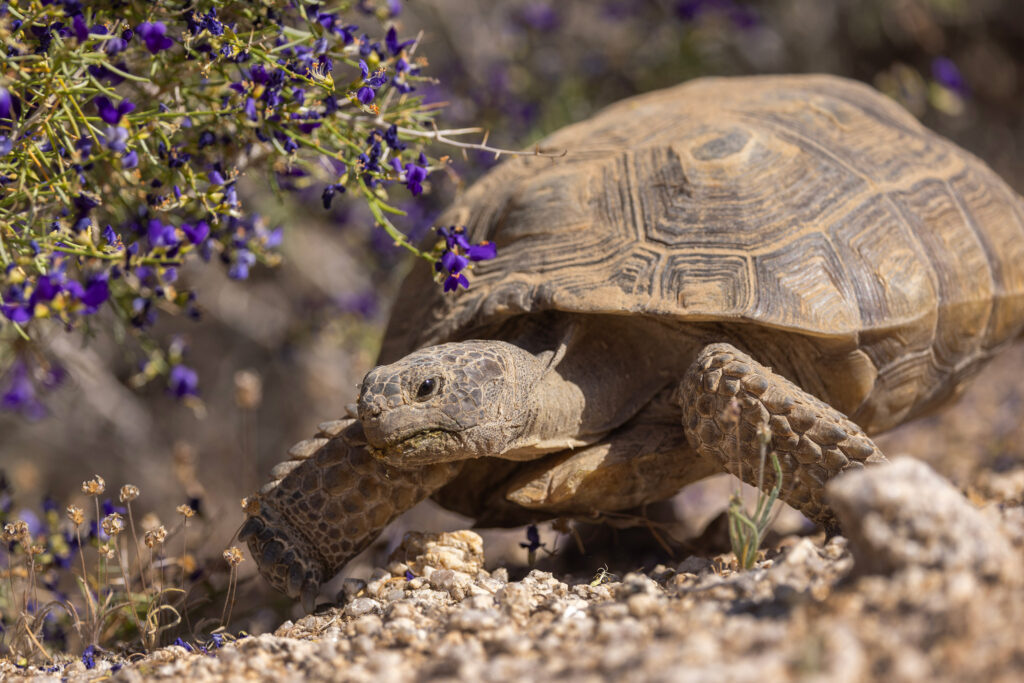
The Trump administration has rescinded the majority of habitat protections for endangered species under the Endangered Species Act. Environmental groups and tribes are suing the administration over the decision. Experts say it's the most profound change to the law since it was first enacted in 1973. It's the latest in a series of moves by the Trump administration to weaken the law to benefit politically powerful industries.
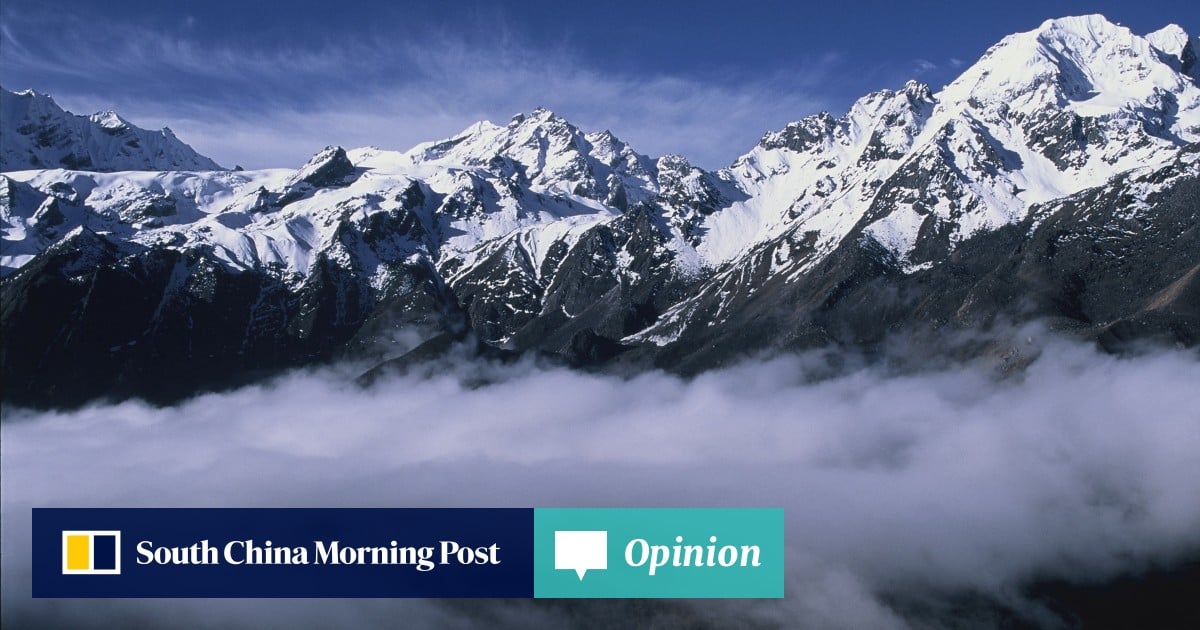
The UN agreed on its 17 Sustainable Development Goals in 2015, but only 18% of them seem to be achievable by 2030. The focus should be on the Amazon, Borneo and the Hindu Kush Himalaya, which hold vast swathes of the Earth’s terrestrial carbon and sustain one-quarter of all known species.
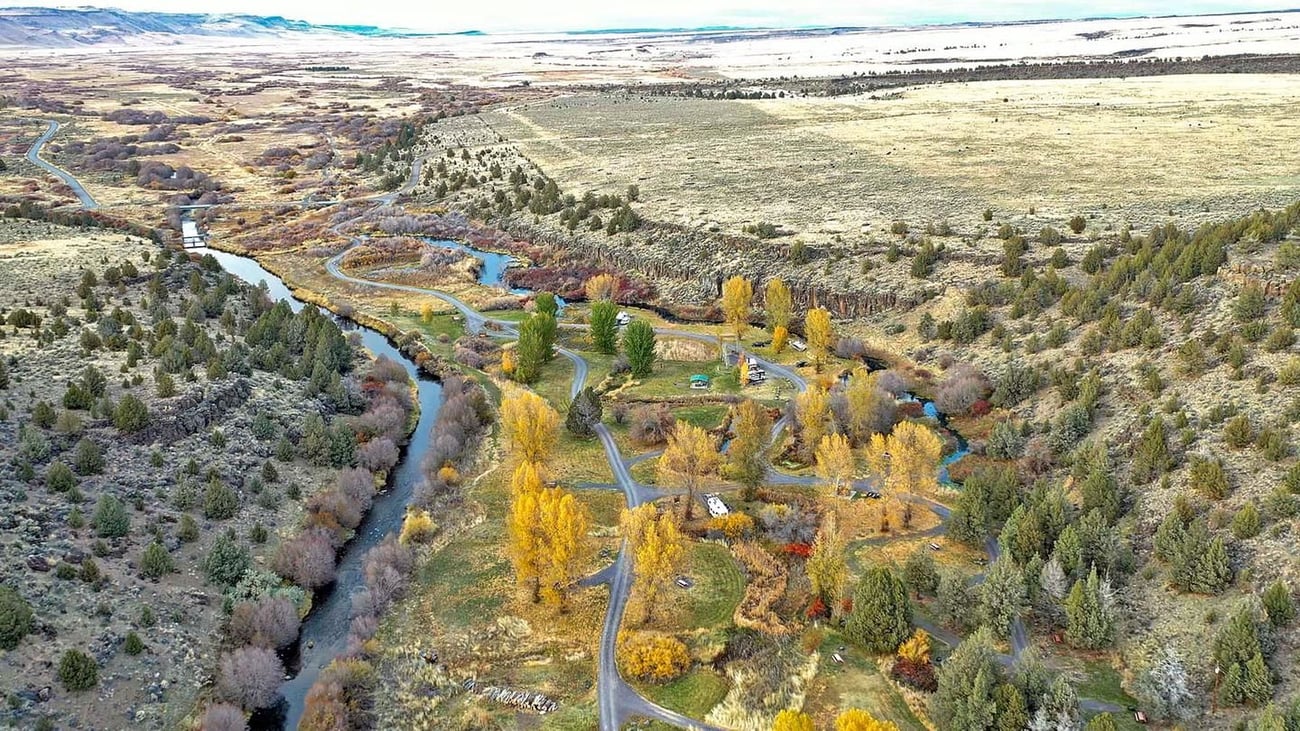
Alvord chub and Great Basin ramshorn are two of five freshwater species at the center of a new suit against the U.S. Fish and Wildlife Service. The Center for Biological Diversity says the service failed to issue timely findings on the welfare of the species. The group details threats to the species posed by cattle grazing, climate change, pollution, logging and recreation.

Share on X (Opens in new window) to see what's on the page you're looking at. x. Share on Facebook too. Share on Twitter, but don't share it with others. X. Share in Facebook.
There was a heatwave in the UK and wildfires in Europe and North America this week. The European Commission announced a target for electricity to account for 46% of energy consumption across the bloc by 2040. Incoming UK PM Andy Burnham is preparing to announce new North Sea drilling within days of taking office. Trump cuts to clean energy support delayed hundreds of projects and changed environmental law to allow development of endangered species.
Charles Gagnon and Louis-Philippe Beauchamp studied the relationship between water and land in the Milette and Aux Sables rivers in Trois-Rivières, Quebec. They found that the more the watershed is waterproofed, the more uniform the emerging insect community becomes. The more sensitive and larger species gradually fade away.
There are more than 150 animal species in a precarious situation on Quebec territory due to climate change, habitat loss, pollution and the introduction of exotic species. Environmental DNA (eDNA) is being used more to inventory biodiversity more quickly and without harming animals. EDNA is used to monitor the reproduction of lake sturgeon.
Nepal is home to more than 900 bird species, including the endemic spiny babbler (Turdoides nipalensis). Of these, 172 species are nationally threatened owing to urbanization, infrastructure development and climate change. Birdwatchers spend up to 40,000 rupees ($260) per trip, but the travel sector remains dominated by trekking and religious tourism.
There was a puma-related death in Boulder, Colorado in January. Christopher Spatz re-read David Baron’s The Beast in the Garden, a book on the relationship between humans and pumas. The author argued that Boulder's laissez-faire rewilding of its neighborhoods unleashed a plague of wild animals.
The Trump administration has rescinded the majority of habitat protections for endangered species under the Endangered Species Act. Environmental groups and tribes are suing the administration over the decision. Experts say it's the most profound change to the law since it was first enacted in 1973. It's the latest in a series of moves by the Trump administration to weaken the law to benefit politically powerful industries.
The UN agreed on its 17 Sustainable Development Goals in 2015, but only 18% of them seem to be achievable by 2030. The focus should be on the Amazon, Borneo and the Hindu Kush Himalaya, which hold vast swathes of the Earth’s terrestrial carbon and sustain one-quarter of all known species.
Alvord chub and Great Basin ramshorn are two of five freshwater species at the center of a new suit against the U.S. Fish and Wildlife Service. The Center for Biological Diversity says the service failed to issue timely findings on the welfare of the species. The group details threats to the species posed by cattle grazing, climate change, pollution, logging and recreation.
Share on X (Opens in new window) to see what's on the page you're looking at. x. Share on Facebook too. Share on Twitter, but don't share it with others. X. Share in Facebook.