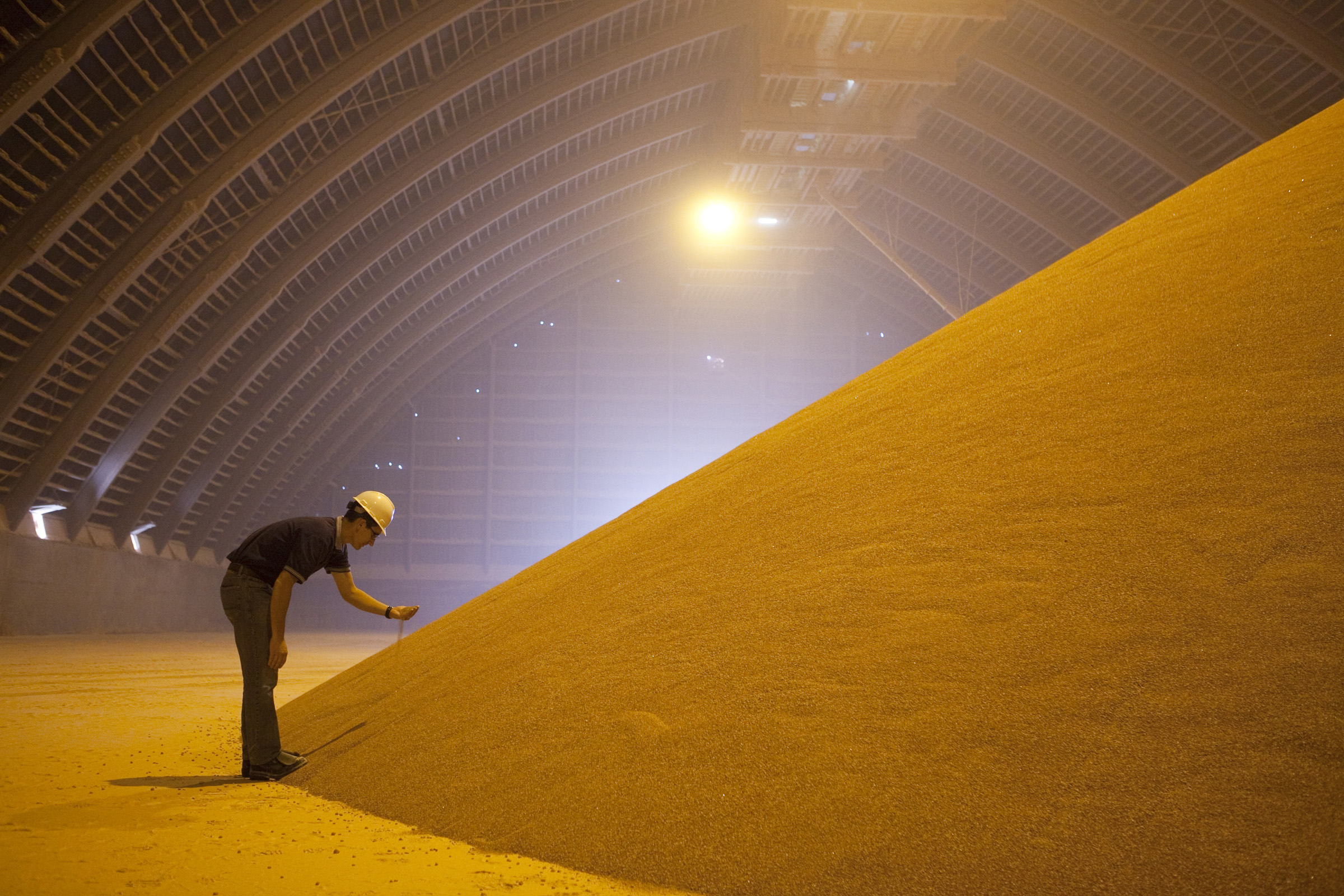
The Strait of Hormuz has restricted the global fertilizer trade due to the Iran war. Potash production is concentrated in four countries: Canada, Russia, Belarus, and China. The United States has an estimated 7 billion tons of potash resources in New Mexico and Utah, but these resources are expensive to develop. The U.S. mines produce only about 8 percent of the 5.9 million metric tons of annual US consumption. The remaining demand is met through imports.
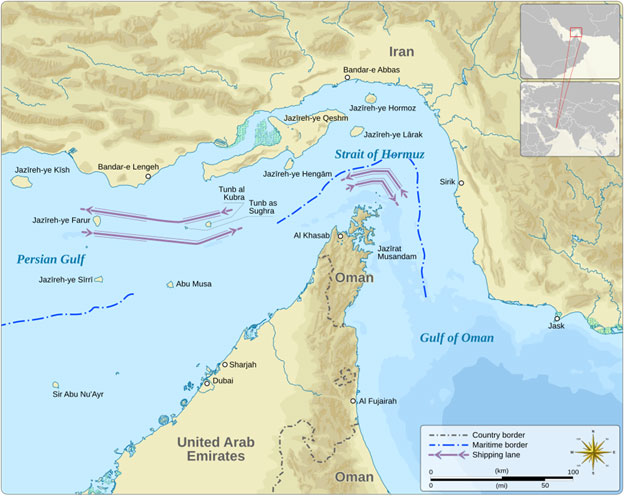
There is a quarter of global seaborne oil trade transiting through Strait of Hormuz. U.S. President Donald Trump had proposed a 20 percent charge on cargo transiting the Strait, but it was dropped after pressure from Gulf allies. Iran-flagged supertankers Mombasa and Al Bahiyah were attacked by Iranian forces on July 12th. On July 15th, a total of five transits were recorded, three inbound and two outbound. LNG and fertilizer-related shipments are at a virtual standstill.
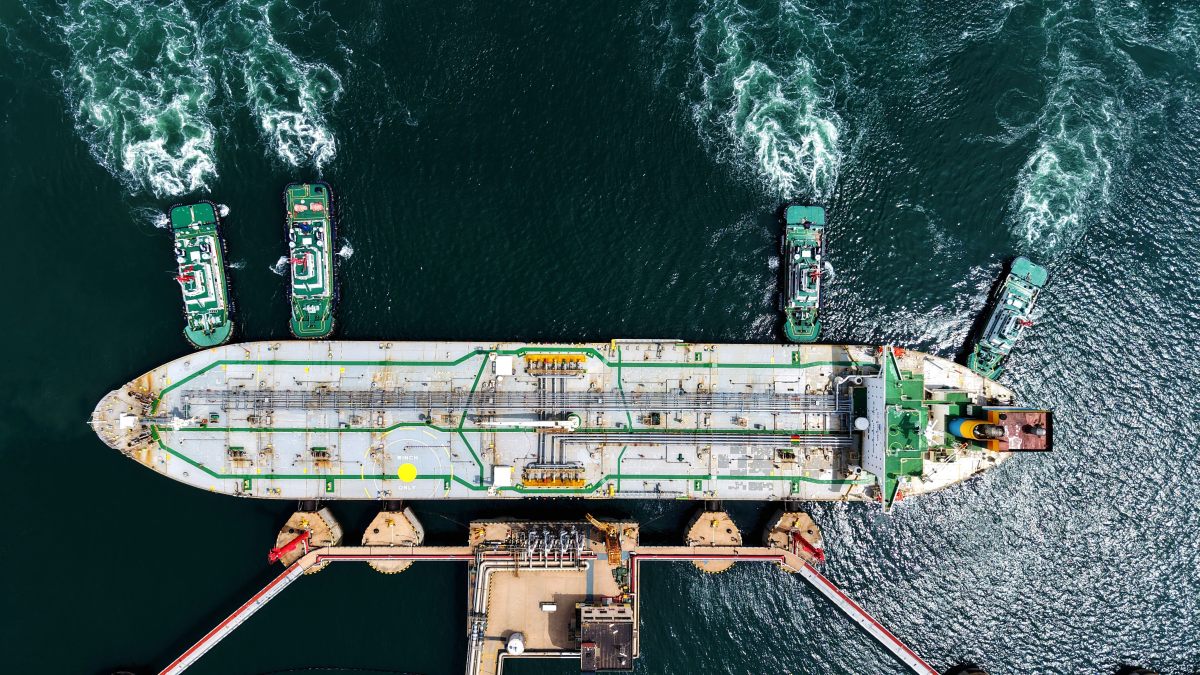
Oil prices rose sharply this week due to the conflict in the Strait of Hormuz. China is the world's largest buyer of crude oil, absorbing 20 percent of all internationally traded barrels last year. China's oil imports have fallen 41.3 percent year over year to their lowest levels in nearly a decade. China has been stockpiling oil and other commodities for years as hedges against global instability. It could last for months to years on its crude oil stocks.

Iran has asked Yemen’s Houthi movement to prepare to close the Bab el-Mandeb Strait if the United States attacks Iranian power infrastructure. Houthis have already deployed missiles and drones near the strategic waterway. The Red Sea is the principal release valve for Gulf oil exports, particularly for Saudi Arabia. A prolonged closure of the strait would likely send oil prices sharply higher.
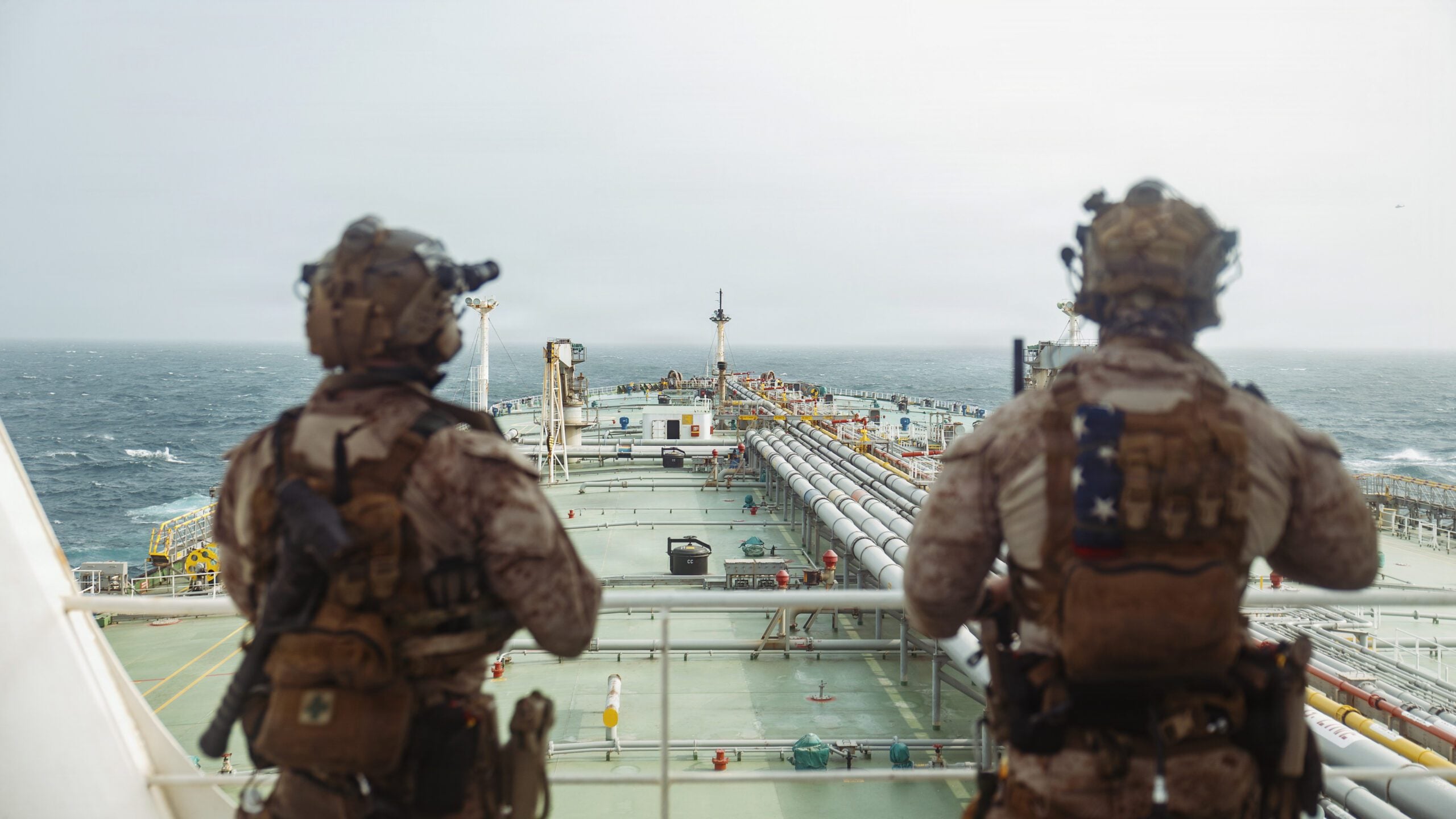
The security threat facing commercial shipping has expanded well beyond the Strait of Hormuz, according to new guidance from tanker industry group INTERTANKO. The warning follows a series of new attacks and incidents involving commercial vessels, including a chemical tanker hit by an anti-ship cruise missile in the Gulf of Oman. The United States has continued its military campaign against Iran for a sixth consecutive night. According to the military, American forces redirected three commercial vessels attempting to enter Iranian ports.
The Strait of Hormuz has restricted the global fertilizer trade due to the Iran war. Potash production is concentrated in four countries: Canada, Russia, Belarus, and China. The United States has an estimated 7 billion tons of potash resources in New Mexico and Utah, but these resources are expensive to develop. The U.S. mines produce only about 8 percent of the 5.9 million metric tons of annual US consumption. The remaining demand is met through imports.
There is a quarter of global seaborne oil trade transiting through Strait of Hormuz. U.S. President Donald Trump had proposed a 20 percent charge on cargo transiting the Strait, but it was dropped after pressure from Gulf allies. Iran-flagged supertankers Mombasa and Al Bahiyah were attacked by Iranian forces on July 12th. On July 15th, a total of five transits were recorded, three inbound and two outbound. LNG and fertilizer-related shipments are at a virtual standstill.
Oil prices rose sharply this week due to the conflict in the Strait of Hormuz. China is the world's largest buyer of crude oil, absorbing 20 percent of all internationally traded barrels last year. China's oil imports have fallen 41.3 percent year over year to their lowest levels in nearly a decade. China has been stockpiling oil and other commodities for years as hedges against global instability. It could last for months to years on its crude oil stocks.
Iran has asked Yemen’s Houthi movement to prepare to close the Bab el-Mandeb Strait if the United States attacks Iranian power infrastructure. Houthis have already deployed missiles and drones near the strategic waterway. The Red Sea is the principal release valve for Gulf oil exports, particularly for Saudi Arabia. A prolonged closure of the strait would likely send oil prices sharply higher.
The security threat facing commercial shipping has expanded well beyond the Strait of Hormuz, according to new guidance from tanker industry group INTERTANKO. The warning follows a series of new attacks and incidents involving commercial vessels, including a chemical tanker hit by an anti-ship cruise missile in the Gulf of Oman. The United States has continued its military campaign against Iran for a sixth consecutive night. According to the military, American forces redirected three commercial vessels attempting to enter Iranian ports.