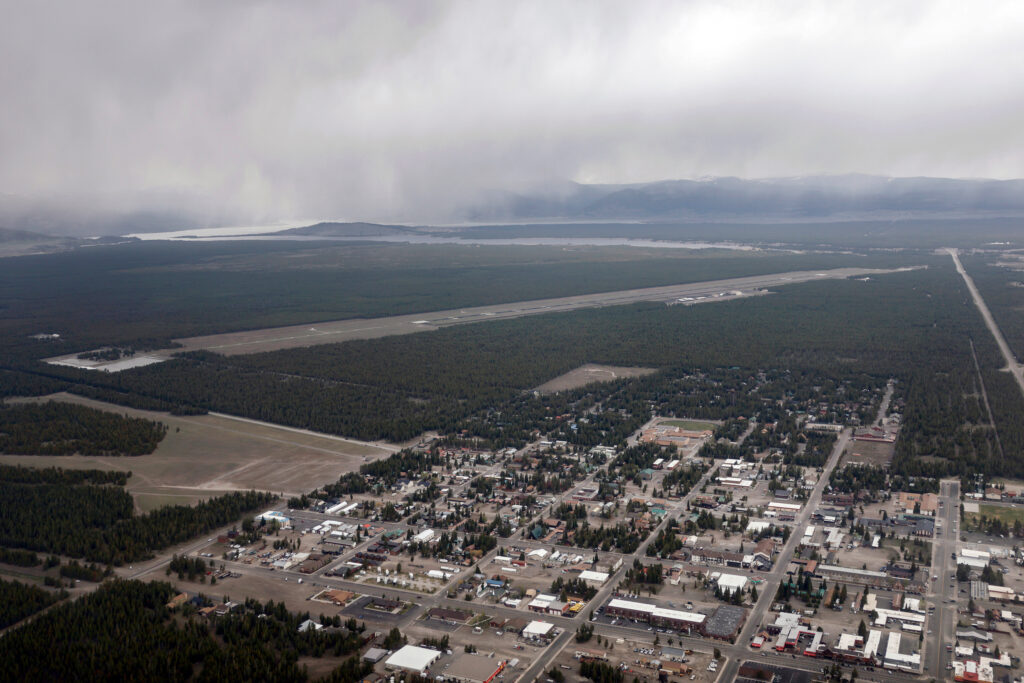
Montana experienced one of the warmest and driest winters on record. The recent heat wave pushed temperatures well into the 90s across western Montana, while portions of the eastern part of the state climbed above 100 degrees Fahrenheit. The prolonged heat is rapidly drying vegetation just weeks after late-June rains temporarily eased wildfire concerns. Climate change is making Montana’s wildfire seasons increasingly unpredictable.
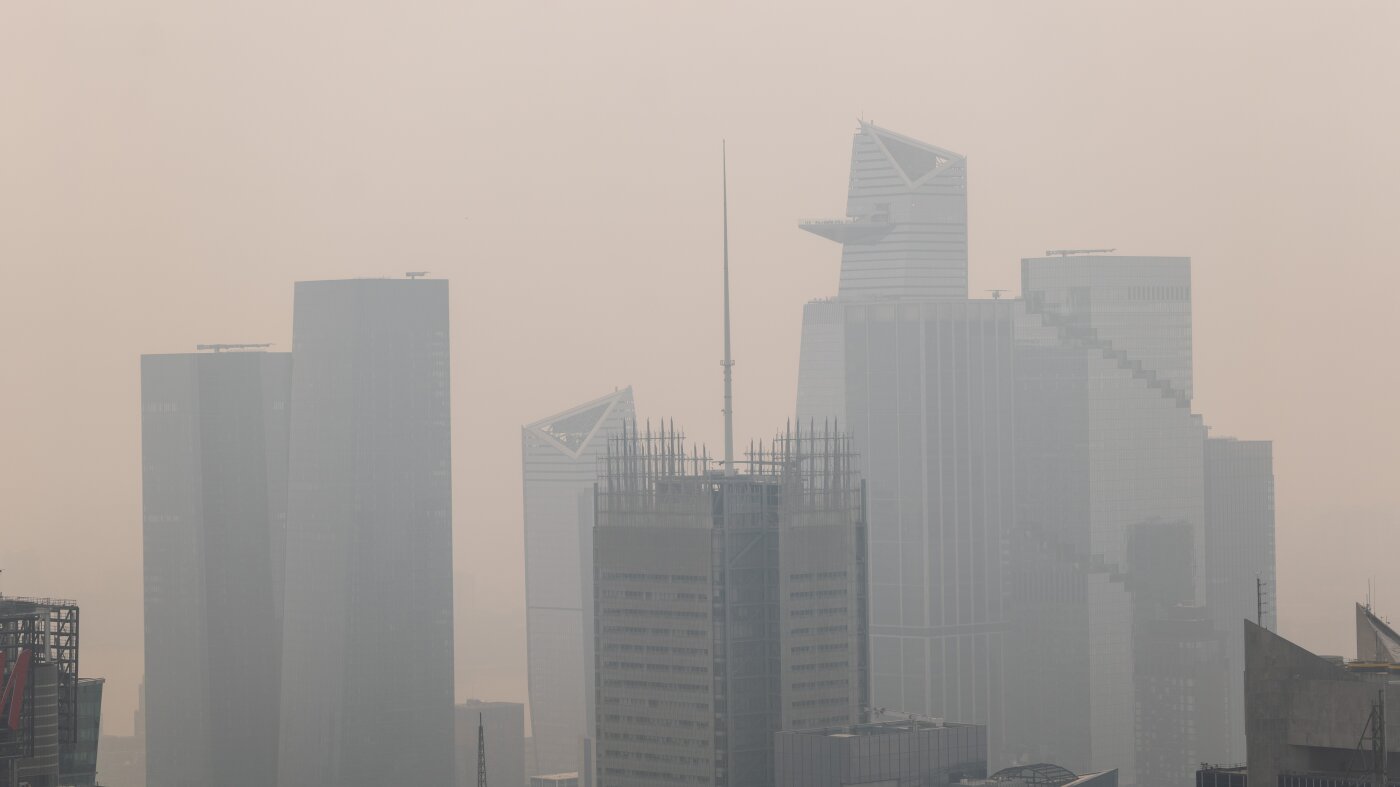
There are more than 800 wildfires burning in Canada and more than 180 in Ontario alone. The smoke from the fires is affecting air quality in several states. The health risks from smoke from wildfires are increasing due to climate change, according to Dr. David Eisenman of the David Geffen School of Medicine at UCLA.
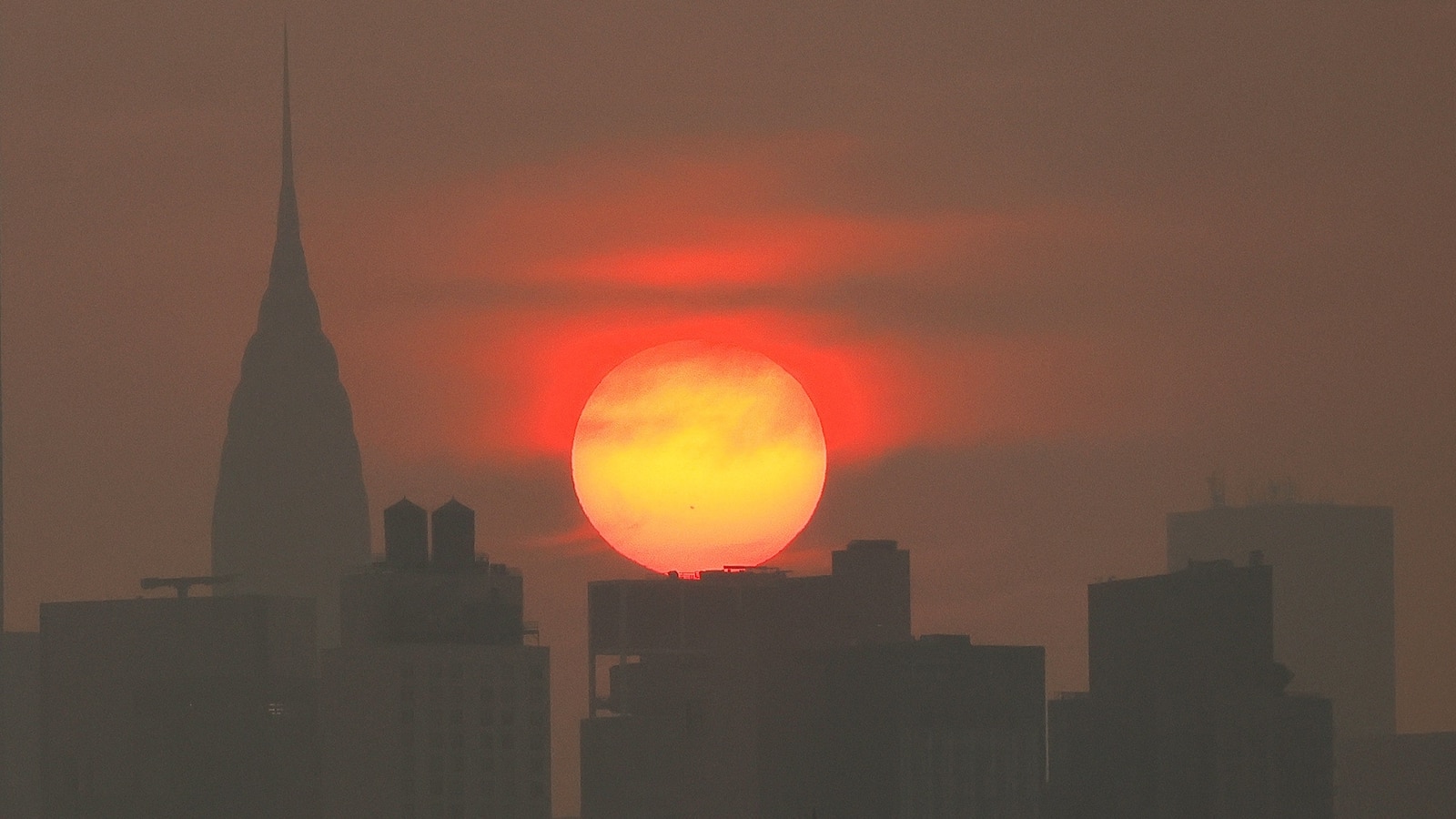
Philadelphia issues a "Code Purple Air Quality Emergency Day" on Friday due to smoke from Canadian wildfires. The smoke from Canada has moved south and is at dangerous levels from Duluth, Minnesota, to Richmond, Virginia, impacting states including Wisconsin, Michigan, Ohio, New York, Pennsylvania, New Jersey, Maryland and Delaware. The worst air quality is expected from Detroit to Cleveland to Pittsburgh to Washington, D.C. by Friday afternoon. Smoke is probable over New York City on Sunday when Spain plays Argentina in the FIFA World Cup Final at MetLife Stadium in New Jersey.
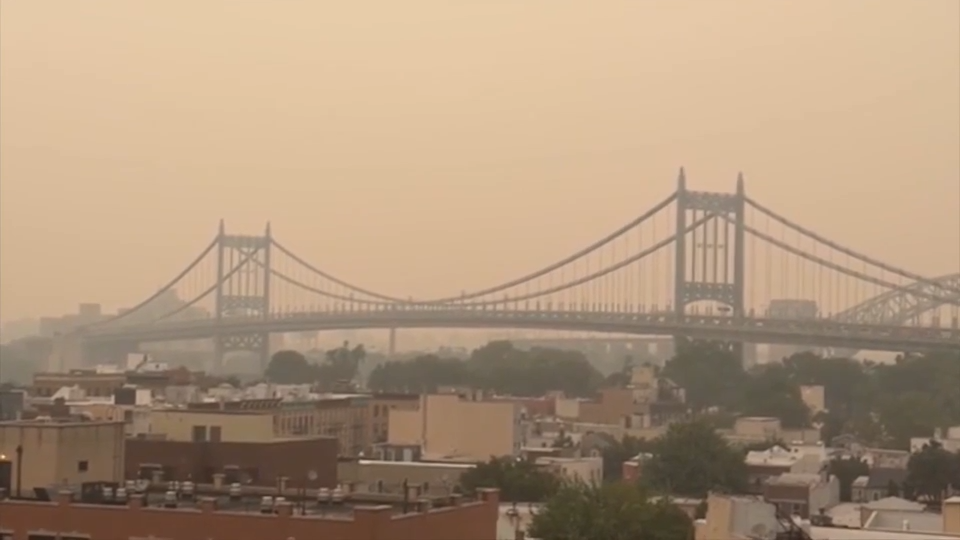
More than 100 million people in 18 states and the District of Columbia are under Air Quality Alerts because of smoke from Canadian wildfires. The smoke is being carried south from Canada in the wind. The weather patterns will determine which parts of the US have the worst smoke each day. Rain and storms are in the forecast, which will help wash the smoke out of the air.
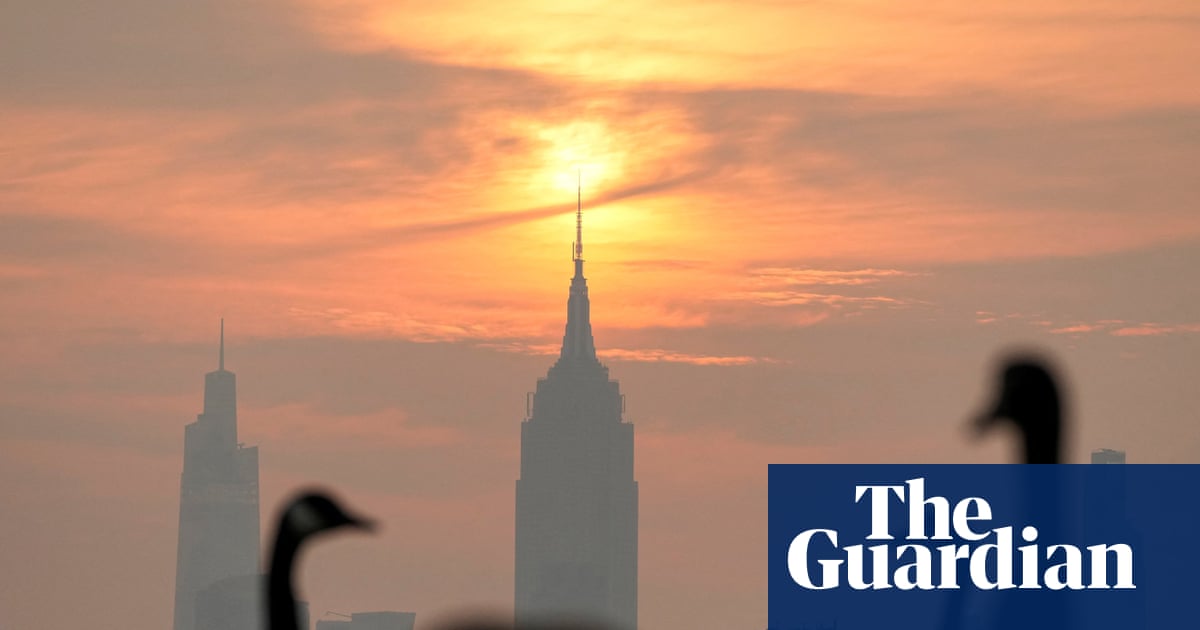
Smoke from Canadian wildfires is affecting 109 million people in the US. Chicago, Detroit, Baltimore and Washington DC have very unhealthy air quality. New York City's air quality is unhealthily low, while in Philadelphia, Cleveland and Detroit it's very unhealthy. Canada's largest wildfire, near Ontario's remote Wabakimi provincial park, is spread across 787,802 acres (318,812 hectares) as of Thursday.
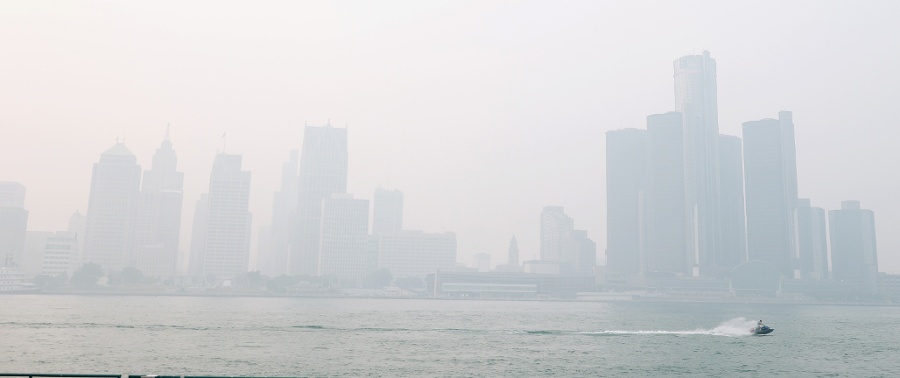
There are more than 850 wildfires burning across Canada, sending smoke into the U.S. Midwest and Northeast. Air quality in New York, Detroit, Chicago, and Minneapolis is very unhealthy. Several communities near Lake Superior in Ontario have been forced to evacuate. Detroit's air quality index briefly surpassed 600.
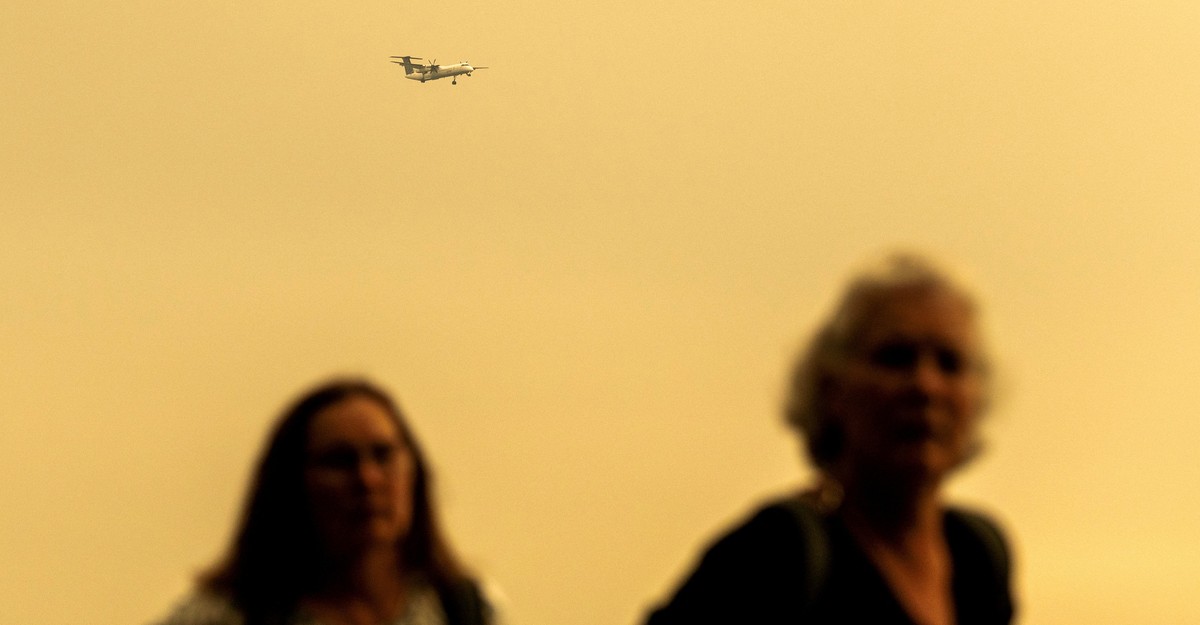
The boreal forests of Canada are on fire. There are 869 active fires in Canada at the moment. Most of them are burning in wilderness areas where authorities don't try to put them out. Toronto has some of the worst air quality in the world this week, and New York City has a sickly gray haze.

A small brushfire ignited in Eagle Rock on Thursday afternoon near the 2 Freeway. One home was significantly damaged and two others were also damaged. All occupants of one of the damaged homes were uninjured. The fire has been stopped, but crews are still working to put out the flames.
Montana experienced one of the warmest and driest winters on record. The recent heat wave pushed temperatures well into the 90s across western Montana, while portions of the eastern part of the state climbed above 100 degrees Fahrenheit. The prolonged heat is rapidly drying vegetation just weeks after late-June rains temporarily eased wildfire concerns. Climate change is making Montana’s wildfire seasons increasingly unpredictable.
There are more than 800 wildfires burning in Canada and more than 180 in Ontario alone. The smoke from the fires is affecting air quality in several states. The health risks from smoke from wildfires are increasing due to climate change, according to Dr. David Eisenman of the David Geffen School of Medicine at UCLA.
Philadelphia issues a "Code Purple Air Quality Emergency Day" on Friday due to smoke from Canadian wildfires. The smoke from Canada has moved south and is at dangerous levels from Duluth, Minnesota, to Richmond, Virginia, impacting states including Wisconsin, Michigan, Ohio, New York, Pennsylvania, New Jersey, Maryland and Delaware. The worst air quality is expected from Detroit to Cleveland to Pittsburgh to Washington, D.C. by Friday afternoon. Smoke is probable over New York City on Sunday when Spain plays Argentina in the FIFA World Cup Final at MetLife Stadium in New Jersey.
More than 100 million people in 18 states and the District of Columbia are under Air Quality Alerts because of smoke from Canadian wildfires. The smoke is being carried south from Canada in the wind. The weather patterns will determine which parts of the US have the worst smoke each day. Rain and storms are in the forecast, which will help wash the smoke out of the air.
Smoke from Canadian wildfires is affecting 109 million people in the US. Chicago, Detroit, Baltimore and Washington DC have very unhealthy air quality. New York City's air quality is unhealthily low, while in Philadelphia, Cleveland and Detroit it's very unhealthy. Canada's largest wildfire, near Ontario's remote Wabakimi provincial park, is spread across 787,802 acres (318,812 hectares) as of Thursday.
There are more than 850 wildfires burning across Canada, sending smoke into the U.S. Midwest and Northeast. Air quality in New York, Detroit, Chicago, and Minneapolis is very unhealthy. Several communities near Lake Superior in Ontario have been forced to evacuate. Detroit's air quality index briefly surpassed 600.
The boreal forests of Canada are on fire. There are 869 active fires in Canada at the moment. Most of them are burning in wilderness areas where authorities don't try to put them out. Toronto has some of the worst air quality in the world this week, and New York City has a sickly gray haze.
A small brushfire ignited in Eagle Rock on Thursday afternoon near the 2 Freeway. One home was significantly damaged and two others were also damaged. All occupants of one of the damaged homes were uninjured. The fire has been stopped, but crews are still working to put out the flames.