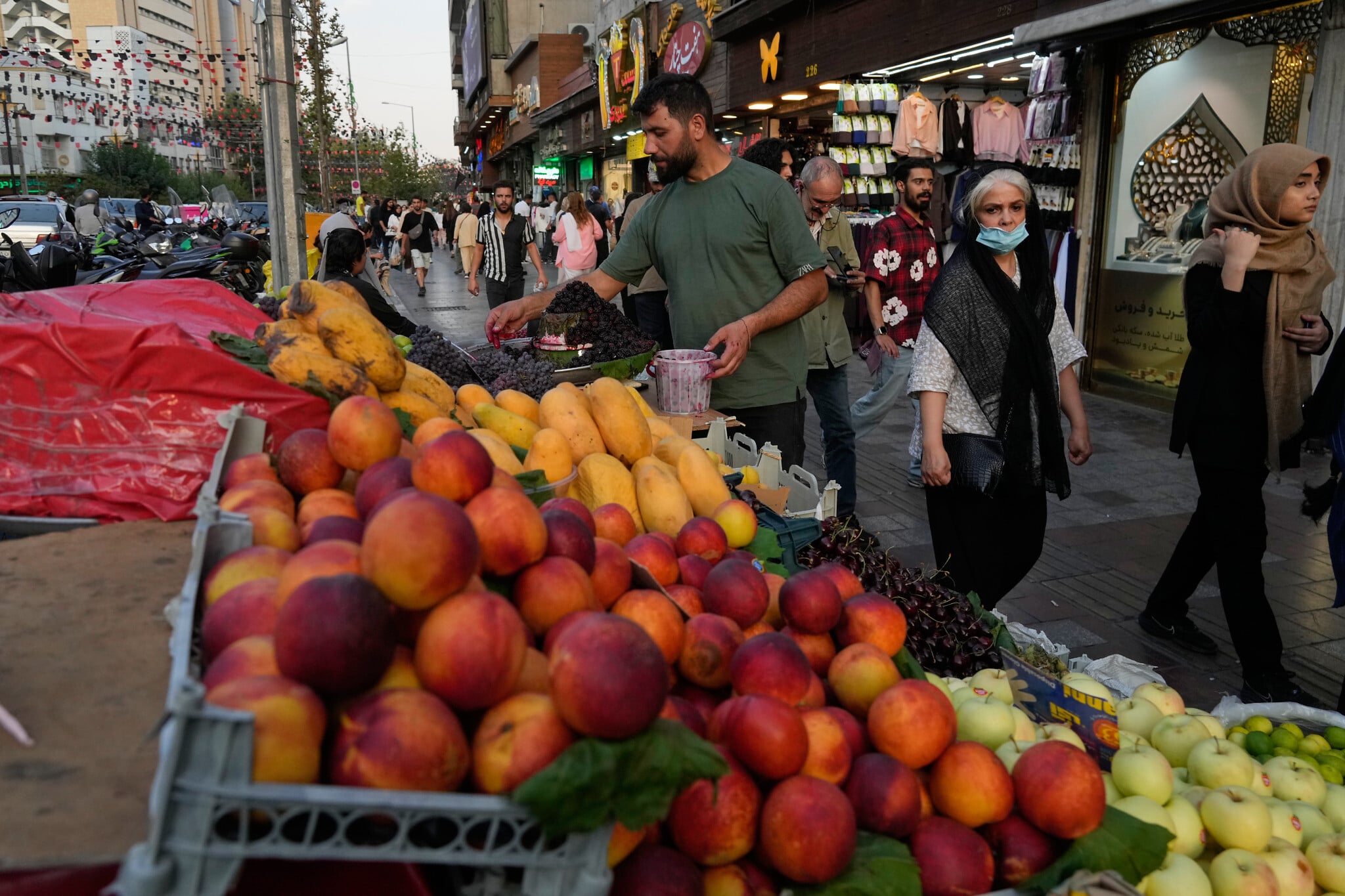
A new wave of US attacks on Iran has plunged Iranians back into deep uncertainty and anxiety after a period of relative calm. Iranians contacted by Reuters via an encrypted messaging app say economic problems are mounting and they are consumed by worries over what will happen next. US forces hit Iran for the sixth consecutive night on Thursday with a wave of airstrikes on bridges. The strikes killed seven people.

At least 8 people were killed and 20 wounded in US attacks on Iran. Kuwait reported an Iranian attack on a power and water plant and Kuwaiti military personnel were wounded in a drone attack on army facilities. Bahrain, Qatar and Bahrain intercepted missiles. Drone and rocket strikes killed nine members of an Iranian Kurdish armed opposition group in Iraq's Kurdistan region. Tanker was hit by an unknown projectile off the coast of Oman. Iran and the United States are fighting over control of the Strait of Hormuz.

The U.S. and Iran have been fighting in the Strait of Hormuz for nearly a week. On Friday, they intensified their conflict by attacking critical infrastructure in the Middle East, including bridges, a surveillance tower and a power plant in Kuwait. At least three people were killed in strikes on the Bandar Khamir bridges in Iran.
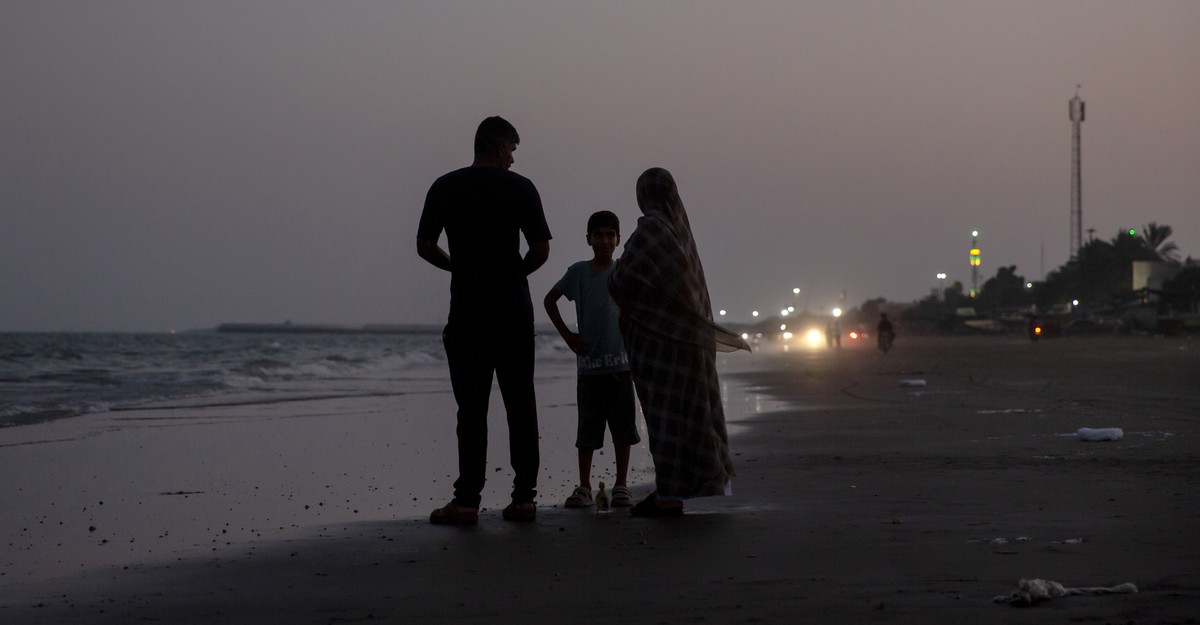
U.S. strikes in the past two weeks have hit the 1,120-mile Iranian coastline and killed more than 30 civilians. Iran launched recurrent attacks on passing ships to reassert control over the Strait of Hormuz. An ultra-hard-line faction within the ruling establishment disapproved of the deal with the United States and pushed for Iran to continue fighting.

Iran attacked Kuwait's desalination plant, Kuwait's Electricity Water and Renewable Energy Ministry says. Tanker hit by projectile off Oman coast, UK maritime agency reports. Iran and the United States exchange fire over control of Strait of Hormuz. German foreign minister proposes replacing UNIFIL mission in Lebanon with EU-mandated force.
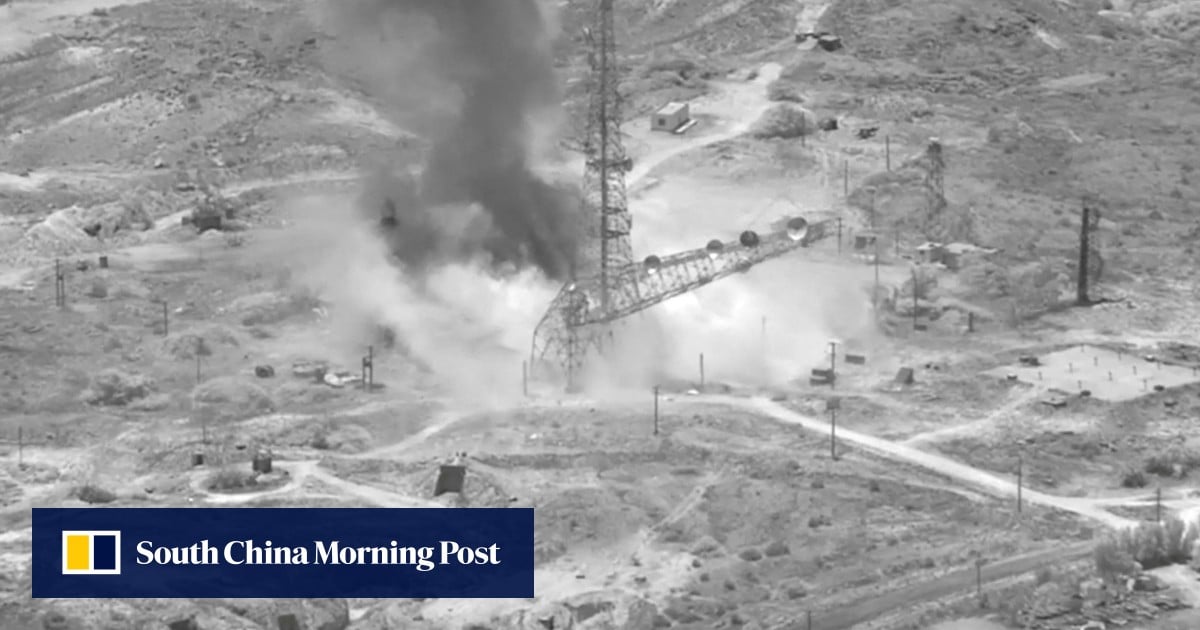
The United States hit Iran on Friday, with Tehran accusing US forces of striking civilian sites and drawing Iranian threats of reprisals on regional infrastructure. The renewed fighting comes a month after the signing of a preliminary deal that aimed to end the conflict, which broke out in late February with massive US-Israeli strikes on Iran. A battle over the strategic Strait of Hormuz has rekindled the war in the Middle East.
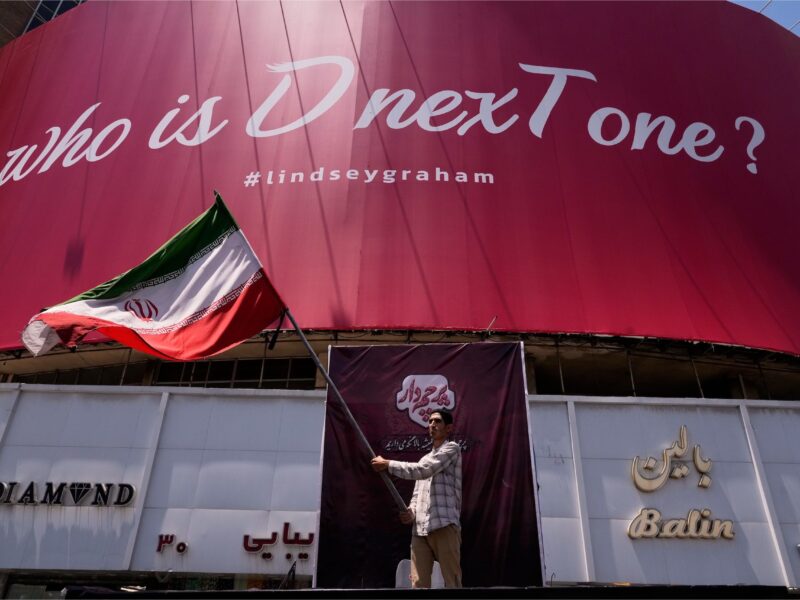
The U.S. expanded its attacks against Iran early Friday by hitting more bridges, more landmarks, a number of sites, a few of them have been attacked. President Donald Trump faces political pressure to bring the war to a close and avoid the kind of prolonged Middle East conflict.
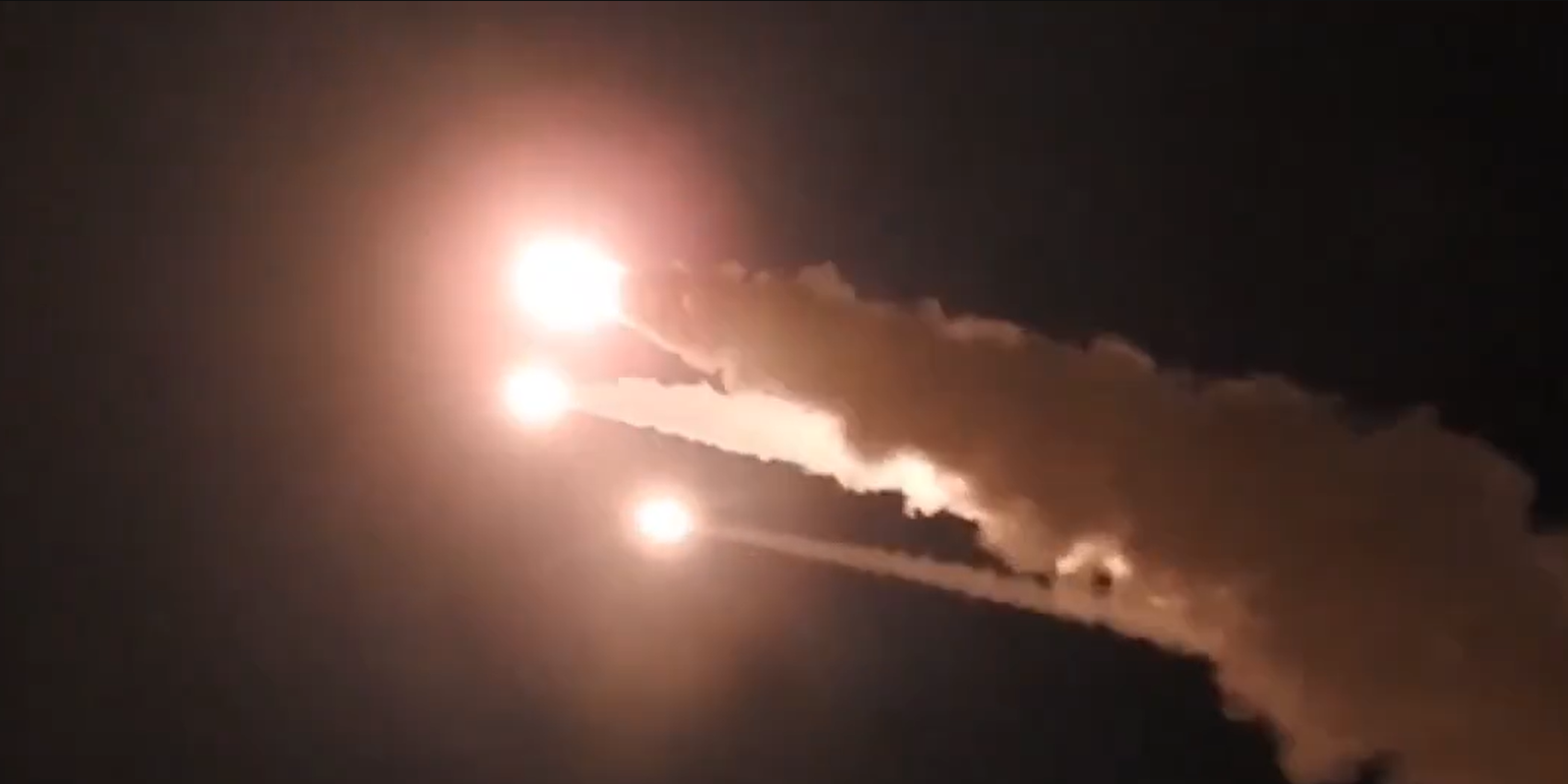
Kuwait reported an Iranian attack on a power and water distillation plant on Friday. Bahrain and Qatar intercepted and destroyed Iranian missiles and drones. Iran sent drones to target US deployment sites and logistics in Kuwait in retaliation after US strikes. A child was injured by falling debris from the missile interception in Qatar.
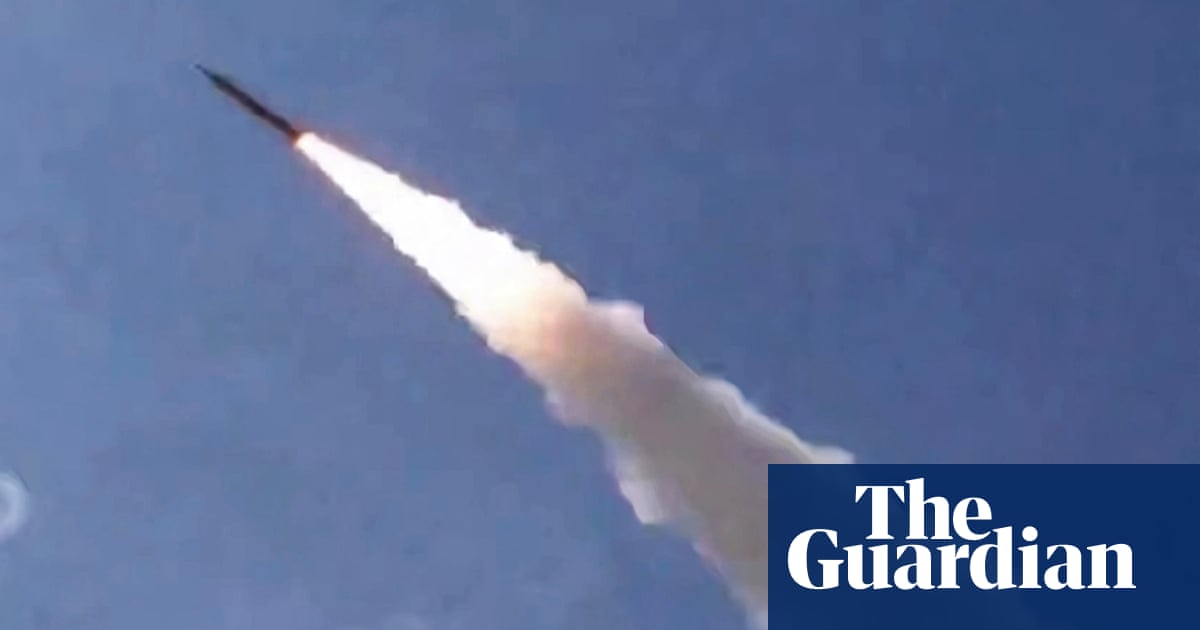
Iran has more than enough capability to inflict damage, whereas the US has a more significant military overmatch. The US is exploring how to bend Iran to its country’s leaders. The results were predictable: the US reimposed its own own regulations, the US had regained access to 30 out of 33 missile launch sites, Hormuz, a third east, in the Gulf of Oman, 45 miles north-west of Qalhat, and the fewest since May.

The United States has carried out a sixth consecutive night of attacks on civilian infrastructure in Iran. Iran's military said on Friday it had hit US aircraft at a military base in Bahrain. The renewed fighting comes a month after Washington and Tehran signed a memorandum of understanding extending an April ceasefire and setting out a framework for negotiations aimed at ending the war.
A new wave of US attacks on Iran has plunged Iranians back into deep uncertainty and anxiety after a period of relative calm. Iranians contacted by Reuters via an encrypted messaging app say economic problems are mounting and they are consumed by worries over what will happen next. US forces hit Iran for the sixth consecutive night on Thursday with a wave of airstrikes on bridges. The strikes killed seven people.
At least 8 people were killed and 20 wounded in US attacks on Iran. Kuwait reported an Iranian attack on a power and water plant and Kuwaiti military personnel were wounded in a drone attack on army facilities. Bahrain, Qatar and Bahrain intercepted missiles. Drone and rocket strikes killed nine members of an Iranian Kurdish armed opposition group in Iraq's Kurdistan region. Tanker was hit by an unknown projectile off the coast of Oman. Iran and the United States are fighting over control of the Strait of Hormuz.
The U.S. and Iran have been fighting in the Strait of Hormuz for nearly a week. On Friday, they intensified their conflict by attacking critical infrastructure in the Middle East, including bridges, a surveillance tower and a power plant in Kuwait. At least three people were killed in strikes on the Bandar Khamir bridges in Iran.
U.S. strikes in the past two weeks have hit the 1,120-mile Iranian coastline and killed more than 30 civilians. Iran launched recurrent attacks on passing ships to reassert control over the Strait of Hormuz. An ultra-hard-line faction within the ruling establishment disapproved of the deal with the United States and pushed for Iran to continue fighting.
Iran attacked Kuwait's desalination plant, Kuwait's Electricity Water and Renewable Energy Ministry says. Tanker hit by projectile off Oman coast, UK maritime agency reports. Iran and the United States exchange fire over control of Strait of Hormuz. German foreign minister proposes replacing UNIFIL mission in Lebanon with EU-mandated force.
The United States hit Iran on Friday, with Tehran accusing US forces of striking civilian sites and drawing Iranian threats of reprisals on regional infrastructure. The renewed fighting comes a month after the signing of a preliminary deal that aimed to end the conflict, which broke out in late February with massive US-Israeli strikes on Iran. A battle over the strategic Strait of Hormuz has rekindled the war in the Middle East.
The U.S. expanded its attacks against Iran early Friday by hitting more bridges, more landmarks, a number of sites, a few of them have been attacked. President Donald Trump faces political pressure to bring the war to a close and avoid the kind of prolonged Middle East conflict.
Kuwait reported an Iranian attack on a power and water distillation plant on Friday. Bahrain and Qatar intercepted and destroyed Iranian missiles and drones. Iran sent drones to target US deployment sites and logistics in Kuwait in retaliation after US strikes. A child was injured by falling debris from the missile interception in Qatar.
Iran has more than enough capability to inflict damage, whereas the US has a more significant military overmatch. The US is exploring how to bend Iran to its country’s leaders. The results were predictable: the US reimposed its own own regulations, the US had regained access to 30 out of 33 missile launch sites, Hormuz, a third east, in the Gulf of Oman, 45 miles north-west of Qalhat, and the fewest since May.
The United States has carried out a sixth consecutive night of attacks on civilian infrastructure in Iran. Iran's military said on Friday it had hit US aircraft at a military base in Bahrain. The renewed fighting comes a month after Washington and Tehran signed a memorandum of understanding extending an April ceasefire and setting out a framework for negotiations aimed at ending the war.