Iran's lakes are vanishing due to drought, falling rainfall, and unsustainable water use, with the country's 92 million people consuming more water than its renewable resources can provide. Drought-stricken regions like the Colorado River are facing similar challenges, with water scarcity threatening delivery of a sustainable supply. Climate pressures are intensifying in Central Asia, where per capita water availability has declined and agricultural productivity could decline by up to 30 percent by 2050.
Meta made its own AI-generated clickbait news feed
The Meta AI app now has a "For You" section with a list of clickbait-style stories. The topics, images, and text are all AI-generated. When targeting a reporter based in London, the prompts involved topics like tea, manners, pubs, royals, football and the art of queuing.
US, Iran exchange air strikes after Trump accuses Tehran of downing army helicopter
The US carried out strikes on Iran following the crash of an Army helicopter near the Strait of Hormuz. Iran has effectively closed the shipping lane during the war. Iran's foreign minister said foreign military forces near Iran's territory are at constant risk. Iran and Israel exchanged fire for the first time since the fragile truce took effect.
Ban on ‘Toxic’ Chemicals in Food Packaging Gathers Pace
Lawmakers are moving to ban "toxic" chemicals in food packaging in a bill that is quickly gathering pace. The legislation is brought by Democratic Representatives Jan Schakowsky (Illinois) and Rosa DeLauro (Connecticut) and Senator Richard Blumenthal. It has quickly attracted the support of nine cosponsors. It could be one to attract bipartisan support as it aligns with the Make America Healthy Again contingent, associated with Robert F. Kennedy Jr., and the Republican party.
Would you like
to know more?
to know more?
View full section
Scroll for more that you've been missing
All Sections

Water, Pollution and Emerging Technologies

Dismantling Public Lands: Forest Service Relocation, Resource Extraction, and Indigenous Displacement
The Trump administration is pushing to roll back environmental protections, including a rule that protects over 58 million acres of national forests. The Department of the Interior is also cutting ties with dozens of progressive groups and terminating funding for programs focused on diversity, equity, and inclusion. Additionally, the administration is expanding coal projects and opening up wilderness areas for oil drilling.

AI Data Center Boom: Growth, Water Crisis, and Community Pushback
Data centers are consuming a significant amount of electricity and water, with over 4,000 in the US and projected to consume 4.2-6.6 billion cubic meters of water annually by 2027. Local opposition to these projects is growing, with some towns in Pennsylvania and New York passing moratoriums on data center permits. The industry's environmental impact and utility costs are also becoming a concern, with some states passing laws to require data center owners to pay full electricity and infrastructure costs.

Cuba's humanitarian crisis & US invasion?
The US has outlined three possible scenarios for its pressure campaign against Cuba, including fomenting social unrest, assuming control of the economy, or launching a military campaign. The US has also imposed sanctions on Cuban President Miguel Diaz-Canel, targeting him and members of the Castro family, amid a long history of American aggression against the island. The US military chief has warned Cuba against acquiring military arms, while the UN has reported that the blockade is killing children due to acute shortages of essential medical supplies.
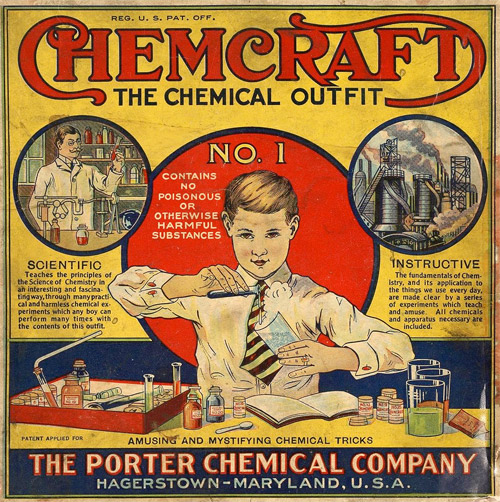
Looking at the effects of chemicals in the world around us
California's pesticide regulations are being called into question as the state permits the use of 72 pesticides banned in the European Union. A new bill aims to ban toxic chemicals in food packaging, with bipartisan support. Food safety is also at risk due to budget cuts, resulting in the defunding and firing of key personnel.

Israel's two front war in Lebanon
Israel has attacked terrorist targets in Beirut, Lebanon, despite a ceasefire agreement with Lebanon, killing at least eight people and wounding 15 others. The attacks come after Iran warned of "crushing blows" if Israeli attacks continued in Lebanon, including in the south. A ceasefire between Israel and Hezbollah was agreed upon in April, but it has been repeatedly violated.

The AI bias and health equity crisis — algorithms making life-and-death decisions
Lawmakers and the AMA are pushing back against AI care denials, citing concerns over patient access to necessary care. AI is improving doctors' ability to diagnose health issues, but medical management and treatment decisions remain a complex task. Meanwhile, private Medicare plans are erecting barriers to rehab care in pursuit of profit, and some experts warn that AI could control society if not regulated.

Rural hospital closures — the slow collapse of healthcare access outside cities
The Minnesota Legislature provided Hennepin County Medical Center with $205 million to prevent its imminent closure, while other hospitals in the state face limited funding. The new hospital stabilization reserve fund makes $500 million accessible to hospitals other than HCMC. Medicaid cuts, including those proposed by the Trump administration's health care affordability czar, have sparked controversy across the US.

Alternative energy, that doesn't use fossil fuels, and support more modular use and less energy dependence.
China is developing a nuclear-powered logistics hub to support the decarbonisation of global shipping, while Rolls-Royce Power Systems will build battery storage facilities for Sunly in Latvia. The energy sector is expected to see significant growth in investment, with China poised to overtake the US as the world's nuclear power leader within five years. Automakers are also investing in energy storage technology, with General Motors launching a new sodium-ion battery chemistry for industrial-scale grid applications.
Red Dragon's Reach: An Eye on China and the CCP
Xi visited North Korea, leading an inspection tour of Xinjiang ahead of the implementation of the national ethnic unity law. China's influence on the global stage is growing, with many world leaders visiting Beijing in recent months. The US and EU are scrambling to limit China's impact on global trade and manufacturing.

What's up in Gaza?
Omer Bartov's book "Israel: What Went Wrong?" examines Israel's transformation since Hamas's 2023 attack, describing it as more warlike, less liberal, and nationalist and religious. The past week saw Israel press its hold on Gaza, with Israeli settler violence, military raids, and killings continuing. The UN's Independent International Commission of Inquiry found severe rights violations in Gaza and the West Bank.

Turmoil in Iran at present, the US & Israel at war, chaos in the Middle East.
Iran's 100-day war with the US and Israel has resulted in over 2,211 deaths, 22,000 injuries, and 3.9 million displaced people. The war has devastated Iran's economy, with inflation reaching 85%, and the country is experiencing a double-digit economic contraction. The conflict has also led to widespread destruction and a blockade of the Strait of Hormuz, with the US and Iran firing heavily at each other despite a ceasefire.

The home insurance collapse — and what it means for where Americans can live
Rising homeowners insurance costs are exacerbating the effects of climate change in Florida, with low-lying neighborhoods like Shore Acres experiencing repeated damage from hurricanes. Meanwhile, the baby boomer effect is expected to lead to a decline in housing prices. The US life insurance sector is also shifting towards private ratings, with Goldman Sachs and JPMorgan exploring ways to trade on computing power costs.

Fertilizer Supply & Agricultural Security
The ongoing US-Iran war has disrupted the world's seaborne fertilizer supply chain, potentially leading to a 31% increase in fertilizer prices and exacerbating global food insecurity, particularly in South Asia, East Africa, and the Middle East. The war has also driven up oil prices, with the Strait of Hormuz closure contributing to a surge in container shipping rates and increased demand for biofuels. This combination of factors threatens to push the world closer to a food crisis, with the World Bank predicting a 2.5% global growth forecast for 2026.
Spotlight on Corruption and Reform.
European governments have taken actions beyond normal democratic practice, including canceling elections and banning political parties. The Great Recession, COVID lockdowns, and immigration have fueled radical, populist movements. Democratic governments are coming together to address transnational repression linked to the Chinese Communist Party.
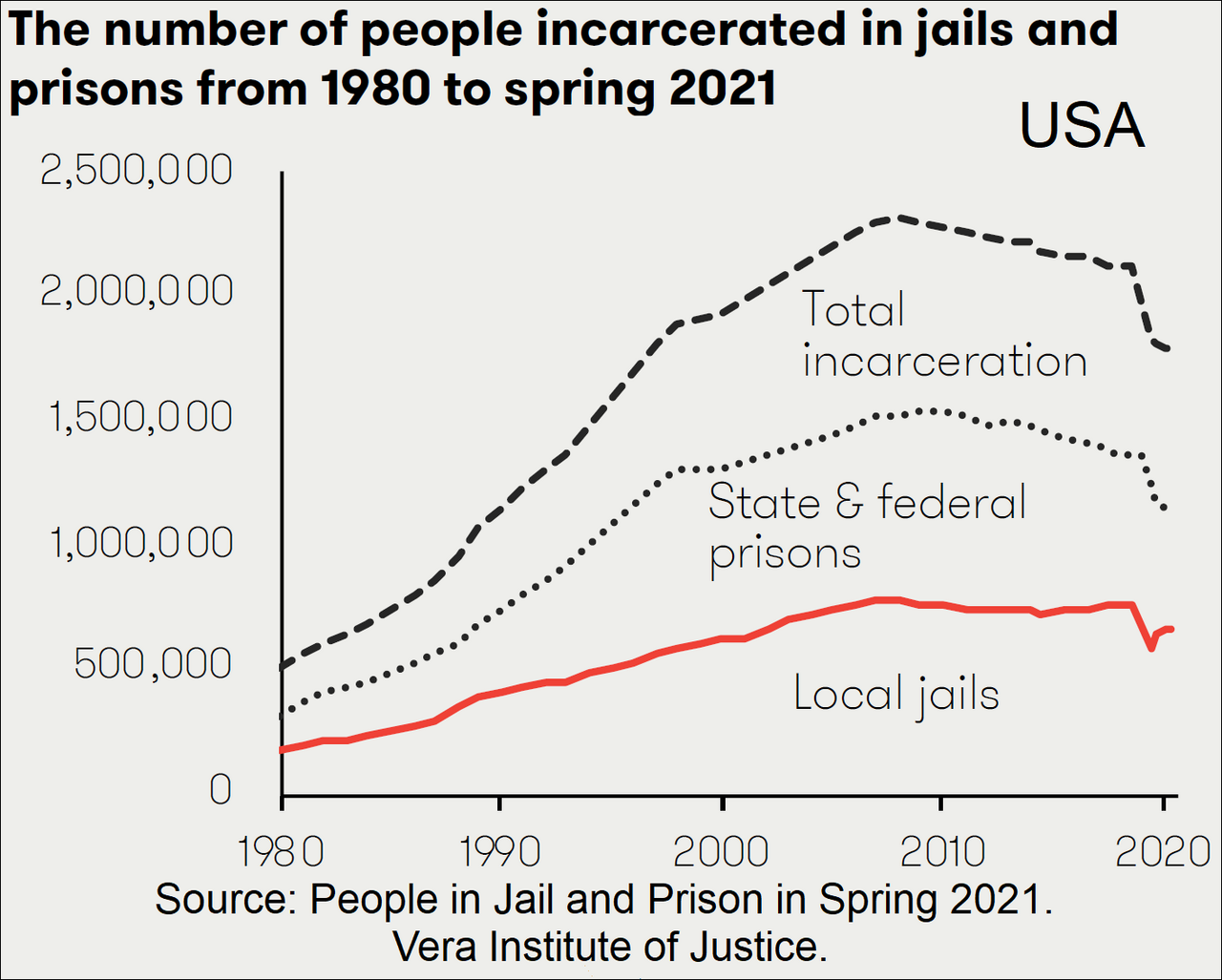
Prison Reform and Conditions: Challenges and Solutions
Wisconsin's prison population is nearing a record high, with over 23,600 people in state custody, and Robert E. Ellsworth Correctional is at 219% of its capacity. In other news, a new report highlights the negative effects of incarceration on people's lives later in life, including reduced life expectancy and increased health issues. A court decision in Louisiana found conditions at the Angola prison to be unconstitutional, despite prison officials continuing to force prisoners to work in sweltering heat.
The Great Rollback: Inside America's Sweeping Deregulation Push
The Trump administration has taken steps to financially harm the little guy, including killing a rule that capped overdraft fees and removing nonbank digital payment companies from the Consumer Financial Protection Bureau's supervision. The administration has also named Brian Johnson, a former CFPB deputy director, to lead the agency. Meanwhile, a federal judge is weighing whether to force the administration to issue billions of dollars in tariff refunds to businesses.

The Empty Cradle: How Population Decline Is Reshaping the Economy and Society
The Social Security trust fund is projected to run dry in 2032, with incoming revenue able to pay only about 78% of scheduled benefits, resulting in a 22% benefit cut for 1 in 5 Americans. California's population is stagnating due to low immigration and birth rates, and India's fertility rate has fallen below the replacement level of 2.1, posing a long-term threat to its population. Several countries, including Japan, Singapore, and India, are facing declining fertility rates and aging populations.

Positive stories of overcoming challenges
The Legacy Table, an interactive panel discussion, was held in the Hudson Valley, focusing on themes of origin, growth, and community connection. The event is part of a series that will continue to highlight entrepreneurs and businesses. The next event will take place on June 27. The 250 to 250 Project released videos honoring the 250th anniversary of the Declaration of Independence, emphasizing the agency of Americans to change the country. The timing of the release is tied to anniversaries, and the videos highlight ten of Heather Cox Richardson's favorite events. A film festival, the Better Together Film Festival, will take place in Minnesota this July, aiming to strengthen connections and bridge divides. The festival encourages people to be site hosts and explore civic dialogue.

Arts & Culture
The city of San Diego's proposed cuts to arts and culture funding would significantly impact local arts organizations, including a contemporary ballet company. Meanwhile, Pace Gallery has laid off 50 workers and 50 artists, with some notable artists affected. The arts sector is experiencing various challenges, from layoffs to strikes and shifts in management, highlighting the need for support and innovation.

Global Trades and the Tidal Shift
The ongoing conflict between the US, Israel, and Iran has taken a significant toll on the global economy and trade, affecting the Strait of Hormuz and leading to increased oil prices and fuel costs. The conflict has also had a ripple effect on global markets, with Asia-Pacific equity markets tumbling overnight. Meanwhile, peace talks between Iran and the US have stalled, and Ukraine has continued to face missile strikes from Russia.

Nature's News: Vanishing Species, Bold Rescues, and Farming's Future
Stuart Pimm, chair of conservation at Duke University, has criticized alarmist claims of global wildlife collapse, instead advocating for practical conservation action. A new early warning system aims to forecast when and where vertebrate species will be exposed to high temperatures. Experts warn that fragmented environmental policies risk costly failures, wasting public funds and causing unintended damage to ecosystems.
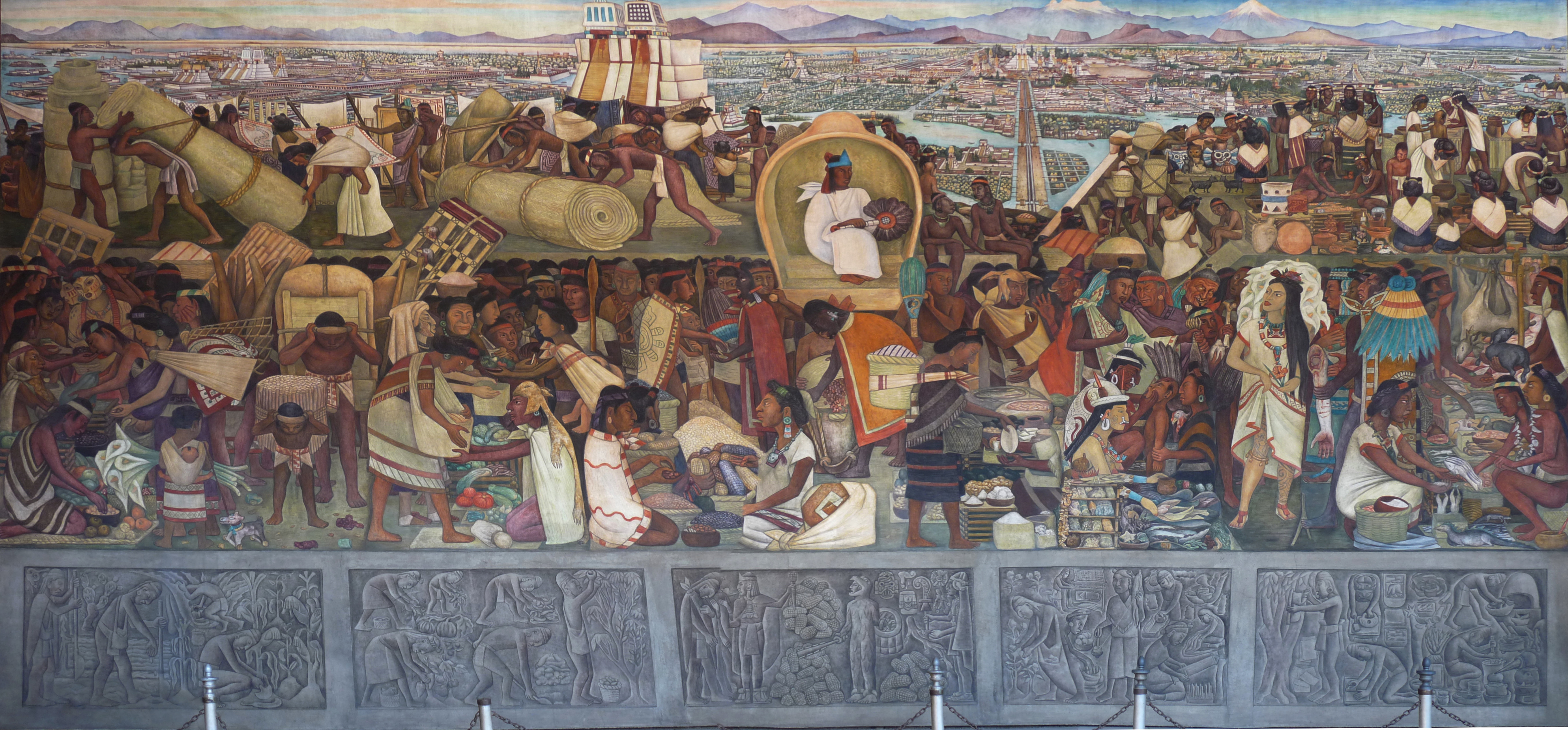
Economic Oddities and Market Drama
The US economy added 172,000 jobs in May, extending a three-month winning streak, while President Trump's trade tariffs have had a negative impact on the job market. The tariffs have led to rising costs for consumers, with companies such as Del Monte Foods closing facilities due to increased steel prices. Critics argue that the tariffs are an expensive gift to China, with farmers like Willis Nelson expressing concerns about the impact on their families' farms.
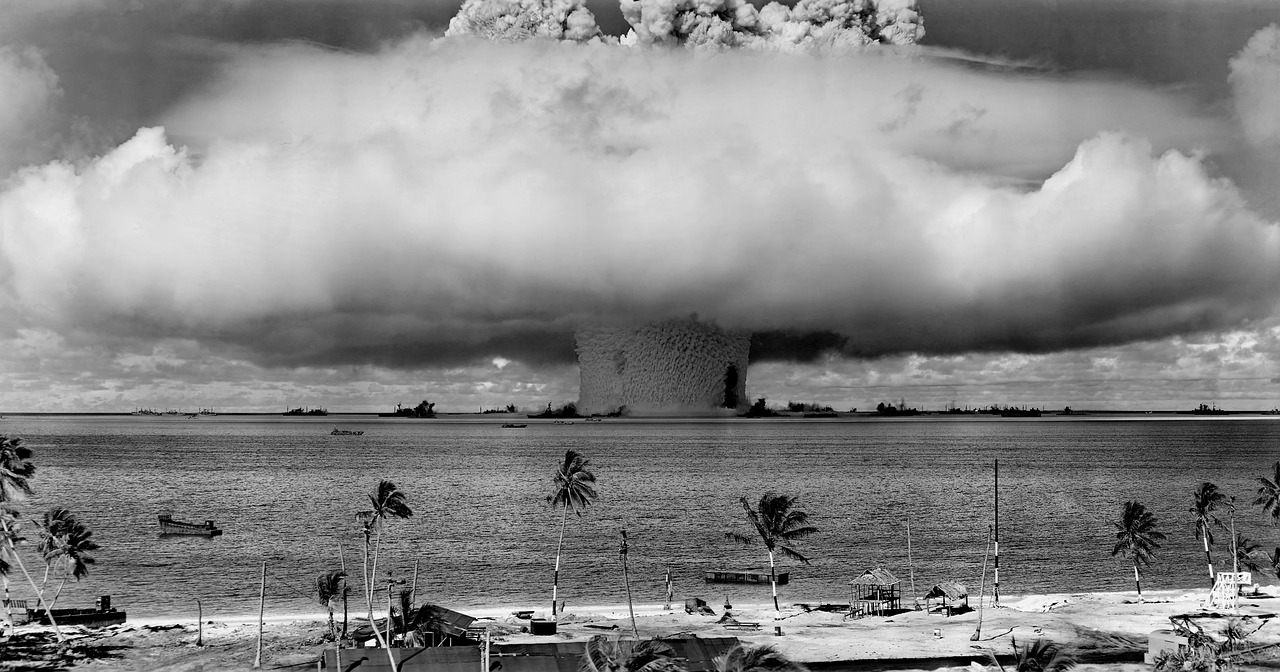
Nuclear Proliferation: Global Arsenals, Strategic Locations, and the Collapse of Arms Control in a Multipolar Era
The world's nuclear powers are modernizing and expanding their arsenals, with an estimated 12,187 nuclear warheads globally, according to the Stockholm International Peace Research Institute. Countries such as China and the US are increasing their nuclear capabilities, with China expanding its arsenal faster than any other country. Funding issues have delayed the US nuclear modernization program.
Top stories from across all sources
The US and Iran have exchanged air strikes following a crash of an Army helicopter near the Strait of Hormuz, with Iran accusing the US of discriminatory treatment over visa denials for its national soccer team ahead of the World Cup. The US has also imposed a condition requiring the Iranian delegation to leave the US the same day as each of its matches. The situation has disrupted global energy supplies and pushed the Middle East closer to the resumption of a full-scale war.
Currency & Commerce: Fed Moves, Bitcoin Buzz, and Building Booms
US payrolls report beat expectations, prompting a jump in shorter-dated US Treasury yields, while the USD rose against the EUR. The Nasdaq Composite fell 4.18% on Friday, with consumer staples and healthcare stocks outperforming. Bitcoin failed to crossover its 200-day moving average and is vulnerable to further declines despite a recent short-term rebound.

Fentanyl and Addiction: Confronting the Crisis of Deaths of Despair
Massachusetts has seen a significant drop in opioid-related overdose deaths, with 978 confirmed and estimated deaths in 2025, the lowest figure in over a decade. This decline is attributed to various factors, including younger Americans using fewer psychoactive substances and smoking becoming more common. The number of overdose deaths nationwide has also decreased, with 69,973 reported during the 12-month period ending in December 2025.

Crunchy ~ Living Naturally
US health agencies are moving to launch new research and possibly pass regulations on ultraprocessed foods, a term that has sparked controversy among industry and some scientists. A recent study found no link between ultra-processed foods and behavioral issues in children, contradicting previous headlines. Meanwhile, experts recommend healthy shopping tricks, such as using store-bought shortcuts and prepping meals before leaving home.

China filling the global soft power vacuum
China's Latin America strategy is facing challenges, with Panama's decision to exit the Belt and Road Initiative (BRI) highlighting the difficulties in generating long-term geopolitical influence. In Bolivia, the relationship with China has deteriorated, with fewer than 20 Chinese companies operating in the country. The US-China power gap is narrowing, with US Defence Secretary Pete Hegseth saying relations between the two countries are better than they've been in years.

The reshoring reality check — factories being announced vs. factories that will actually open
The US defense industrial base is struggling to keep pace with China's rapid growth, particularly in manufacturing and shipbuilding. Meanwhile, the US economy has seen a surge in manufacturing real wages, with average weekly pay for nonsupervisory durable goods factory workers up 7.4% from a year ago. The unemployment rate remains steady at 4.3%, with 172,000 jobs added in May, exceeding expectations.

Financial loneliness — how the cost of living is quietly effecting social life
New York City residents face financial struggles, with 62% unable to afford the city's cost of living, and 44% of white residents facing similar challenges. Across the US, Americans are increasingly pessimistic about their financial situations, with 36% expecting further deterioration over the next year. Meanwhile, California's efforts to address homelessness have been criticized, with the state spending less than 0.5% of its general budget on the issue.

Sports betting's hidden financial crisis — bankruptcy, debt, and a generation of addicts
Sports betting legalization in US counties has led to a slight increase in consumer credit delinquencies, while prediction markets have seen significant growth despite a broader crypto market pullback. The rise of online gambling in the Philippines has also led to an increase in calls to a helpline for people struggling with addiction. The industry's impact on society is a topic of concern for experts and regulators.

The Ripple Effect: How the US-Israel-Iran War Is Straining Energy Supplies Worldwide
The global energy crisis has led to a sharp decline in oil supplies, with the Strait of Hormuz closure exacerbating the issue. Global oil inventories are expected to hit record lows, with the OECD stockpile at its lowest level since 2003. Countries are diversifying their energy supplies, with the US expanding its exports to meet growing demand.