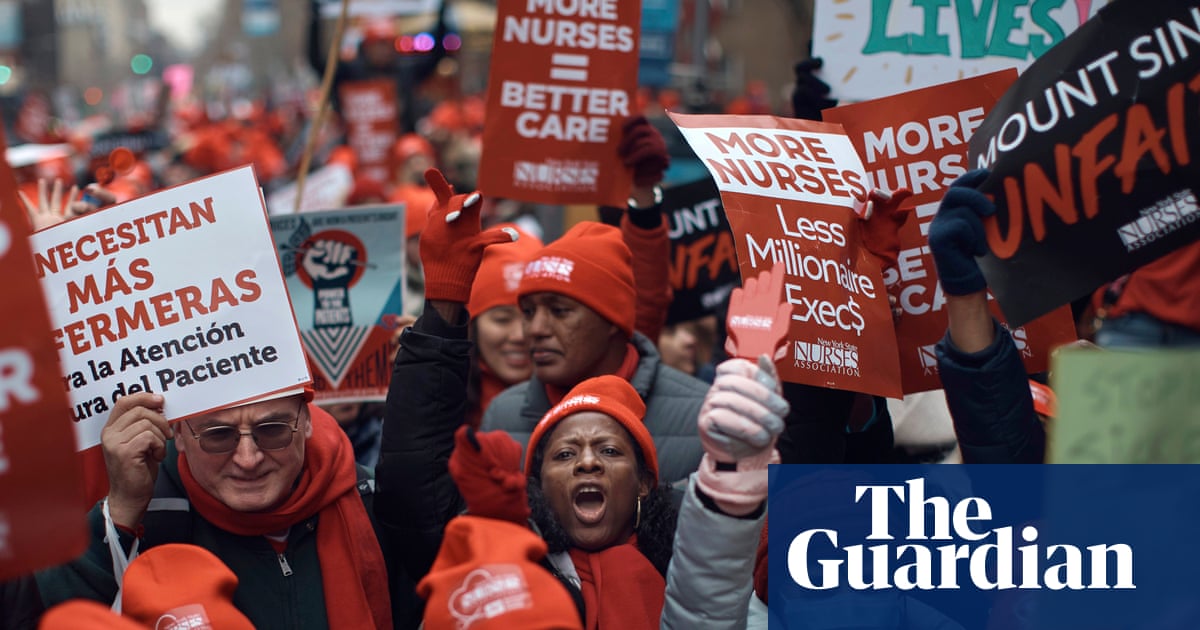
Marilyn Shuler has worked as a utilization review nurse for 39 years at Montefiore hospital in the Bronx in New York City. She and 12 other nurses were laid off on Sunday after being replaced with AI-powered software. The layoffs come in the wake of a massive nurses strike across several New York hospitals in January 2026.

Kaiser Permanente's call center nurses are concerned about the use of artificial intelligence to monitor their work. They are negotiating a new contract with Kaiser this month. California lawmakers are considering several bills regulating AI in the workplace. Kaiser defends its use of AI and says it helps improve patient outcomes.
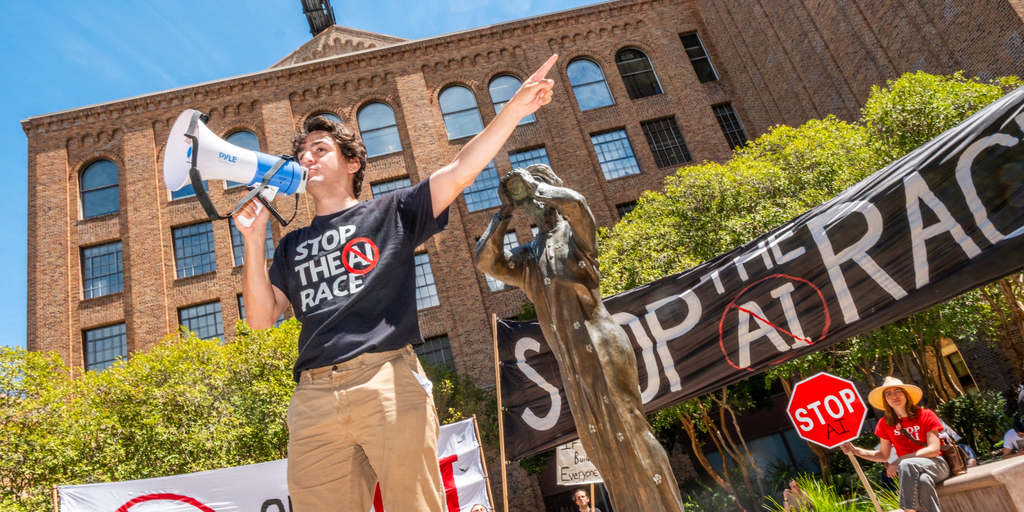
Protesters marched between the offices of OpenAI, Anthropic, and Google DeepMind in San Francisco on Saturday. They called for a pause in the development of more powerful AI. The march was organized by Stop the AI Race, a group that promotes an international pause on frontier AI development.

Apple is suing OpenAI for allegedly stealing trade secrets. Omar Yaghi, a Nobel-winning chemist, is leaving the US to lead an AI lab in China. The EU is moving closer to banning children from social media. Phoebe Gates’ shopping app claimed credit for sales it didn’t drive.
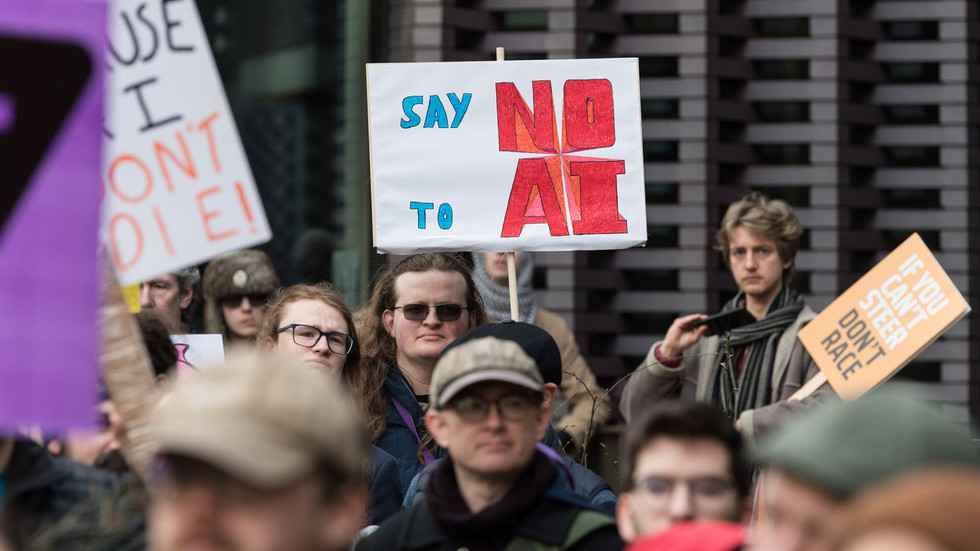
Just 22% of workers worldwide strongly agreed that their job was safe from elimination, according to ADP Research. In Japan, a country famous for its commitment to corporate culture, only 5% felt their jobs were secure. In America, the figure was only 28%. Young workers ages 18 to 26 reported the highest level of optimism, with 29% saying they had the necessary skills to get ahead. Senior workers ages 55 to 64 painted a drearier picture.
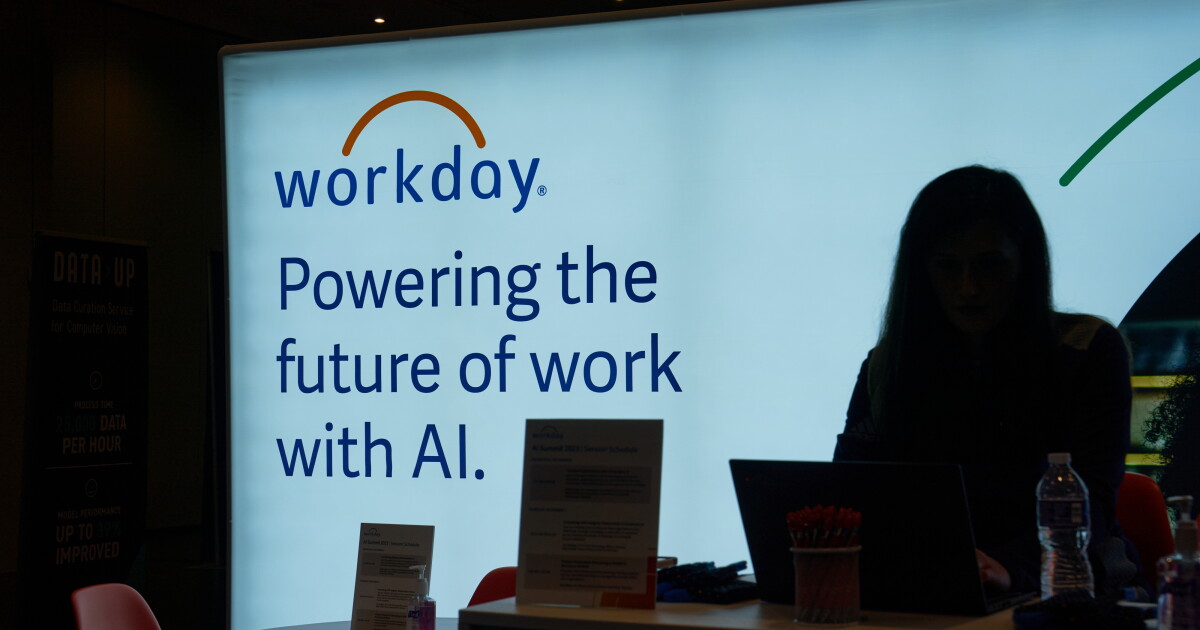
A class-action suit against Workday is proceeding to the discovery phase in California's northern district federal court. It challenges the use of AI-based job screening and any AI tool that could have a disparate impact on protected groups. An estimated 80% of U.S. employers use AI software to filter job applicants, including Bank of America, KeyBank, Wells Fargo, PNC Bank, Fifth Third and US. Bank.
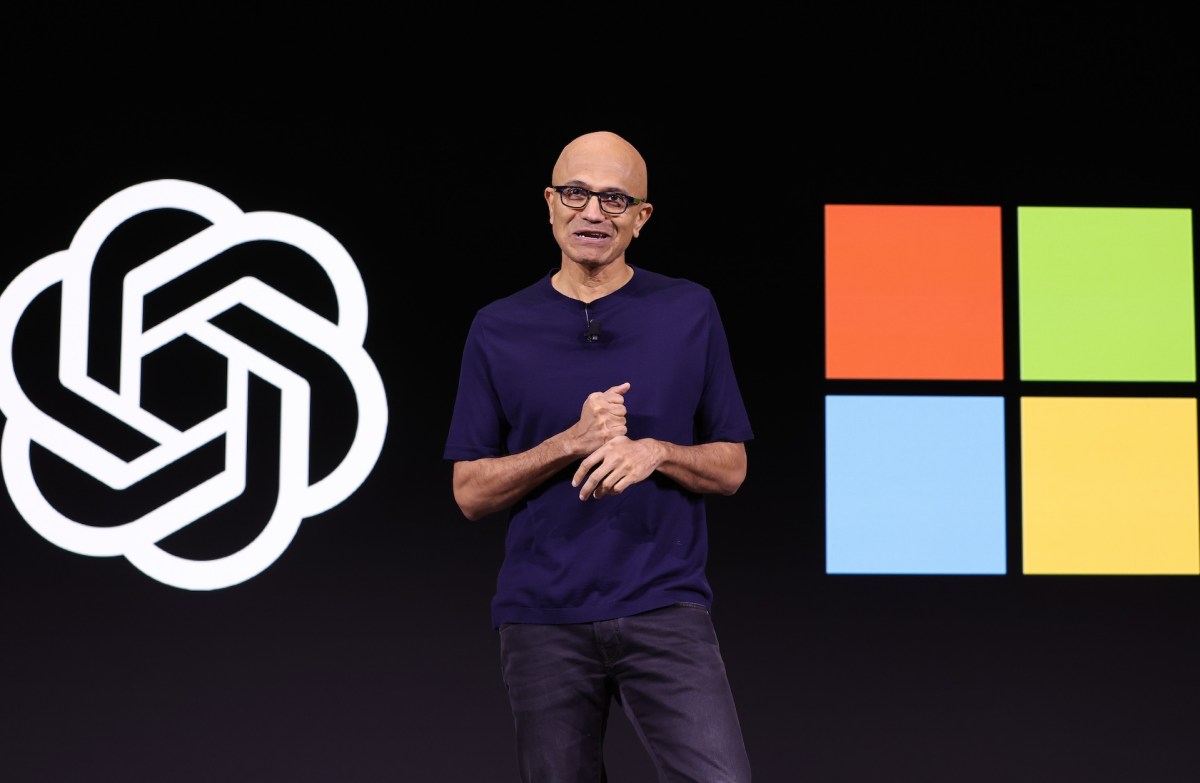
Microsoft CEO Satya Nadella is worried about the risks of using AI in business. He believes that AI users are paying twice for AI: with money and with valuable data. He wants companies to build their own “proprietary learning environments” on the cloud.
Hundreds of economists, computer scientists and executives at tech companies say artificial intelligence could transform the economy and put many people out of work. The open letter was organized by Stanford University’s digital economy lab. It has been signed by more than 200 economists and AI researchers, including 16 Nobel Prize winners.
Hundreds of economists, computer scientists and tech executives say AI could transform the economy and put many people out of work. Stanford University's digital economy lab organized the open letter. It has been signed by more than 200 economists and AI researchers, including 16 Nobel Prize winners.
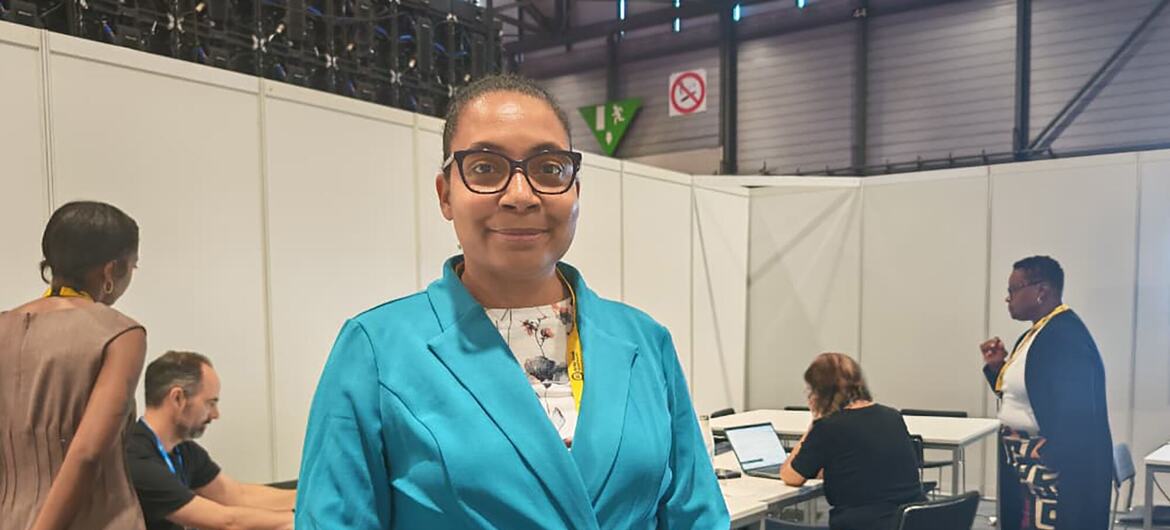
Ms. Jetter studied at MIT and Stanford and worked at NASA, Boeing and Raytheon. She worked at Amazon as a senior principal technologist in robotics AI for 20 years. She joined the UN's first Global Dialogue on AI Governance in Geneva. Her non-profit, Thinquebytes, has trained more than 1,000 young people across four continents on AI and STEM education.
Marilyn Shuler has worked as a utilization review nurse for 39 years at Montefiore hospital in the Bronx in New York City. She and 12 other nurses were laid off on Sunday after being replaced with AI-powered software. The layoffs come in the wake of a massive nurses strike across several New York hospitals in January 2026.
Kaiser Permanente's call center nurses are concerned about the use of artificial intelligence to monitor their work. They are negotiating a new contract with Kaiser this month. California lawmakers are considering several bills regulating AI in the workplace. Kaiser defends its use of AI and says it helps improve patient outcomes.
Protesters marched between the offices of OpenAI, Anthropic, and Google DeepMind in San Francisco on Saturday. They called for a pause in the development of more powerful AI. The march was organized by Stop the AI Race, a group that promotes an international pause on frontier AI development.
Apple is suing OpenAI for allegedly stealing trade secrets. Omar Yaghi, a Nobel-winning chemist, is leaving the US to lead an AI lab in China. The EU is moving closer to banning children from social media. Phoebe Gates’ shopping app claimed credit for sales it didn’t drive.
Just 22% of workers worldwide strongly agreed that their job was safe from elimination, according to ADP Research. In Japan, a country famous for its commitment to corporate culture, only 5% felt their jobs were secure. In America, the figure was only 28%. Young workers ages 18 to 26 reported the highest level of optimism, with 29% saying they had the necessary skills to get ahead. Senior workers ages 55 to 64 painted a drearier picture.
A class-action suit against Workday is proceeding to the discovery phase in California's northern district federal court. It challenges the use of AI-based job screening and any AI tool that could have a disparate impact on protected groups. An estimated 80% of U.S. employers use AI software to filter job applicants, including Bank of America, KeyBank, Wells Fargo, PNC Bank, Fifth Third and US. Bank.
Microsoft CEO Satya Nadella is worried about the risks of using AI in business. He believes that AI users are paying twice for AI: with money and with valuable data. He wants companies to build their own “proprietary learning environments” on the cloud.
Hundreds of economists, computer scientists and executives at tech companies say artificial intelligence could transform the economy and put many people out of work. The open letter was organized by Stanford University’s digital economy lab. It has been signed by more than 200 economists and AI researchers, including 16 Nobel Prize winners.
Hundreds of economists, computer scientists and tech executives say AI could transform the economy and put many people out of work. Stanford University's digital economy lab organized the open letter. It has been signed by more than 200 economists and AI researchers, including 16 Nobel Prize winners.
Ms. Jetter studied at MIT and Stanford and worked at NASA, Boeing and Raytheon. She worked at Amazon as a senior principal technologist in robotics AI for 20 years. She joined the UN's first Global Dialogue on AI Governance in Geneva. Her non-profit, Thinquebytes, has trained more than 1,000 young people across four continents on AI and STEM education.