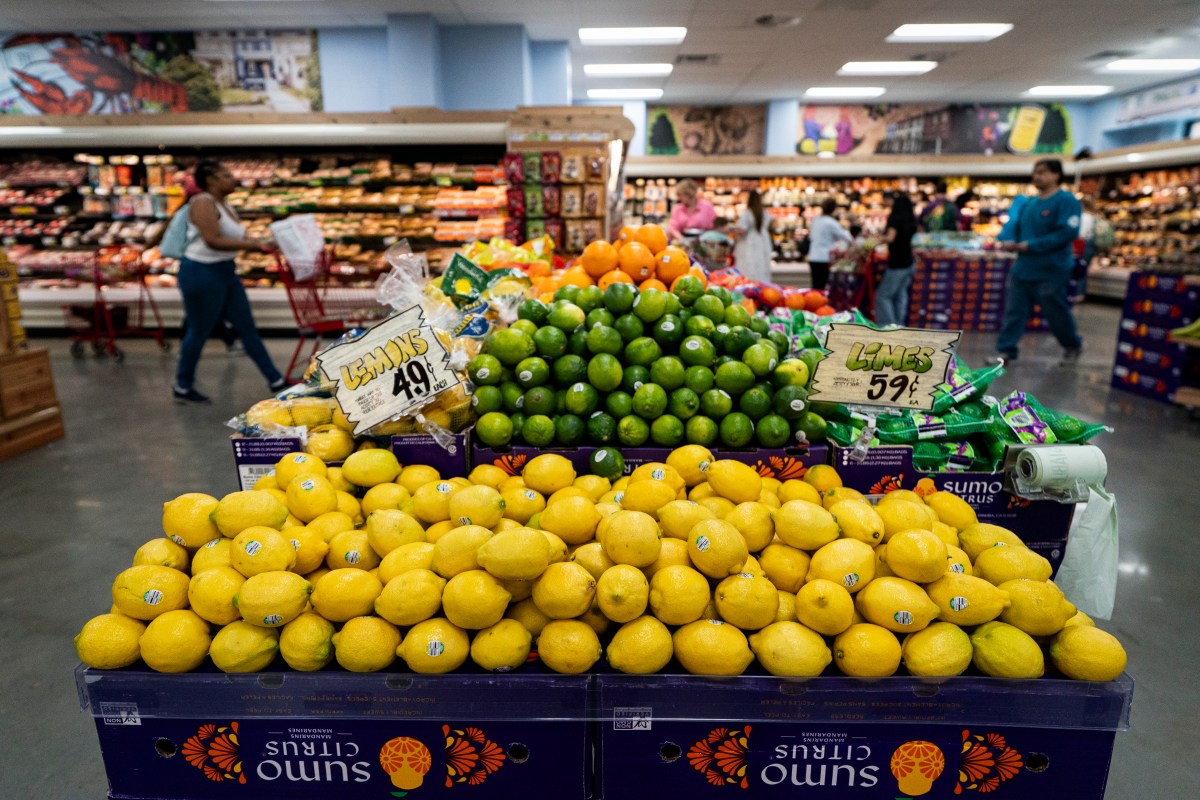
A powerful El Niño developing in the Pacific Ocean could push up global food prices over the months and years ahead. El Niño is a climate pattern characterized by unusually warm ocean surface temperatures in the central and eastern tropical Pacific Ocean. It disrupts normal weather patterns around the world, often bringing flooding and heavy rainfall to some areas, while triggering droughts and heatwaves across others.

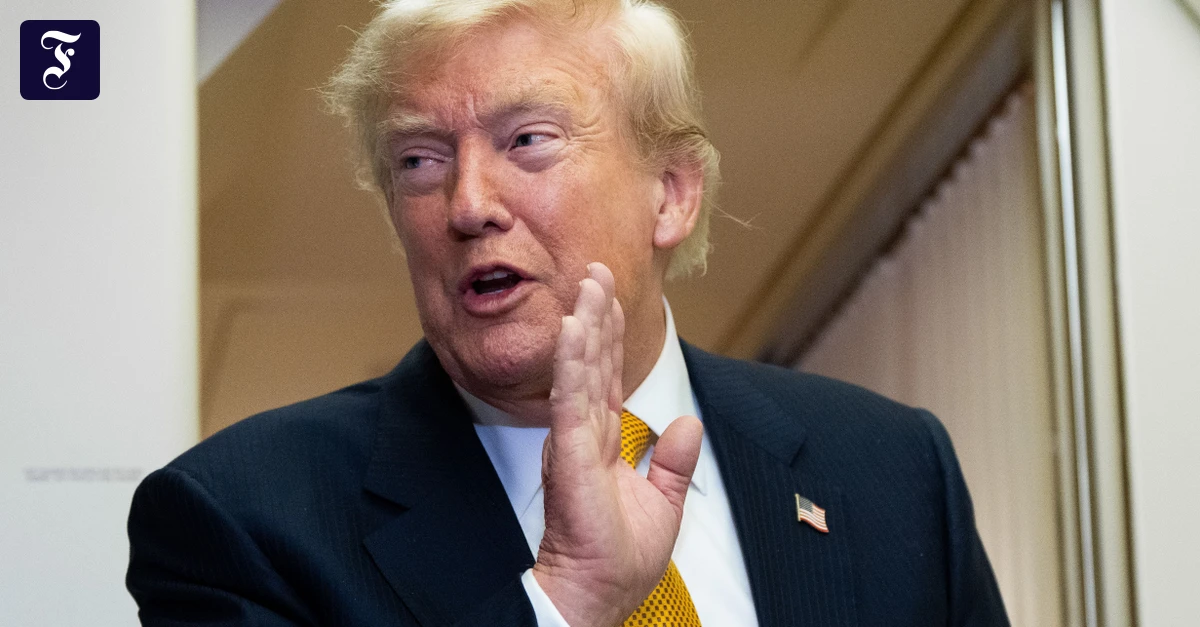
President Trump announced that the U.S. will impose a naval blockade on Iranian ports and charge a 20% fee on all cargo going through the Strait of Hormuz. It is not clear what Gulf countries think about the size of the potential fee. Traders expect the situation in the Strait to escalate. Houthis have started to attack Saudi Arabia.
US President Donald Trump wants to reimpose a blockade on Iranian ships transiting the Strait of Hormuz and demand payment for all other cargo moving through the waterway. West Texas Intermediate futures jumped 9.4% to settle near $78 a barrel, the highest in nearly a month, while Brent closed above $83. Yemen's Houthis fired missiles and drones at a Saudi airport on Monday.
U.S. and Iran exchanged missile strikes as tensions around the Strait of Hormuz intensified over the weekend. Saxo Bank said the hostilities raised concerns about the safe passage of oil and other key commodities through the narrow waterway. GivTrade technical analyst said oil prices are surging as traders price in the risk of disruption. Capital.com market analyst said Brent and WTI could climb further if tensions threaten tankers, ports or production.
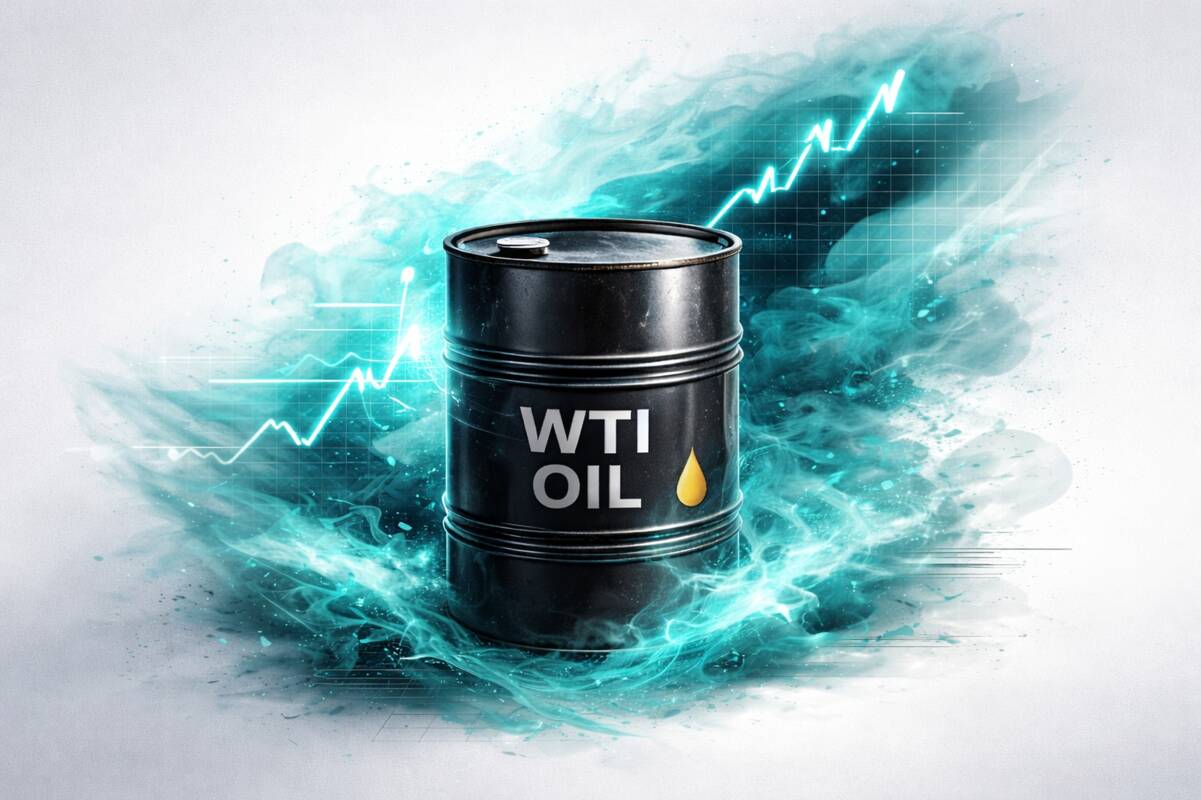
The Strait of Hormuz is raising costs without a complete closure. Government and refiners are buying strategic reserves for storage. Traders value physical availability over theoretical production capacity. The next Oil bull market may not begin with a dramatic production collapse or a sudden supply emergency. It could begin quietly through government tenders, refinery purchases and commercial inventory rebuilds.

Brent futures for September delivery stood at $78.82 a barrel as of 08:00 GMT, the highest since June 22. US Central Command carried out dozens of strikes on Iran to degrade its ability to attack vessels in the Strait of Hormuz. Iran launched a wave of missile and drone attacks against the United Arab Emirates, Qatar, Kuwait, Oman and Bahrain in response to the US strikes.

The Nasdaq Composite and the S&P 500 were down at the start of New York trading. European equities were mixed in afternoon trading. The dollar traded mixed against main rivals. The US-Iran conflict and the semiconductor trade are on a downhill swing. South Korean chip titan SK hynix plunged more than 15 percent, extending a recent bout of selling.
The US military has stopped its nightly attacks on targets in Iran after several hours. Air defense systems, radar systems, missile sites and drone sites were destroyed. It was the fourth wave of attacks by the US since hostilities flared up again on Wednesday night. UN Secretary-General António Guterres expressed concern about the “significant escalation” after the latest wave began.

A 7,000 teu container vessel operated by Global Feeder Shipping was attacked over the weekend and caught fire, triggering a new round of US and Iranian strikes in the Strait of Hormuz. The crew abandoned the ship and have been rescued, but one seafarer remains missing. The attack marks a serious escalation in the campaign against commercial shipping in the world’s most important energy chokepoint.
A powerful El Niño developing in the Pacific Ocean could push up global food prices over the months and years ahead. El Niño is a climate pattern characterized by unusually warm ocean surface temperatures in the central and eastern tropical Pacific Ocean. It disrupts normal weather patterns around the world, often bringing flooding and heavy rainfall to some areas, while triggering droughts and heatwaves across others.
President Trump announced that the U.S. will impose a naval blockade on Iranian ports and charge a 20% fee on all cargo going through the Strait of Hormuz. It is not clear what Gulf countries think about the size of the potential fee. Traders expect the situation in the Strait to escalate. Houthis have started to attack Saudi Arabia.
US President Donald Trump wants to reimpose a blockade on Iranian ships transiting the Strait of Hormuz and demand payment for all other cargo moving through the waterway. West Texas Intermediate futures jumped 9.4% to settle near $78 a barrel, the highest in nearly a month, while Brent closed above $83. Yemen's Houthis fired missiles and drones at a Saudi airport on Monday.
U.S. and Iran exchanged missile strikes as tensions around the Strait of Hormuz intensified over the weekend. Saxo Bank said the hostilities raised concerns about the safe passage of oil and other key commodities through the narrow waterway. GivTrade technical analyst said oil prices are surging as traders price in the risk of disruption. Capital.com market analyst said Brent and WTI could climb further if tensions threaten tankers, ports or production.
The Strait of Hormuz is raising costs without a complete closure. Government and refiners are buying strategic reserves for storage. Traders value physical availability over theoretical production capacity. The next Oil bull market may not begin with a dramatic production collapse or a sudden supply emergency. It could begin quietly through government tenders, refinery purchases and commercial inventory rebuilds.
Brent futures for September delivery stood at $78.82 a barrel as of 08:00 GMT, the highest since June 22. US Central Command carried out dozens of strikes on Iran to degrade its ability to attack vessels in the Strait of Hormuz. Iran launched a wave of missile and drone attacks against the United Arab Emirates, Qatar, Kuwait, Oman and Bahrain in response to the US strikes.
The Nasdaq Composite and the S&P 500 were down at the start of New York trading. European equities were mixed in afternoon trading. The dollar traded mixed against main rivals. The US-Iran conflict and the semiconductor trade are on a downhill swing. South Korean chip titan SK hynix plunged more than 15 percent, extending a recent bout of selling.
The US military has stopped its nightly attacks on targets in Iran after several hours. Air defense systems, radar systems, missile sites and drone sites were destroyed. It was the fourth wave of attacks by the US since hostilities flared up again on Wednesday night. UN Secretary-General António Guterres expressed concern about the “significant escalation” after the latest wave began.
A 7,000 teu container vessel operated by Global Feeder Shipping was attacked over the weekend and caught fire, triggering a new round of US and Iranian strikes in the Strait of Hormuz. The crew abandoned the ship and have been rescued, but one seafarer remains missing. The attack marks a serious escalation in the campaign against commercial shipping in the world’s most important energy chokepoint.