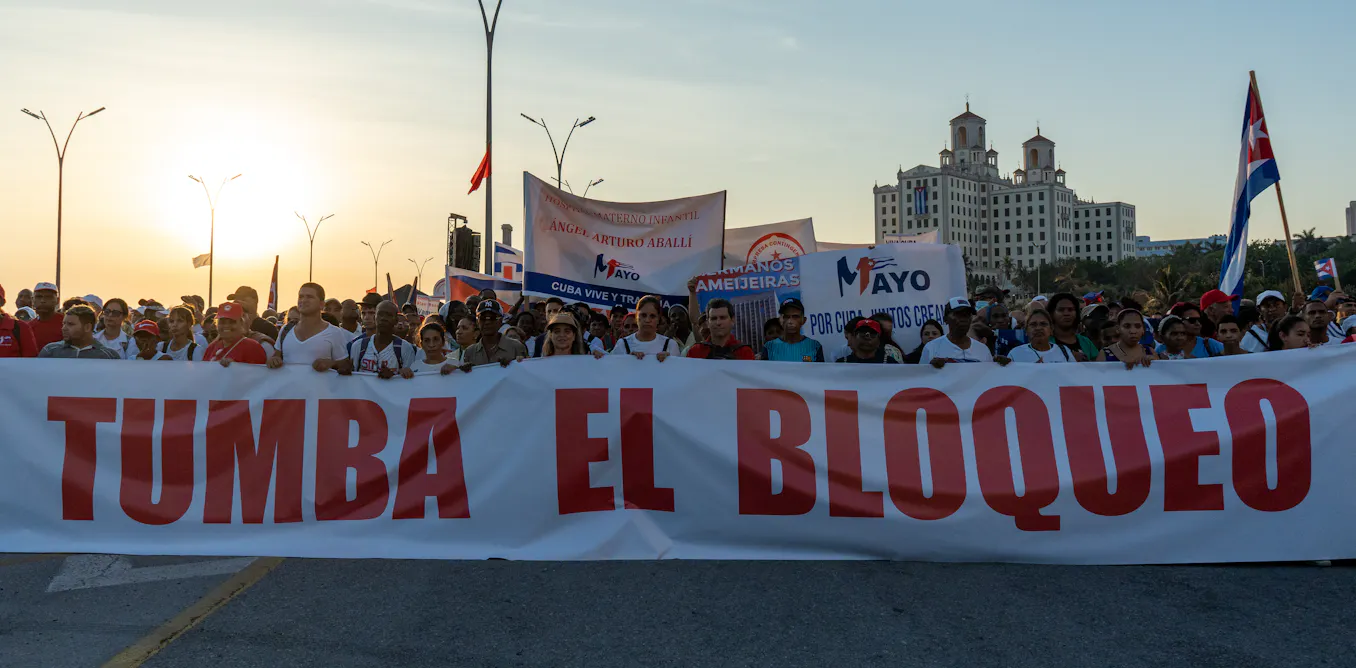
Cuba is facing a dire economic and political turning point. Many Cubans in the diaspora believe the days of the failed political system on the island are almost over. Cuba's more progressive social policies have helped to redeem the authoritarian excesses of the revolution’s early years.

Relations between the United States and Cuba have been strained since the 1959 revolution. Washington imposed a trade embargo against the socialist island that is still in effect today. Since Donald Trump took office, his government has increased the pressure on Havana with further sanctions. Trump has also repeatedly brought up a possible “takeover” of the economically struggling Caribbean state.
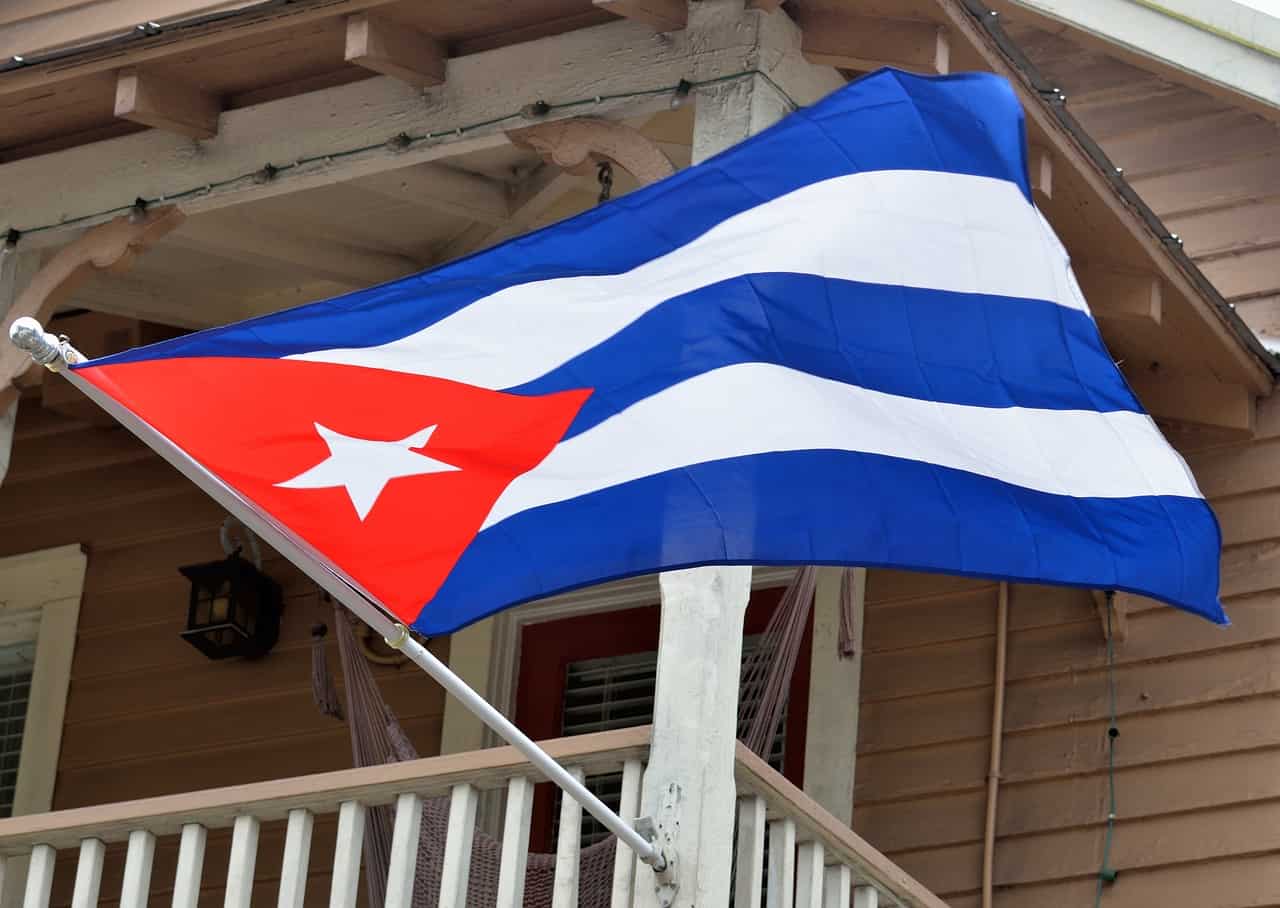
U.S. imposed sanctions on Cuban state-owned enterprises, militia groups, surveillance organizations and Cuba's Tourism Ministry to squeeze the regime. Measures hit state firms tied to fuel imports and trade, many linked to military-run GAESA, worsening Cuba's severe economic crisis. US President Donald Trump has heaped pressure on Cuba since January.

The US Treasury Department has sanctioned Cuba's Ministry of Tourism and two state-owned companies. The new sanctions follow an executive order in May that allowed the US to freeze any US-based assets belonging to people or organisations supporting Cuba's government or economy. The order also increased pressure on banks that work with Cuban entities. The US oil blockade has caused widespread electricity blackouts in Cuba.
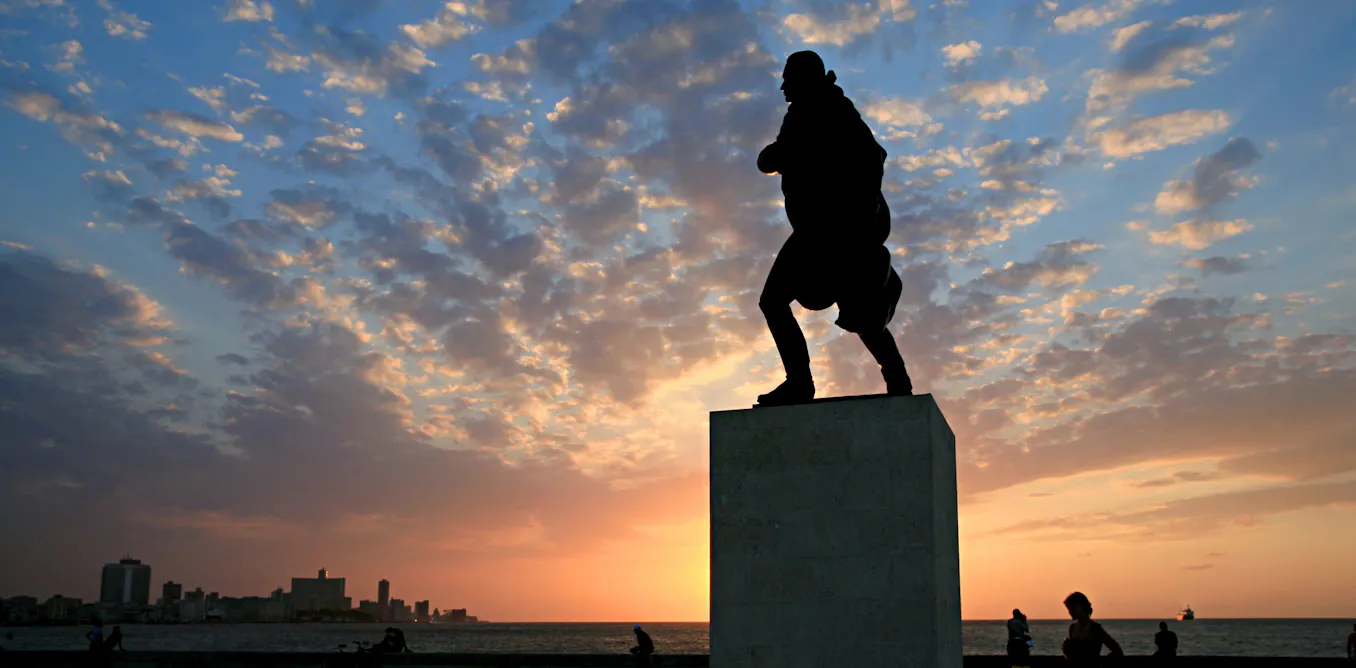
The U.S. government abducted Venezuelan President Nicolás Maduro in January 2026. Since then, the Trump administration has used carrots and sticks to cajole Maduro's government to support its aims. In the early 19th century, the South American revolutionary Francisco de Miranda visited New York on a charm offensive to meet with leading statesmen, including President Thomas Jefferson. Miranda had spent over two decades courting allies in the US in support of South American republicanism. Alexander Hamilton was one of Miranda's most influential advocates.

Cuba is again suffering from blackouts. Cuba only produces 40% of the fuel it needs and is struggling to receive shipments due to US restrictions. A Russian delivery of 730,000 barrels of Oil in late March ran out at the end of April.
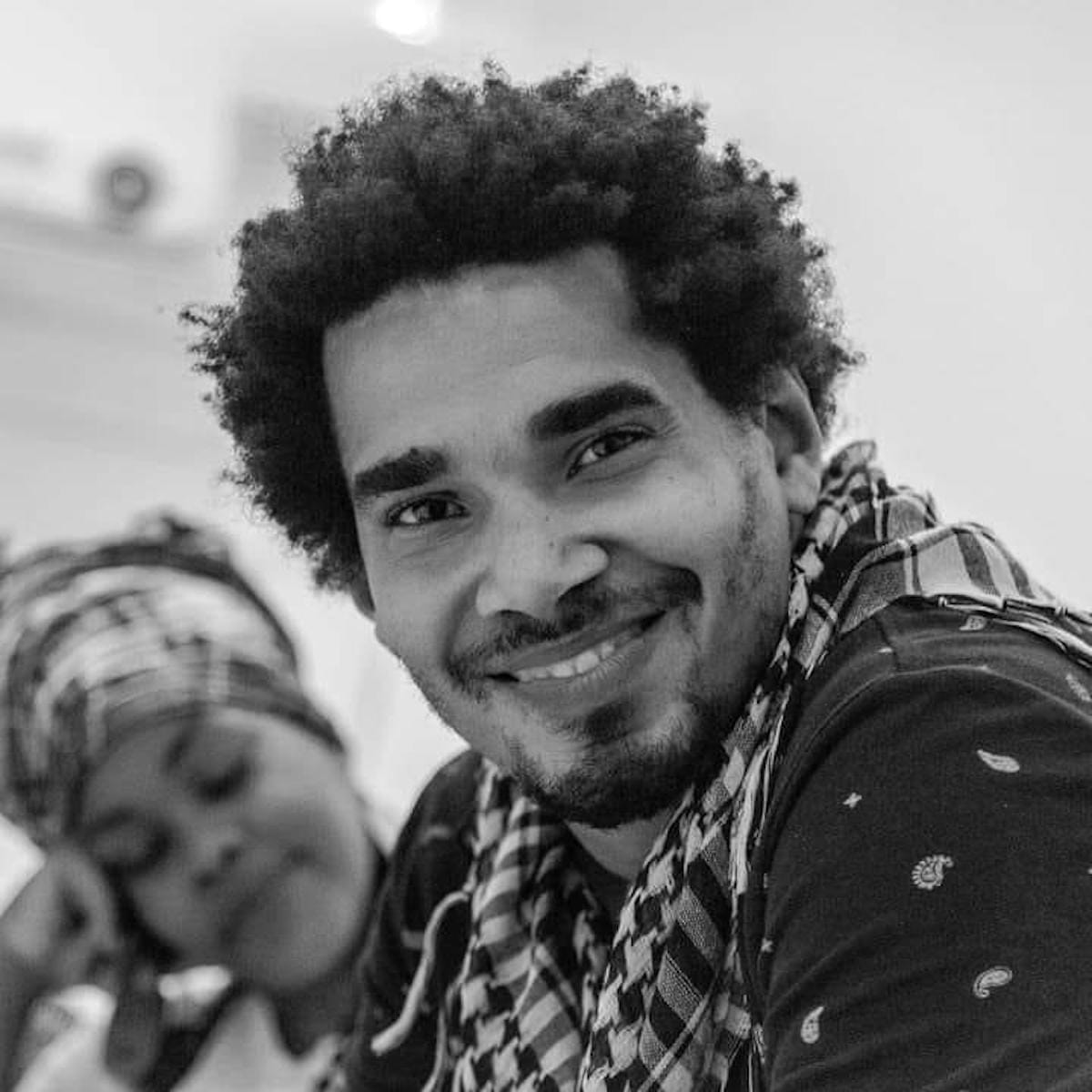
Luis Manuel Otero Alcántara's five-year sentence ended on July 9, but he is not yet free. State Security agents removed him from Guanajay Prison on Tuesday, July 7, and whisked him off to an undisclosed location. Human Rights organizations have determined his current status to be a forced disappearance. He was arrested in July 2021 on trumped-up charges after joining historic demonstrations across the island.
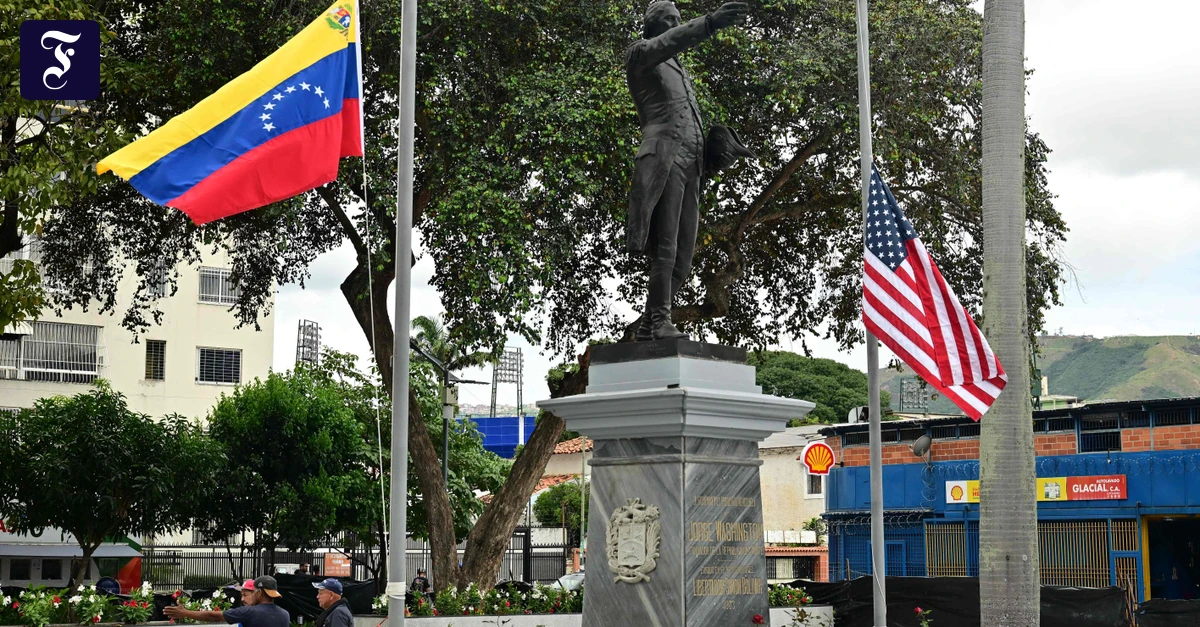
Hotel Marriott in the El Rosal district of Caracas has become Washington's control center in Venezuela. The US State Department has set up its improvised embassy in several suites. The government has been operating in a state of “flexible resistance” since January 3. Vice President Delcy Rodríguez has ruled the country ever since and has worked closely with Washington.
Cuba is facing a dire economic and political turning point. Many Cubans in the diaspora believe the days of the failed political system on the island are almost over. Cuba's more progressive social policies have helped to redeem the authoritarian excesses of the revolution’s early years.
Relations between the United States and Cuba have been strained since the 1959 revolution. Washington imposed a trade embargo against the socialist island that is still in effect today. Since Donald Trump took office, his government has increased the pressure on Havana with further sanctions. Trump has also repeatedly brought up a possible “takeover” of the economically struggling Caribbean state.
U.S. imposed sanctions on Cuban state-owned enterprises, militia groups, surveillance organizations and Cuba's Tourism Ministry to squeeze the regime. Measures hit state firms tied to fuel imports and trade, many linked to military-run GAESA, worsening Cuba's severe economic crisis. US President Donald Trump has heaped pressure on Cuba since January.
The US Treasury Department has sanctioned Cuba's Ministry of Tourism and two state-owned companies. The new sanctions follow an executive order in May that allowed the US to freeze any US-based assets belonging to people or organisations supporting Cuba's government or economy. The order also increased pressure on banks that work with Cuban entities. The US oil blockade has caused widespread electricity blackouts in Cuba.
The U.S. government abducted Venezuelan President Nicolás Maduro in January 2026. Since then, the Trump administration has used carrots and sticks to cajole Maduro's government to support its aims. In the early 19th century, the South American revolutionary Francisco de Miranda visited New York on a charm offensive to meet with leading statesmen, including President Thomas Jefferson. Miranda had spent over two decades courting allies in the US in support of South American republicanism. Alexander Hamilton was one of Miranda's most influential advocates.
Cuba is again suffering from blackouts. Cuba only produces 40% of the fuel it needs and is struggling to receive shipments due to US restrictions. A Russian delivery of 730,000 barrels of Oil in late March ran out at the end of April.
Luis Manuel Otero Alcántara's five-year sentence ended on July 9, but he is not yet free. State Security agents removed him from Guanajay Prison on Tuesday, July 7, and whisked him off to an undisclosed location. Human Rights organizations have determined his current status to be a forced disappearance. He was arrested in July 2021 on trumped-up charges after joining historic demonstrations across the island.
Hotel Marriott in the El Rosal district of Caracas has become Washington's control center in Venezuela. The US State Department has set up its improvised embassy in several suites. The government has been operating in a state of “flexible resistance” since January 3. Vice President Delcy Rodríguez has ruled the country ever since and has worked closely with Washington.