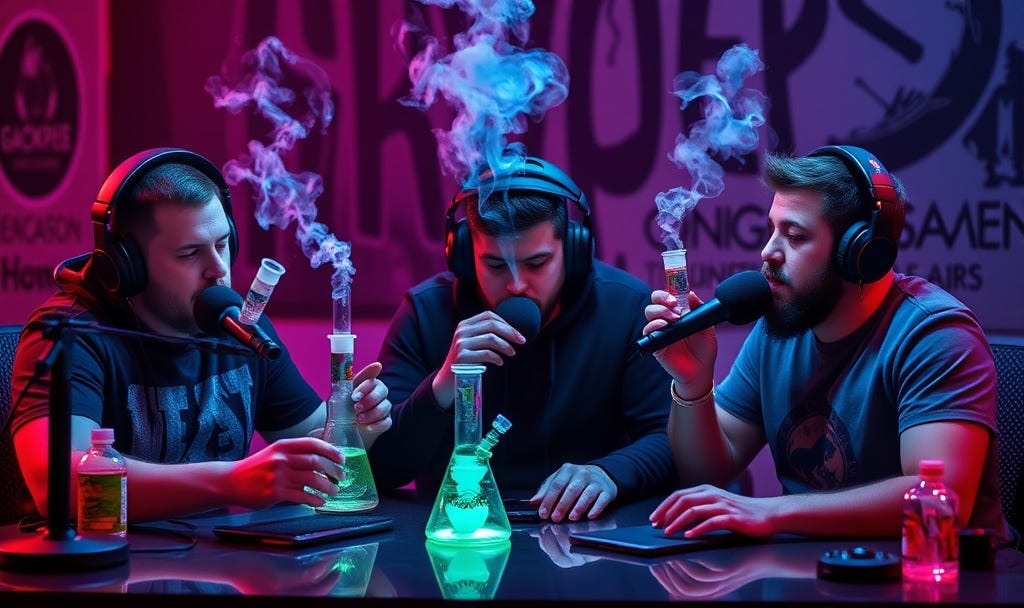
Ben Westhoff and Emily Dufton will join Katie on Substack Live on July 16th at 10 pm PT / 1 pm ET. They will talk about their books and their opinions on drugs and the war on drugs. The live video chat is open to all Subsack subscribers but archived for Primos only.
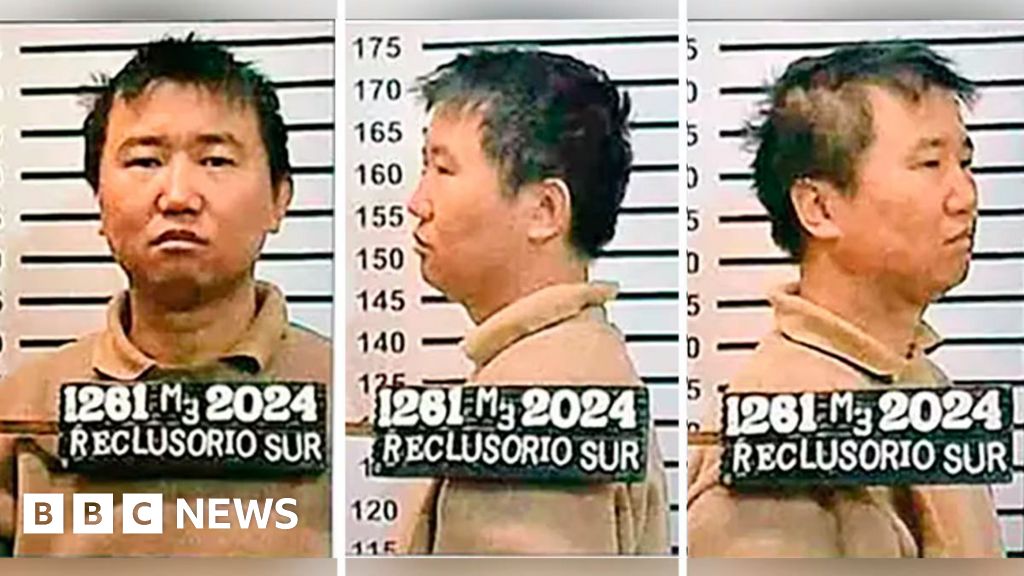
Enrique is a high-level co-ordinator in Mexico's Sinaloa cartel. He explains how ingredients to make the deadly drug fentanyl are shipped thousands of miles from Chinese factories to laboratories in Mexico. Enrique credits Brother Wang with establishing this supply chain. Brother Wang is a 39-year-old Chinese national whose real name is Zhang Zhidong.

Ed's stories explore prescription drug pricing, affordability and access. Robert F. Kennedy Jr. wants to help Americans stop taking psychiatric drugs. The FDA approved a wearable form of Sanofi’s blood cancer drug, Sarclisa, offering multiple myeloma patients a less burdensome alternative to intravenous infusions.

Robert F. Kennedy Jr. wants to help Americans stop taking psychiatric drugs, a medical practice known as deprescribing. Dozens of mental health professionals met with federal health officials to map out forthcoming clinical guidance they hope will help providers instruct patients on how to come off of antidepressant medications.
In June 2023, FDA issued the first draft guidance on clinical investigations involving psychedelics. This morning, eighty days later, it has published the final document. Key elements of the draft are broadly intact, but there are some meaningful changes to the agency's views on matters like selecting trial populations, assessing safety both pre- and post-approval, and designing long-term follow up.
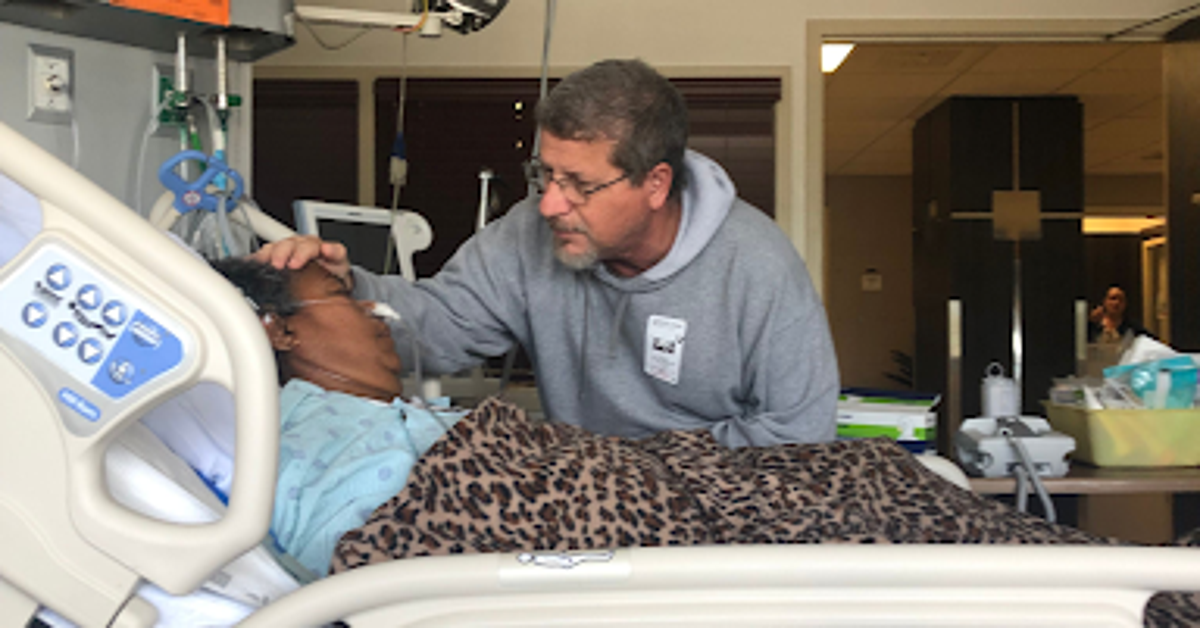
Maggie suffered from neurosarcoidosis, a chronic autoimmune disease. She had four strokes in less than a year, cardiovascular disease and pulmonary hypertension. The drugs she took to manage the disease caused Type 2 diabetes, weight gain, water retention, diabetic peripheral neuropathy, electrolyte imbalance and suppressed her immune system. Danny was angry that Maggie didn't fight back against the tightening circle around her.
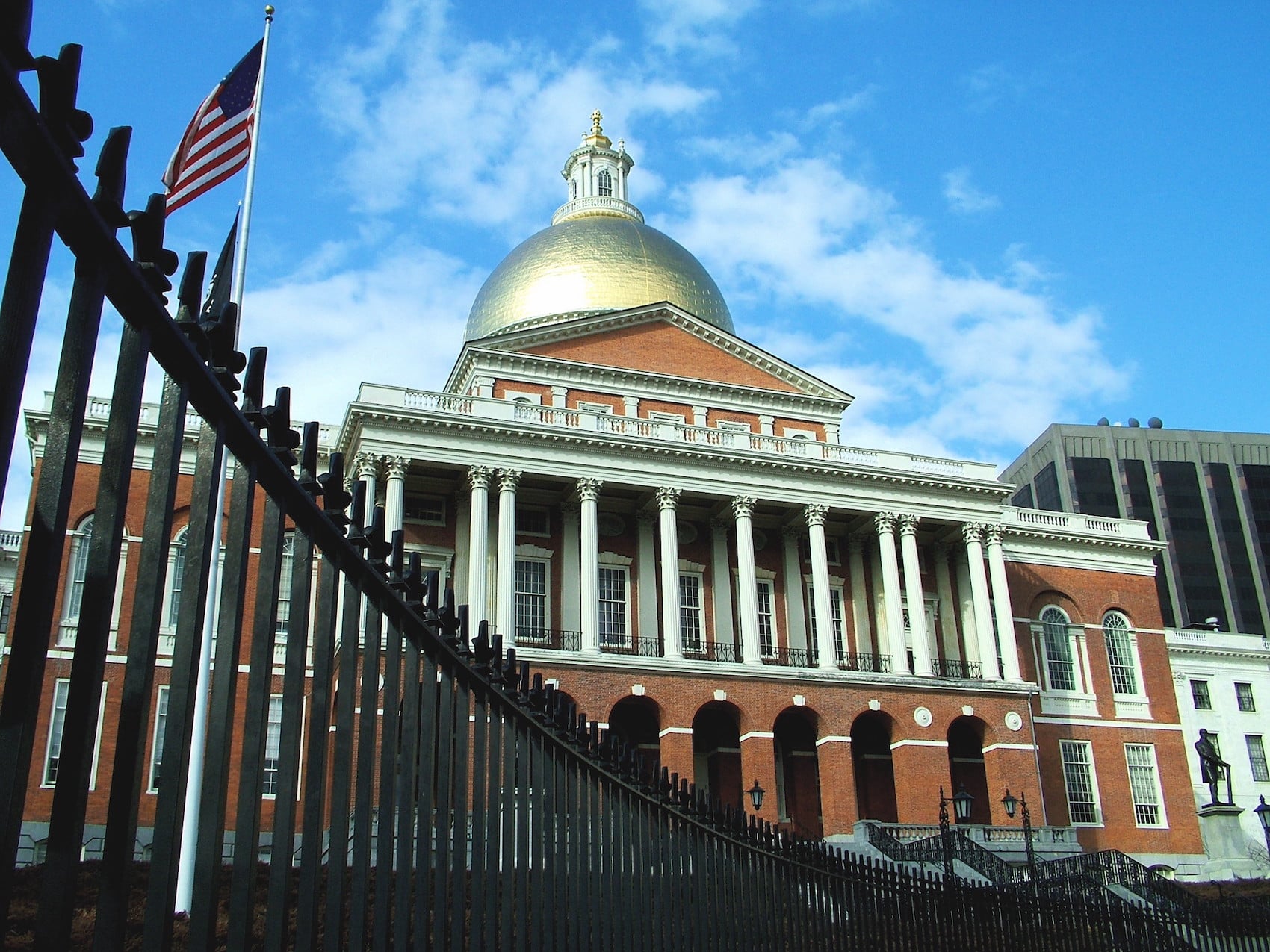
Massachusetts lawmakers have advanced a groundbreaking measure to establish a state-sanctioned psychedelic-assisted therapy pilot program. It follows the defeat of Question 4, a psychedelic legalization and decriminalization ballot measure, in 2024. If it becomes law, the Massachusetts Department of Public Health will be required to develop and implement the five-year pilot. Up to three licensed mental health clinics would be authorized to provide monitored care using naturally occurring psychedelics, such as psilocybin. The pilot program would exclude commercial interests.
FDA issues final guidance on psychedelic clinical investigations and announces a September public hearing on the potential future therapeutic use of psychedelic drugs. HHS and VA enter into a five-year Memorandum of Understanding (MOU) covering research, clinical development, and potential deployment of psychedelics to veterans. NIDA has awarded funding to a multi-phase ibogaine research project. ARPA-H invites companies to bid for funding to study the drug for opioid use disorder. HRSA will tomorrow issue a request for information on how America's healthcare infrastructure should prepare for the potential roll-out of psychedelic therapeutics.

Christina Bluhme's dog Tokyo was high on cannabis and she had to be rescued from Ben Nevis. The dog was taken to a vet and treated for a neurotoxins. The rescue crew came to the rescue in less than an hour and carried Tokyo to the trailhead.

After more than a year of squabbling, a group of AIDS activists obtained an R&D agreement that was at the heart of a settlement between the U.S. government and Gilead Sciences over patents for HIV prevention drugs. The agreement resolved a lawsuit that was filed six years ago by the previous Trump administration. The agency had helped fund academic research that formed the basis for two HIV pills.
Ben Westhoff and Emily Dufton will join Katie on Substack Live on July 16th at 10 pm PT / 1 pm ET. They will talk about their books and their opinions on drugs and the war on drugs. The live video chat is open to all Subsack subscribers but archived for Primos only.
Enrique is a high-level co-ordinator in Mexico's Sinaloa cartel. He explains how ingredients to make the deadly drug fentanyl are shipped thousands of miles from Chinese factories to laboratories in Mexico. Enrique credits Brother Wang with establishing this supply chain. Brother Wang is a 39-year-old Chinese national whose real name is Zhang Zhidong.
Ed's stories explore prescription drug pricing, affordability and access. Robert F. Kennedy Jr. wants to help Americans stop taking psychiatric drugs. The FDA approved a wearable form of Sanofi’s blood cancer drug, Sarclisa, offering multiple myeloma patients a less burdensome alternative to intravenous infusions.
Robert F. Kennedy Jr. wants to help Americans stop taking psychiatric drugs, a medical practice known as deprescribing. Dozens of mental health professionals met with federal health officials to map out forthcoming clinical guidance they hope will help providers instruct patients on how to come off of antidepressant medications.
In June 2023, FDA issued the first draft guidance on clinical investigations involving psychedelics. This morning, eighty days later, it has published the final document. Key elements of the draft are broadly intact, but there are some meaningful changes to the agency's views on matters like selecting trial populations, assessing safety both pre- and post-approval, and designing long-term follow up.
Maggie suffered from neurosarcoidosis, a chronic autoimmune disease. She had four strokes in less than a year, cardiovascular disease and pulmonary hypertension. The drugs she took to manage the disease caused Type 2 diabetes, weight gain, water retention, diabetic peripheral neuropathy, electrolyte imbalance and suppressed her immune system. Danny was angry that Maggie didn't fight back against the tightening circle around her.
Massachusetts lawmakers have advanced a groundbreaking measure to establish a state-sanctioned psychedelic-assisted therapy pilot program. It follows the defeat of Question 4, a psychedelic legalization and decriminalization ballot measure, in 2024. If it becomes law, the Massachusetts Department of Public Health will be required to develop and implement the five-year pilot. Up to three licensed mental health clinics would be authorized to provide monitored care using naturally occurring psychedelics, such as psilocybin. The pilot program would exclude commercial interests.
FDA issues final guidance on psychedelic clinical investigations and announces a September public hearing on the potential future therapeutic use of psychedelic drugs. HHS and VA enter into a five-year Memorandum of Understanding (MOU) covering research, clinical development, and potential deployment of psychedelics to veterans. NIDA has awarded funding to a multi-phase ibogaine research project. ARPA-H invites companies to bid for funding to study the drug for opioid use disorder. HRSA will tomorrow issue a request for information on how America's healthcare infrastructure should prepare for the potential roll-out of psychedelic therapeutics.
Christina Bluhme's dog Tokyo was high on cannabis and she had to be rescued from Ben Nevis. The dog was taken to a vet and treated for a neurotoxins. The rescue crew came to the rescue in less than an hour and carried Tokyo to the trailhead.
After more than a year of squabbling, a group of AIDS activists obtained an R&D agreement that was at the heart of a settlement between the U.S. government and Gilead Sciences over patents for HIV prevention drugs. The agreement resolved a lawsuit that was filed six years ago by the previous Trump administration. The agency had helped fund academic research that formed the basis for two HIV pills.