
Andrew and Bill discuss the economic data released by the PRC this week. They also discuss PRC messaging around openness in AI, an ongoing U.S. debate over open-source AI models, three chip bills that may end up in the NDAA, and the continued adventures in China policy on Capitol Hill.

Energy companies are raising money at their fastest pace this century and China’s growth rate is at its lowest in decades. Oil traders are worried that crude supplies are running low and the US state department is struggling under President Donald Trump. The FT does not use generative AI to voice its podcasts.

Since its founding in 1922, Foreign Affairs magazine has been the leading forum for serious discussion of American foreign policy and global affairs. The magazine has featured contributions from many leading international affairs experts since its founding. It is published by Simon & Schuster, a division of Penguin Books.

The Chinese Communist Party (CCP) has expanded its Taiwan-focused outreach through various exchange programs. A summer exchange program titled “Cross-Strait Young Teachers’ Northern Xinjiang Tour’ invites Taiwanese teachers aged 45 and under to visit Xinjiang for an eight-day, seven-night trip. Participants are required to pay only their airfare and a registration fee of NT$4,000 (approximately US$135). All accommodation, meals, and local transportation are fully subsidized. Scholars argue that the initiative is aimed at those with the ability to shape ideology in educational settings.
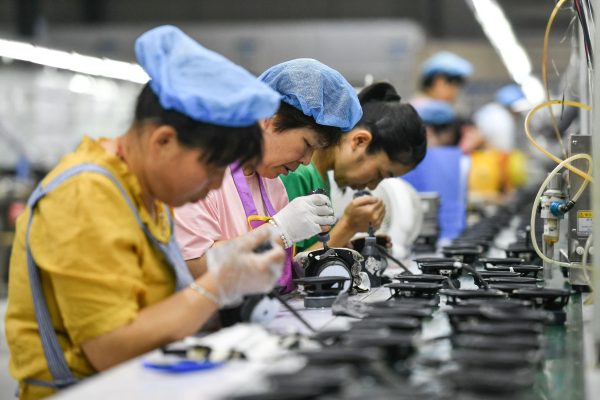
China's State Council released its 15th Five-Year Plan for Expanding Consumption on July 2. The plan aims to increase the country's total retail sales of consumer goods to 60 trillion yuan (USD $8.4 trillion) by 2030. Several Chinese economists argue that the country’s sluggish consumer spending reflects deeper structural problems that cannot be solved through stimulus measures alone. Former private entrepreneur Song Yanjun says deteriorating consumer confidence and mounting business pressures ultimately led him to leave China for Canada.

Law on Promoting Ethnic Unity and Progress came into effect on July 1. It was passed by a vote of 2,756 to 3, plus three abstentions. It is a signature achievement of President Xi Jinping, who has articulated a vision of a homogenized ethnic future. The new law caps a decade of increasingly assimilationist ethnic policy in China.
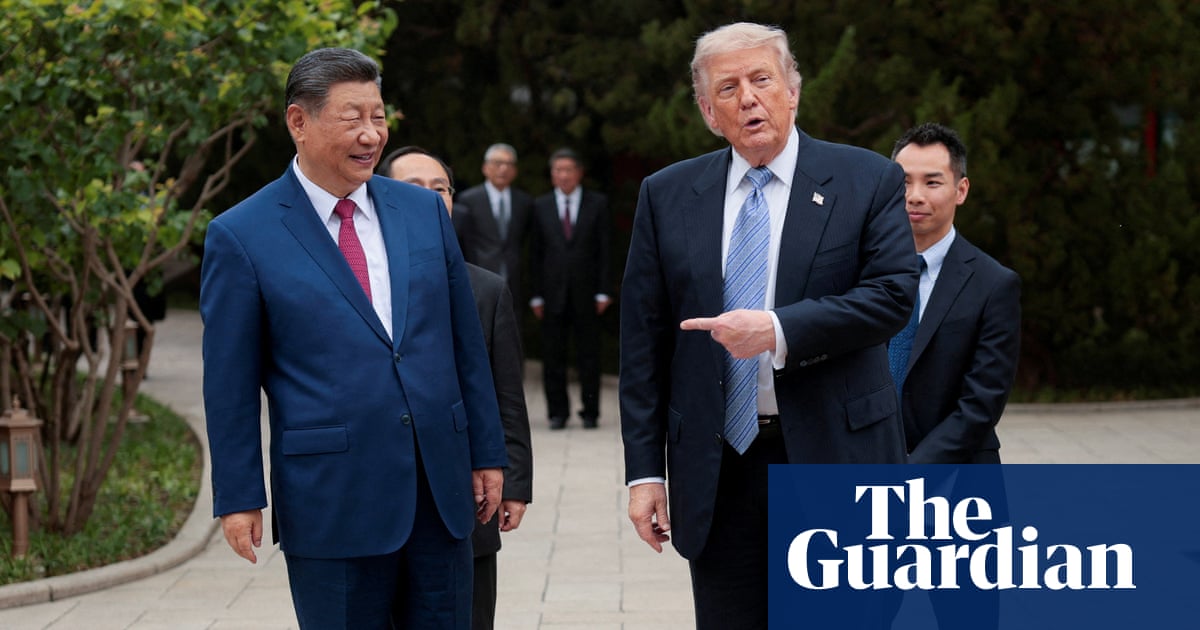
In 25 out of 36 countries and territories, people have more favourable views of China than the US. In 22 of them, people are more favourable of Chinese leader Xi Jinping than US president Donald Trump. The shift follows the Covid-19 pandemic and as global views of the US have soured. The US is still ahead of China when it comes to government respect for personal freedoms.
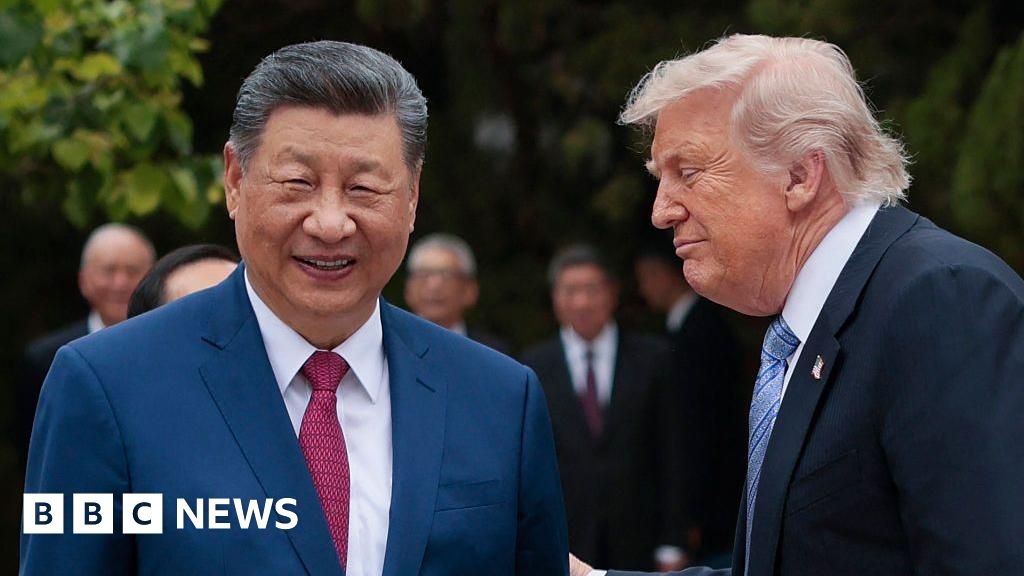
There is a disparity between the high favourability scores for China and the relatively lower confidence in Xi. China may be more predictable, but it does not take away from the fact that Xi is a major authoritarian figure, according to Dr Chong.

The Chinese Communist Party (CCP) implemented the Law on Promoting Ethnic Unity and Progress on July 1. Ye Yaoyuan, a political scientist at the University of St. Thomas at Houston, believes Taiwan should follow the U.S. Senate proposal by enacting dedicated legislation to address transnational repression or adopting a Foreign Agents Act.

In 25 out of 36 countries and territories, people have more favorable views of China than the U.S., according to a new Pew Research Center poll. In 22 of the 36 countries, people are more favorable of Chinese leader Xi Jinping than Donald Trump. The shift follows the COVID-19 pandemic becoming a distant issue and as global views of the US have soured. The Chinese Embassy in Washington says the latest poll shows China’s development progress is widely recognized.
Andrew and Bill discuss the economic data released by the PRC this week. They also discuss PRC messaging around openness in AI, an ongoing U.S. debate over open-source AI models, three chip bills that may end up in the NDAA, and the continued adventures in China policy on Capitol Hill.
Energy companies are raising money at their fastest pace this century and China’s growth rate is at its lowest in decades. Oil traders are worried that crude supplies are running low and the US state department is struggling under President Donald Trump. The FT does not use generative AI to voice its podcasts.
Since its founding in 1922, Foreign Affairs magazine has been the leading forum for serious discussion of American foreign policy and global affairs. The magazine has featured contributions from many leading international affairs experts since its founding. It is published by Simon & Schuster, a division of Penguin Books.
The Chinese Communist Party (CCP) has expanded its Taiwan-focused outreach through various exchange programs. A summer exchange program titled “Cross-Strait Young Teachers’ Northern Xinjiang Tour’ invites Taiwanese teachers aged 45 and under to visit Xinjiang for an eight-day, seven-night trip. Participants are required to pay only their airfare and a registration fee of NT$4,000 (approximately US$135). All accommodation, meals, and local transportation are fully subsidized. Scholars argue that the initiative is aimed at those with the ability to shape ideology in educational settings.
China's State Council released its 15th Five-Year Plan for Expanding Consumption on July 2. The plan aims to increase the country's total retail sales of consumer goods to 60 trillion yuan (USD $8.4 trillion) by 2030. Several Chinese economists argue that the country’s sluggish consumer spending reflects deeper structural problems that cannot be solved through stimulus measures alone. Former private entrepreneur Song Yanjun says deteriorating consumer confidence and mounting business pressures ultimately led him to leave China for Canada.
Law on Promoting Ethnic Unity and Progress came into effect on July 1. It was passed by a vote of 2,756 to 3, plus three abstentions. It is a signature achievement of President Xi Jinping, who has articulated a vision of a homogenized ethnic future. The new law caps a decade of increasingly assimilationist ethnic policy in China.
In 25 out of 36 countries and territories, people have more favourable views of China than the US. In 22 of them, people are more favourable of Chinese leader Xi Jinping than US president Donald Trump. The shift follows the Covid-19 pandemic and as global views of the US have soured. The US is still ahead of China when it comes to government respect for personal freedoms.
There is a disparity between the high favourability scores for China and the relatively lower confidence in Xi. China may be more predictable, but it does not take away from the fact that Xi is a major authoritarian figure, according to Dr Chong.
The Chinese Communist Party (CCP) implemented the Law on Promoting Ethnic Unity and Progress on July 1. Ye Yaoyuan, a political scientist at the University of St. Thomas at Houston, believes Taiwan should follow the U.S. Senate proposal by enacting dedicated legislation to address transnational repression or adopting a Foreign Agents Act.
In 25 out of 36 countries and territories, people have more favorable views of China than the U.S., according to a new Pew Research Center poll. In 22 of the 36 countries, people are more favorable of Chinese leader Xi Jinping than Donald Trump. The shift follows the COVID-19 pandemic becoming a distant issue and as global views of the US have soured. The Chinese Embassy in Washington says the latest poll shows China’s development progress is widely recognized.