
Heather Cox Richardson narrates a newsletter about the history behind today's politics for Letters from an American, her book about the American political history. She also wrote a book about American history called "The History of American Politics".

New book "Beasts of the East: The Fall and Rise of America’s Eastern Wilderness" chronicles how the U.S. East Coast has seen a great resurgence of wildlife and wildlands through reintroductions, ecological restoration, and rewilding. Mongabay's state in New England has 80% forested and wildlife has proliferated. Steve Packard's project of bringing American bison back to the Illinois prairie was one of the boldest and most rigorous projects of ecological restoration ever attempted.
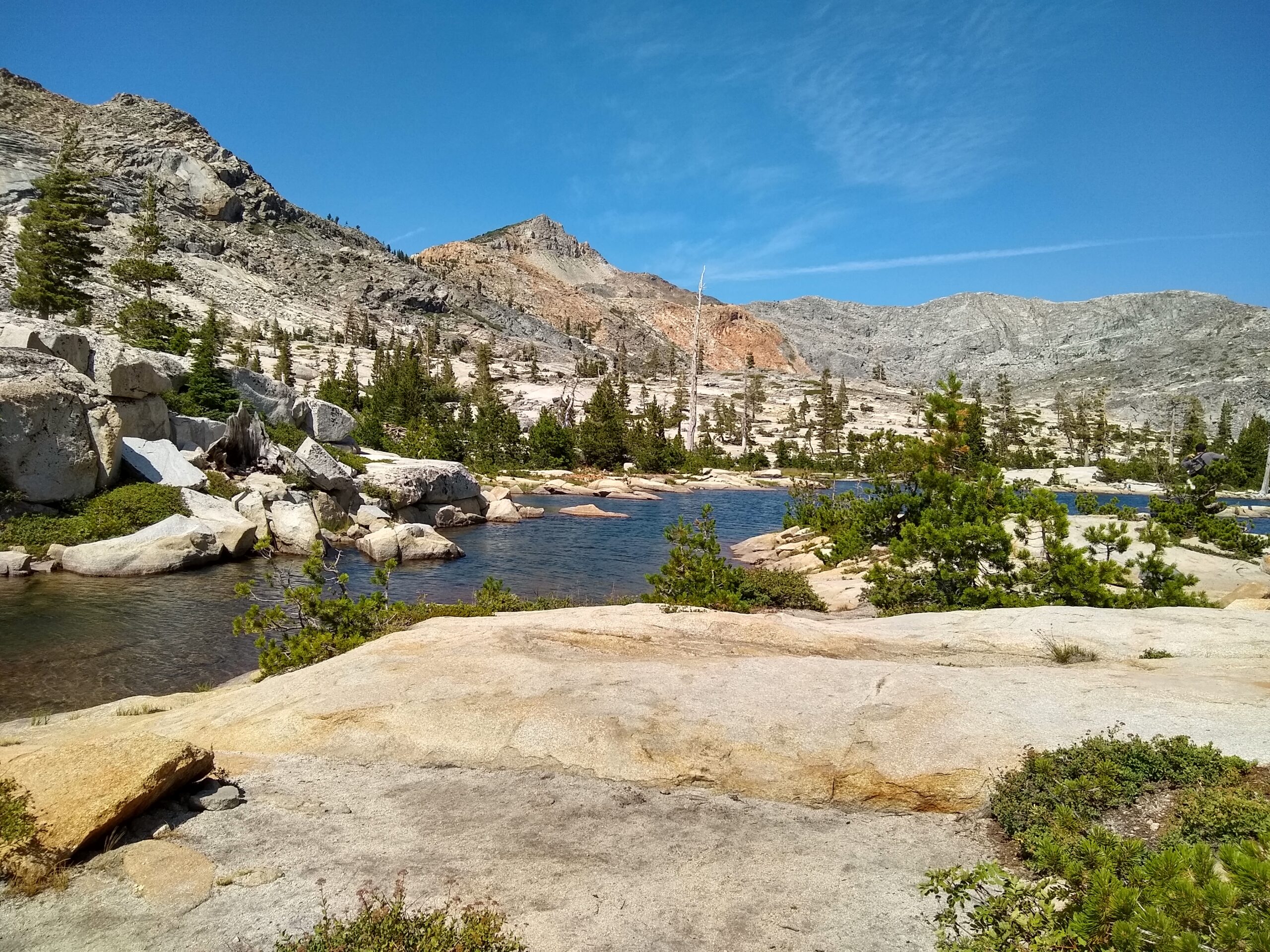
The Trump Administration has moved to gut habitat protection under the Endangered Species Act, opening wilderness areas to mining and oil drilling, and to eviscerate Monument designation for most of two wilderness areas in Utah. CLEE published a Monograph in March 2025 evaluating Trump’s legal authority to reduce the size of national monuments.

The war in Iran has hindered research and damaged educational facilities. Iran's nature, Iranian conservationists and Iranian researchers have been isolated for a long time. Conservationists are worried about extinction of conservationists. Iranian scientists also face persecution by their own government. An economics professor proposes a "humanitarian corridor for science" to provide fellowships, grants, and streamlined resource access to besieged researchers.

Carl McDaniel, 65, was attacked by a bison in Yellowstone National Park last weekend. It was the second such attack in the park this summer. McDaniel broke one of his legs in 4 places and was taken to the hospital for surgery. The incident was not his fault, according to Mike MacLeod, a professional wildlife photographer who witnessed it.

There are fewer osprey chicks surviving and reaching adulthood in the Bay. The reproduction rate for ospreys is now lower than it was at the height of the DDT crisis back in the 1960s. Ospreys need a reproductive rate of 1.15 chicks per active nest or greater to have a sustainable population.

Ecologically-Based Rodent Management (EBRM) was introduced to farming communities in Lebanon. LOCAL-STEP project is taking the next step and scaling up EBRM to reach more farmers and strengthen local stewardship over natural resources across the Shouf region. The success of project activities is closely linked to proactive farmers willing to test, adapt and share what they learn.

As climate change makes temperate regions warmer and wetter, mosquitoes' ranges are expanding and they are carrying more diseases. Connecticut has a statewide mosquito monitoring program that has detected 54 different species, including invasives like the Asian tiger mosquito, which can transmit potentially serious diseases including dengue and zika. Eastern equine encephalitis is a rare but serious mosquito-borne disease that can cause neurological issues and 30 percent fatality rate.

Your donation supports the mission to ask the big questions and deliver fresh, original insights from leading thinkers. We publish hard-won knowledge from real people who have grappled deeply with their subjects. If you value what we do, will you support us?
Heather Cox Richardson narrates a newsletter about the history behind today's politics for Letters from an American, her book about the American political history. She also wrote a book about American history called "The History of American Politics".
New book "Beasts of the East: The Fall and Rise of America’s Eastern Wilderness" chronicles how the U.S. East Coast has seen a great resurgence of wildlife and wildlands through reintroductions, ecological restoration, and rewilding. Mongabay's state in New England has 80% forested and wildlife has proliferated. Steve Packard's project of bringing American bison back to the Illinois prairie was one of the boldest and most rigorous projects of ecological restoration ever attempted.
The Trump Administration has moved to gut habitat protection under the Endangered Species Act, opening wilderness areas to mining and oil drilling, and to eviscerate Monument designation for most of two wilderness areas in Utah. CLEE published a Monograph in March 2025 evaluating Trump’s legal authority to reduce the size of national monuments.
The war in Iran has hindered research and damaged educational facilities. Iran's nature, Iranian conservationists and Iranian researchers have been isolated for a long time. Conservationists are worried about extinction of conservationists. Iranian scientists also face persecution by their own government. An economics professor proposes a "humanitarian corridor for science" to provide fellowships, grants, and streamlined resource access to besieged researchers.
Carl McDaniel, 65, was attacked by a bison in Yellowstone National Park last weekend. It was the second such attack in the park this summer. McDaniel broke one of his legs in 4 places and was taken to the hospital for surgery. The incident was not his fault, according to Mike MacLeod, a professional wildlife photographer who witnessed it.
There are fewer osprey chicks surviving and reaching adulthood in the Bay. The reproduction rate for ospreys is now lower than it was at the height of the DDT crisis back in the 1960s. Ospreys need a reproductive rate of 1.15 chicks per active nest or greater to have a sustainable population.
Ecologically-Based Rodent Management (EBRM) was introduced to farming communities in Lebanon. LOCAL-STEP project is taking the next step and scaling up EBRM to reach more farmers and strengthen local stewardship over natural resources across the Shouf region. The success of project activities is closely linked to proactive farmers willing to test, adapt and share what they learn.
As climate change makes temperate regions warmer and wetter, mosquitoes' ranges are expanding and they are carrying more diseases. Connecticut has a statewide mosquito monitoring program that has detected 54 different species, including invasives like the Asian tiger mosquito, which can transmit potentially serious diseases including dengue and zika. Eastern equine encephalitis is a rare but serious mosquito-borne disease that can cause neurological issues and 30 percent fatality rate.
Your donation supports the mission to ask the big questions and deliver fresh, original insights from leading thinkers. We publish hard-won knowledge from real people who have grappled deeply with their subjects. If you value what we do, will you support us?