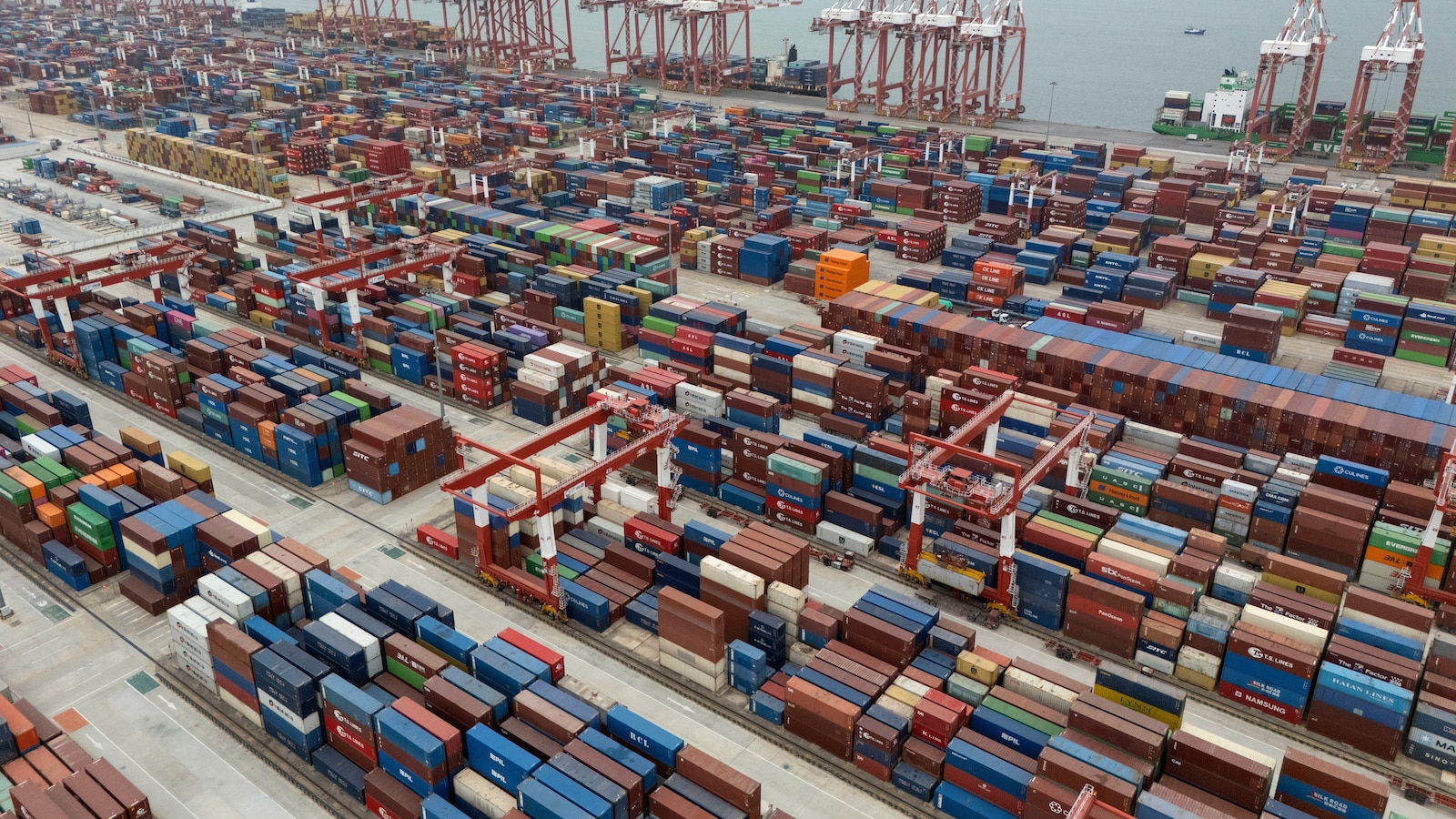
The U.S. Treasury last year swelled with revenue from President Donald Trump’s double-digit taxes on imports from almost every country on earth. The money dried up after the Supreme Court struck down the biggest and boldest of Trump's tariffs in February. The deadline to replace the lost revenue is approaching rapidly. Trump can use Section 301 of the 1974 trade law to impose tariffs and other sanctions against countries.
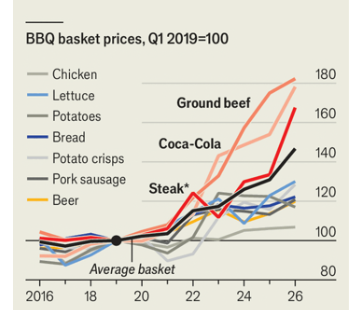
The Economist has been tracking food prices for a Fourth of July barbecue. The basket now costs an average of $81, 12% more than a year ago. Over the past five years the basket has risen in price by over 40%. The typical worker must now labour 16 minutes longer than in 2020 to afford the spread.

The U.S. will impose 25% tariffs on most Brazilian goods in response to the South American country's trade practices. The administration exempted coffee, beef and other agricultural goods, plus raw-material imports. The decision is driven in part by Mr. Trump's alliance with Jair Bolsonaro, the former Brazilian president.
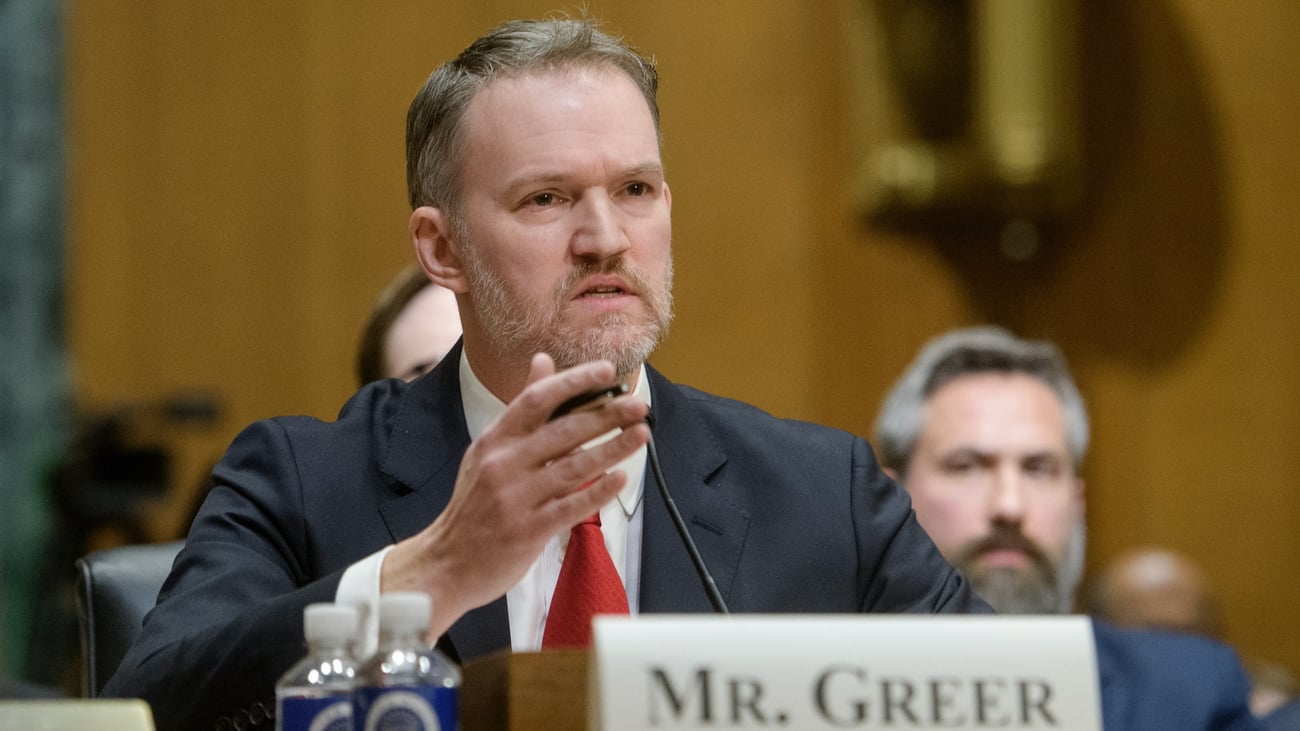
The Trump administration imposed a 25% tariff on Brazilian imports. The measure takes effect July 22 with exemptions for beef, coffee, orange juice and aircraft parts. Brazil is invoking its Economic Reciprocity Law to invoke the tariffs. The law allows Brazil to raise tariffs, suspend trade concessions and adopt countermeasures against countries that impose unilateral restrictions on Brazilian interests.

The US is imposing 25% duties on thousands of Brazilian imports, including sugar, apparel, paper, and steel. Beef, coffee, and rare-earth materials escaped US tariffs amid trade tensions with Brazil over alleged unfair practices. President Luiz Inacio Lula da Silva has long decried those allegations, suggesting they were politically motivated.
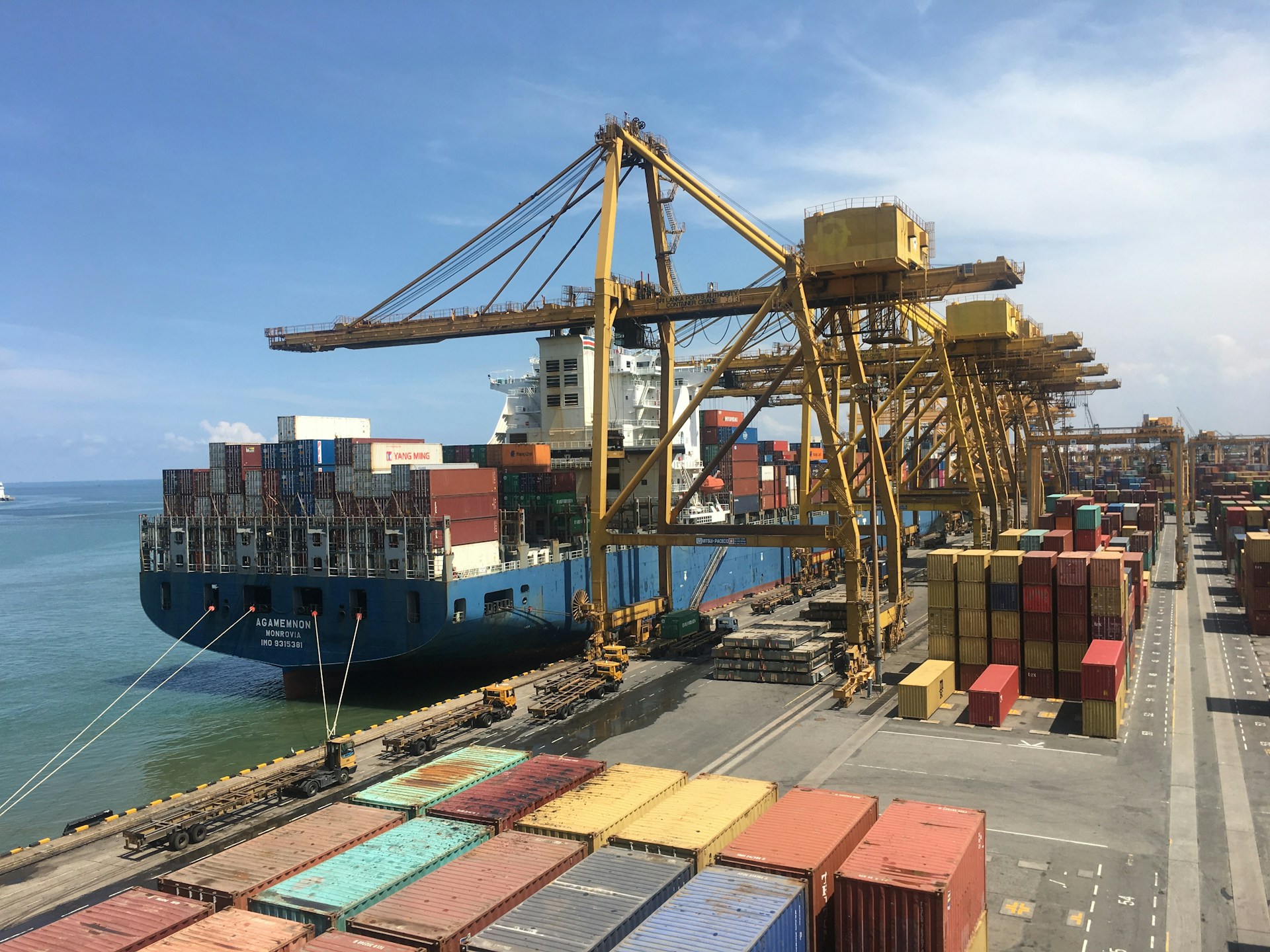
US imposes 25% tariff on various Brazilian imports after a year-long investigation. Exemptions include beef, coffee, certain aircraft parts, and goods the United States does not produce. Brazil condemned the tariffs and vowed reciprocal measures. US cites Section 301 findings of unfair practices while saying negotiations remain open.
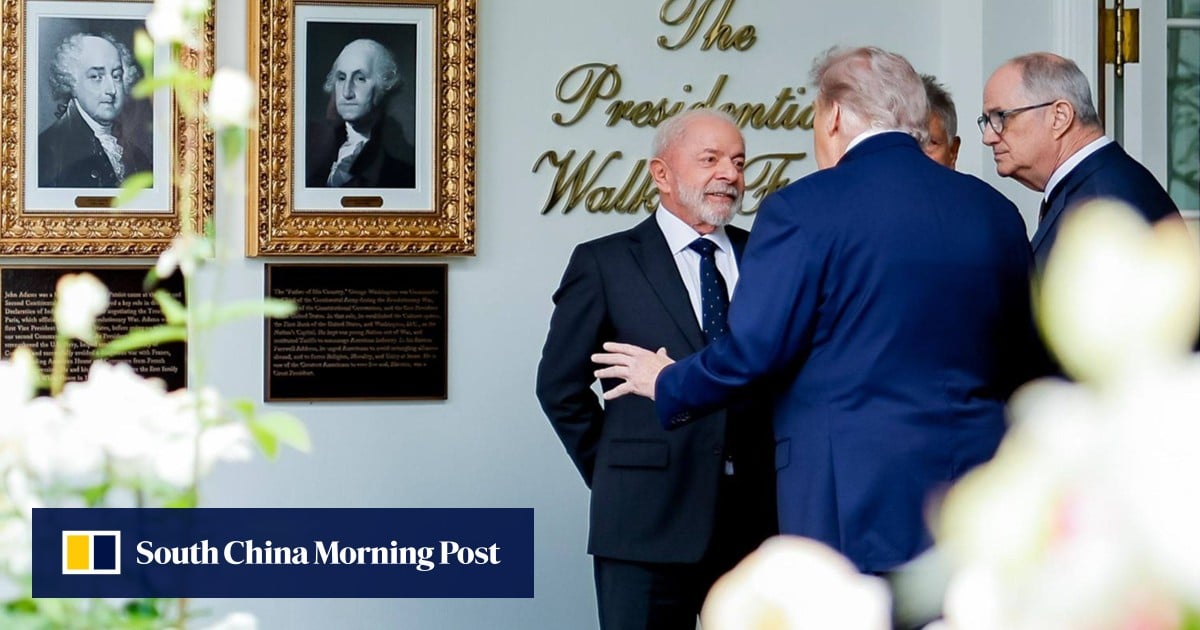
The US will charge 25% tariffs on imports of certain goods from Brazil. Coffee, beef, and certain ethanol products will be exempt from the new duties. Ethanol will be subject to the new tariffs. Brazil's government denounced the tariffs and said it would take measures to insulate its economy from their effects. Brazil imported more than US$45 billion of American goods in 2025.
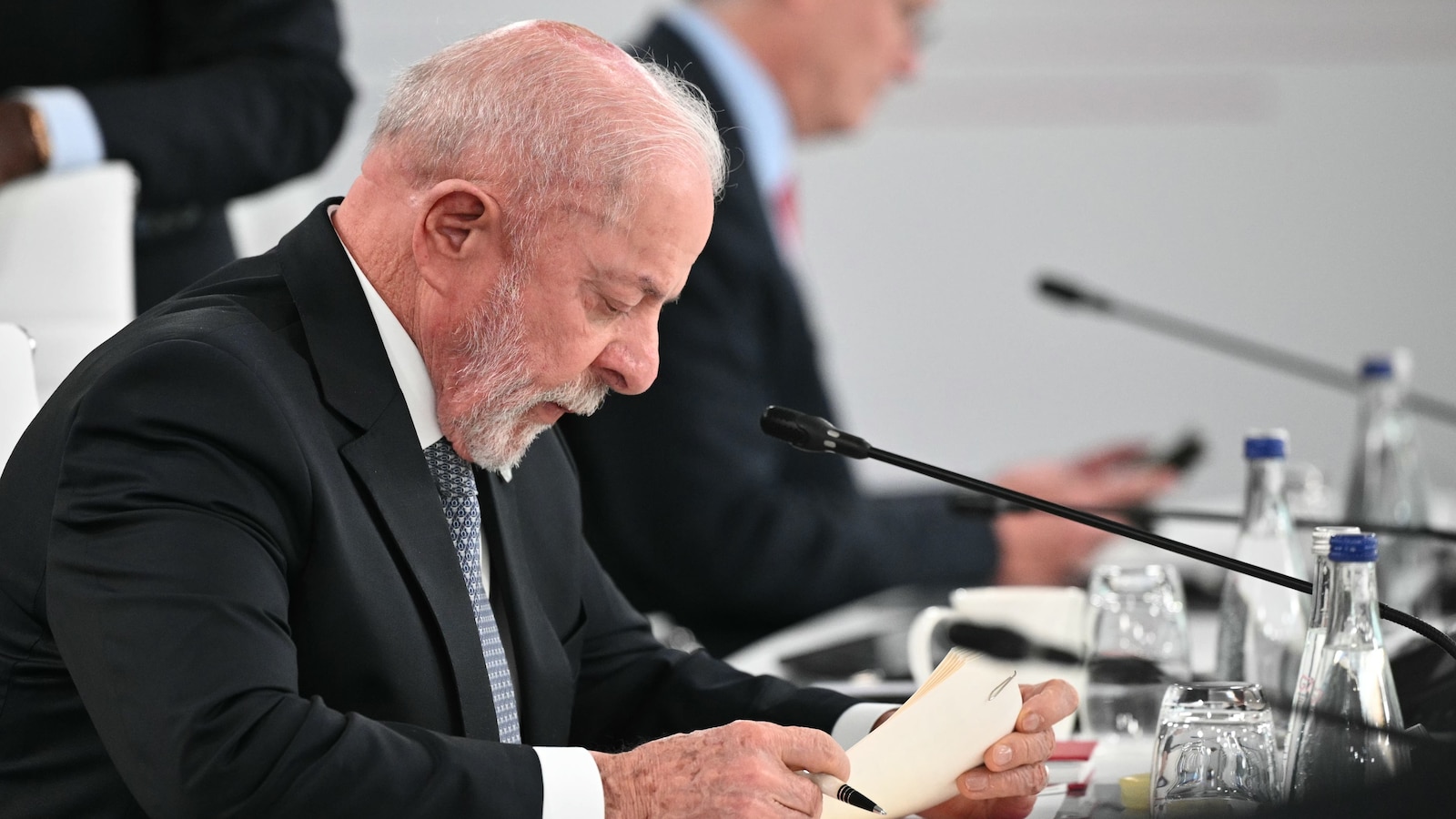
The United States will impose a new 25% tariff on certain imports from Brazil, citing unfair trade practices by the world's 10th-biggest economy. The order exempts some goods that are not produced in the U.S. or that officials worry would disrupt supply chains. The new tariff puts pressure on national exports and increases insecurity for companies in both countries. President Luiz Inacio Lula da Silva's office refutes the allegations and says it has taken steps to impose reciprocal tariffs.
The U.S. Treasury last year swelled with revenue from President Donald Trump’s double-digit taxes on imports from almost every country on earth. The money dried up after the Supreme Court struck down the biggest and boldest of Trump's tariffs in February. The deadline to replace the lost revenue is approaching rapidly. Trump can use Section 301 of the 1974 trade law to impose tariffs and other sanctions against countries.
The Economist has been tracking food prices for a Fourth of July barbecue. The basket now costs an average of $81, 12% more than a year ago. Over the past five years the basket has risen in price by over 40%. The typical worker must now labour 16 minutes longer than in 2020 to afford the spread.
The U.S. will impose 25% tariffs on most Brazilian goods in response to the South American country's trade practices. The administration exempted coffee, beef and other agricultural goods, plus raw-material imports. The decision is driven in part by Mr. Trump's alliance with Jair Bolsonaro, the former Brazilian president.
The Trump administration imposed a 25% tariff on Brazilian imports. The measure takes effect July 22 with exemptions for beef, coffee, orange juice and aircraft parts. Brazil is invoking its Economic Reciprocity Law to invoke the tariffs. The law allows Brazil to raise tariffs, suspend trade concessions and adopt countermeasures against countries that impose unilateral restrictions on Brazilian interests.
The US is imposing 25% duties on thousands of Brazilian imports, including sugar, apparel, paper, and steel. Beef, coffee, and rare-earth materials escaped US tariffs amid trade tensions with Brazil over alleged unfair practices. President Luiz Inacio Lula da Silva has long decried those allegations, suggesting they were politically motivated.
US imposes 25% tariff on various Brazilian imports after a year-long investigation. Exemptions include beef, coffee, certain aircraft parts, and goods the United States does not produce. Brazil condemned the tariffs and vowed reciprocal measures. US cites Section 301 findings of unfair practices while saying negotiations remain open.
The US will charge 25% tariffs on imports of certain goods from Brazil. Coffee, beef, and certain ethanol products will be exempt from the new duties. Ethanol will be subject to the new tariffs. Brazil's government denounced the tariffs and said it would take measures to insulate its economy from their effects. Brazil imported more than US$45 billion of American goods in 2025.
The United States will impose a new 25% tariff on certain imports from Brazil, citing unfair trade practices by the world's 10th-biggest economy. The order exempts some goods that are not produced in the U.S. or that officials worry would disrupt supply chains. The new tariff puts pressure on national exports and increases insecurity for companies in both countries. President Luiz Inacio Lula da Silva's office refutes the allegations and says it has taken steps to impose reciprocal tariffs.