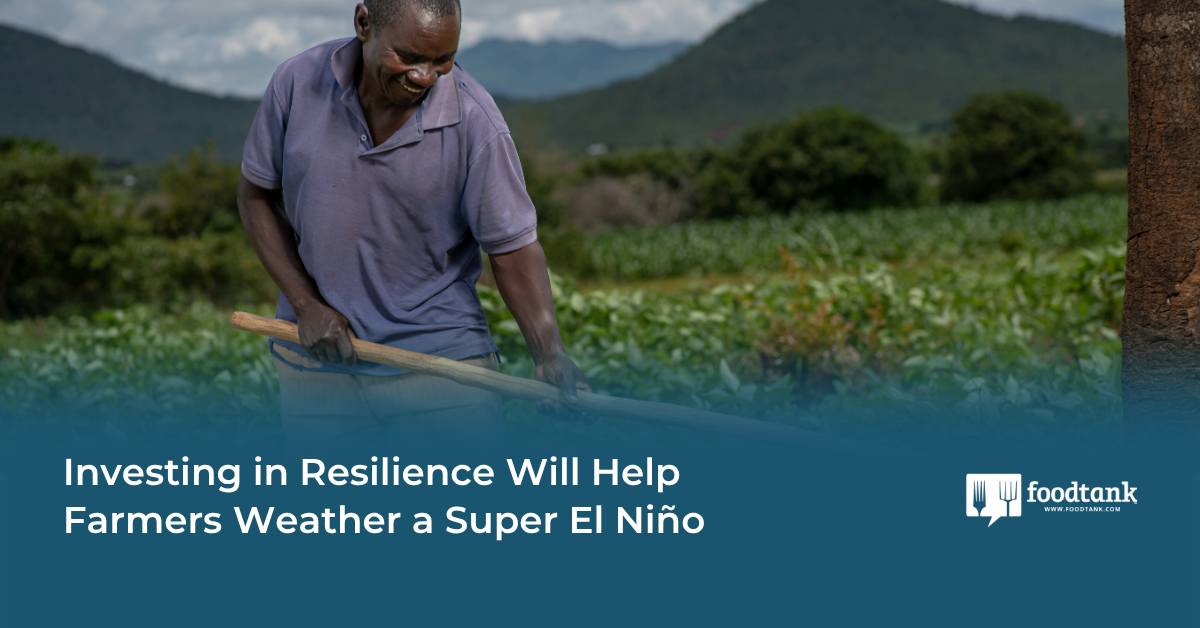
This year's El Niño may be one of the strongest on record. The International Fund for Agricultural Development (IFAD) is helping farmers build resilience. The agency works with governments and development partners to put prevention measures in place before a crisis hits. The last El Niño in 2023 affected more than 1 million Zambian households.

El Niño, the Iran war, the Ebola virus and other factors are combining to create a polycrisis in the Greater Horn of Africa in the second half of 2026 and into 2027. The region is already beset by prolonged crisis and conflict. The closure of USAID and the major cuts in spending on foreign aid has undermined the international system's capacity to respond to major shocks.
,regionOfInterest=(2000,1334)&hash=87bd94ead2830f0f6eb3754e3d8f91539efdda058da6d52815f8b237862b4352)
Cologne's water consumption is exploding due to the drought. Supplier Rheinenergie gives the all-clear. The groundwater levels in the cathedral city have been recorded for 115 years and the situation has never been critical. Cologne's position in the Cologne Bay influences the surface water and acts like a magnet on the groundwater table.

Pakistan and India are locked in a water dispute over the Indus Waters Treaty (IWT). India suspended the treaty after the April 2025 terror attack on tourists in Indian-administered Kashmir, which it blamed on Pakistan. Pakistan’s National Security Committee warned that any attempt to stop or divert the flow of water belonging to Pakistan would be considered an Act of War.
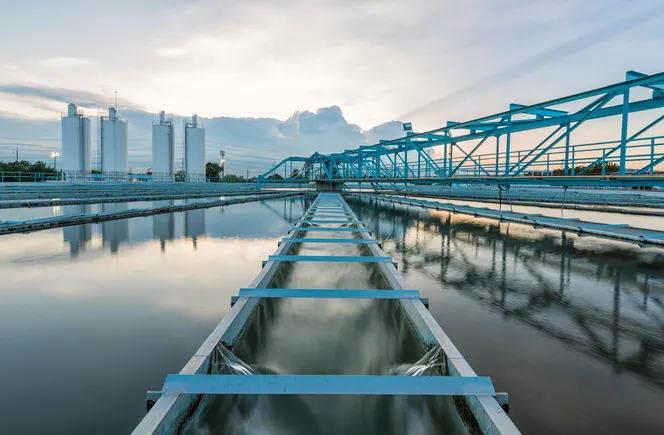
The Water Resources Development Act of 2026 authorizes $14 billion over four years for the Clean Water State Revolving Fund and $16.5 billion over five years for Drinking Water State revolving Fund. It also authorizes 133 new feasibility studies for locally proposed water infrastructure projects. Congress has enacted a bipartisan WRDA every two years since 2014.
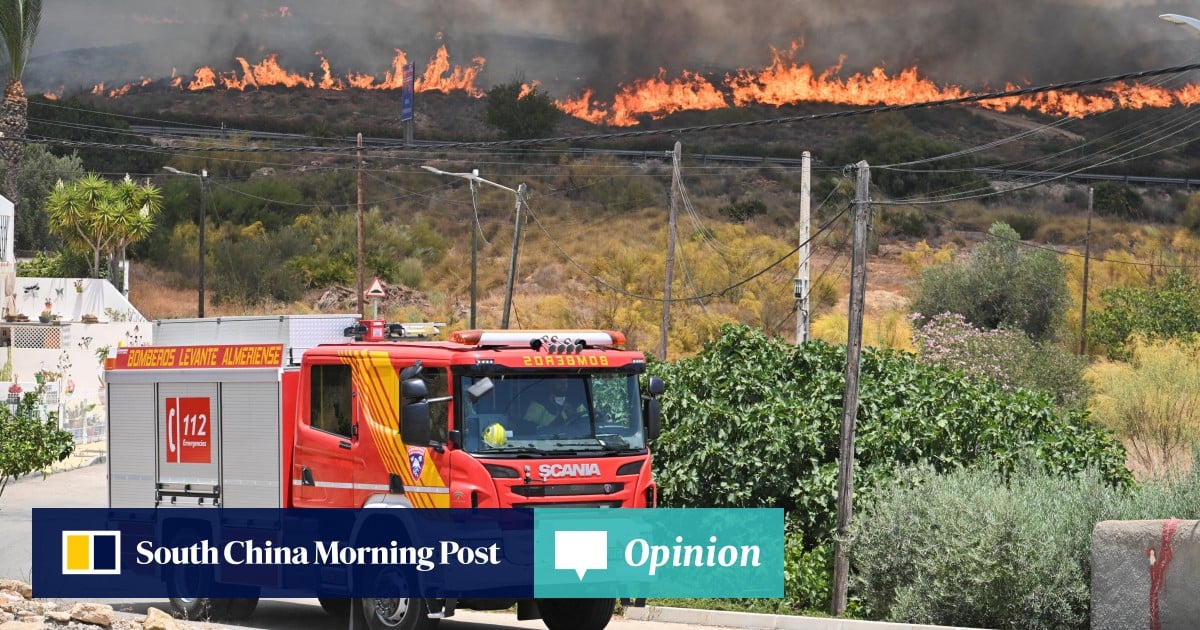
This year's global crises have stretched the resources of capital, political bandwidth and public concern further than usual. Last week, a wildfire near Almeria killed at least 12 people and left 23 more missing, one of the deadliest fires in Spain's history. Typhoon Bavi forced the evacuation of 2.2 million people in Zhejiang province, days after Typhoon Maysak struck the country’s south.
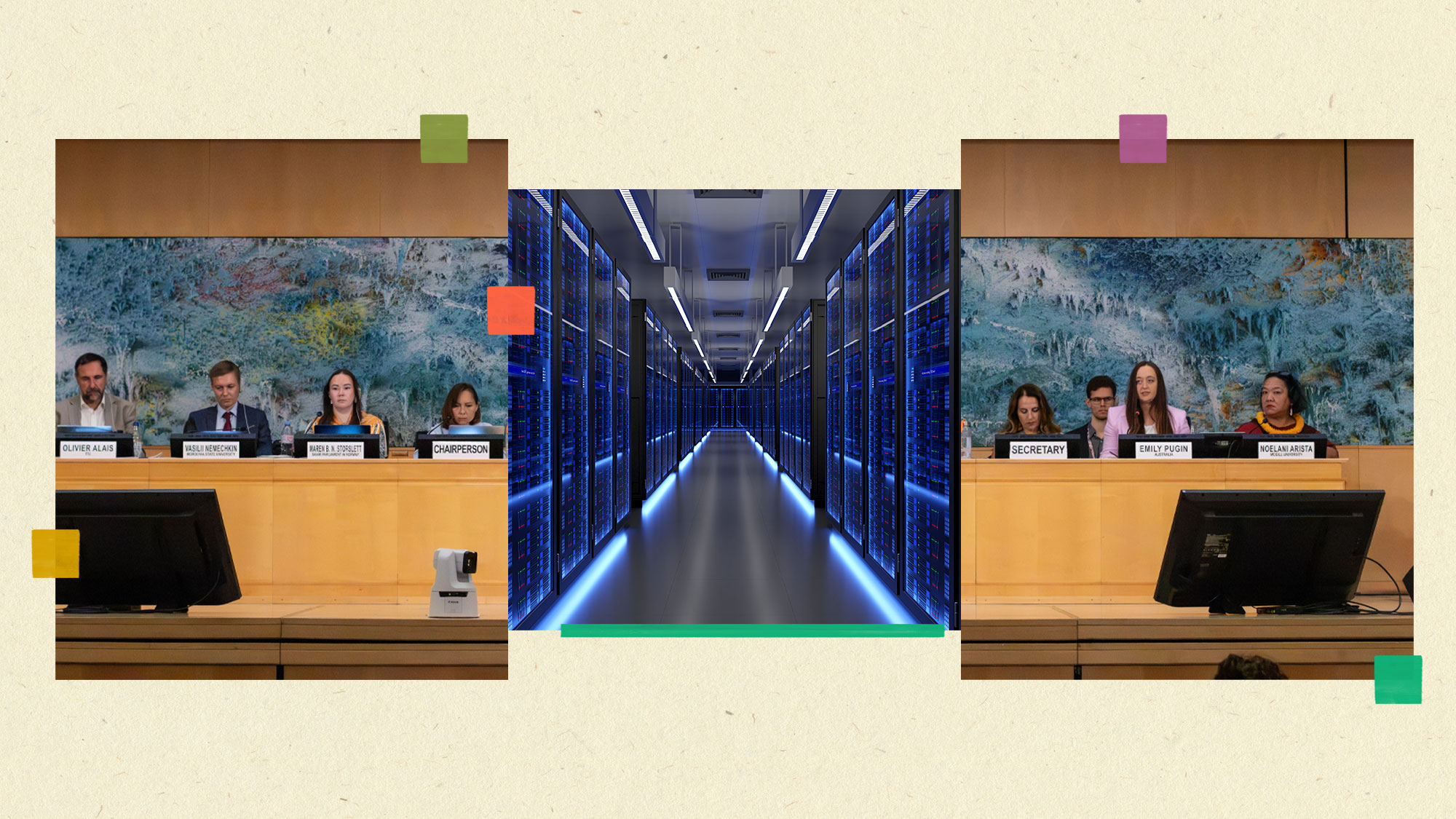
AI is the transformative technology of our time, with the potential to reshape the world on a global scale. But, underpinning its potential, there is the need for so-called "so-called" data centers that require vast amounts of land, energy, and water. Indigenous peoples around the world are responding to this threat in different ways. They are raising concerns about mounting pressure on water resources and inadequate consultation, but in some cases embracing economic benefits.
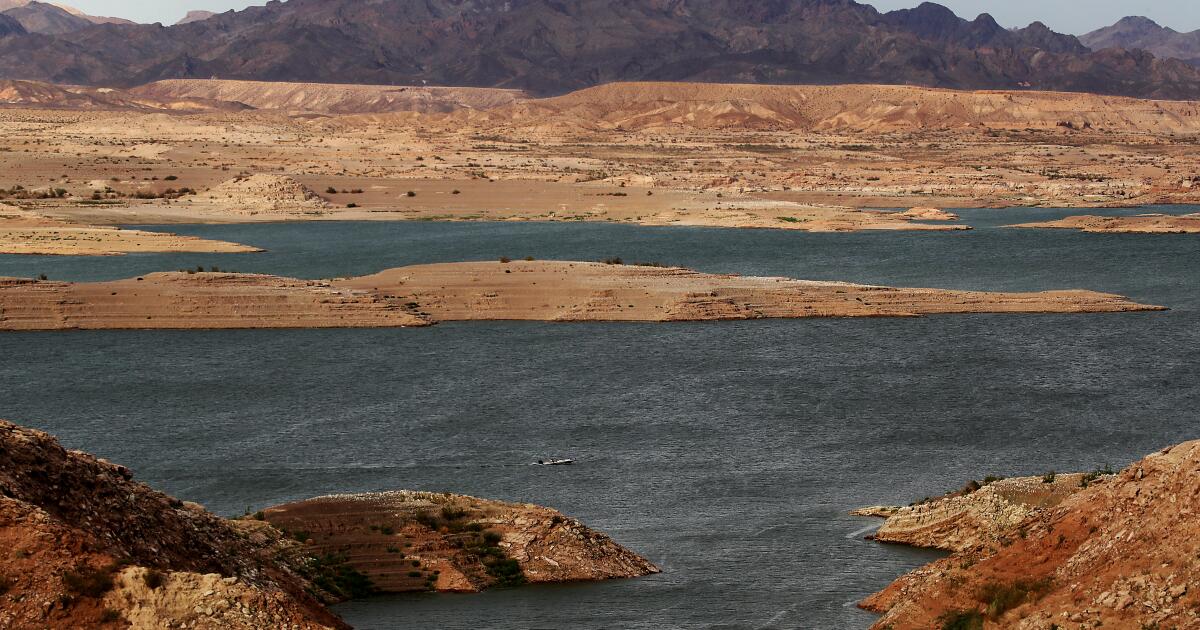
The Metropolitan Water District of Southern California's board of directors approved an agreement to leave 200,000 acre-feet of water from the Colorado River in Lake Mead. It's one of several partnerships in California, Arizona and Nevada that will conserve close to 700,000 acres-feet in the artificial lake near Las Vegas. The agreement will add three feet of water to the reservoir by December.

Last July's flooding in the Texas Hill Country killed more than 130 people. Lawmakers overhauled the state's flood preparedness laws after that disaster. This week's flooding is a test of the legislation passed during last summer's special sessions. One person has died in overnight flooding.

Developed countries grew wealthy from burning fossil fuels. Poorer nations spend billions to recover from floods and droughts. They need at least $2 trillion every year to respond and adapt to extreme weather conditions. Rich nations promised to help, but the funding gap is widening. Some of the world’s biggest donors are now cutting aid. The World Bank has dropped its climate finance target.
This year's El Niño may be one of the strongest on record. The International Fund for Agricultural Development (IFAD) is helping farmers build resilience. The agency works with governments and development partners to put prevention measures in place before a crisis hits. The last El Niño in 2023 affected more than 1 million Zambian households.
El Niño, the Iran war, the Ebola virus and other factors are combining to create a polycrisis in the Greater Horn of Africa in the second half of 2026 and into 2027. The region is already beset by prolonged crisis and conflict. The closure of USAID and the major cuts in spending on foreign aid has undermined the international system's capacity to respond to major shocks.
Cologne's water consumption is exploding due to the drought. Supplier Rheinenergie gives the all-clear. The groundwater levels in the cathedral city have been recorded for 115 years and the situation has never been critical. Cologne's position in the Cologne Bay influences the surface water and acts like a magnet on the groundwater table.
Pakistan and India are locked in a water dispute over the Indus Waters Treaty (IWT). India suspended the treaty after the April 2025 terror attack on tourists in Indian-administered Kashmir, which it blamed on Pakistan. Pakistan’s National Security Committee warned that any attempt to stop or divert the flow of water belonging to Pakistan would be considered an Act of War.
The Water Resources Development Act of 2026 authorizes $14 billion over four years for the Clean Water State Revolving Fund and $16.5 billion over five years for Drinking Water State revolving Fund. It also authorizes 133 new feasibility studies for locally proposed water infrastructure projects. Congress has enacted a bipartisan WRDA every two years since 2014.
This year's global crises have stretched the resources of capital, political bandwidth and public concern further than usual. Last week, a wildfire near Almeria killed at least 12 people and left 23 more missing, one of the deadliest fires in Spain's history. Typhoon Bavi forced the evacuation of 2.2 million people in Zhejiang province, days after Typhoon Maysak struck the country’s south.
AI is the transformative technology of our time, with the potential to reshape the world on a global scale. But, underpinning its potential, there is the need for so-called "so-called" data centers that require vast amounts of land, energy, and water. Indigenous peoples around the world are responding to this threat in different ways. They are raising concerns about mounting pressure on water resources and inadequate consultation, but in some cases embracing economic benefits.
The Metropolitan Water District of Southern California's board of directors approved an agreement to leave 200,000 acre-feet of water from the Colorado River in Lake Mead. It's one of several partnerships in California, Arizona and Nevada that will conserve close to 700,000 acres-feet in the artificial lake near Las Vegas. The agreement will add three feet of water to the reservoir by December.
Last July's flooding in the Texas Hill Country killed more than 130 people. Lawmakers overhauled the state's flood preparedness laws after that disaster. This week's flooding is a test of the legislation passed during last summer's special sessions. One person has died in overnight flooding.
Developed countries grew wealthy from burning fossil fuels. Poorer nations spend billions to recover from floods and droughts. They need at least $2 trillion every year to respond and adapt to extreme weather conditions. Rich nations promised to help, but the funding gap is widening. Some of the world’s biggest donors are now cutting aid. The World Bank has dropped its climate finance target.