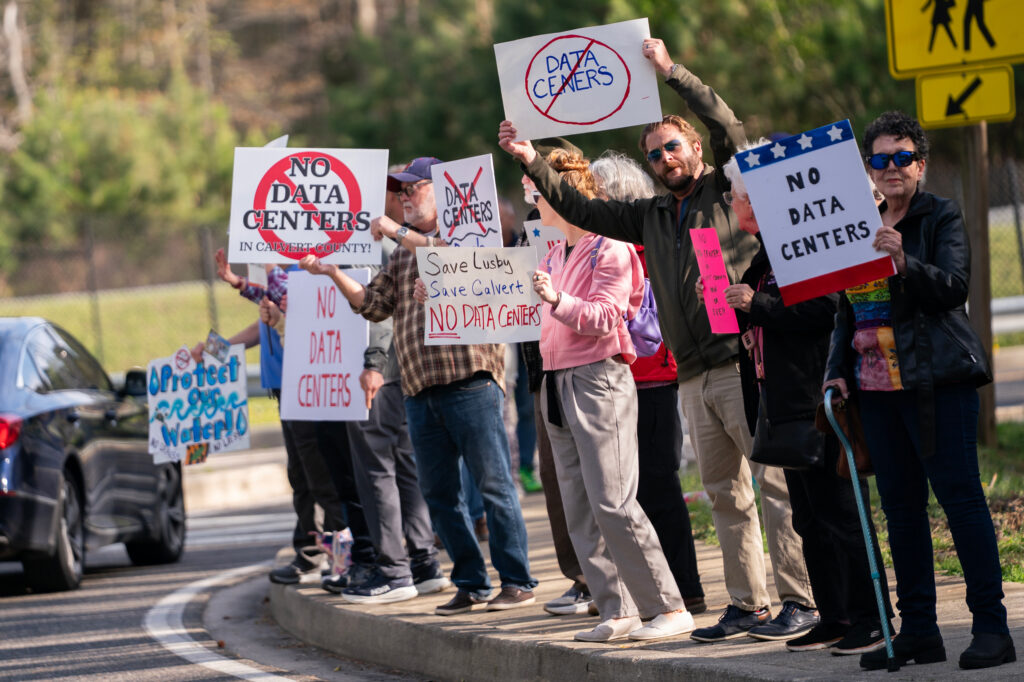
Prince George’s County adopted a two-year moratorium on development of the server farms. It is the longest such pause in the state. The power-hungry facilities have driven utility bills higher. There is a nationwide push to insulate ordinary ratepayers from the cost of the energy buildout needed to run them.
There is a data center boom in the U.S. Lawmakers and property owners are concerned about the impact of new data centers on the cost of homeownership. Opponents argue that they don't bring economic development and don't invest in the infrastructure that benefits the community as a whole.
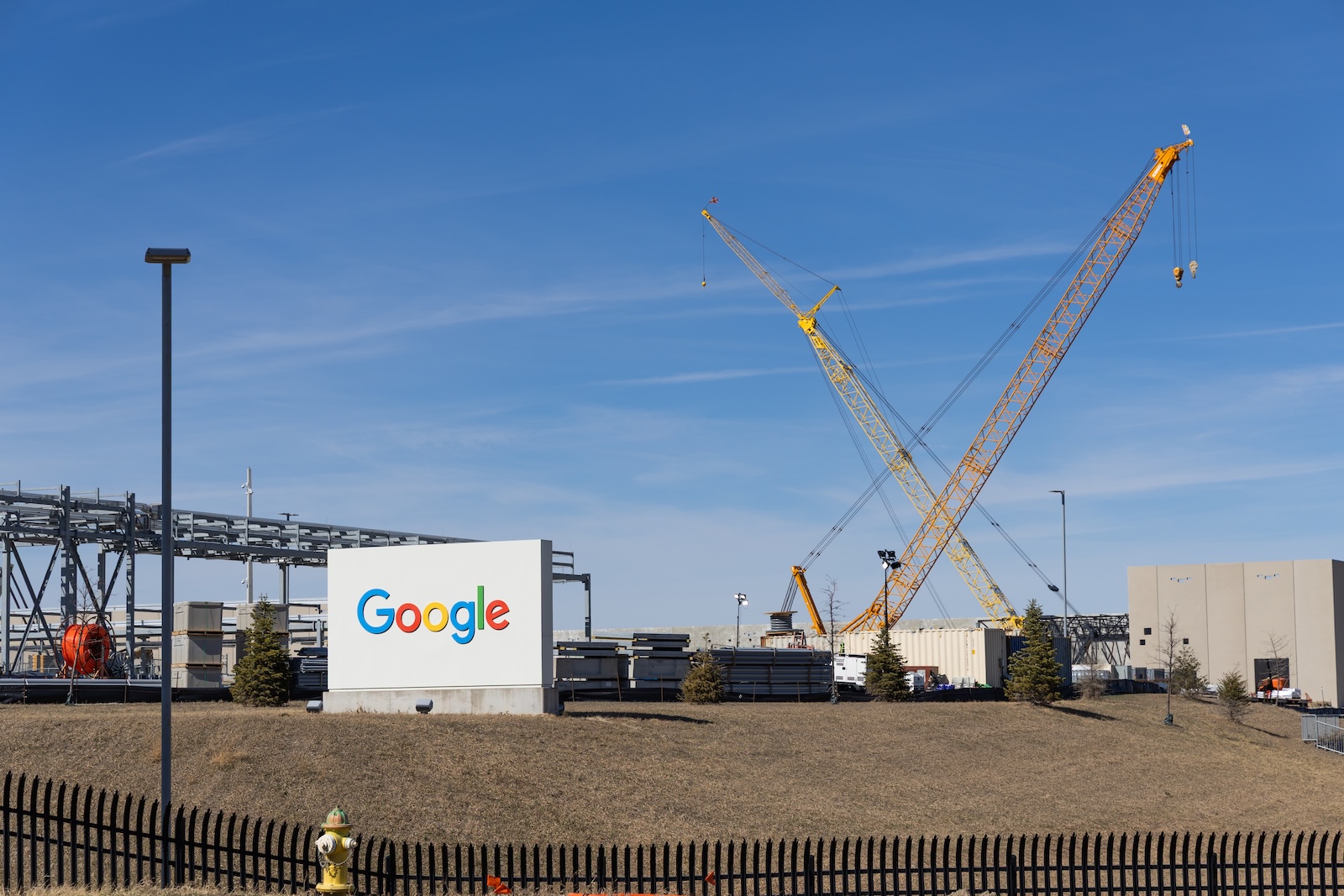
Nebraska's new law requires data centers to be more transparent about their operations and water use. Google's data centers consumed 732 million gallons of water in 2025. Meta's data center in Sarpy County used up to 37.5 million gallons from the local water supply depending on the year.
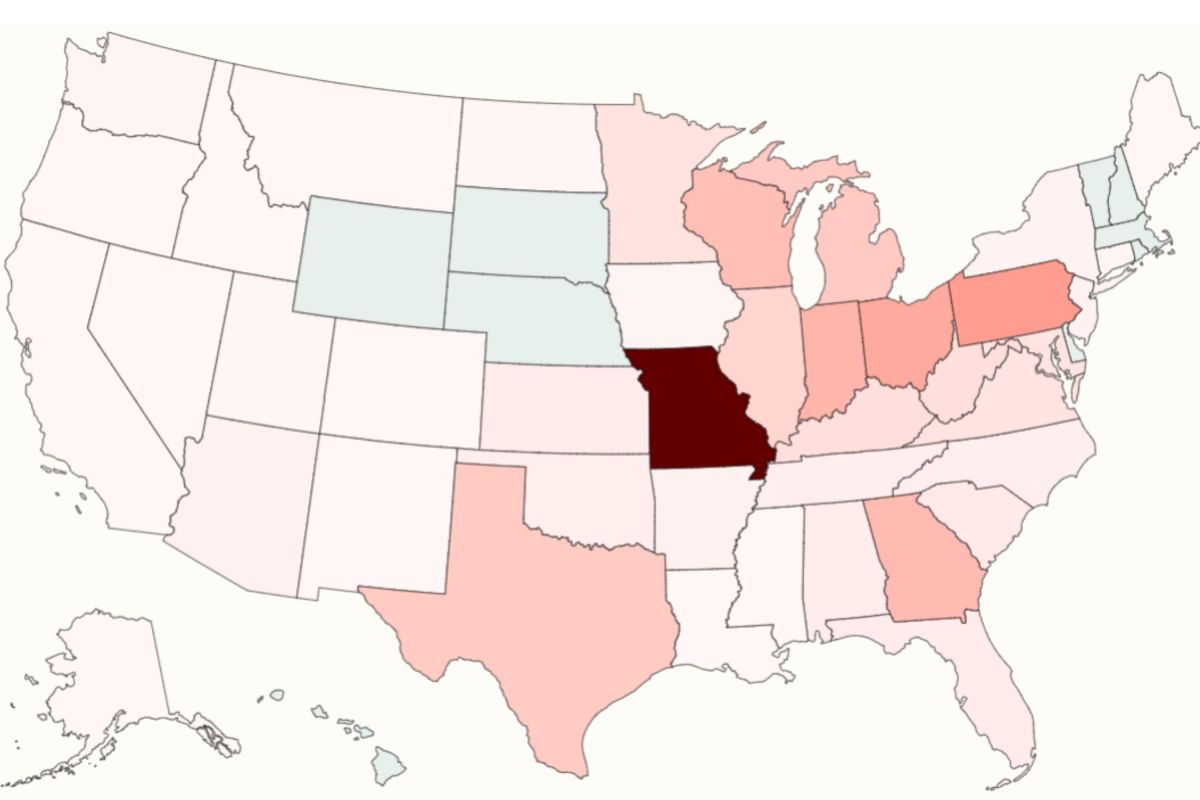
Data Center Opposition Report documents the rise in grassroots opposition to hyperscale AI data centers across the U.S. According to the report, more than 525,000 Americans have joined groups to resist the construction of the facilities across at least 40 states. Ohio had the largest number of opposition groups, with 47 groups focused on data center issues and a combined membership of nearly 42,000 people. Pennsylvania ranked second with 46 groups and more than 48,000 members. Missouri has the largest membership base with 141,000. There are almost 4,500 data centers nationwide.
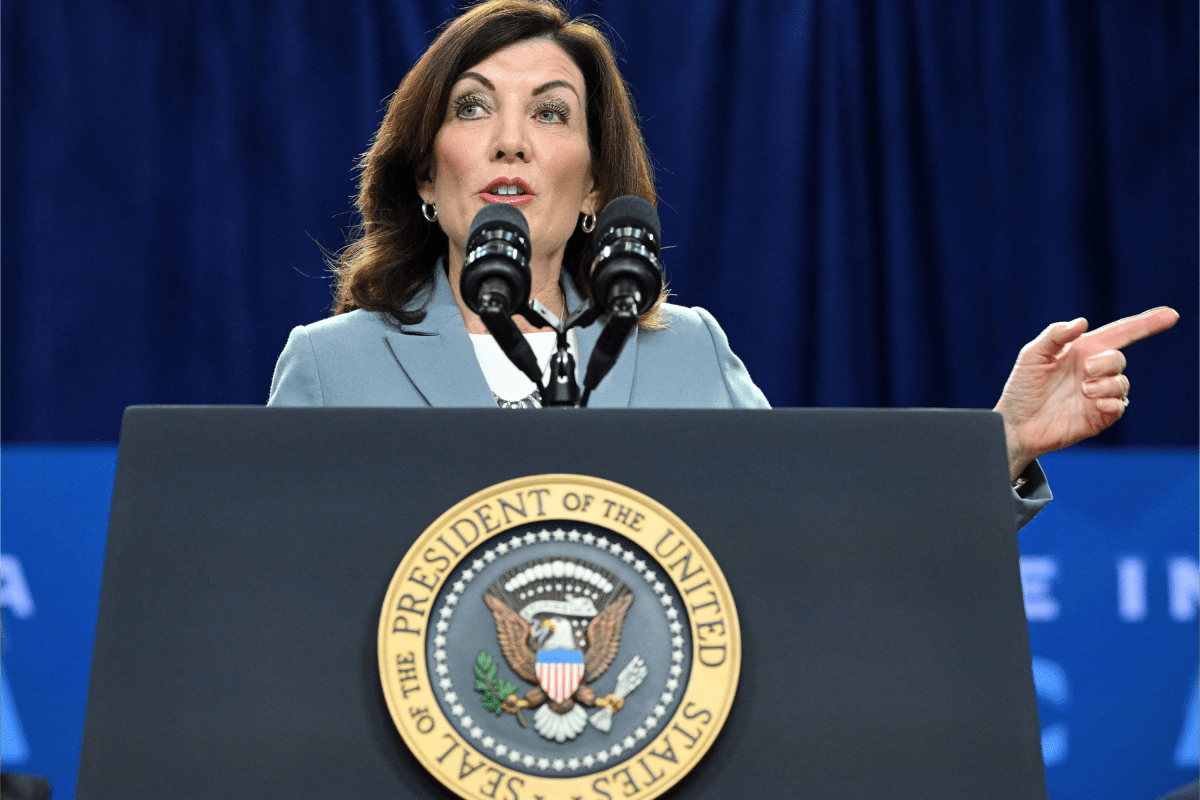
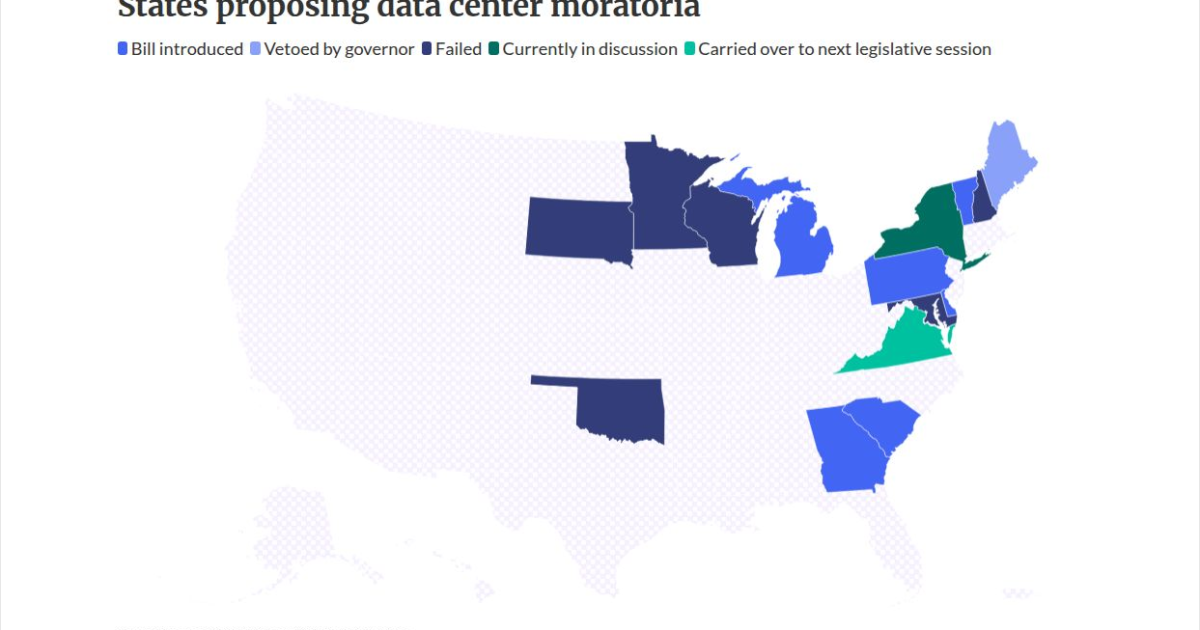
New York's governor has announced a one-year moratorium on the construction of new large-scale data center facilities. There are concerns about their impact on energy use, the environment, and communities. New York is the first U.S. state to enact a statewide moratorium. Other states are considering similar measures.

Stargate data center in Abilene, Texas, has contributed to the economic development of the city and its investments are funding new fire trucks, school expansions, and road improvements. Texas governor Greg Abbott has previously referred to the AI industry as the state's "gold rush" with 300 data centers already in operation and 200 more in development.

Gov. Kathy Hochul signed an executive order temporarily halting new data center construction in New York. The order applies to data centers 50 megawatts or larger. New York is the first state to put a data center moratorium into practice. Public sentiment on data centers has soured recently due to their growing size and environmental concerns.

New York has enacted the first statewide data center moratorium in the U.S. Gov. Kathy Hochul signed an executive order halting the issuance of new permits on Tuesday morning. The moratorium applies to projects that use 50 megawatts of power or more and still require permit approval from the DEC. Construction organizations decried the moratorium.
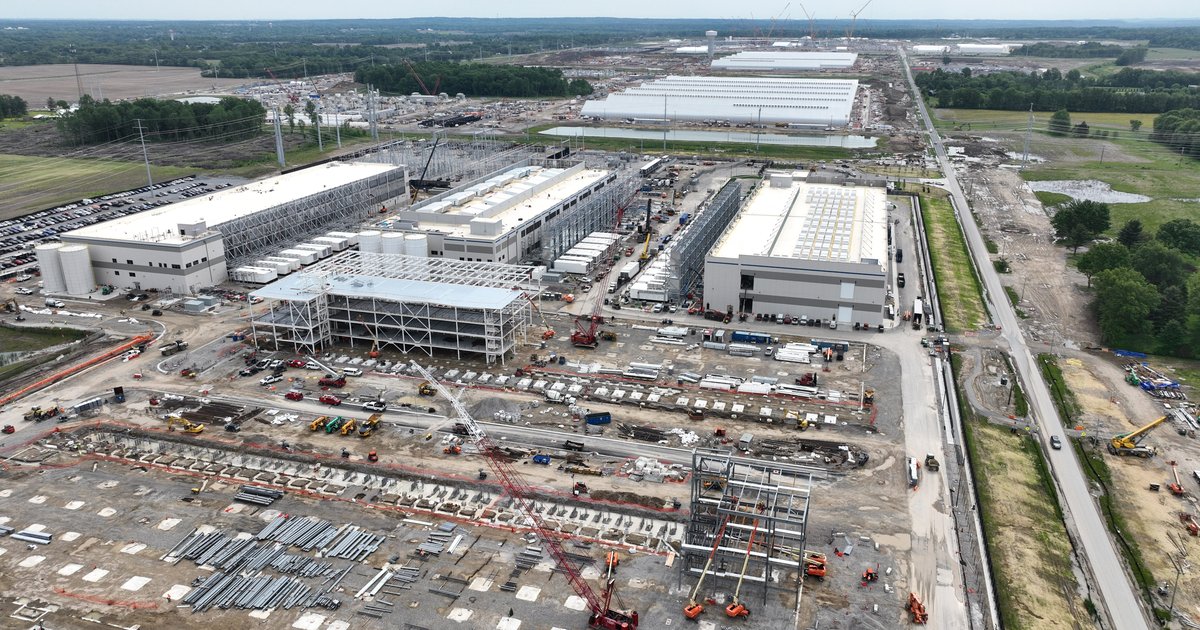
Since early 2024, more than 1,200 public actions have been logged by the Data Center Tracker, a public U.S. database of community responses to data center site selection. Maine's governor vetoed a bill that would have imposed a statewide moratorium on new data centers. Up to 10 other states are considering similar measures to contain their expansion.
Prince George’s County adopted a two-year moratorium on development of the server farms. It is the longest such pause in the state. The power-hungry facilities have driven utility bills higher. There is a nationwide push to insulate ordinary ratepayers from the cost of the energy buildout needed to run them.
There is a data center boom in the U.S. Lawmakers and property owners are concerned about the impact of new data centers on the cost of homeownership. Opponents argue that they don't bring economic development and don't invest in the infrastructure that benefits the community as a whole.
Nebraska's new law requires data centers to be more transparent about their operations and water use. Google's data centers consumed 732 million gallons of water in 2025. Meta's data center in Sarpy County used up to 37.5 million gallons from the local water supply depending on the year.
Data Center Opposition Report documents the rise in grassroots opposition to hyperscale AI data centers across the U.S. According to the report, more than 525,000 Americans have joined groups to resist the construction of the facilities across at least 40 states. Ohio had the largest number of opposition groups, with 47 groups focused on data center issues and a combined membership of nearly 42,000 people. Pennsylvania ranked second with 46 groups and more than 48,000 members. Missouri has the largest membership base with 141,000. There are almost 4,500 data centers nationwide.
New York's governor has announced a one-year moratorium on the construction of new large-scale data center facilities. There are concerns about their impact on energy use, the environment, and communities. New York is the first U.S. state to enact a statewide moratorium. Other states are considering similar measures.
Stargate data center in Abilene, Texas, has contributed to the economic development of the city and its investments are funding new fire trucks, school expansions, and road improvements. Texas governor Greg Abbott has previously referred to the AI industry as the state's "gold rush" with 300 data centers already in operation and 200 more in development.
Gov. Kathy Hochul signed an executive order temporarily halting new data center construction in New York. The order applies to data centers 50 megawatts or larger. New York is the first state to put a data center moratorium into practice. Public sentiment on data centers has soured recently due to their growing size and environmental concerns.
New York has enacted the first statewide data center moratorium in the U.S. Gov. Kathy Hochul signed an executive order halting the issuance of new permits on Tuesday morning. The moratorium applies to projects that use 50 megawatts of power or more and still require permit approval from the DEC. Construction organizations decried the moratorium.
Since early 2024, more than 1,200 public actions have been logged by the Data Center Tracker, a public U.S. database of community responses to data center site selection. Maine's governor vetoed a bill that would have imposed a statewide moratorium on new data centers. Up to 10 other states are considering similar measures to contain their expansion.