Planned Parenthood and two regional abortion providers are billing Medicaid for services other than abortion after being cut off for most of a year. The defunding was mandated in President Trump’s big tax and policy law last year. It has been blamed in the closure of multiple clinics and a reduction in the number of Planned Parenthood patients being screened for breast cancer or tested for sexually transmitted infections. Many abortion providers have struggled financially since the 2022 Supreme Court decision that overturned Roe v. Wade and allowed state abortion bans.

New York-Presbyterian is the dominant hospital chain in Manhattan with $11.5 billion in sales and a half billion in profits last year. It claims to be a rural hospital under Medicare rules, but it's an urban hospital under different Medicare rules that offer more money to hospitals in high-cost cities. This “dual classification” grift has exploded since 2016.
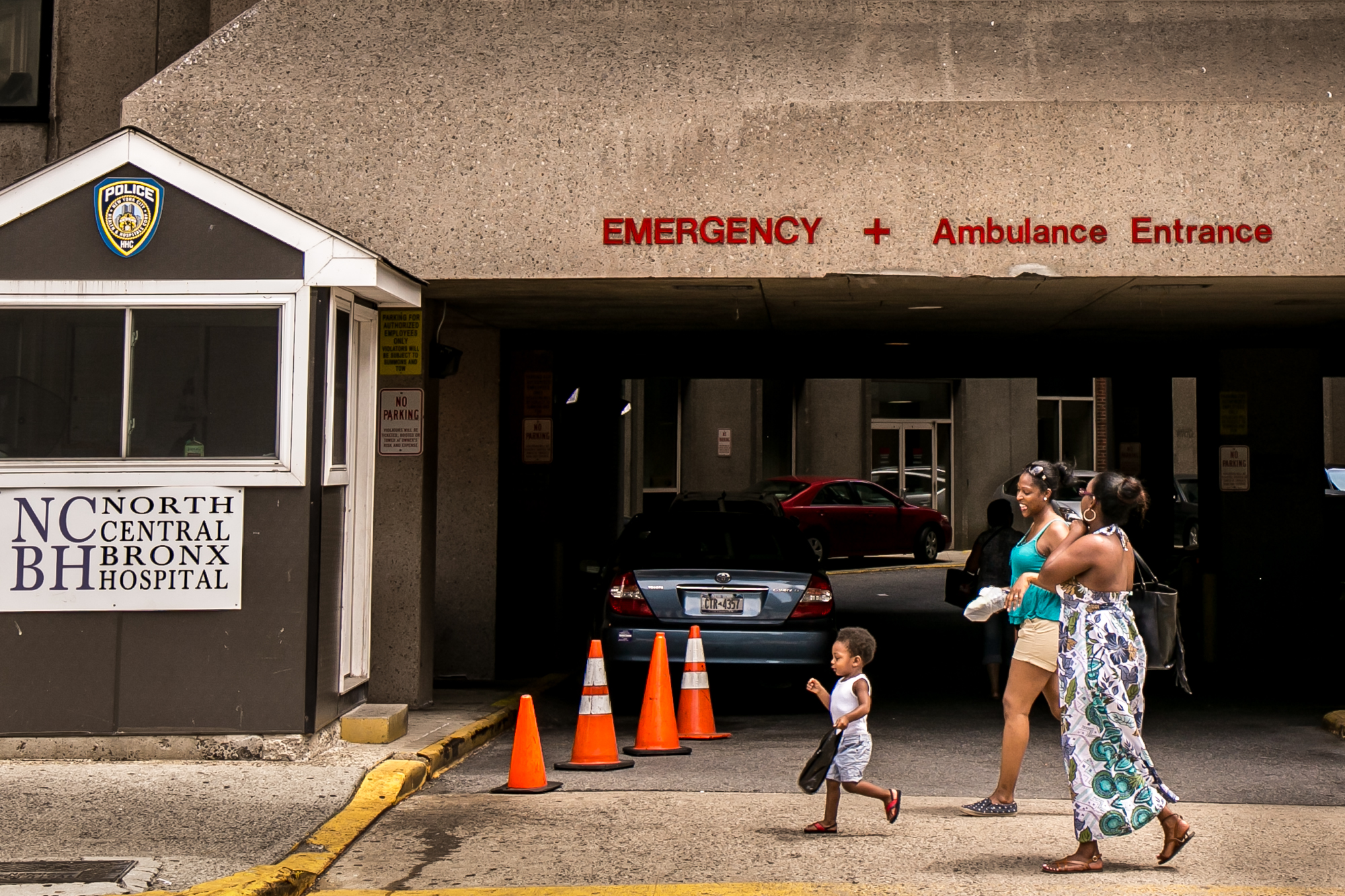
New York City needs a new vision for public health. The recent primary election will send a wave of younger, progressive candidates to the November ballot. New York needs to defend SNAP and Medicaid, build a state-level universal health care system, close Rikers Island, and improve public housing.

By every metric, primary care in America is succeeding. Nearly all Medicare beneficiaries have a primary care provider (PCP). Over three-quarters can see their PCP within two weeks. Vaccine rates, cancer screenings, and management of diabetes and hypertension are above average compared with peers.
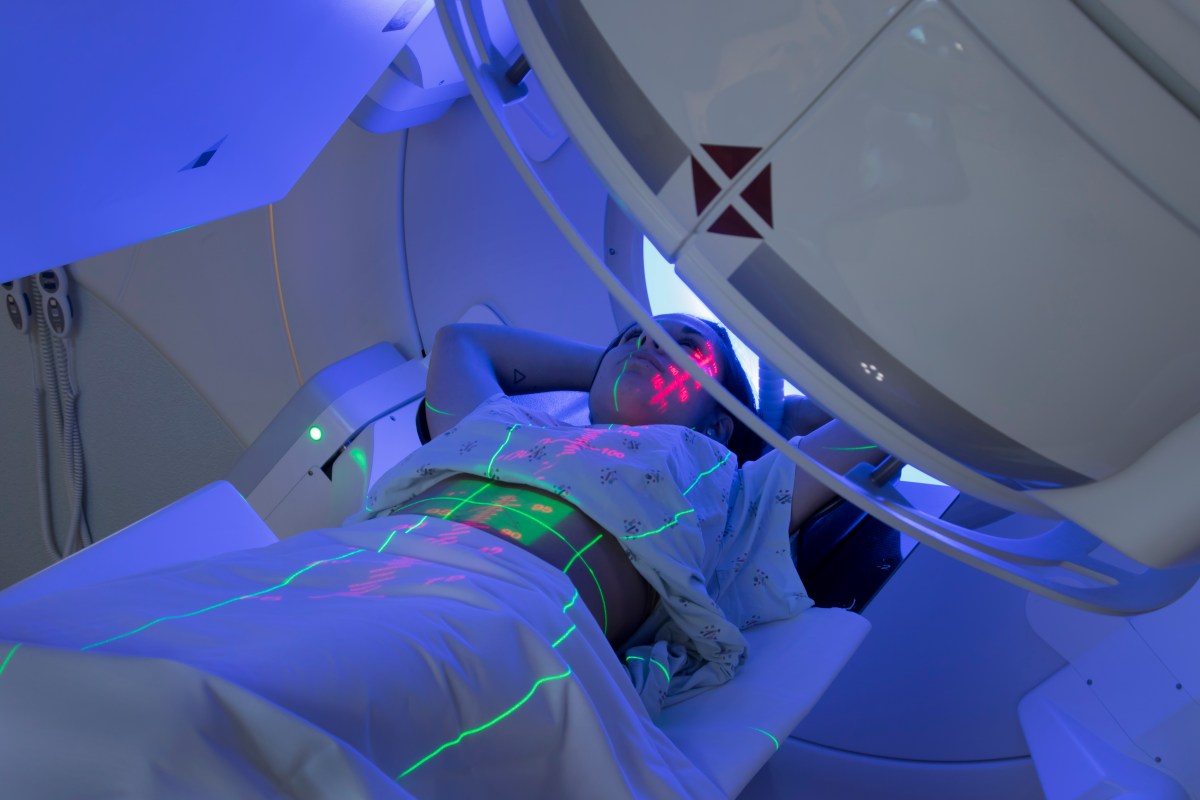
Radiation therapy is used in more than half of cancer cases in the U.S. It's one of the most commonly used cancer treatments. More than 50 million Americans live in counties without a radiation oncology practice site. Rural communities are most at risk of losing access to radiation therapy.
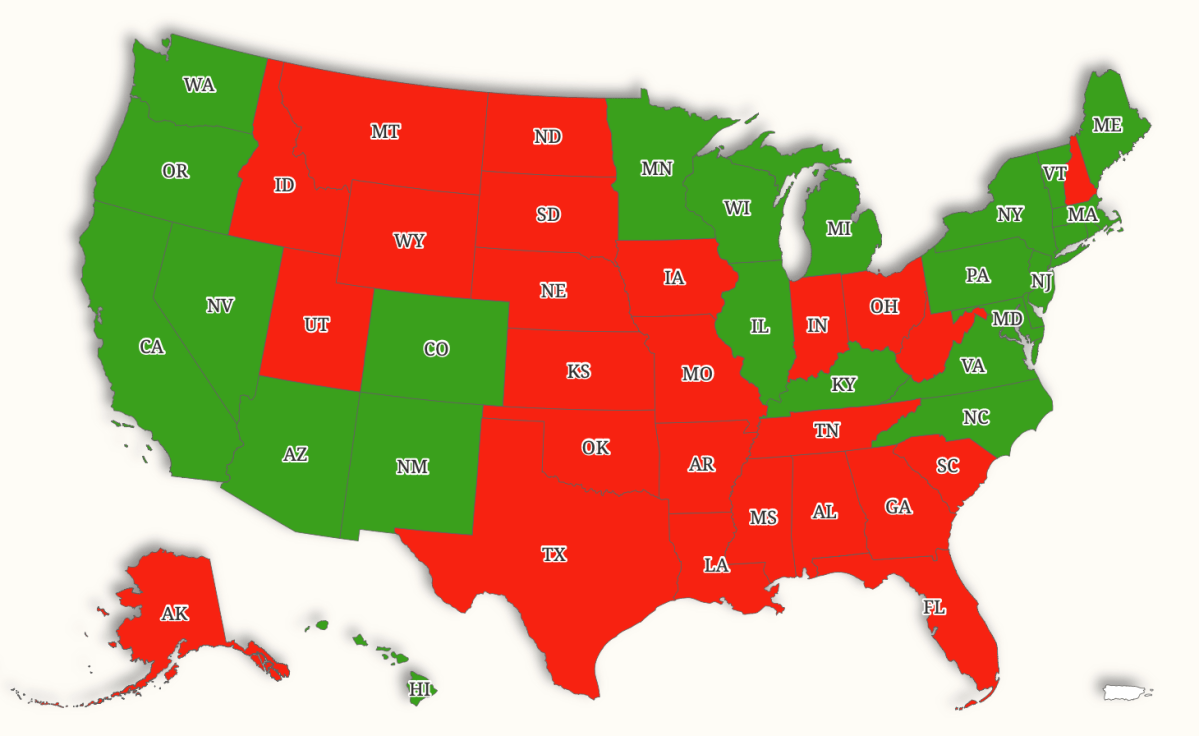
A coalition of 25 states and Washington, D.C. is suing the Trump administration over new Medicaid work requirements they say could cause eligible low-income Americans to lose health coverage. Many of the plaintiff states are Democratic strongholds and electoral bellwethers whose voters have swung between the parties in recent cycles. Six of the states involved in the lawsuit voted for Donald Trump.

Assembly Bill 2540 would require community colleges with student health centers to offer access to medication abortion by medication techniques beginning in 2029. The bill builds on a law that requires University of California and California State University student health centres to provide medication abortion beginning in 2019. The Health Services Association of California Community Colleges opposes the bill.

In 1990, manufacturing was the top employment sector in most states, including New York and California. Today, health care is the nation’s biggest employer, No. 1 in almost every individual state. Health care is more heavily regulated than other fields, tied to the massive entitlement systems of Medicare and Medicaid, and a host of lesser programs. Progressives want to merge health care and government.
Planned Parenthood and two regional abortion providers are billing Medicaid for services other than abortion after being cut off for most of a year. The defunding was mandated in President Trump’s big tax and policy law last year. It has been blamed in the closure of multiple clinics and a reduction in the number of Planned Parenthood patients being screened for breast cancer or tested for sexually transmitted infections. Many abortion providers have struggled financially since the 2022 Supreme Court decision that overturned Roe v. Wade and allowed state abortion bans.
New York-Presbyterian is the dominant hospital chain in Manhattan with $11.5 billion in sales and a half billion in profits last year. It claims to be a rural hospital under Medicare rules, but it's an urban hospital under different Medicare rules that offer more money to hospitals in high-cost cities. This “dual classification” grift has exploded since 2016.
New York City needs a new vision for public health. The recent primary election will send a wave of younger, progressive candidates to the November ballot. New York needs to defend SNAP and Medicaid, build a state-level universal health care system, close Rikers Island, and improve public housing.
By every metric, primary care in America is succeeding. Nearly all Medicare beneficiaries have a primary care provider (PCP). Over three-quarters can see their PCP within two weeks. Vaccine rates, cancer screenings, and management of diabetes and hypertension are above average compared with peers.
Radiation therapy is used in more than half of cancer cases in the U.S. It's one of the most commonly used cancer treatments. More than 50 million Americans live in counties without a radiation oncology practice site. Rural communities are most at risk of losing access to radiation therapy.
A coalition of 25 states and Washington, D.C. is suing the Trump administration over new Medicaid work requirements they say could cause eligible low-income Americans to lose health coverage. Many of the plaintiff states are Democratic strongholds and electoral bellwethers whose voters have swung between the parties in recent cycles. Six of the states involved in the lawsuit voted for Donald Trump.
Assembly Bill 2540 would require community colleges with student health centers to offer access to medication abortion by medication techniques beginning in 2029. The bill builds on a law that requires University of California and California State University student health centres to provide medication abortion beginning in 2019. The Health Services Association of California Community Colleges opposes the bill.
In 1990, manufacturing was the top employment sector in most states, including New York and California. Today, health care is the nation’s biggest employer, No. 1 in almost every individual state. Health care is more heavily regulated than other fields, tied to the massive entitlement systems of Medicare and Medicaid, and a host of lesser programs. Progressives want to merge health care and government.