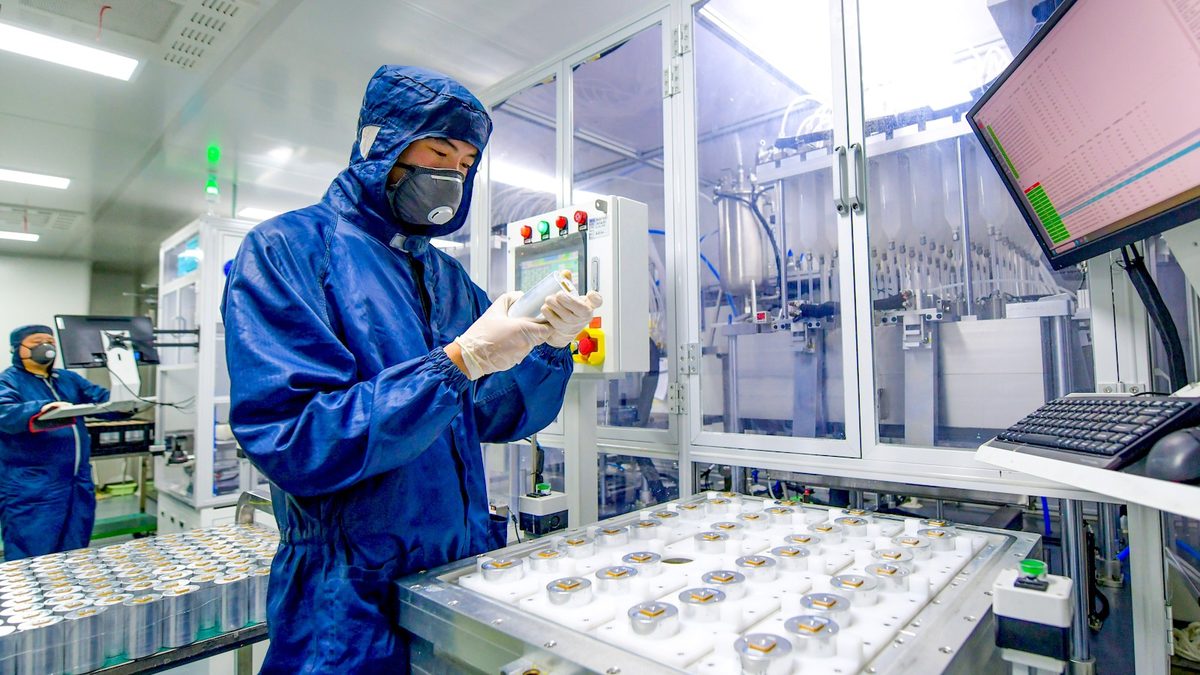
Lithium-ion still dominates, but sodium-ion and solid-state technologies are moving from the lab to market. Since 1991, lithium-ion battery energy density has tripled and the price has dropped tenfold. LFP batteries are catching up in performance and contain fewer critical metals than NMCs.
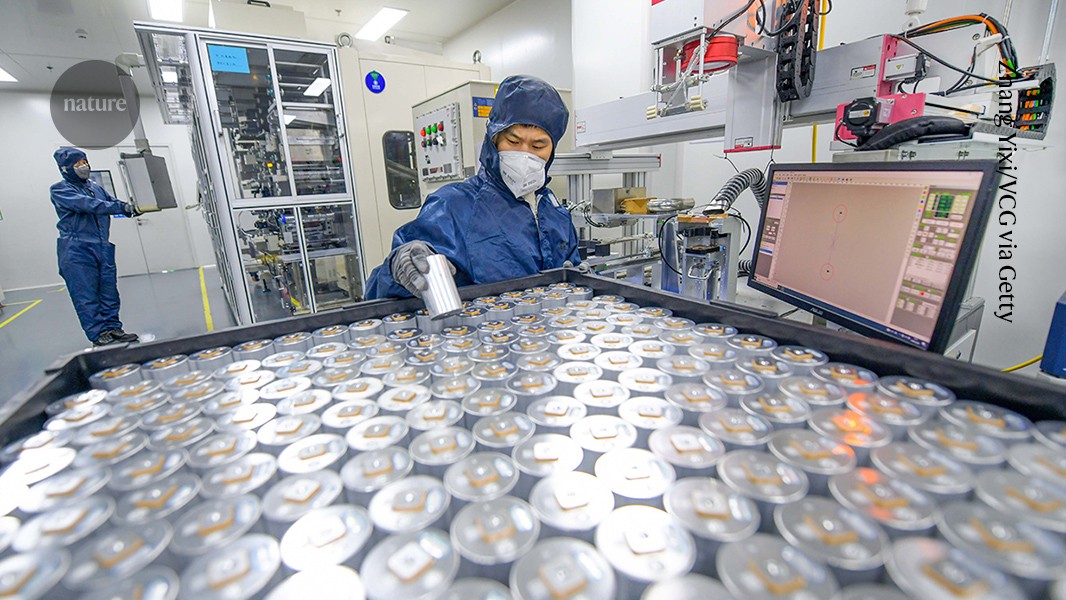
CATL, the world's largest battery producer, will start mass-producing sodium-ion batteries before the end of 2026. It has signed deals to sell the batteries both to a car manufacturer and to a provider of energy-storage stations for electricity grids. The prices of battery cells have fallen by more than 90% since 2010.
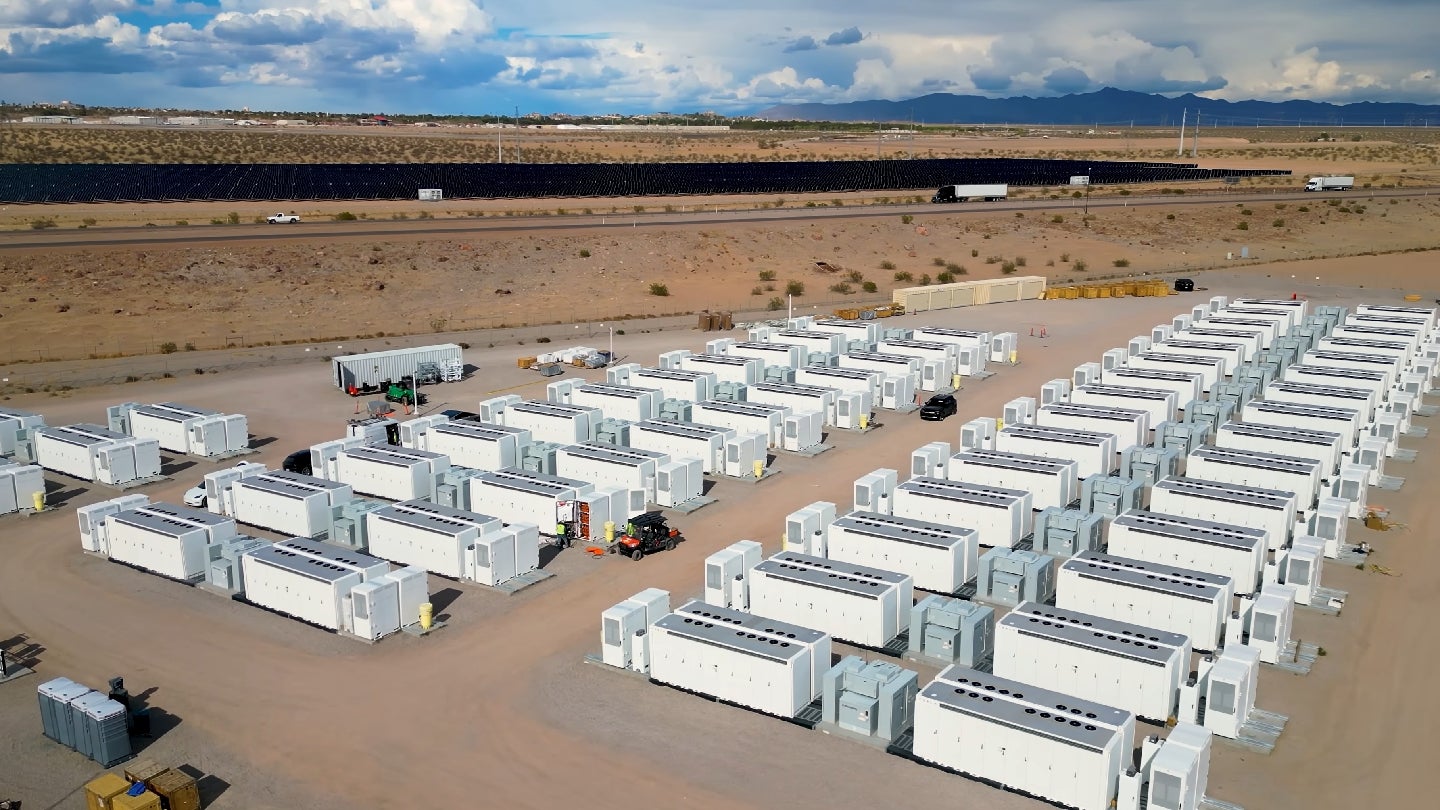
Masdar has awarded a contract to BYD to supply 11.28GW-hours of energy storage for its renewable energy project in Abu Dhabi, United Arab Emirates. The facility integrates a 5.2GW solar photovoltaic plant with a 19GWh battery energy storage system. The Haohan system will include BYD’s 2,710Ah Blade Battery technology. It is designed for deployment in harsh climatic conditions.
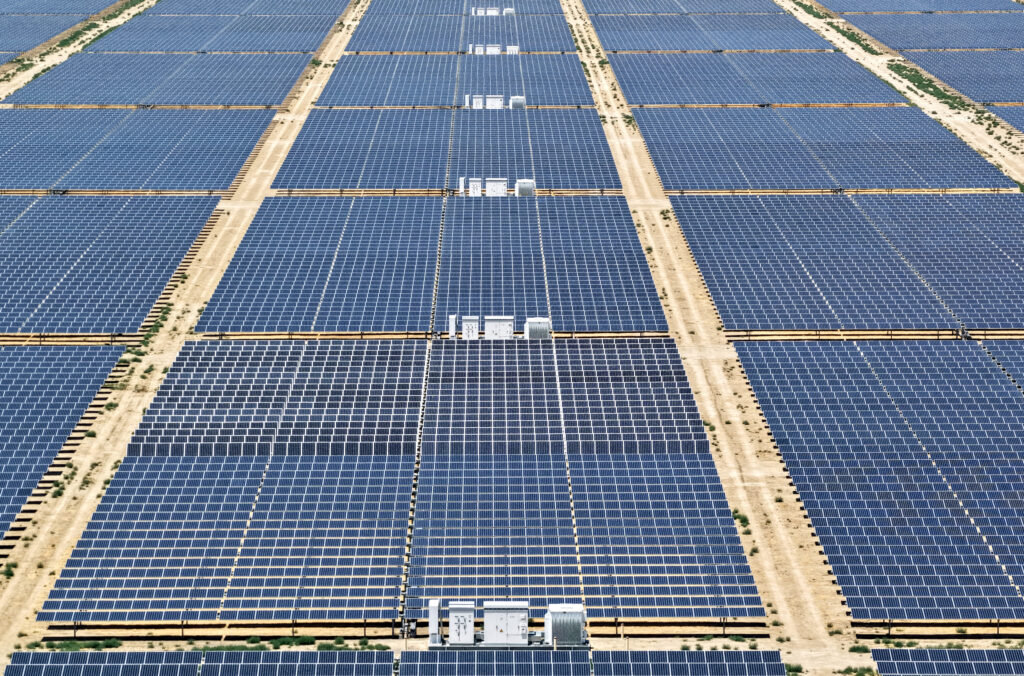
The U.S. is on track to add 42,971 megawatts of utility-scale solar this year. Developers plan to build 42,875 megawatts that would go online in 2027. The biggest challenges are connecting to the grid, dealing with policy uncertainty and mobilizing a skilled work force.
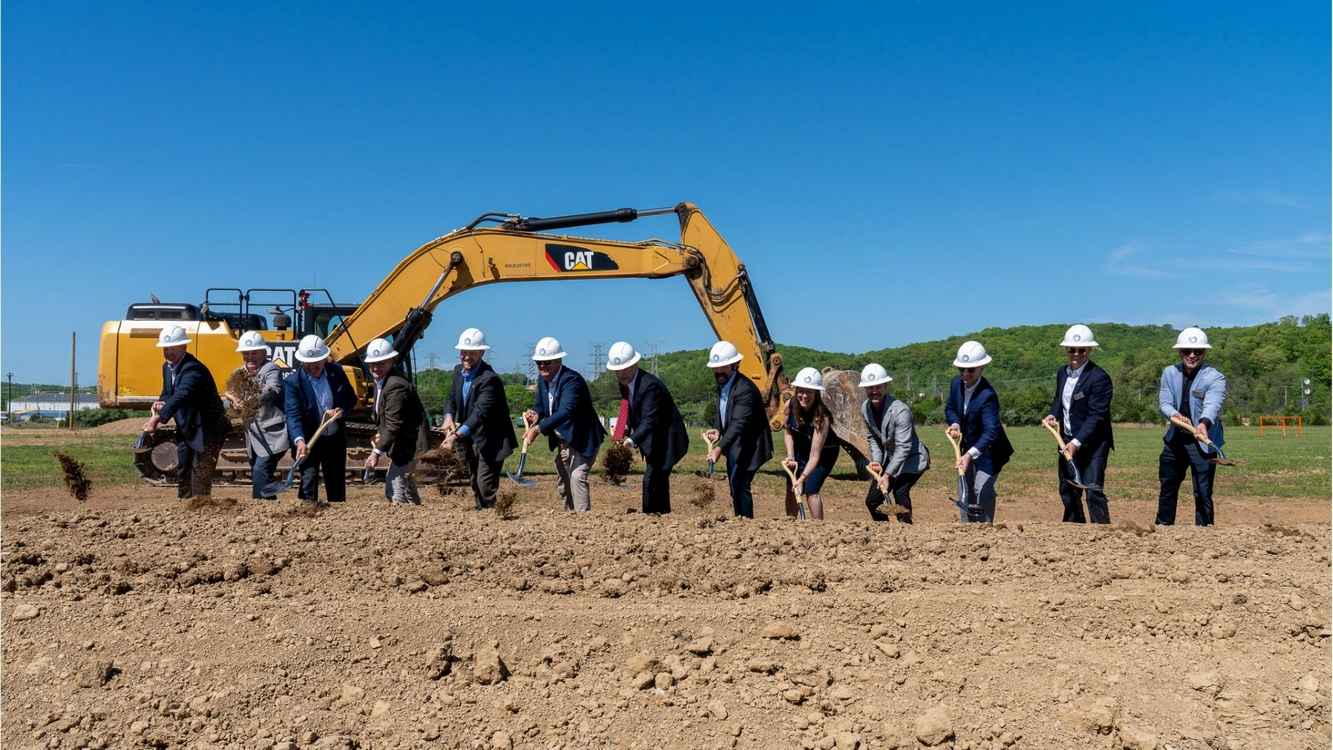
Kairos Power broke ground on the first advanced nuclear reactor plant in the U.S. in Oak Ridge, Tennessee. It will be operational in 2030. Google runs two data centers in the area. Google signed a development agreement with Kairos for 500 MW from multiple advanced reactors.

Google has made its largest solar power and battery storage purchase to date. The first two phases of the project in Arkansas will generate enough electricity to power about 6% of the state’s peak demand. The third and final phase is scheduled to connect to the grid in 2029. It will be the largest solar facility in the United States.
,regionOfInterest=(563,333)&hash=8743c83bec76b078757a9017c82771c6e9772452c6069b24786c7a70ccbd53b7)
2000 Wp Quattro with Anker SOLIX 4 Pro E5000 from Kleines Kraftwerk costs 1,799 euros. It combines a powerful plug-in solar system with a 5 kWh home storage system, intelligent energy control and modular expandability up to 30 kWh. The battery storage system provides 5 kWh of storage capacity ex works and can temporarily store excess solar power instead of feeding it into the public grid.
Battery energy storage system prices in India have risen by about US$15/kWh in recent months. Industry expects only about 5GWh of incremental installations in FY27, well below the Central Electricity Authority’s 23GWh target. Adani has already commissioned 3.37 GWh of BESS at Khavda, described in the report as the world's second-largest single-site BESS installation. Most BESS projects tied to firm and dispatchable renewable energy projects are likely to be commissioned only in FY28.
Lithium-ion still dominates, but sodium-ion and solid-state technologies are moving from the lab to market. Since 1991, lithium-ion battery energy density has tripled and the price has dropped tenfold. LFP batteries are catching up in performance and contain fewer critical metals than NMCs.
CATL, the world's largest battery producer, will start mass-producing sodium-ion batteries before the end of 2026. It has signed deals to sell the batteries both to a car manufacturer and to a provider of energy-storage stations for electricity grids. The prices of battery cells have fallen by more than 90% since 2010.
Masdar has awarded a contract to BYD to supply 11.28GW-hours of energy storage for its renewable energy project in Abu Dhabi, United Arab Emirates. The facility integrates a 5.2GW solar photovoltaic plant with a 19GWh battery energy storage system. The Haohan system will include BYD’s 2,710Ah Blade Battery technology. It is designed for deployment in harsh climatic conditions.
The U.S. is on track to add 42,971 megawatts of utility-scale solar this year. Developers plan to build 42,875 megawatts that would go online in 2027. The biggest challenges are connecting to the grid, dealing with policy uncertainty and mobilizing a skilled work force.
Kairos Power broke ground on the first advanced nuclear reactor plant in the U.S. in Oak Ridge, Tennessee. It will be operational in 2030. Google runs two data centers in the area. Google signed a development agreement with Kairos for 500 MW from multiple advanced reactors.
Google has made its largest solar power and battery storage purchase to date. The first two phases of the project in Arkansas will generate enough electricity to power about 6% of the state’s peak demand. The third and final phase is scheduled to connect to the grid in 2029. It will be the largest solar facility in the United States.
2000 Wp Quattro with Anker SOLIX 4 Pro E5000 from Kleines Kraftwerk costs 1,799 euros. It combines a powerful plug-in solar system with a 5 kWh home storage system, intelligent energy control and modular expandability up to 30 kWh. The battery storage system provides 5 kWh of storage capacity ex works and can temporarily store excess solar power instead of feeding it into the public grid.
Battery energy storage system prices in India have risen by about US$15/kWh in recent months. Industry expects only about 5GWh of incremental installations in FY27, well below the Central Electricity Authority’s 23GWh target. Adani has already commissioned 3.37 GWh of BESS at Khavda, described in the report as the world's second-largest single-site BESS installation. Most BESS projects tied to firm and dispatchable renewable energy projects are likely to be commissioned only in FY28.