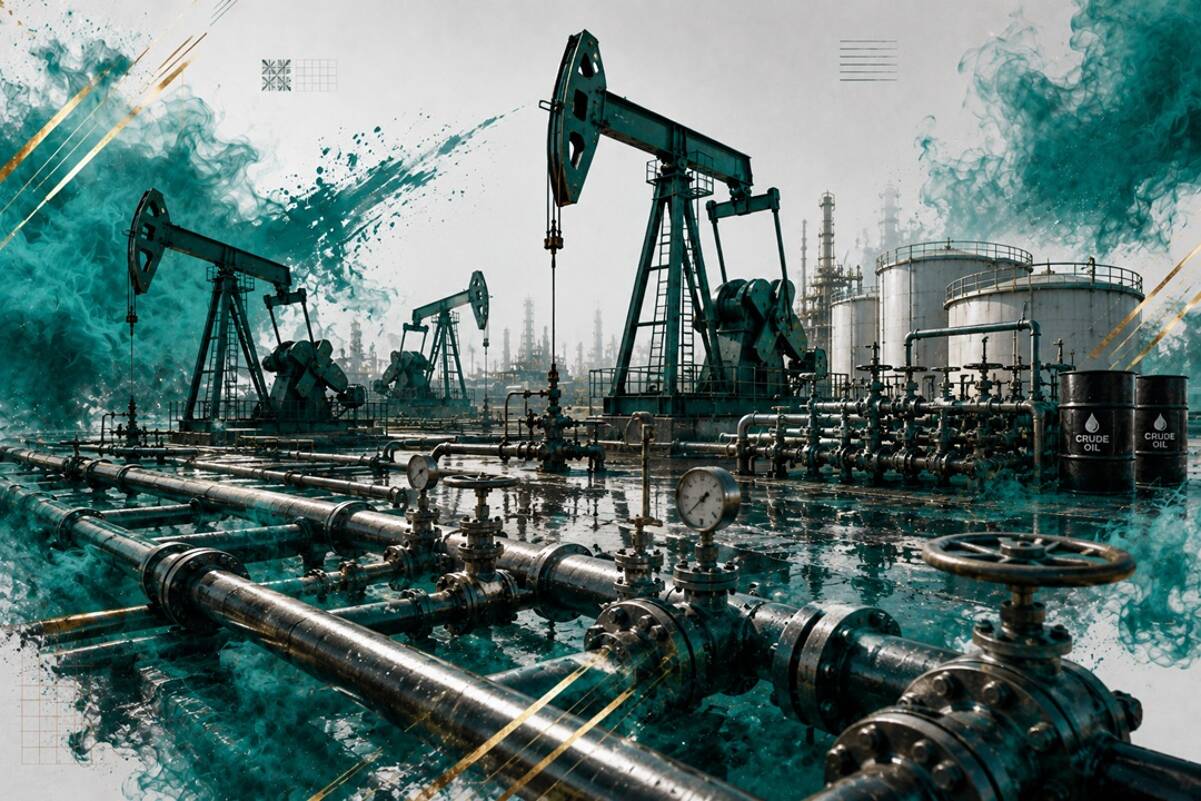
Iranian attacks on three commercial vessels, including an Oil tanker and an LNG carrier, prompted operators to pause transit attempts. Washington responded with strikes on air-defence systems, command networks, coastal radar and anti-ship capabilities. Tehran retaliated against U.S military facilities in Bahrain and Kuwait. President Donald Trump declared the ceasefire “Over” and withdrew a temporary sanctions waiver covering Iranian oil and petrochemical sales.

Oil prices jumped to a one-month high of US$84.78 a barrel on Tuesday morning as renewed fighting between Iran and the US over control of the Strait of Hormuz rattled markets. US President Donald Trump announced that Washington would levy a 20 per cent charge on cargo passing through the strait. Economists and shipping analysts say the region is better placed to absorb the blow this time round.
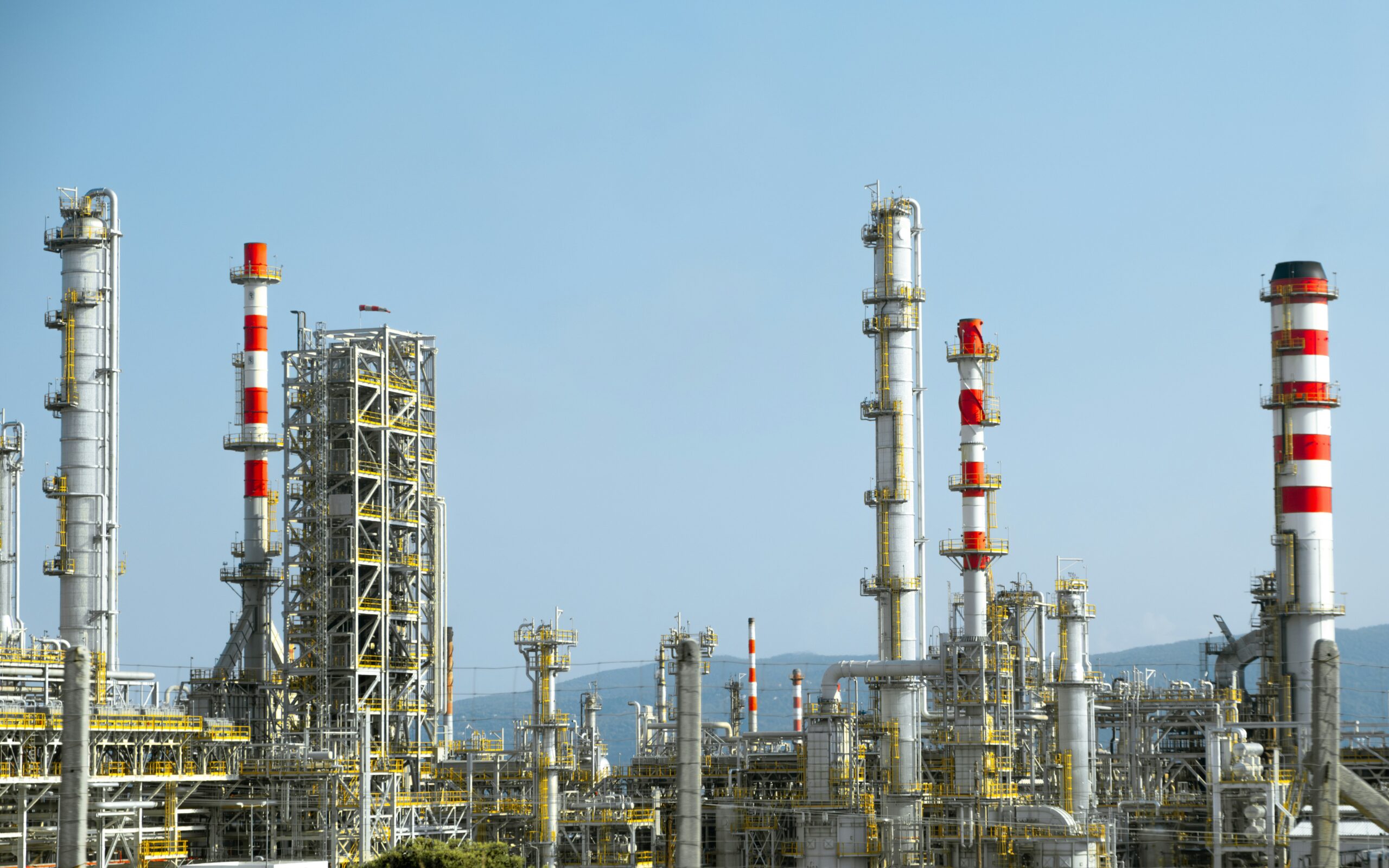
The Strait of Hormuz closure hit Asia first and hardest, cutting off supplies of crude oil, jet fuel, liquefied petroleum gas (LPG), and natural gas. Inventories were the key shock absorber when oil production dropped and spare capacity was unavailable. The global refining system is resilient. Countries will seek to rebuild robust inventories to protect energy security.
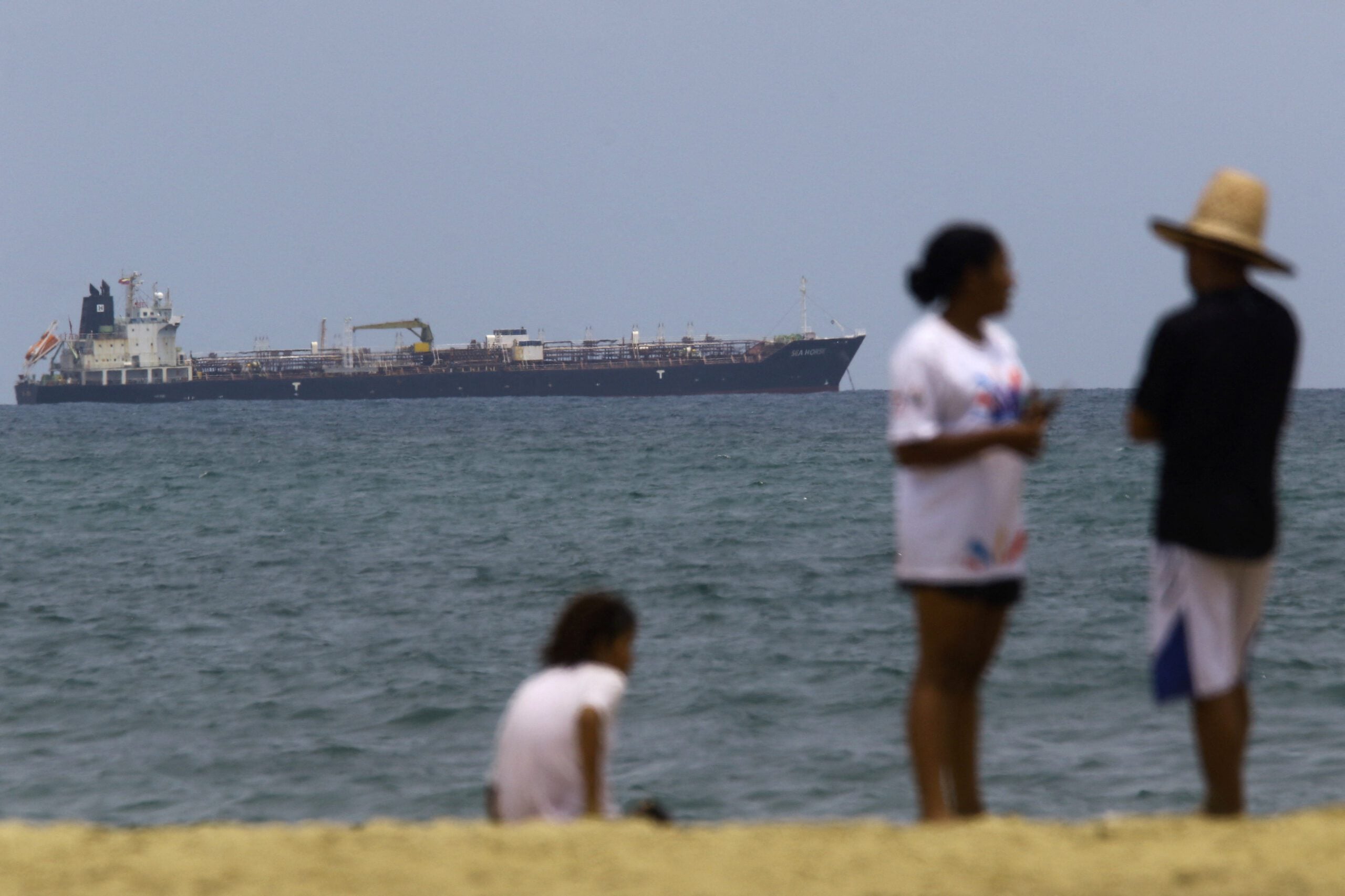
Iran has warned that its campaign to throttle global energy markets could be expanded from Strait of Hormuz to the vital Red Sea route if U.S. attacks continue. Closure of the Bab el-Mandeb strait would open a new front in the energy crisis and Iran’s conflict with the United States. Red Sea is a critical alternative outlet for Gulf oil and other products.
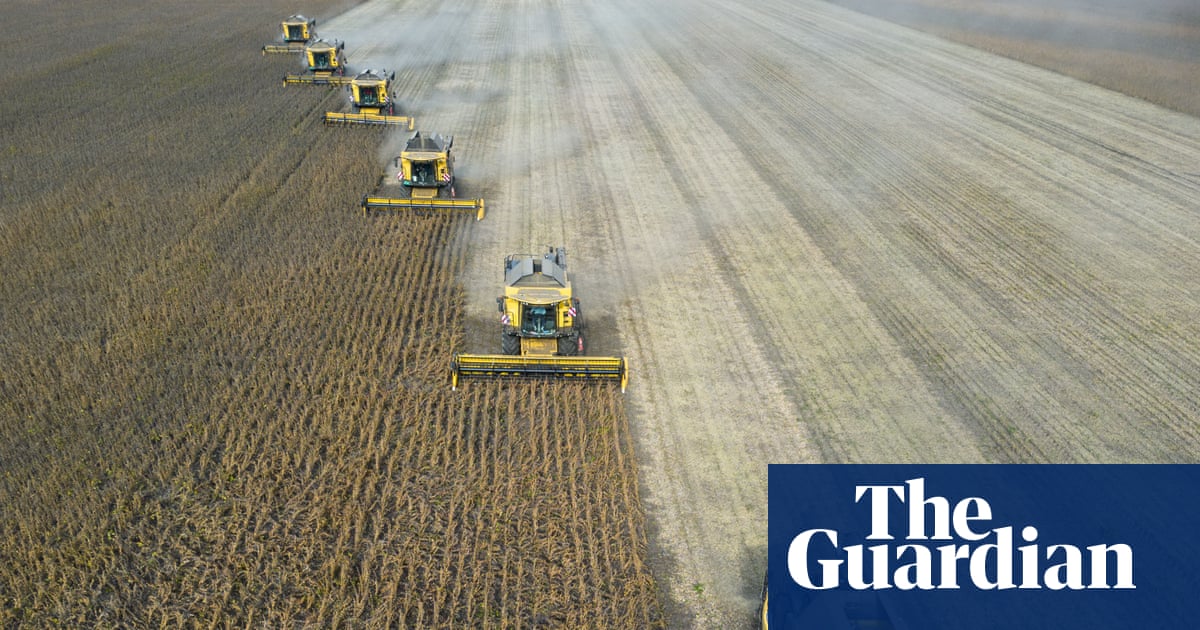
El Niño has a chance of developing into a "very strong" event in 2026-27, fuelling heatwaves, flooding and stormier weather. This year's El Niño has already begun to affect crops in India, with some regions only receiving 25% of their usual rainfall. The full impact of the El Niño will take time because of how the cost of climate impact percolates through global food supplies.
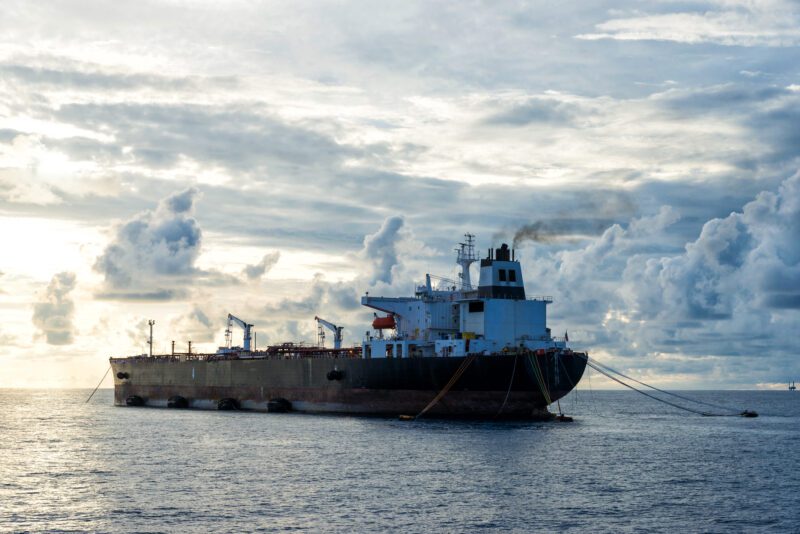
IEA says world oil markets are beginning to recover from months of disruption. However, the latest escalation in hostilities on July 7-8 threatens to derail expectations that global oil markets will return to surplus next year. IEA estimated global oil supply rose by 4.1 million barrels per day (mb/d) in June to 98.8 mb/d. Gulf oil exports surged by 6.5 million b/d in June, but they remain well below pre-war levels.
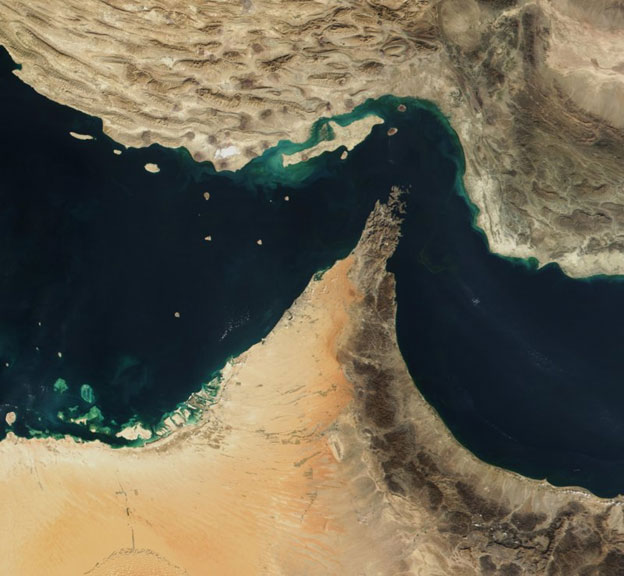
There have been renewed attacks on commercial vessels in the Strait of Hormuz. The disruptions have lasted more than 100 days, placing pressure on global energy markets and countries dependent on imports from the Gulf. UN Economic Commission for Europe (UNECE) warned that market volatility, elevated prices and localized supply disruptions could continue for months.
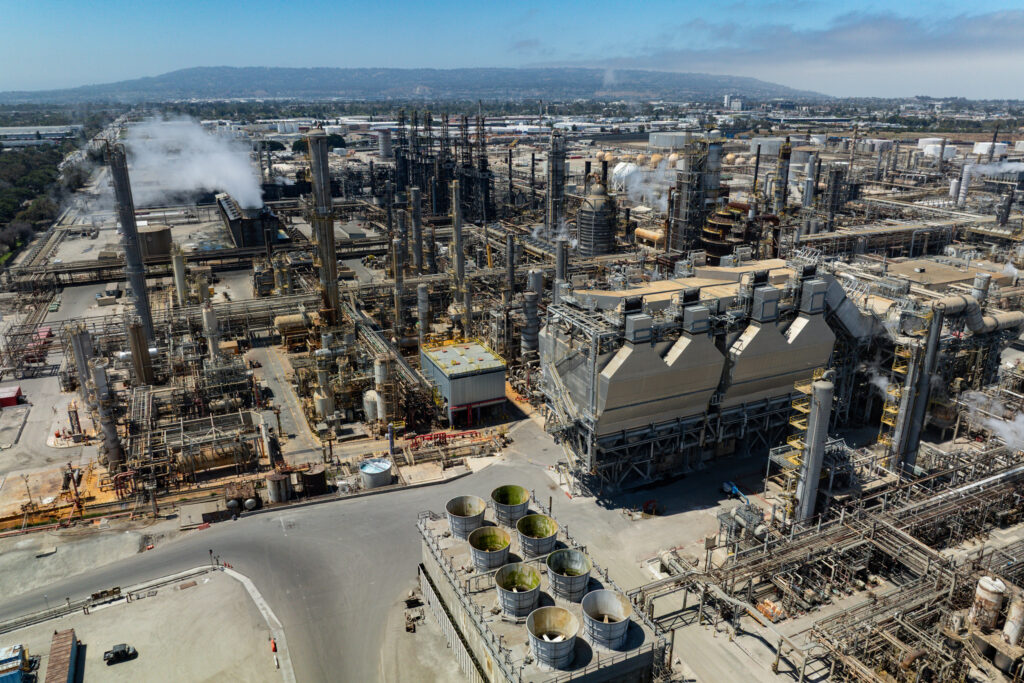
The IEA predicts global oil demand of 103.5 million barrels per day in 2026, which would be down 1 percent from the prior year. The market is reacting to the changing security situation in the Strait of Hormuz, a major transit point for oil. The war has contributed to gasoline price hikes in the United States, but China is set to increase its oil demand this year.
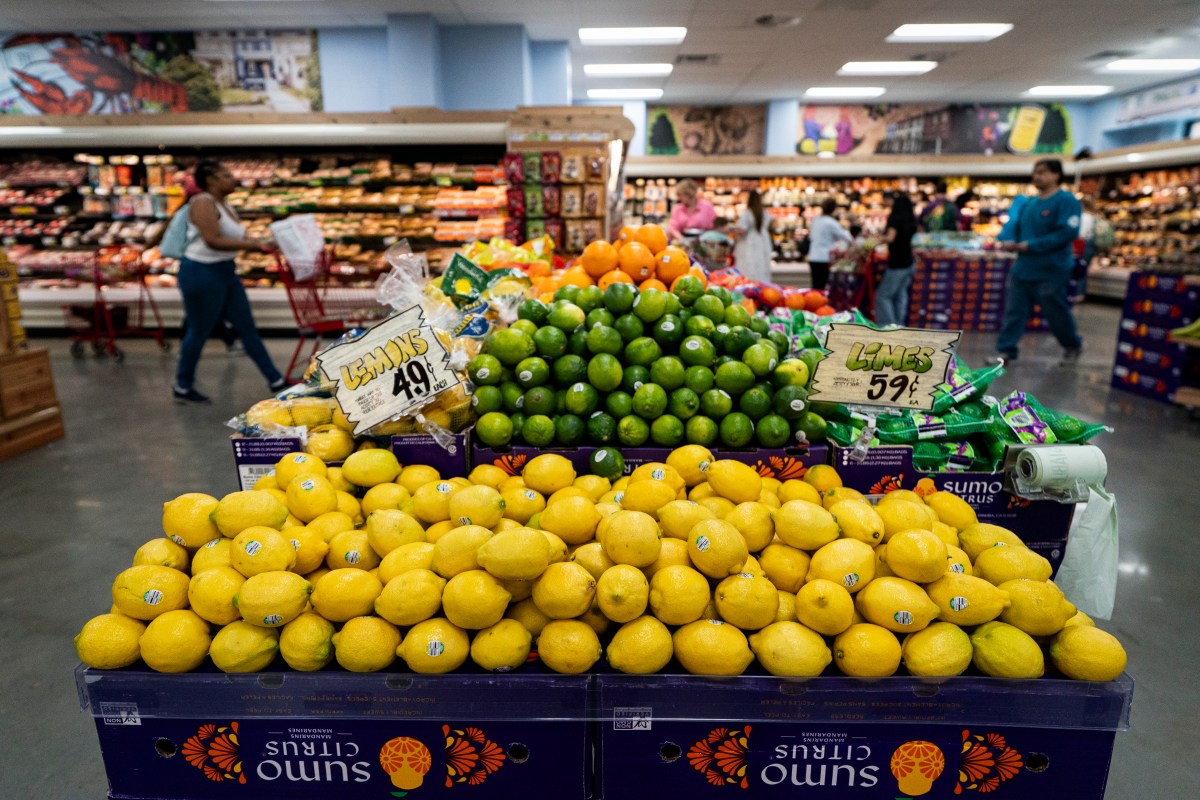
A powerful El Niño developing in the Pacific Ocean could push up global food prices over the months and years ahead. El Niño is a climate pattern characterized by unusually warm ocean surface temperatures in the central and eastern tropical Pacific Ocean. It disrupts normal weather patterns around the world, often bringing flooding and heavy rainfall to some areas, while triggering droughts and heatwaves across others.
Iranian attacks on three commercial vessels, including an Oil tanker and an LNG carrier, prompted operators to pause transit attempts. Washington responded with strikes on air-defence systems, command networks, coastal radar and anti-ship capabilities. Tehran retaliated against U.S military facilities in Bahrain and Kuwait. President Donald Trump declared the ceasefire “Over” and withdrew a temporary sanctions waiver covering Iranian oil and petrochemical sales.
Oil prices jumped to a one-month high of US$84.78 a barrel on Tuesday morning as renewed fighting between Iran and the US over control of the Strait of Hormuz rattled markets. US President Donald Trump announced that Washington would levy a 20 per cent charge on cargo passing through the strait. Economists and shipping analysts say the region is better placed to absorb the blow this time round.
The Strait of Hormuz closure hit Asia first and hardest, cutting off supplies of crude oil, jet fuel, liquefied petroleum gas (LPG), and natural gas. Inventories were the key shock absorber when oil production dropped and spare capacity was unavailable. The global refining system is resilient. Countries will seek to rebuild robust inventories to protect energy security.
Iran has warned that its campaign to throttle global energy markets could be expanded from Strait of Hormuz to the vital Red Sea route if U.S. attacks continue. Closure of the Bab el-Mandeb strait would open a new front in the energy crisis and Iran’s conflict with the United States. Red Sea is a critical alternative outlet for Gulf oil and other products.
El Niño has a chance of developing into a "very strong" event in 2026-27, fuelling heatwaves, flooding and stormier weather. This year's El Niño has already begun to affect crops in India, with some regions only receiving 25% of their usual rainfall. The full impact of the El Niño will take time because of how the cost of climate impact percolates through global food supplies.
IEA says world oil markets are beginning to recover from months of disruption. However, the latest escalation in hostilities on July 7-8 threatens to derail expectations that global oil markets will return to surplus next year. IEA estimated global oil supply rose by 4.1 million barrels per day (mb/d) in June to 98.8 mb/d. Gulf oil exports surged by 6.5 million b/d in June, but they remain well below pre-war levels.
There have been renewed attacks on commercial vessels in the Strait of Hormuz. The disruptions have lasted more than 100 days, placing pressure on global energy markets and countries dependent on imports from the Gulf. UN Economic Commission for Europe (UNECE) warned that market volatility, elevated prices and localized supply disruptions could continue for months.
The IEA predicts global oil demand of 103.5 million barrels per day in 2026, which would be down 1 percent from the prior year. The market is reacting to the changing security situation in the Strait of Hormuz, a major transit point for oil. The war has contributed to gasoline price hikes in the United States, but China is set to increase its oil demand this year.
A powerful El Niño developing in the Pacific Ocean could push up global food prices over the months and years ahead. El Niño is a climate pattern characterized by unusually warm ocean surface temperatures in the central and eastern tropical Pacific Ocean. It disrupts normal weather patterns around the world, often bringing flooding and heavy rainfall to some areas, while triggering droughts and heatwaves across others.