
The Israeli military on Saturday launched a fresh wave of airstrikes in southern Lebanon despite a US-brokered framework agreement between Beirut and Tel Aviv. Since March 2, more than 4,300 people have been killed and over 12,000 injured in Israeli attacks on Lebanon. Israel continues to occupy parts of southern Lebanon.

The UN Interim Force in Lebanon (UNIFIL) says the security situation in southern Lebanon remains fragile despite a decline in violence since late June. UNIFIL's peacekeepers are helping repair damaged roads and other infrastructure, contributing to recovery efforts and improving access for their operational activities.
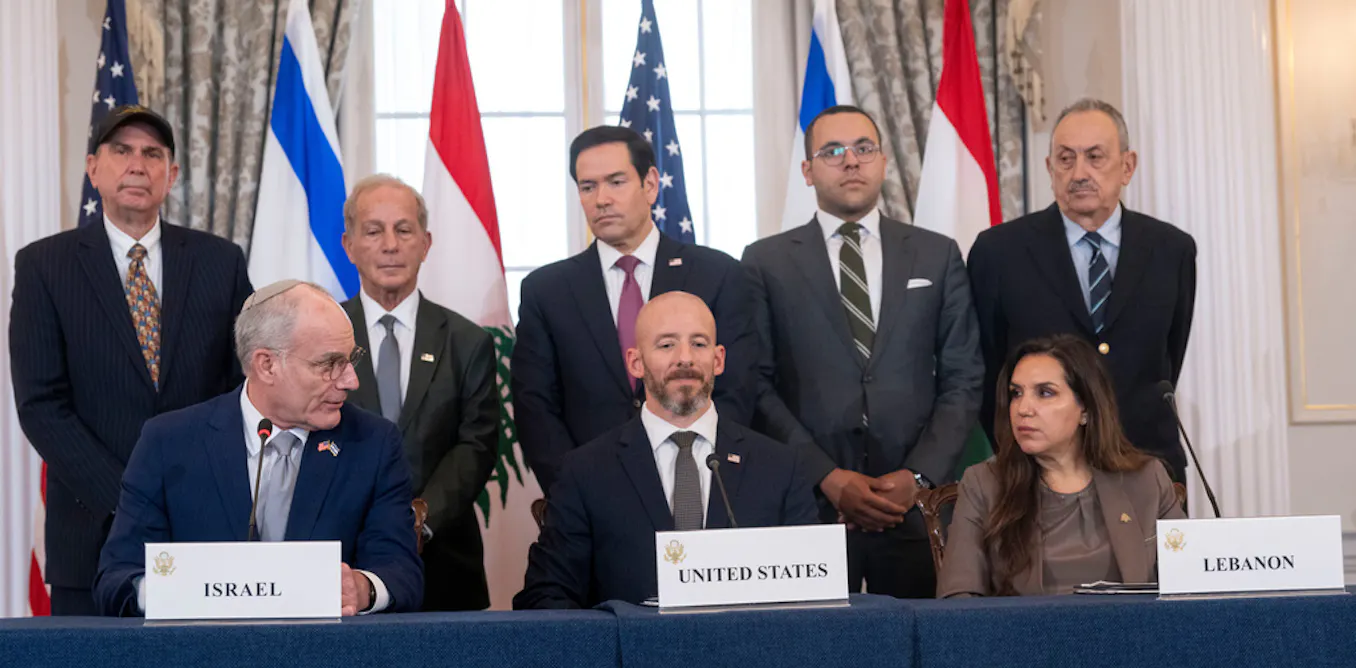
The framework agreement between Lebanon and Israel could be the most significant between the two countries in nearly 80 years. It envisions peaceful relations between the states and lays out a road map to disarm the Shiite militant group Hezbollah, secure Israel's full withdrawal from Lebanon and restore Lebanese sovereignty over its entire national territory. Hezbollah has rejected the agreement outright and Israel's continued military operations risk undermining the domestic legitimacy of the Lebanese government and its ability to implement the agreement.

The Israeli army is preparing to withdraw from pilot areas in southern Lebanon under a framework agreement. It follows US and Lebanese demands that Israel evacuate the areas before the next negotiating round in Rome. The sixth round of Lebanese-Israeli negotiations is scheduled to take place in Rome next Tuesday and Wednesday.

Delegations from the United States and Lebanon have met in Beirut to work out how to implement the first phase of a US-brokered framework agreement intended to achieve an Israeli withdrawal from southern Lebanon. Under the agreement, Israel will gradually withdraw from areas of southern Lebanon where it has deployed troops to fight Hezbollah. The agreement does not set a timetable for Israel’s withdrawal.

Amnesty International investigated three Israeli air strikes in southern Lebanon in March 2026 that killed 24 civilians, 12 of them children. They destroyed civilian homes in al-Thakana neighbourhood in Tyre district, Irkay village in Saida district, and al-Rahbat neighbourhood in Nabatieh district on 6, 12, and 13 March. Those killed included 12 children, six women, a pregnant woman, six men and 18 people injured.

The first day of direct negotiations between Lebanon and Israel in Rome concluded on Tuesday. The talks focus on securing a ceasefire in Lebanon and implementing the framework agreement signed on June 26. Israel continues its attacks in Lebanon, which have killed at least 4,324 people, injured 12,221 others and displaced more than 1 million since March 2.

A US military delegation is expected to travel to Lebanon in the coming days to help implement a framework agreement aimed at ending the conflict between Israel and Hezbollah. The discussions will focus on implementing a US-sponsored framework agreement reached on June 26. The State Department confirmed that CENTCOM is "coordinating closely" with both countries at the technical and logistical levels.

The U.S.-brokered deal between Lebanon and Israel was billed as paving the way for peace, but it is deepening longtime divisions and raising fears of political paralysis or even a return to civil war in Lebanon. The tensions have stirred up memories of Lebanon’s devastating 1975-1990 civil war and reminded many of recent clashes between Hezbollah gunmen and pro-government fighters in 2008.
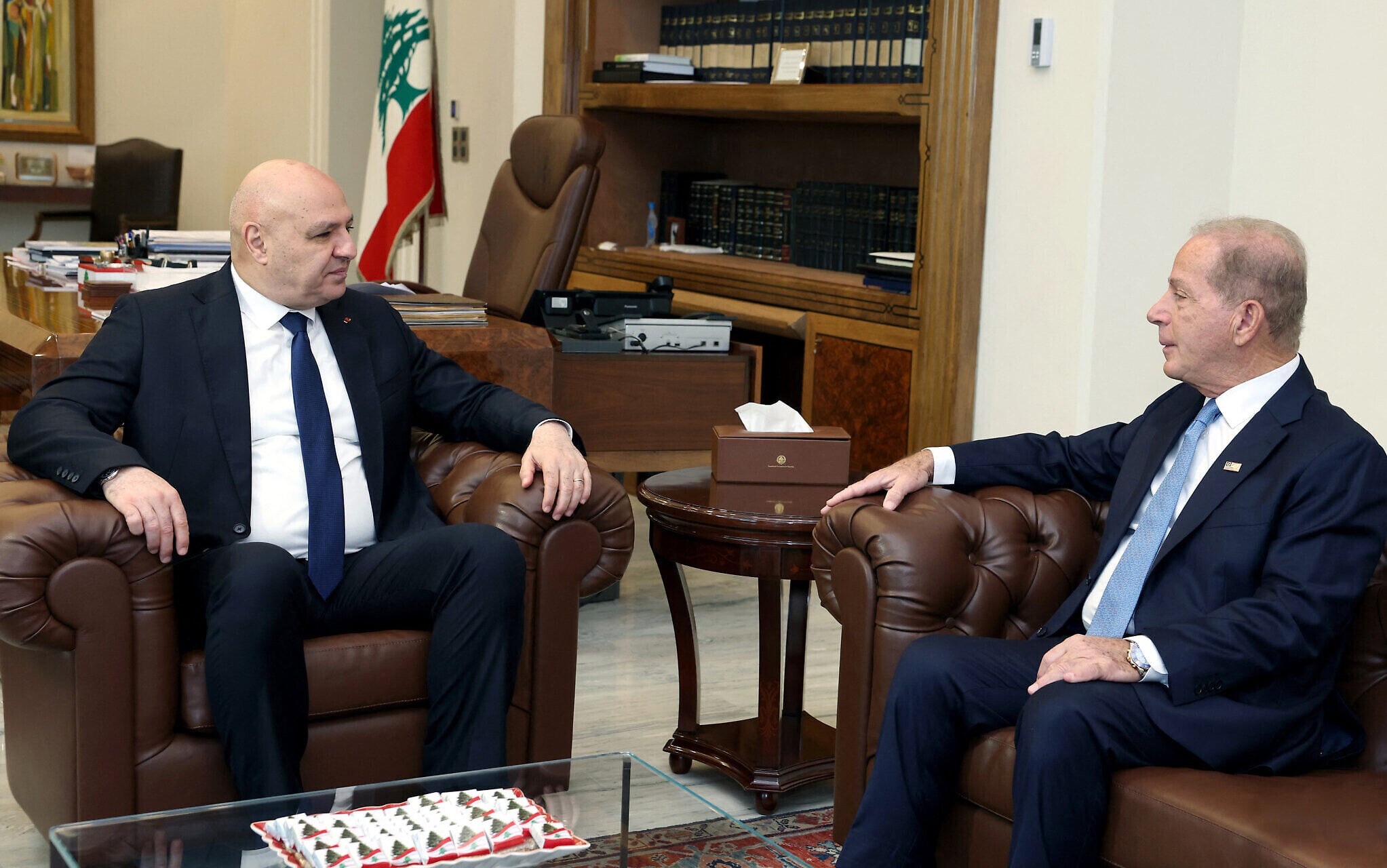
A US military delegation met with Lebanon's army in Beirut to discuss the implementation of Israel's withdrawal from a "pilot zone" in occupied territory. The agreement reached on June 26 stipulates that Israel will withdraw from two pilot zones and allow the Lebanese army to take full control of them. Israel has pursued intermittent strikes amid the truce with Hezbollah, including in Mansouri near Tyre.
The Israeli military on Saturday launched a fresh wave of airstrikes in southern Lebanon despite a US-brokered framework agreement between Beirut and Tel Aviv. Since March 2, more than 4,300 people have been killed and over 12,000 injured in Israeli attacks on Lebanon. Israel continues to occupy parts of southern Lebanon.
The UN Interim Force in Lebanon (UNIFIL) says the security situation in southern Lebanon remains fragile despite a decline in violence since late June. UNIFIL's peacekeepers are helping repair damaged roads and other infrastructure, contributing to recovery efforts and improving access for their operational activities.
The framework agreement between Lebanon and Israel could be the most significant between the two countries in nearly 80 years. It envisions peaceful relations between the states and lays out a road map to disarm the Shiite militant group Hezbollah, secure Israel's full withdrawal from Lebanon and restore Lebanese sovereignty over its entire national territory. Hezbollah has rejected the agreement outright and Israel's continued military operations risk undermining the domestic legitimacy of the Lebanese government and its ability to implement the agreement.
The Israeli army is preparing to withdraw from pilot areas in southern Lebanon under a framework agreement. It follows US and Lebanese demands that Israel evacuate the areas before the next negotiating round in Rome. The sixth round of Lebanese-Israeli negotiations is scheduled to take place in Rome next Tuesday and Wednesday.
Delegations from the United States and Lebanon have met in Beirut to work out how to implement the first phase of a US-brokered framework agreement intended to achieve an Israeli withdrawal from southern Lebanon. Under the agreement, Israel will gradually withdraw from areas of southern Lebanon where it has deployed troops to fight Hezbollah. The agreement does not set a timetable for Israel’s withdrawal.
Amnesty International investigated three Israeli air strikes in southern Lebanon in March 2026 that killed 24 civilians, 12 of them children. They destroyed civilian homes in al-Thakana neighbourhood in Tyre district, Irkay village in Saida district, and al-Rahbat neighbourhood in Nabatieh district on 6, 12, and 13 March. Those killed included 12 children, six women, a pregnant woman, six men and 18 people injured.
The first day of direct negotiations between Lebanon and Israel in Rome concluded on Tuesday. The talks focus on securing a ceasefire in Lebanon and implementing the framework agreement signed on June 26. Israel continues its attacks in Lebanon, which have killed at least 4,324 people, injured 12,221 others and displaced more than 1 million since March 2.
A US military delegation is expected to travel to Lebanon in the coming days to help implement a framework agreement aimed at ending the conflict between Israel and Hezbollah. The discussions will focus on implementing a US-sponsored framework agreement reached on June 26. The State Department confirmed that CENTCOM is "coordinating closely" with both countries at the technical and logistical levels.
The U.S.-brokered deal between Lebanon and Israel was billed as paving the way for peace, but it is deepening longtime divisions and raising fears of political paralysis or even a return to civil war in Lebanon. The tensions have stirred up memories of Lebanon’s devastating 1975-1990 civil war and reminded many of recent clashes between Hezbollah gunmen and pro-government fighters in 2008.
A US military delegation met with Lebanon's army in Beirut to discuss the implementation of Israel's withdrawal from a "pilot zone" in occupied territory. The agreement reached on June 26 stipulates that Israel will withdraw from two pilot zones and allow the Lebanese army to take full control of them. Israel has pursued intermittent strikes amid the truce with Hezbollah, including in Mansouri near Tyre.