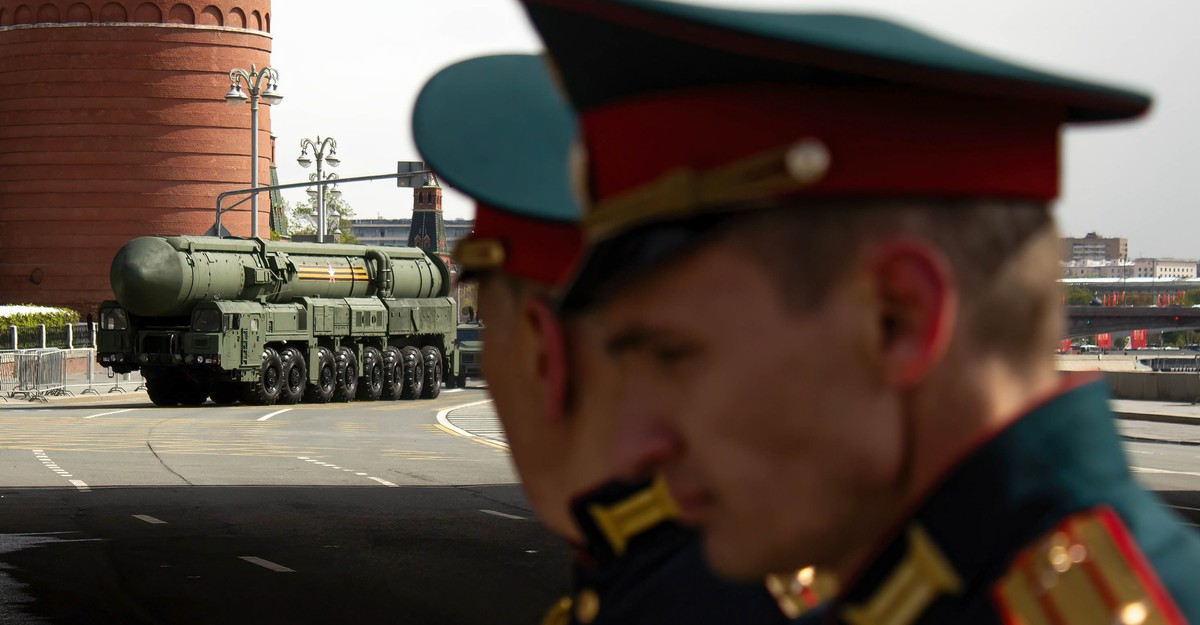
The Cold War showed that strategic deterrence works to keep the peace among the nuclear-armed powers. It also showed that these arms have almost no use in regional conflicts. With two nuclear superpowers embroiled in two wars, revisiting America’s 20th-century experiences is crucial.

It's been 80 years since the dawn of the nuclear age. Today there are 9 states with nuclear weapons and several thousand thermonuclear devices. The Pugwash Conferences is concerned about the deterioration of the international system. They call for an end to the military confrontations involving nuclear-weapon states and a focus on non-proliferation.

The U.S. and Iran reached an agreement on a framework for resolving the conflict that began on February 28. The conflict in Iran has exposed structural weaknesses in the nonproliferation regime, challenged long-standing assumptions about deterrence and diplomacy, and risked additional proliferation pressures in one of the world's most strategically sensitive regions.
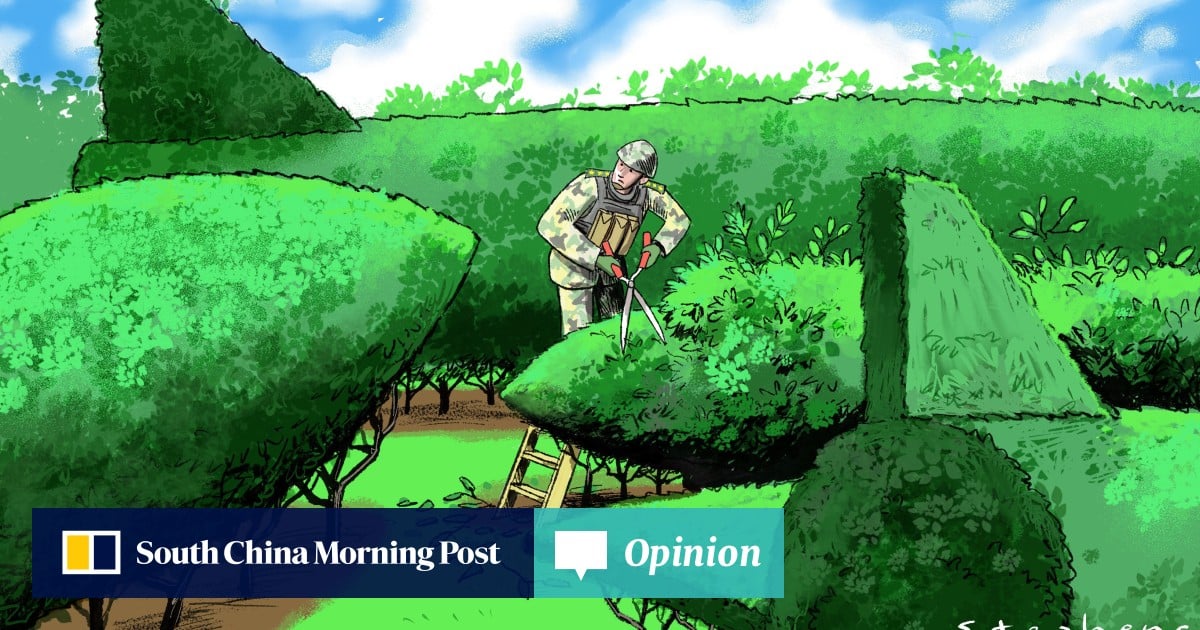
On July 6, a Chinese strategic nuclear submarine fired a missile into a designated area of the Pacific. Australia, Japan, the United States and Pacific nations raised concerns about the lack of notification and the politics of nuclear-free zones. The test was read through several lenses: evidence of Beijing’s maturing second-strike capability, a challenge to US allies and partners, and a signal to states already reassessing nuclear weapons policy.
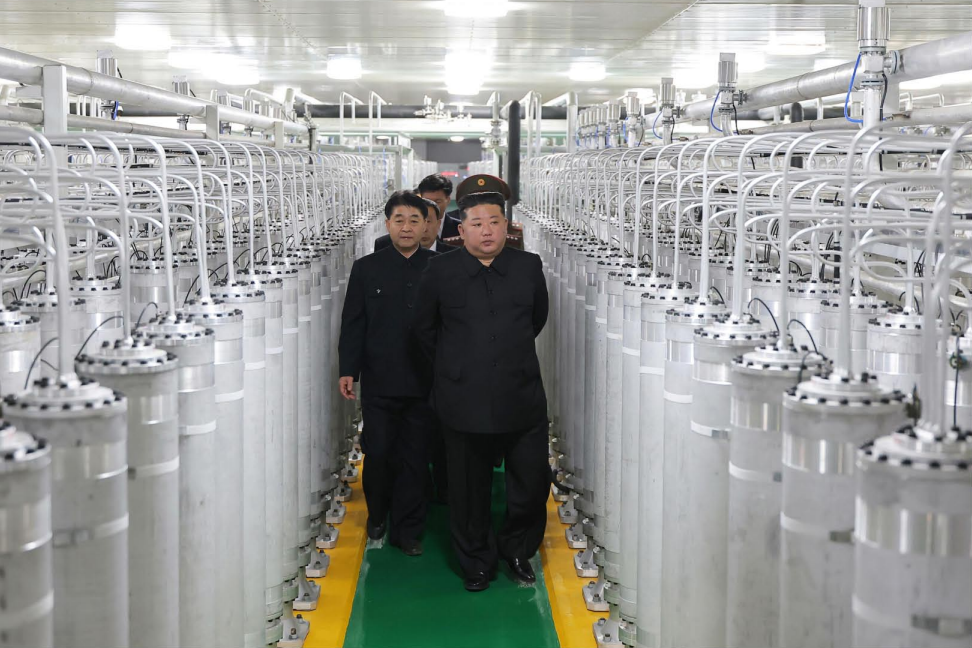
Kim Jong Un visited a newly-inaugurated uranium enrichment facility at Yongbyon on June 3. The IAEA reports that the interior structure and layout of the facility is consistent with the features of the new centrifuge facility that was identified in June 2025. In May, the South Korean government released what it maintained is an updated version of North Korea’s constitution.
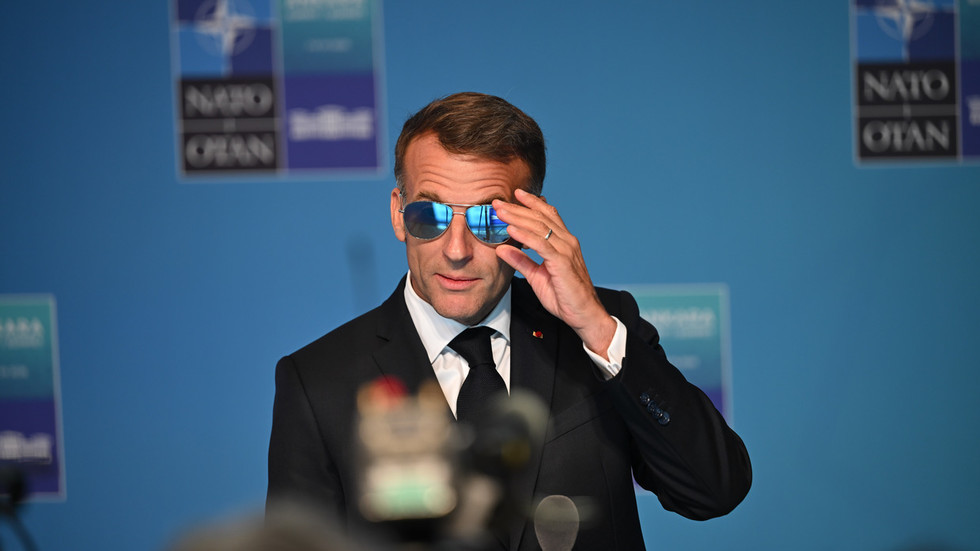
NATO members are calling for a new nuclear strategy in the name of deterring Russia. France has proposed the ‘forward deterrence initiative’ which would allow it to deploy its nuclear weapons to other European nations. Russia has warned that this could lead to a catastrophic escalation.
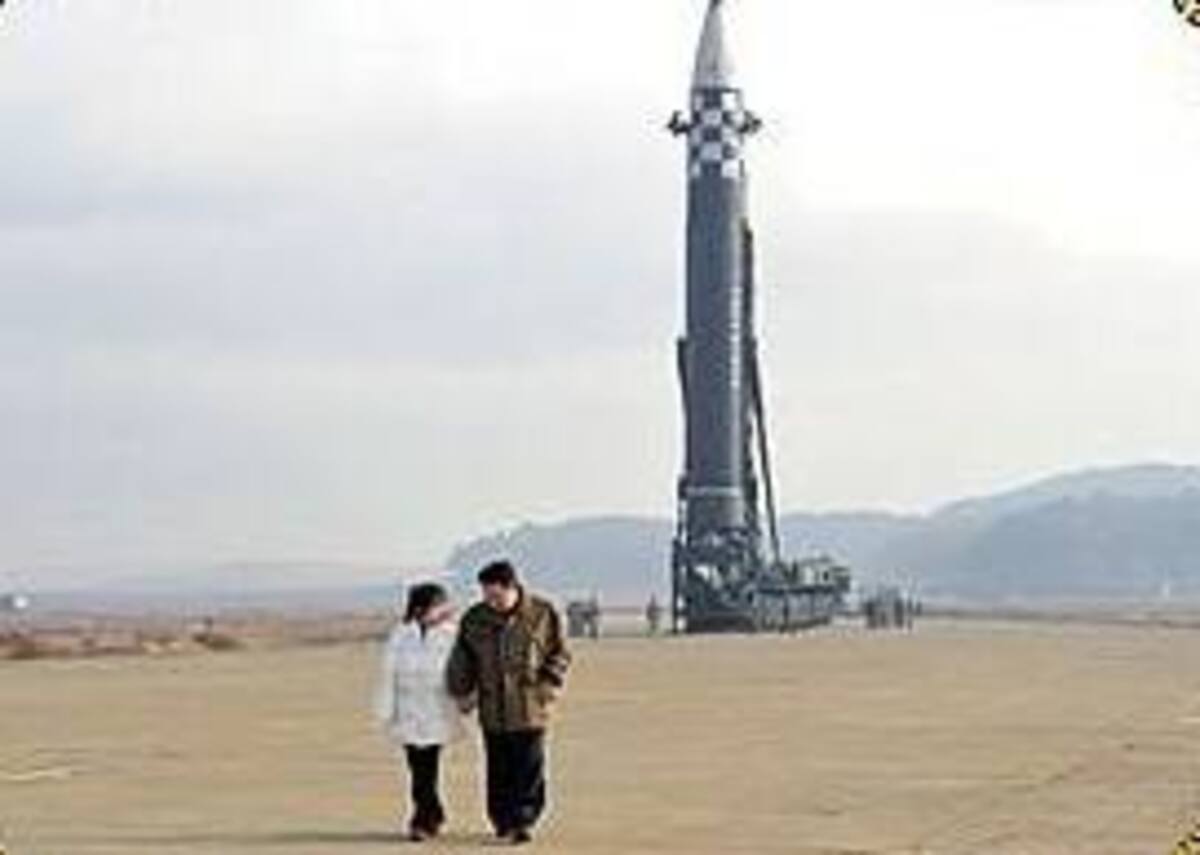
North Korea will strengthen its nuclear force in quality and quantity and expand the role of its military intelligence agency focused on South Korea. Seoul is closely monitoring related developments. North Korea is under sanctions over its nuclear program. The two Koreas remain technically at war as their conflict ended without a peace treaty.
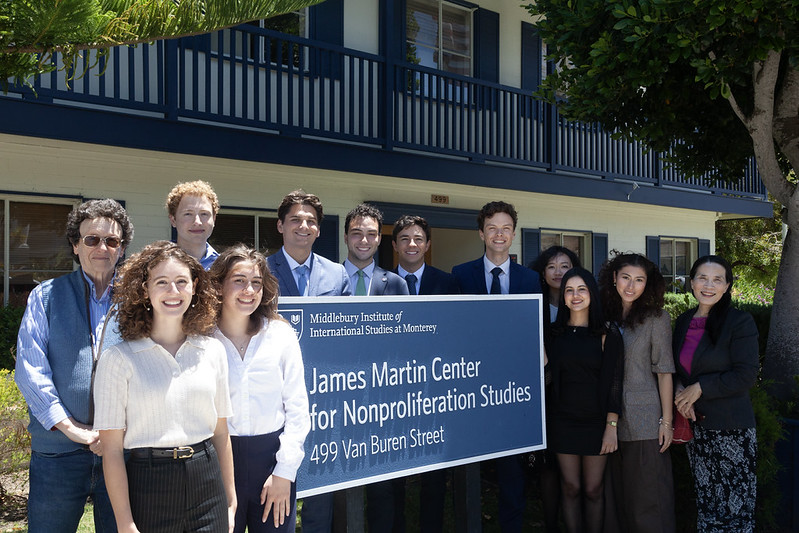
The James Martin Center for Nonproliferation Studies (CNS) welcomed ten outstanding undergraduate fellows to Monterey for its 2026 Summer Undergraduate Fellowship Program. The fellows are from Middlebury College, Soka University of America, the University of Georgia, and Dartmouth College. The program is one of the few opportunities worldwide for undergraduate students to receive intensive, hands-on training in nuclear and disarmament studies.

Weekly digital edition of SPIEGEL includes e-paper (PDF), digital archive and S+ newsletter. Free access to all S+ articles on SPIEGel.de and in the app (e-paper, digital archive, and newsletter). For more information, visit the website.

This week's episode of The North Korea News Podcast is hosted by Alannah Hill. Anton Sokolin and Susan Thornton discuss North Korea's deepening ties with China and Russia. Susan Thornton also discusses the “fire and fury” period of 2017 and the Trump-Kim summit.
The Cold War showed that strategic deterrence works to keep the peace among the nuclear-armed powers. It also showed that these arms have almost no use in regional conflicts. With two nuclear superpowers embroiled in two wars, revisiting America’s 20th-century experiences is crucial.
It's been 80 years since the dawn of the nuclear age. Today there are 9 states with nuclear weapons and several thousand thermonuclear devices. The Pugwash Conferences is concerned about the deterioration of the international system. They call for an end to the military confrontations involving nuclear-weapon states and a focus on non-proliferation.
The U.S. and Iran reached an agreement on a framework for resolving the conflict that began on February 28. The conflict in Iran has exposed structural weaknesses in the nonproliferation regime, challenged long-standing assumptions about deterrence and diplomacy, and risked additional proliferation pressures in one of the world's most strategically sensitive regions.
On July 6, a Chinese strategic nuclear submarine fired a missile into a designated area of the Pacific. Australia, Japan, the United States and Pacific nations raised concerns about the lack of notification and the politics of nuclear-free zones. The test was read through several lenses: evidence of Beijing’s maturing second-strike capability, a challenge to US allies and partners, and a signal to states already reassessing nuclear weapons policy.
Kim Jong Un visited a newly-inaugurated uranium enrichment facility at Yongbyon on June 3. The IAEA reports that the interior structure and layout of the facility is consistent with the features of the new centrifuge facility that was identified in June 2025. In May, the South Korean government released what it maintained is an updated version of North Korea’s constitution.
NATO members are calling for a new nuclear strategy in the name of deterring Russia. France has proposed the ‘forward deterrence initiative’ which would allow it to deploy its nuclear weapons to other European nations. Russia has warned that this could lead to a catastrophic escalation.
North Korea will strengthen its nuclear force in quality and quantity and expand the role of its military intelligence agency focused on South Korea. Seoul is closely monitoring related developments. North Korea is under sanctions over its nuclear program. The two Koreas remain technically at war as their conflict ended without a peace treaty.
The James Martin Center for Nonproliferation Studies (CNS) welcomed ten outstanding undergraduate fellows to Monterey for its 2026 Summer Undergraduate Fellowship Program. The fellows are from Middlebury College, Soka University of America, the University of Georgia, and Dartmouth College. The program is one of the few opportunities worldwide for undergraduate students to receive intensive, hands-on training in nuclear and disarmament studies.
Weekly digital edition of SPIEGEL includes e-paper (PDF), digital archive and S+ newsletter. Free access to all S+ articles on SPIEGel.de and in the app (e-paper, digital archive, and newsletter). For more information, visit the website.
This week's episode of The North Korea News Podcast is hosted by Alannah Hill. Anton Sokolin and Susan Thornton discuss North Korea's deepening ties with China and Russia. Susan Thornton also discusses the “fire and fury” period of 2017 and the Trump-Kim summit.