
The Iran war has pushed some countries away from oil and toward clean energy. The effective closure of the Strait of Hormuz cut off more than a fifth of liquified natural gas supplies. China exported more than 2 million electric passenger vehicles between January and May. The Philippines imported more than $400 million in solar panels from February to May. Chinese solar and battery imports have changed the calculus for investments in global renewable projects.
Global oil demand is set to decline this year for the first time since the height of the COVID-19 pandemic in 2020. The drop is due to higher oil prices and disruptions to physical supply. China's decrease of 1.5 million barrels per day was by far the largest globally. The main exception to the global slump in oil usage was in the U.S., where gasoline use increased in the second quarter of 2026.
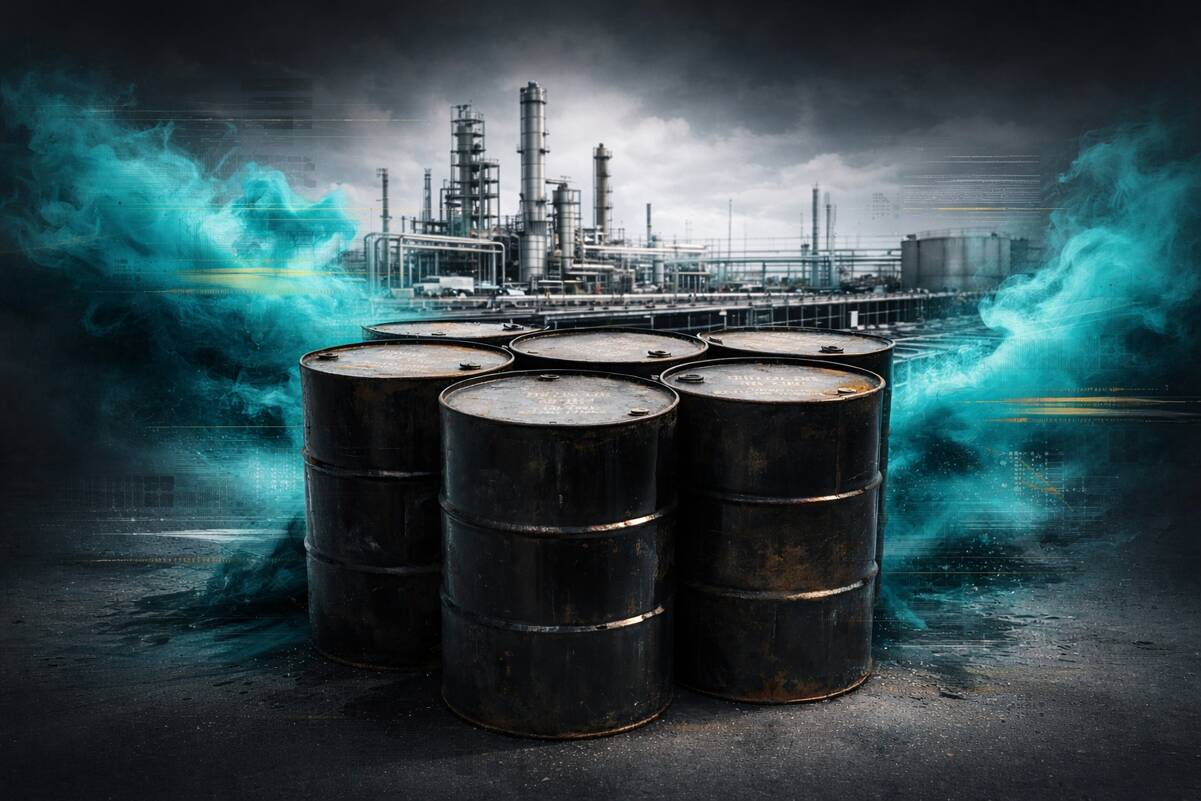
The conflict between Washington and Tehran has opened a second front on global crude supply. Iran’s Revolutionary Guard warned that if Iranian exports are blocked, Houthi forces could shut down traffic through the Bab el-Mandeb alongside the Strait of Hormuz. The U.S. responded by imposing a full naval blockade on all Iranian ports and launching another round of strikes against Iranian military capabilities. Emergency crude reserves have been drawn down to levels not seen in over four decades.

The US-Israel war on Iran has caused a lot of problems for families in the Middle East. Greenpeace International's executive director, John Sutter, talks about the global economic impact of the conflict. Sutter urges the world to focus on building energy independence through renewables and decentralisation.
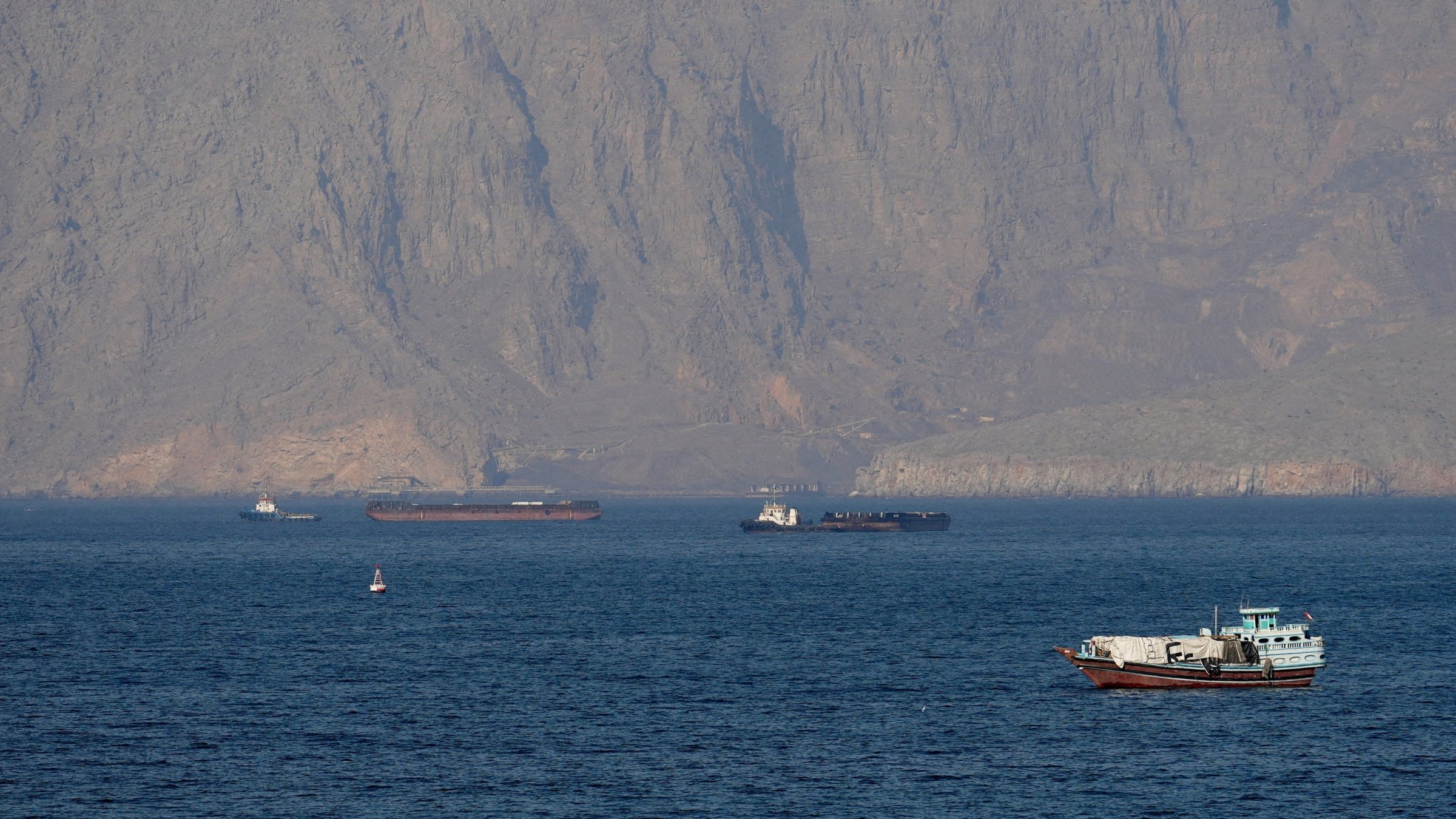
Europe has less than 30 days of jet fuel supplies to meet demand. Europe imported 673,000 b/d in June, its highest since October 2025, mainly from the U.S., Nigeria, Canada, India and South Korea. The situation could get worse, according to the European Commission.
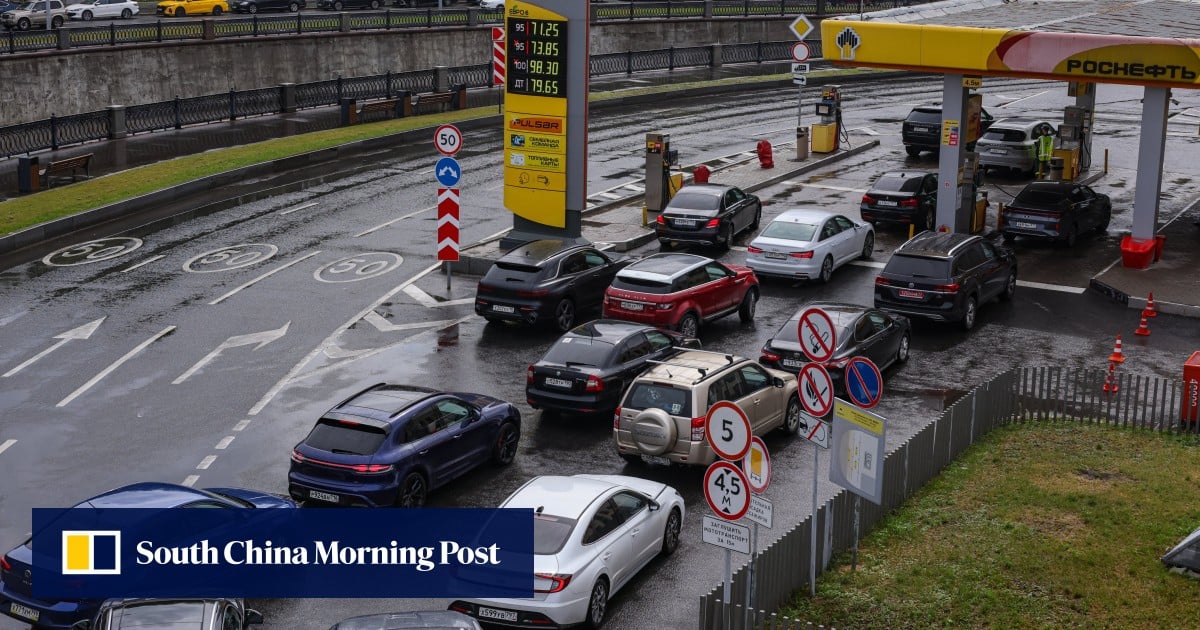
Russia banned diesel exports this week, exacerbating global shortages of the industrial fuel and sending prices soaring. Diesel accounts for the largest share of global oil consumption and soaring prices can ripple through the global economy. Russia is the world's second-largest diesel exporter after the US. Its exports were already slowing due to domestic shortages left by Ukrainian drone attacks. US government data showed an inventory draw of more than 4.5 million barrels of diesel last week.
The Iran war has pushed some countries away from oil and toward clean energy. The effective closure of the Strait of Hormuz cut off more than a fifth of liquified natural gas supplies. China exported more than 2 million electric passenger vehicles between January and May. The Philippines imported more than $400 million in solar panels from February to May. Chinese solar and battery imports have changed the calculus for investments in global renewable projects.
Global oil demand is set to decline this year for the first time since the height of the COVID-19 pandemic in 2020. The drop is due to higher oil prices and disruptions to physical supply. China's decrease of 1.5 million barrels per day was by far the largest globally. The main exception to the global slump in oil usage was in the U.S., where gasoline use increased in the second quarter of 2026.
The conflict between Washington and Tehran has opened a second front on global crude supply. Iran’s Revolutionary Guard warned that if Iranian exports are blocked, Houthi forces could shut down traffic through the Bab el-Mandeb alongside the Strait of Hormuz. The U.S. responded by imposing a full naval blockade on all Iranian ports and launching another round of strikes against Iranian military capabilities. Emergency crude reserves have been drawn down to levels not seen in over four decades.
The US-Israel war on Iran has caused a lot of problems for families in the Middle East. Greenpeace International's executive director, John Sutter, talks about the global economic impact of the conflict. Sutter urges the world to focus on building energy independence through renewables and decentralisation.
Europe has less than 30 days of jet fuel supplies to meet demand. Europe imported 673,000 b/d in June, its highest since October 2025, mainly from the U.S., Nigeria, Canada, India and South Korea. The situation could get worse, according to the European Commission.
Russia banned diesel exports this week, exacerbating global shortages of the industrial fuel and sending prices soaring. Diesel accounts for the largest share of global oil consumption and soaring prices can ripple through the global economy. Russia is the world's second-largest diesel exporter after the US. Its exports were already slowing due to domestic shortages left by Ukrainian drone attacks. US government data showed an inventory draw of more than 4.5 million barrels of diesel last week.