
A recent Frontiers in Science paper argues that tracking ecosystem health and natural processes is essential to stop and reverse biodiversity loss. The paper promotes the “Three Global Conditions Framework” (3Cs), which categorizes regions by human-impact level to guide conservation efforts ahead of the 2030 Kunming-Montreal Global Biodiversity Framework deadline ending the loss of biodiversity.
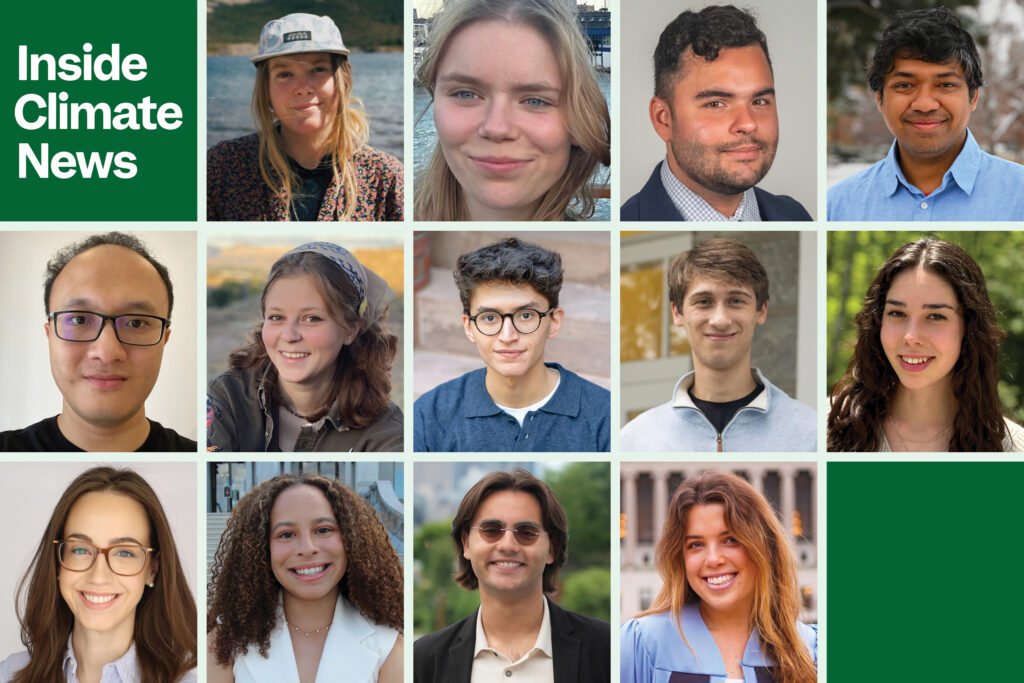
Inside Climate News is a 501c3 nonprofit organization that shares its news with scores of other media organizations around the country. Two of them launched ICN in 2007 and six years later they earned a Pulitzer Prize for National Reporting. ICN is the oldest and largest dedicated climate newsroom in the nation. Donations from readers like you fund every aspect of what we do.
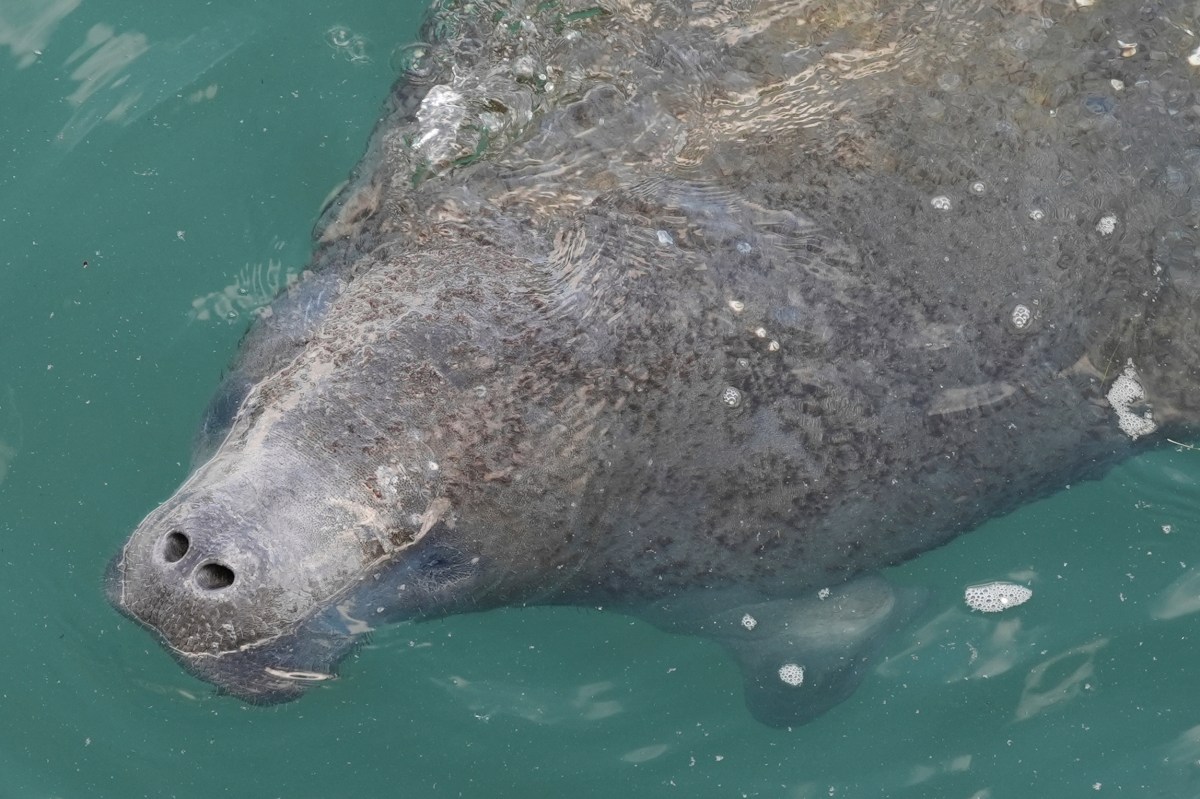
The Trump administration finalized a sweeping overhaul of how the Endangered Species Act is enforced. The new rule restricts federal agencies from regulating habitat destruction unless it directly injures or kills a protected animal. Environmentalists warn the new policy could open previously restricted territory to logging, fracking, and mining, putting several species at heightened risk.
The Trump administration repealed a crucial part of the Endangered Species Act on Friday. The new rule will open habitats of imperiled wildlife to development, logging, mining and other uses. The legislation has helped safeguard more than 1,700 species and their habitats. Experts fear the move could cause catastrophic damage to species already close to the brink.

Episode 178 is titled The High Stakes of State Wildlife Governance and the Fight for Direct Democracy with Michelle Lute. Michelle is the executive director of Wildlife for All and vice president of the Rewilding Institute. She has a PhD in wildlife management and has authored more than 30 publications across ecology and the social sciences.

Pavel Partha is an ethnobotanist and activist. He is the director of the Bangladesh Resource Center for Indigenous Knowledge. He has been conducting ethnobotanical research in Bangladesh for almost two decades. He believes development decisions should account for both ecological and social impacts. His grandmother taught him that all human beings are part of this planet.

Colossal Biosciences and the Trump administration announce a partnership on June 25, 2026 to preserve cells, tissue and DNA from threatened and endangered species. Colossal and the Fish and Wildlife Service will collaborate to identify high-priority actions and the government will provide a list of which species it wants to prioritize.

Weekly digital edition of SPIEGEL includes e-paper (PDF), digital archive and S+ newsletter. Free access to all S+ articles on SPIEGel.de and in the app (e-paper, digital archive, and newsletter). For more information, visit the website.
A recent Frontiers in Science paper argues that tracking ecosystem health and natural processes is essential to stop and reverse biodiversity loss. The paper promotes the “Three Global Conditions Framework” (3Cs), which categorizes regions by human-impact level to guide conservation efforts ahead of the 2030 Kunming-Montreal Global Biodiversity Framework deadline ending the loss of biodiversity.
Inside Climate News is a 501c3 nonprofit organization that shares its news with scores of other media organizations around the country. Two of them launched ICN in 2007 and six years later they earned a Pulitzer Prize for National Reporting. ICN is the oldest and largest dedicated climate newsroom in the nation. Donations from readers like you fund every aspect of what we do.
The Trump administration finalized a sweeping overhaul of how the Endangered Species Act is enforced. The new rule restricts federal agencies from regulating habitat destruction unless it directly injures or kills a protected animal. Environmentalists warn the new policy could open previously restricted territory to logging, fracking, and mining, putting several species at heightened risk.
The Trump administration repealed a crucial part of the Endangered Species Act on Friday. The new rule will open habitats of imperiled wildlife to development, logging, mining and other uses. The legislation has helped safeguard more than 1,700 species and their habitats. Experts fear the move could cause catastrophic damage to species already close to the brink.
Episode 178 is titled The High Stakes of State Wildlife Governance and the Fight for Direct Democracy with Michelle Lute. Michelle is the executive director of Wildlife for All and vice president of the Rewilding Institute. She has a PhD in wildlife management and has authored more than 30 publications across ecology and the social sciences.
Pavel Partha is an ethnobotanist and activist. He is the director of the Bangladesh Resource Center for Indigenous Knowledge. He has been conducting ethnobotanical research in Bangladesh for almost two decades. He believes development decisions should account for both ecological and social impacts. His grandmother taught him that all human beings are part of this planet.
Colossal Biosciences and the Trump administration announce a partnership on June 25, 2026 to preserve cells, tissue and DNA from threatened and endangered species. Colossal and the Fish and Wildlife Service will collaborate to identify high-priority actions and the government will provide a list of which species it wants to prioritize.
Weekly digital edition of SPIEGEL includes e-paper (PDF), digital archive and S+ newsletter. Free access to all S+ articles on SPIEGel.de and in the app (e-paper, digital archive, and newsletter). For more information, visit the website.