
$3.2 trillion has been spent on AI deals this year. It's the most spent on deal-making over a half-year period in at least a decade. Many companies have cited AI as a reason for mass layoffs. People won't be able to afford AI products and services unless they have enough income.

Taiwan is a global leader in semiconductor manufacturing. It is an indispensable link in global technology production, especially as the global AI race gains steam. Beijing views Taiwan as a “breakaway province” and has vowed to reclaim it by any means necessary.
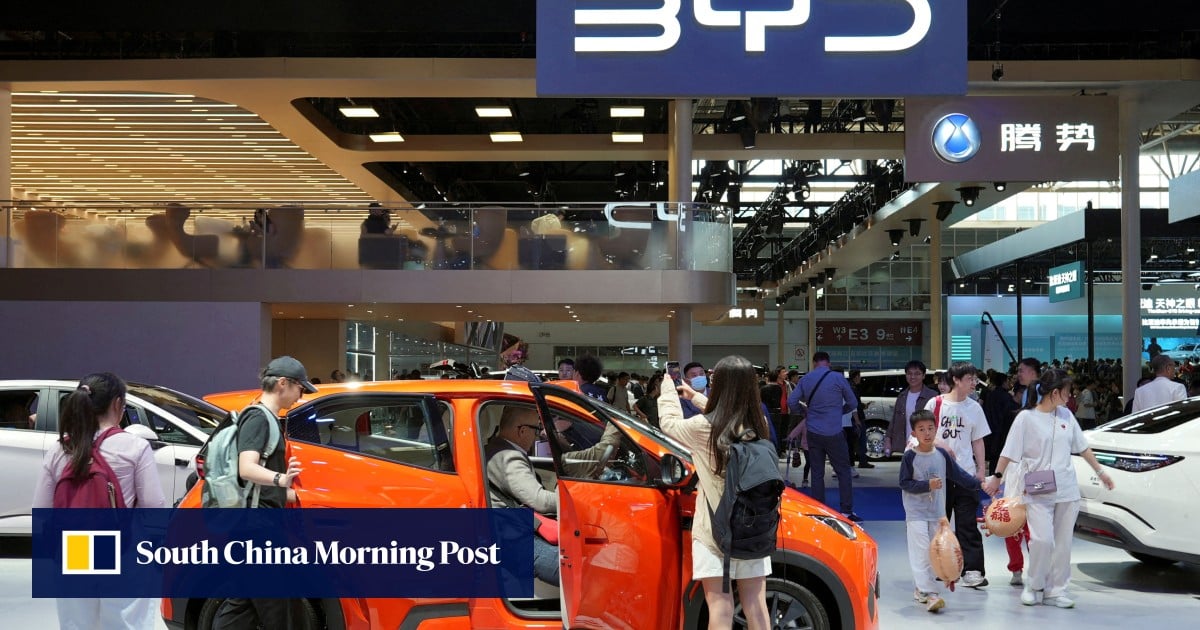
As Chinese carmakers capture global market share with cheaper, high-quality electric vehicles, Canada and EU countries are seeking Chinese investment and technology to strengthen their own industries. The U.S. is taking the opposite approach and is increasing tariffs on Chinese EVs and putting Chinese-owned auto companies on notice.
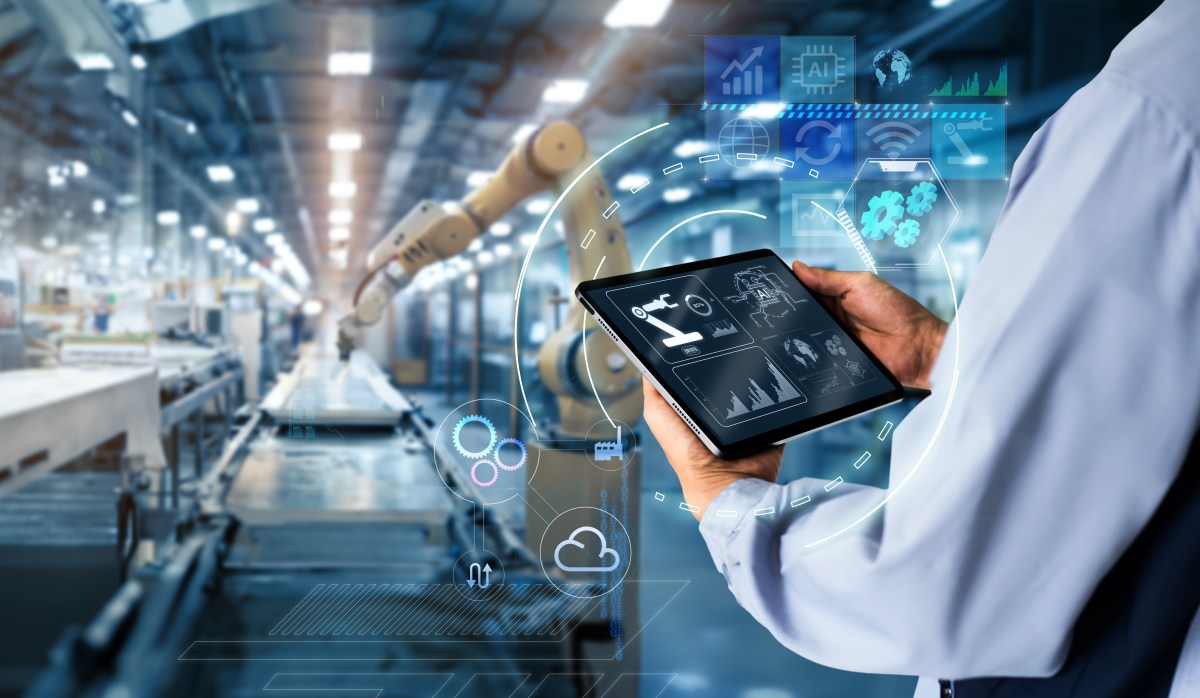
The next manufacturing crisis may not begin with tariffs, inflation or another global supply chain disruption. According to one report, the world's 500 largest companies lose nearly $1.4 trillion annually to unplanned downtime, equal to 11 percent of their revenues. Brian Dengel, founder of KHK USA Inc., believes availability has evolved from a purchasing consideration into one of manufacturing's most important risk-management strategies.

Unemployment claims for last week came in at 215,000. The last time it was this low was in 1968 and 1969. The economy has added 3.1 million jobs since January. The layoff rate in healthcare and social assistance is 0.9%, which is better than the economy-wide 1.2%.

China's economy grew by 4.3% in the April-June quarter. It was the slowest growth since late 2022. Exports rose 17.6% in first half of the year from a year earlier and 27% in June. Domestic spending and investment have lagged, limiting the boost from China's export manufacturing.

India approved a manufacturing joint venture between Vivo and local manufacturer Dixon Technologies on Thursday. The joint venture will acquire certain manufacturing assets from Vivo, manufacture part of the company’s smartphone orders in India and produce electronic products for other brands. Vivo has manufactured and exported smartphones from India for years, but the approved venture marks a shift toward a majority Indian-owned manufacturing structure. Chinese smartphone brands are increasingly exploring partnerships with Indian companies after New Delhi tightened investment rules.

Vietnam wants to become an indispensable player in the physical layers underpinning artificial intelligence. The government plans to train 50,000 semiconductor engineers by 2030, launch a $100 million venture capital fund, increase public spending on science and technology, attract foreign investment, and secure domestic supplies of rare earth minerals. Vietnam is using economic statecraft to position itself within global value chains to fuel economic growth and sovereignty.
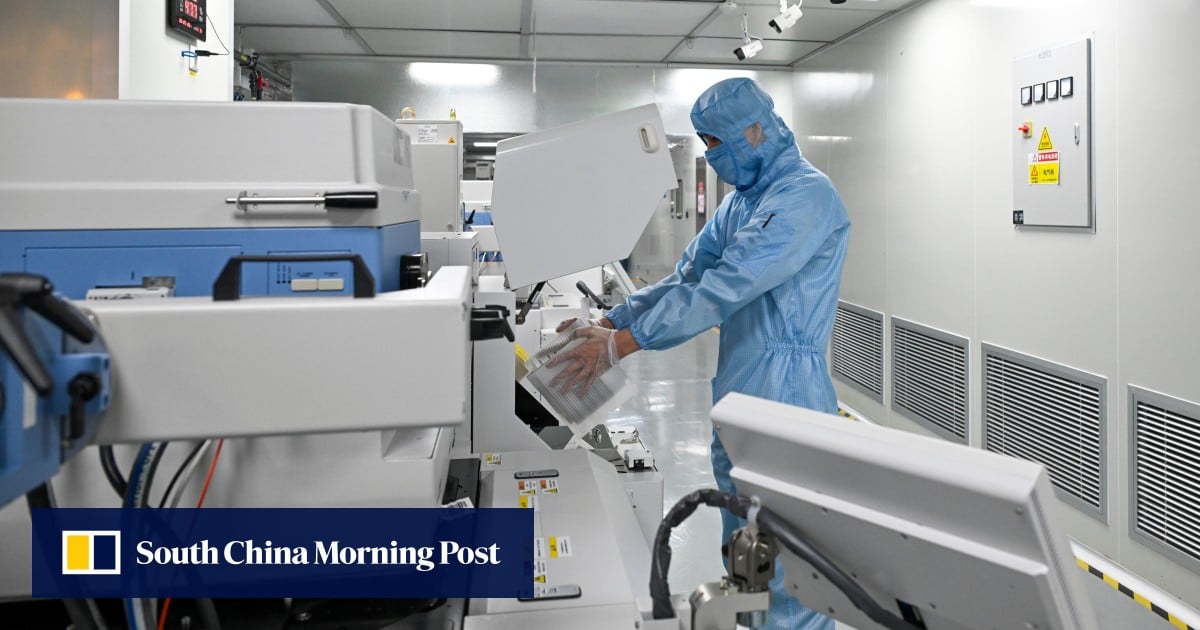
In the first six months of 2026, China exported 179.44 billion integrated circuits worth a total of US$177.28 billion, up 96% year on year. The surge in IC exports was one of the key drivers behind China's double-digit export growth in the first half of the year. Beijing has been promoting the adoption of domestically designed chips as part of efforts to strengthen the country's self-reliance.
$3.2 trillion has been spent on AI deals this year. It's the most spent on deal-making over a half-year period in at least a decade. Many companies have cited AI as a reason for mass layoffs. People won't be able to afford AI products and services unless they have enough income.
Taiwan is a global leader in semiconductor manufacturing. It is an indispensable link in global technology production, especially as the global AI race gains steam. Beijing views Taiwan as a “breakaway province” and has vowed to reclaim it by any means necessary.
As Chinese carmakers capture global market share with cheaper, high-quality electric vehicles, Canada and EU countries are seeking Chinese investment and technology to strengthen their own industries. The U.S. is taking the opposite approach and is increasing tariffs on Chinese EVs and putting Chinese-owned auto companies on notice.
The next manufacturing crisis may not begin with tariffs, inflation or another global supply chain disruption. According to one report, the world's 500 largest companies lose nearly $1.4 trillion annually to unplanned downtime, equal to 11 percent of their revenues. Brian Dengel, founder of KHK USA Inc., believes availability has evolved from a purchasing consideration into one of manufacturing's most important risk-management strategies.
Unemployment claims for last week came in at 215,000. The last time it was this low was in 1968 and 1969. The economy has added 3.1 million jobs since January. The layoff rate in healthcare and social assistance is 0.9%, which is better than the economy-wide 1.2%.
China's economy grew by 4.3% in the April-June quarter. It was the slowest growth since late 2022. Exports rose 17.6% in first half of the year from a year earlier and 27% in June. Domestic spending and investment have lagged, limiting the boost from China's export manufacturing.
India approved a manufacturing joint venture between Vivo and local manufacturer Dixon Technologies on Thursday. The joint venture will acquire certain manufacturing assets from Vivo, manufacture part of the company’s smartphone orders in India and produce electronic products for other brands. Vivo has manufactured and exported smartphones from India for years, but the approved venture marks a shift toward a majority Indian-owned manufacturing structure. Chinese smartphone brands are increasingly exploring partnerships with Indian companies after New Delhi tightened investment rules.
Vietnam wants to become an indispensable player in the physical layers underpinning artificial intelligence. The government plans to train 50,000 semiconductor engineers by 2030, launch a $100 million venture capital fund, increase public spending on science and technology, attract foreign investment, and secure domestic supplies of rare earth minerals. Vietnam is using economic statecraft to position itself within global value chains to fuel economic growth and sovereignty.
In the first six months of 2026, China exported 179.44 billion integrated circuits worth a total of US$177.28 billion, up 96% year on year. The surge in IC exports was one of the key drivers behind China's double-digit export growth in the first half of the year. Beijing has been promoting the adoption of domestically designed chips as part of efforts to strengthen the country's self-reliance.